
For over a millennium, physicians trusted Galen’s anatomical texts without question—until Renaissance doctors dared to cut open human cadavers and look for themselves. What they found shattered medical orthodoxy forever.
1. Vesalius Proved Galen Wrong About Human Ribs

Vesalius Proved Galen Wrong About Human Ribs
Andreas Vesalius discovered in 1543 that men and women have the same number of ribs—directly contradicting Galen’s 1,400-year-old claim that men had one fewer rib than women due to Adam’s biblical rib removal. Publishing his masterwork De Humani Corporis Fabrica at age 28, Vesalius documented over 200 anatomical errors in Galenic texts by personally dissecting human cadavers at the University of Padua. His meticulous illustrations revealed that Galen had based much of his anatomy on dissections of apes and pigs, not humans. This single correction demolished the foundation of medieval medicine and established empirical observation as medicine’s new standard.
Source: britannica.com
2. Harvey Calculated the Heart Pumps 540 Pounds of Blood Daily

Harvey’s groundbreaking discovery of blood
William Harvey shattered the ancient belief that the liver continuously manufactured new blood when he published Exercitatio Anatomica de Motu Cordis in 1628. Through mathematical calculation, Harvey proved the heart pumps approximately 540 pounds of blood daily—far too much for the body to continuously produce and consume. His experiments on living animals demonstrated that blood circulates in a closed loop, pumped by the heart through arteries and returning via veins. Before Harvey, physicians believed blood was consumed by tissues like fuel, based on Galen’s teachings from 170 CE. This discovery revolutionized understanding of physiology and made blood transfusion theoretically possible.
Source: britannica.com
3. Falloppio Mapped Female Reproductive Anatomy in Secret Dissections
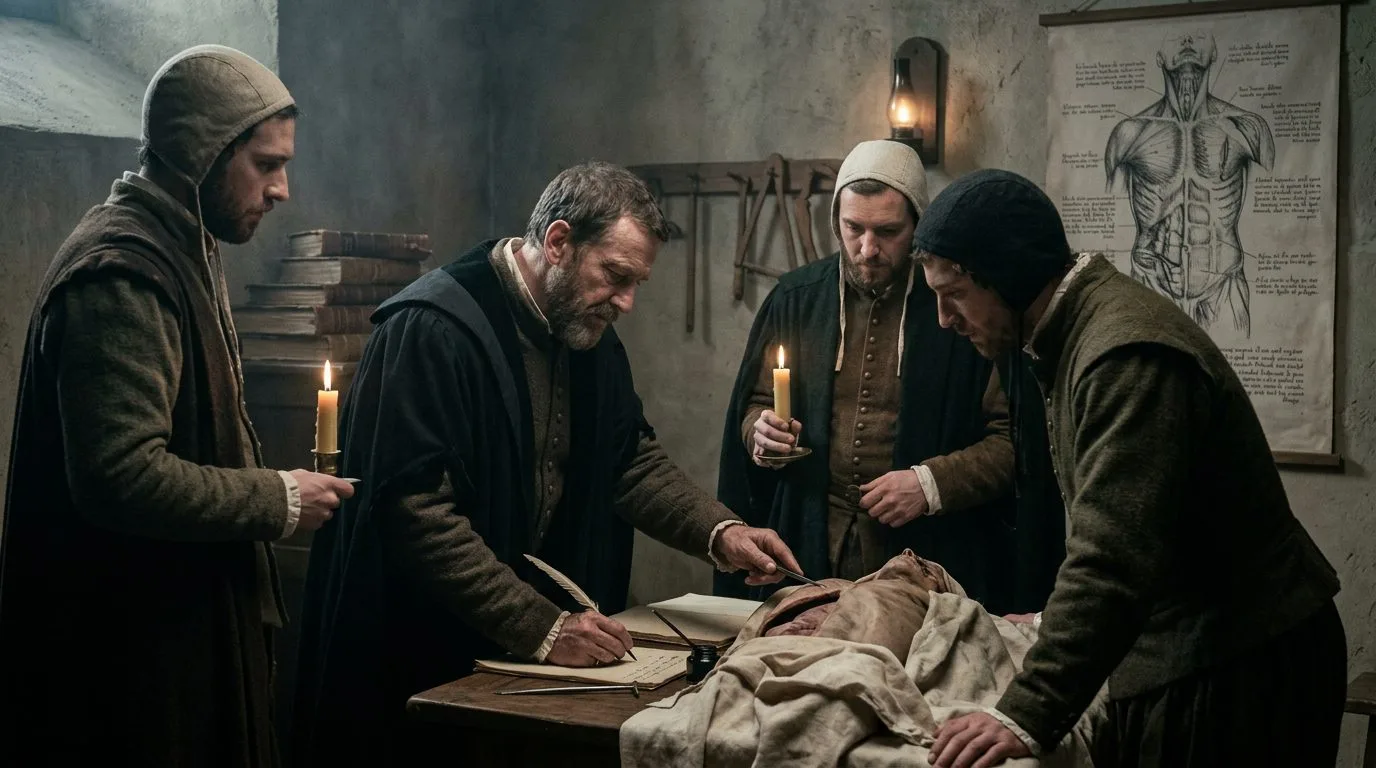
Falloppio’s secret dissections revealed the
Gabriele Falloppio identified and named the fallopian tubes in 1561, providing the first accurate description of female reproductive anatomy in his work Observationes Anatomicae. Working at the University of Padua where he succeeded Vesalius as professor of anatomy, Falloppio performed clandestine dissections of female cadavers—a practice often forbidden by religious authorities who considered such examinations particularly scandalous. He documented the ovaries, vagina, and clitoris with unprecedented accuracy, correcting numerous errors perpetuated since ancient times. His discoveries enabled physicians to finally understand conception mechanics and diagnose reproductive disorders, though his contraceptive recommendations using linen sheaths were centuries ahead of acceptance.
Source: britannica.com
4. Malpighi Saw What Harvey Could Only Theorize
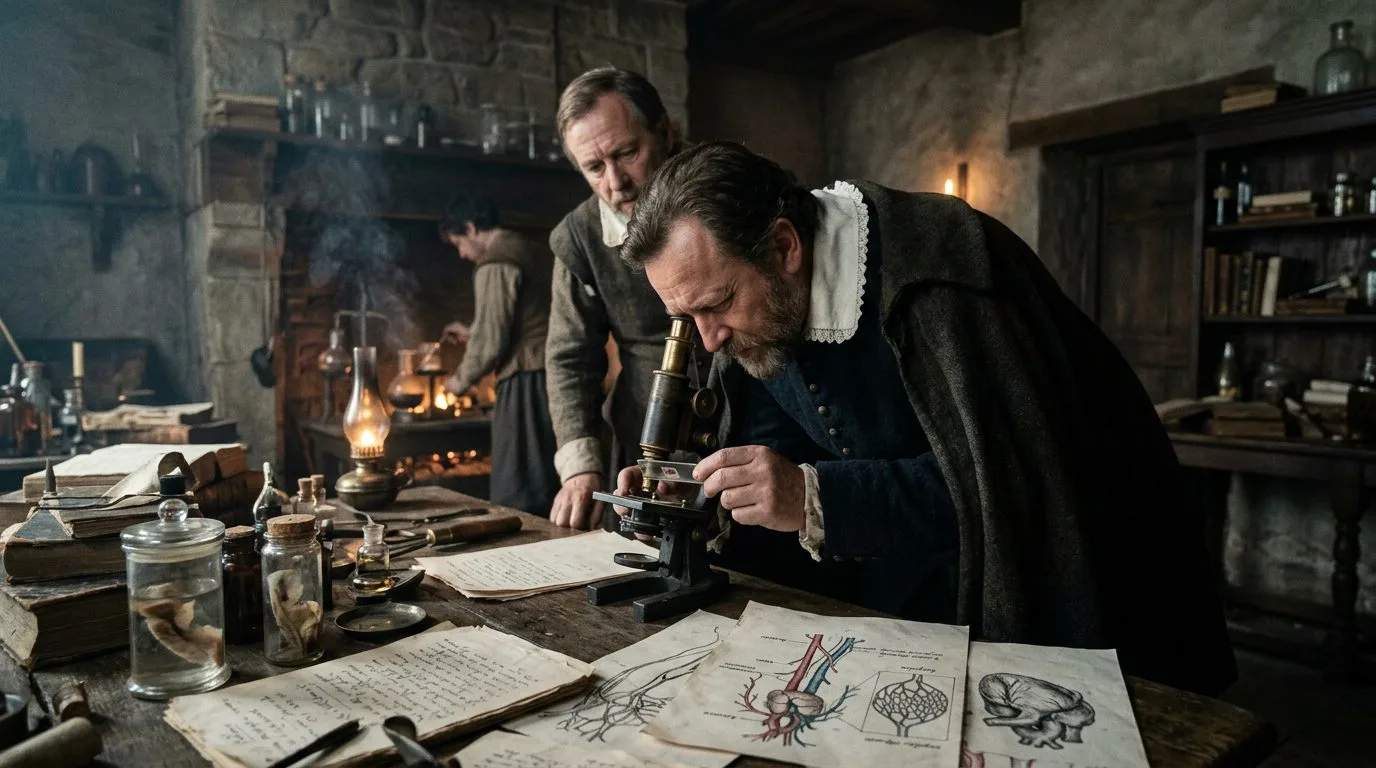
Malpighi Saw What Harvey Could Only Theorize
Marcello Malpighi became the first person to observe capillaries in 1661, using a primitive microscope to examine frog lungs and completing William Harvey’s theory of circulation. Harvey had logically deduced that tiny vessels must connect arteries to veins, but died without ever seeing them. Malpighi’s microscope, magnifying approximately 180 times, revealed networks of hairlike vessels just 5 to 10 micrometers in diameter. His discovery proved blood truly circulates in a closed system and wasn’t consumed by tissues. Publishing his findings in De Pulmonibus, Malpighi established microscopic anatomy as a legitimate field and demonstrated that major physiological mysteries required technology, not just dissection skill.
Source: britannica.com
5. Eustachi’s Ear Drawings Weren’t Published for 150 Years
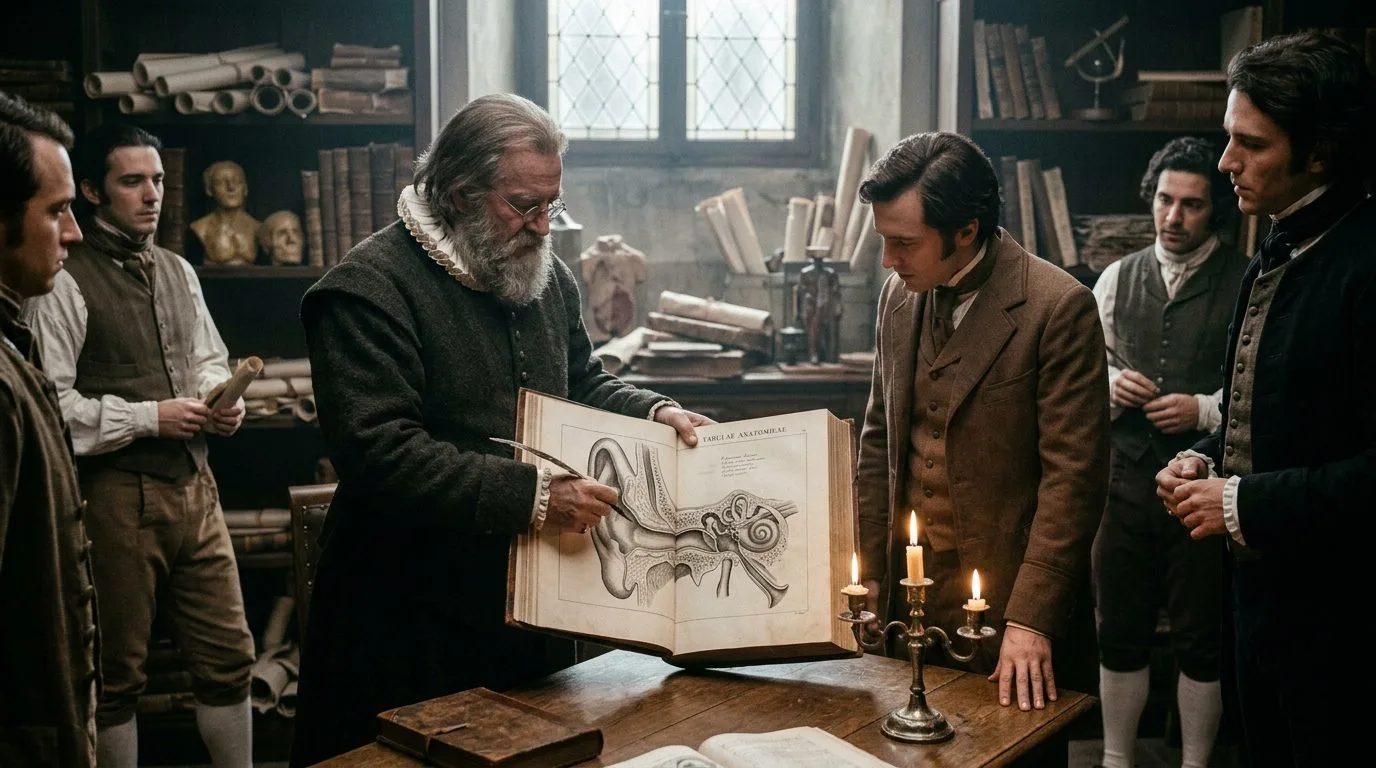
Eustachi’s groundbreaking ear anatomical
Bartolomeo Eustachi completed extraordinarily detailed copper plate engravings of ear canal anatomy in 1564, but they remained unpublished until 1714—five decades after his death. His Tabulae Anatomicae contained 47 plates documenting the Eustachian tube connecting the middle ear to the throat, a structure now bearing his name. Eustachi’s work rivaled Vesalius in accuracy, depicting the inner ear’s tiny bones with remarkable precision despite their size of just 2 to 3 millimeters. The delayed publication resulted from financial difficulties and his sudden death in 1574. When finally printed, his illustrations explained why ear infections could cause throat pain and revolutionized treatment of hearing disorders.
Source: britannica.com
6. Colombo Discovered Pulmonary Circulation Before Harvey Was Born
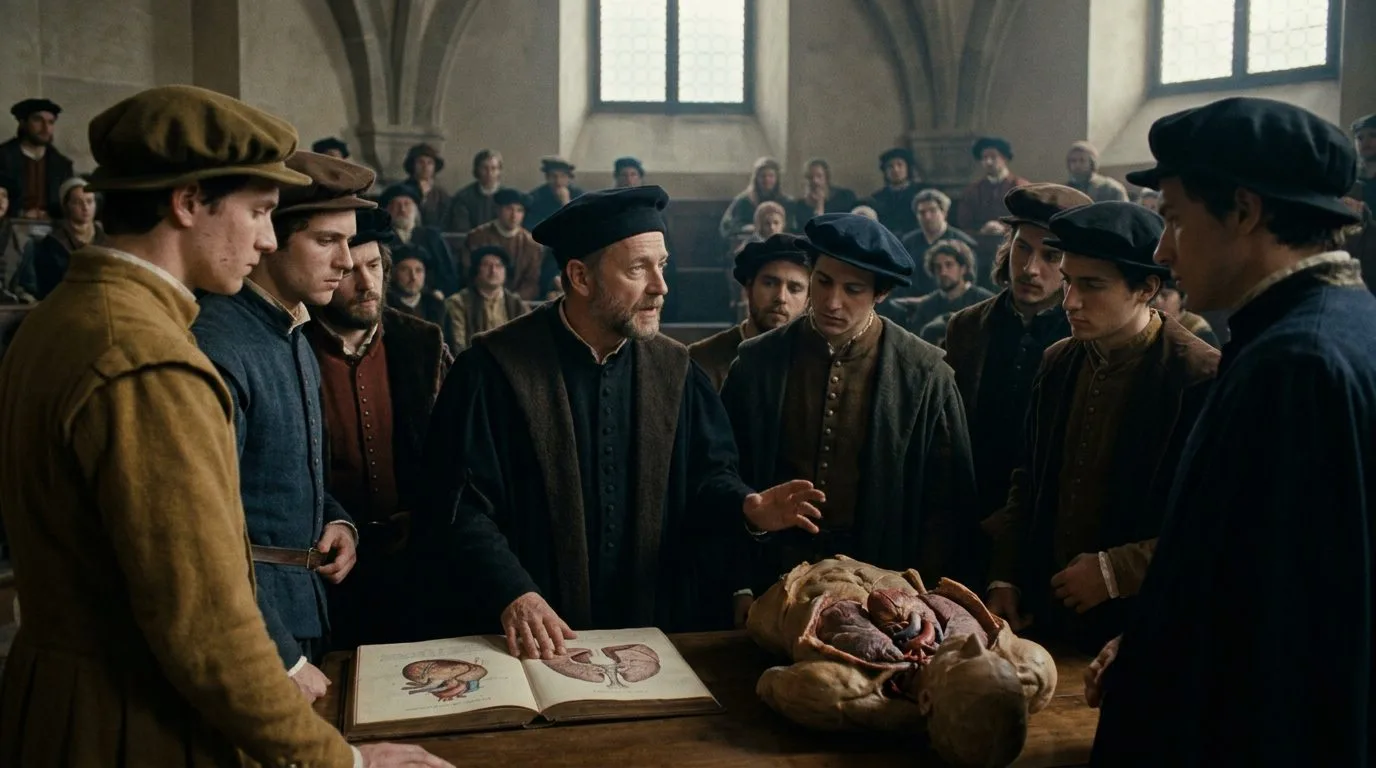
Colombo’s groundbreaking anatomical discovery
Realdo Colombo described pulmonary circulation in his 1559 treatise De Re Anatomica, demonstrating that blood flows from the right heart chamber through the lungs to the left chamber—69 years before Harvey’s comprehensive circulation theory. Dissecting living dogs at the University of Padua, Colombo observed that blood changes from dark to bright red as it passes through lung tissue, proving that respiration and circulation were intimately connected. His work directly challenged Galen’s assertion that blood passed through invisible pores in the heart’s septum. Though Colombo died just months after publication, his discovery laid essential groundwork for understanding oxygenation and respiratory physiology.
Source: britannica.com
7. Bartholin Mapped the Body’s Hidden Highway System

Bartholin Mapped the Body’s Hidden Highway System
Caspar Bartholin the Younger systematically mapped the lymphatic system in 1653, identifying it as a distinct network separate from blood vessels. His work Vasa Lymphatica described how clear fluid drains from tissues through vessels averaging just 1 millimeter in diameter, eventually emptying into the bloodstream. Bartholin discovered lymphatic vessels throughout the intestines, explaining how the body absorbs fats—a mystery since ancient times. He identified over 100 lymph nodes acting as filters, though he couldn’t explain their immune function. This discovery revolutionized understanding of fluid balance, explained edema’s causes, and provided the first clues to how infections spread through the body.
Source: britannica.com
8. Willis Named Brain Parts After His Generous Patrons
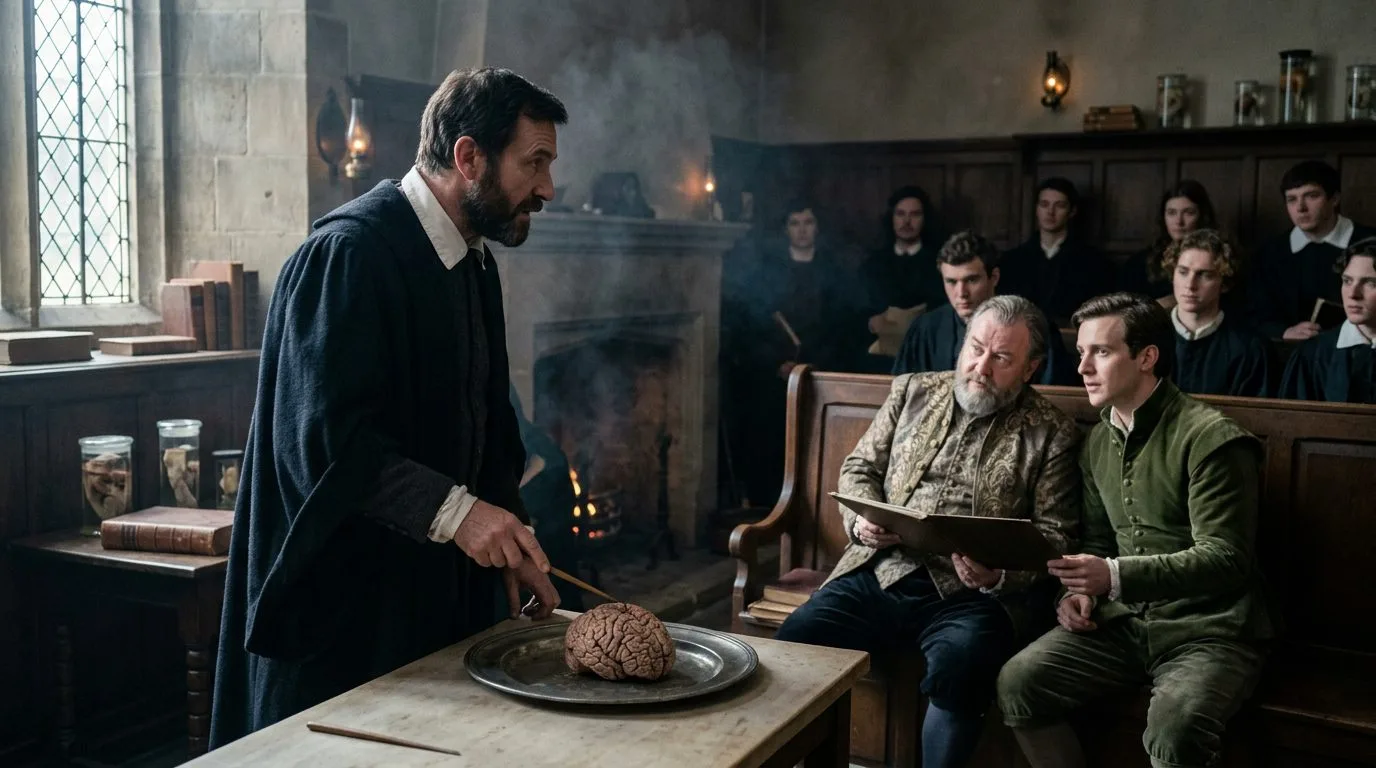
Willis honored wealthy supporters by naming brain
Thomas Willis published Cerebri Anatome in 1664, creating the first comprehensive map of brain structures and coining the term “neurology.” Working at Oxford, Willis identified the Circle of Willis—a ring of arteries at the brain’s base that ensures continuous blood flow even if one vessel becomes blocked. His illustrations by Christopher Wren depicted 11 pairs of cranial nerves and distinguished gray matter from white matter for the first time. Willis performed over 100 brain dissections, often within hours of death to preserve delicate structures. His work demonstrated that specific brain regions controlled different functions, laying groundwork for modern neuroscience and explaining stroke symptoms.
Source: britannica.com
9. Fabricius Found Valves That Defeated His Own Theory
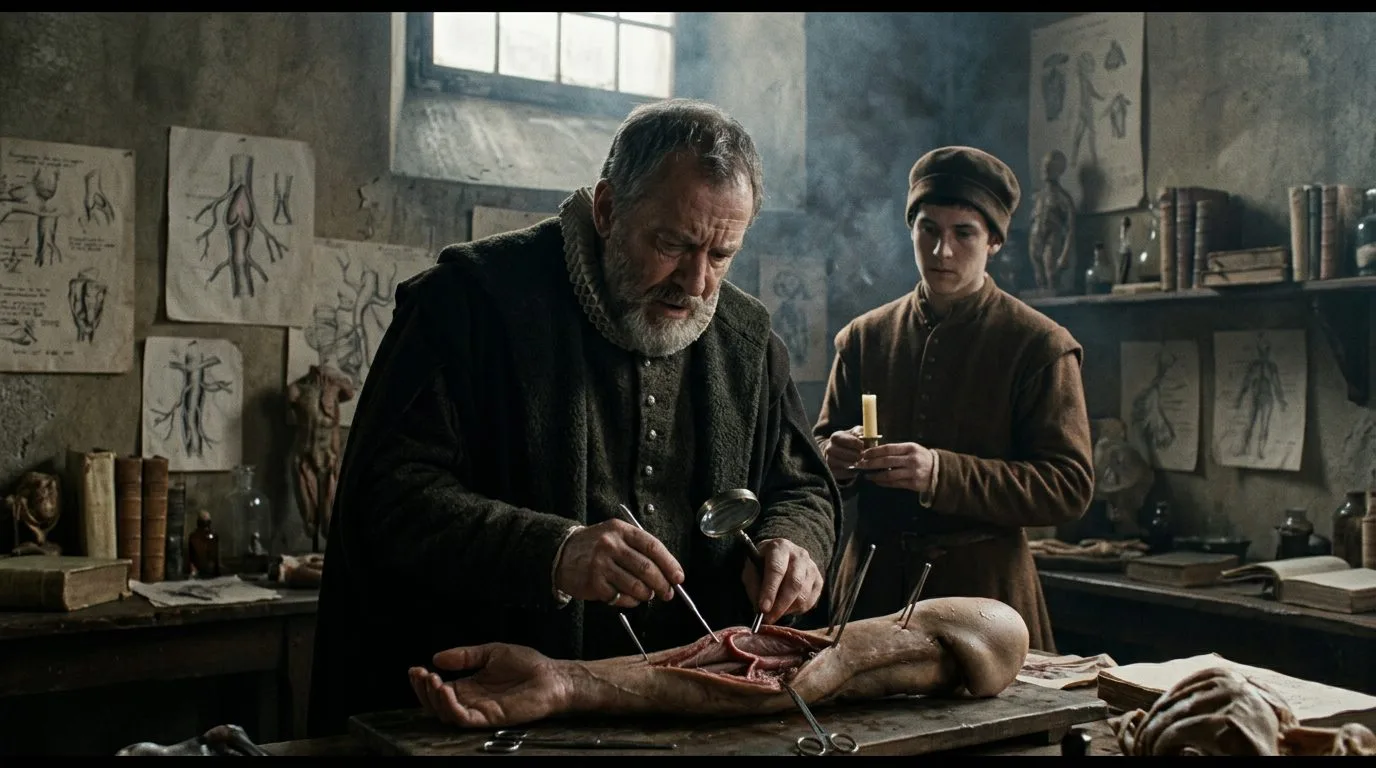
Fabricius discovers valves in veins.
Hieronymus Fabricius discovered one-way valves inside veins in 1603, meticulously illustrating them in De Venarum Ostiolis, yet completely misunderstood their function. He theorized the valves slowed blood flow to allow tissues time to absorb nutrients—still adhering to Galen’s consumption model. Ironically, Fabricius taught William Harvey at Padua, and his detailed valve drawings provided crucial evidence for Harvey’s circulation theory published 25 years later. The valves, spaced every 2 to 3 centimeters in leg veins, prevent backward flow as blood returns upward against gravity. Fabricius’s discovery explained why tourniquets cause veins to bulge and enabled the eventual development of intravenous injection techniques.
Source: britannica.com
10. Morgagni Performed 700 Autopsies to Prove Disease Starts in Organs
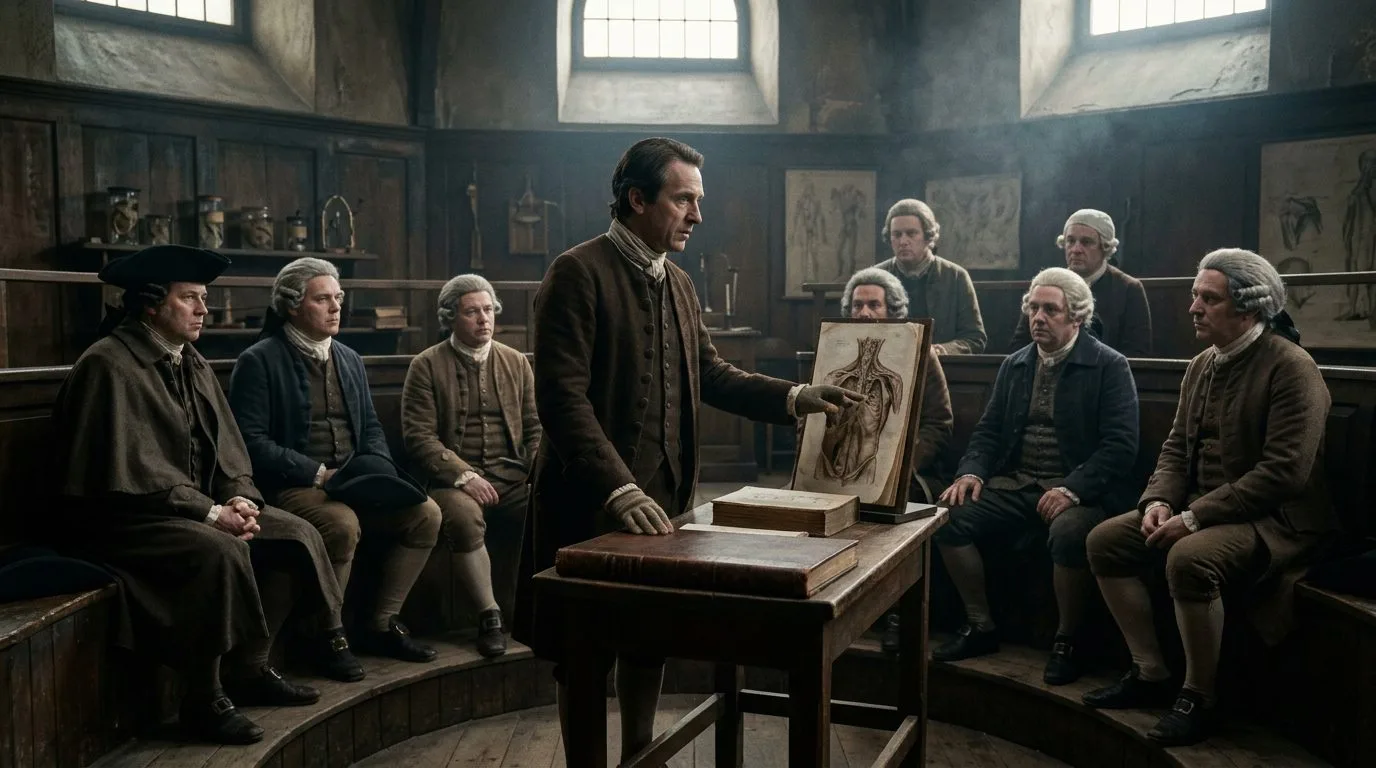
Giovanni Battista Morgagni’s groundbreaking
Giovanni Morgagni revolutionized medicine in 1761 by publishing De Sedibus et Causis Morborum, correlating symptoms patients experienced in life with specific organ damage found after death. Over five decades, Morgagni performed approximately 700 autopsies, meticulously recording clinical histories and autopsy findings. He proved that stroke symptoms resulted from brain lesions, that heart valve damage caused specific cardiac conditions, and that tuberculosis created characteristic lung cavities. At age 79 when his masterwork appeared, Morgagni had systematically documented that diseases weren’t caused by humoral imbalances but by physical changes in organs. This shifted medicine from theoretical speculation to evidence-based pathology and established autopsy as essential for medical education.
Source: britannica.com
Did You Know?
Did You Know? Gabriele Falloppio, who mapped female reproductive anatomy, also invented an early condom design in 1564—but marketed it as protection against syphilis, not pregnancy. Meanwhile, Thomas Willis regularly tasted his patients’ urine to diagnose diabetes (confirming sweetness), and Andreas Vesalius was nearly executed by the Spanish Inquisition when a nobleman’s body he was dissecting appeared to show signs of life mid-autopsy, forcing him to flee to Jerusalem on penitential pilgrimage where he died shipwrecked at age 49.