
Long before Twitter threads and viral posts, poetry had the power to topple kingdoms and unite nations. A single verse could inspire armies, comfort the dying, or preserve an entire culture’s identity across centuries. These ten ancient poems didn’t just survive—they fundamentally altered civilization.
1. Epic of Gilgamesh: The Flood Story That Predated Noah
Epic of Gilgamesh
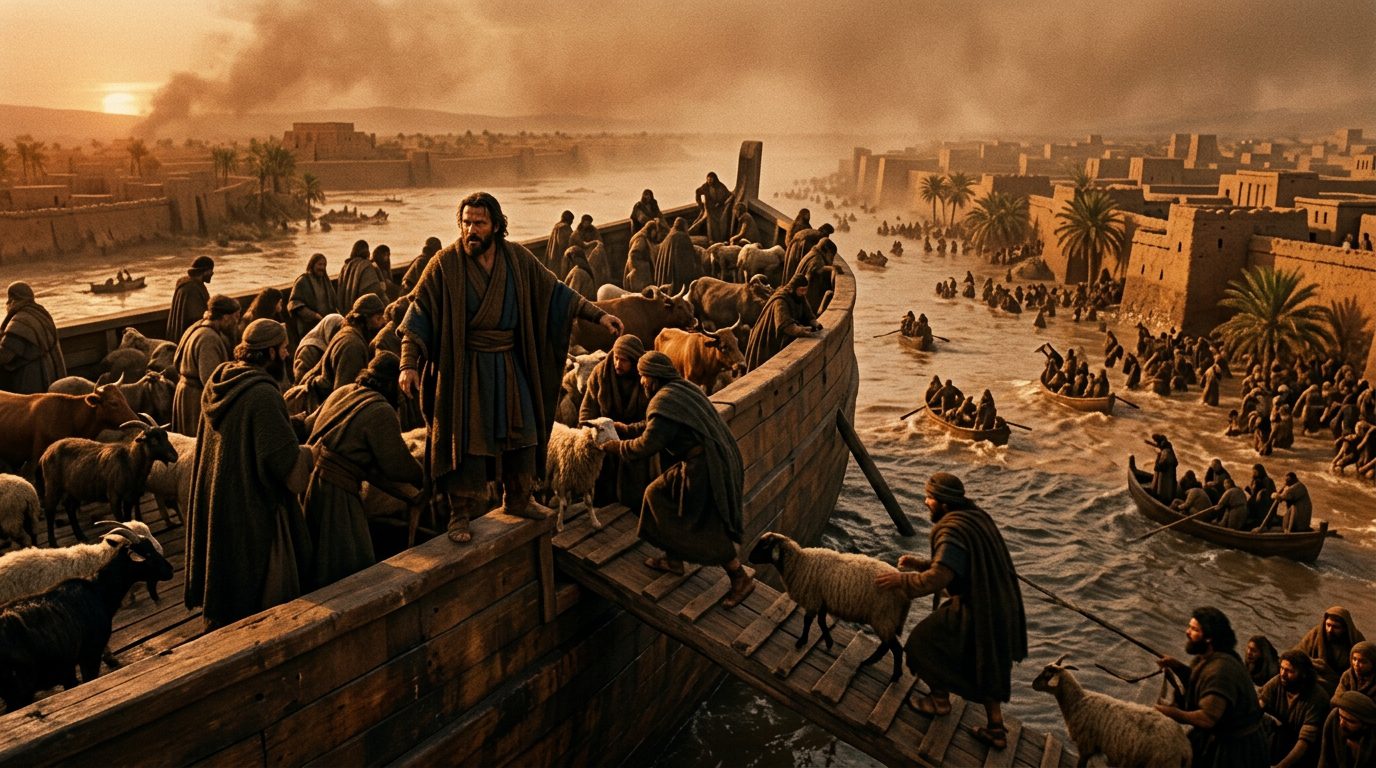
When archaeologists unearthed clay tablets in Nineveh in 1853, they discovered a flood narrative written around 2100 BCE that predated the Biblical account by at least a millennium. The Epic of Gilgamesh tells of Utnapishtim, who survived a divine deluge by building an ark—a story so influential it shaped flood myths across three continents. King Gilgamesh himself ruled the Sumerian city of Uruk around 2700 BCE, and his quest for immortality became humanity’s first great literary exploration of mortality. This 3,000-line poem was copied and recopied for two millennia, making it the ancient world’s closest equivalent to a bestseller.
Source: britannica.com
2. Sappho’s Fragment 31: The Greek Poem That Invented Jealousy
Sappho’s Fragment 31
A Greek poet from the island of Lesbos wrote sixteen lines around 600 BCE that would define erotic longing for the next 2,600 years. Sappho describes watching her beloved talk with a man, and her physical reaction—heart pounding, skin burning, vision darkening—became the template for expressing desire in Western literature. The Roman poet Catullus translated it in 50 BCE, preserving it when most of Sappho’s nine books of poetry were lost. Only one complete poem by Sappho survives today, yet this fragment alone influenced everyone from Ovid to modern psychologists studying the physiology of attraction.
Source: britannica.com
3. Poem of the Righteous Sufferer: Babylon’s Book of Job

Poem of the Righteous Sufferer
Around 1200 BCE, a **Babylon**ian scribe named Esagil-kin-apli composed a 480-line poem that asked the question haunting every civilization: why do the innocent suffer? The protagonist Shubshi-meshre-Shakkan, a noble who loses everything despite his piety, rails against the gods in words eerily similar to the Biblical Job written centuries later. This poem, also called Ludlul-bēl-nēmeqi, circulated throughout Mesopotamia and fundamentally shaped how ancient peoples understood divine justice. Tablets containing this text have been found from Nineveh to Babylon, proving its widespread influence across the Assyrian and Babylonian empires.
Source: britannica.com
4. Book of Songs: China’s 3,000-Year-Old Folk Anthology

Book of Songs
Confucius himself compiled 305 poems between 1000 BCE and 600 BCE, creating the Shijing that would become mandatory reading for Chinese civil servants for the next 2,500 years. One folk song from the collection—“Guan Ju” about courtship by the river—opens with bird calls that symbolize harmony between lovers, establishing metaphors still used in Chinese poetry today. Every educated person in imperial China memorized these verses, making the Book of Songs the foundation of Chinese literary culture. The Zhou Dynasty used these poems for diplomatic communication, with envoys quoting specific verses to convey complex political messages.
Source: britannica.com
5. Rigveda Hymns: The Sacred Poetry That Built Hinduism

Rigveda Hymns
Composed between 1500 BCE and 1200 BCE in archaic Sanskrit, the Rigveda’s 1,028 hymns weren’t just poetry—they were the foundation of Hindu philosophy, cosmology, and ritual. The Nasadiya Sukta, or Hymn of Creation, poses philosophical questions about existence that modern physicists still debate: “Who really knows? Who will here proclaim it?” These verses were transmitted orally for nearly three millennia before being written down around 1500 CE, making them humanity’s longest-running oral tradition. The Rigveda’s 10,600 verses influenced Buddhism, Jainism, and shaped the spiritual landscape of South Asia for over 3,000 years.
Source: britannica.com
6. Enheduanna’s Temple Hymns: History’s First Named Author
Enheduanna’s Temple Hymns
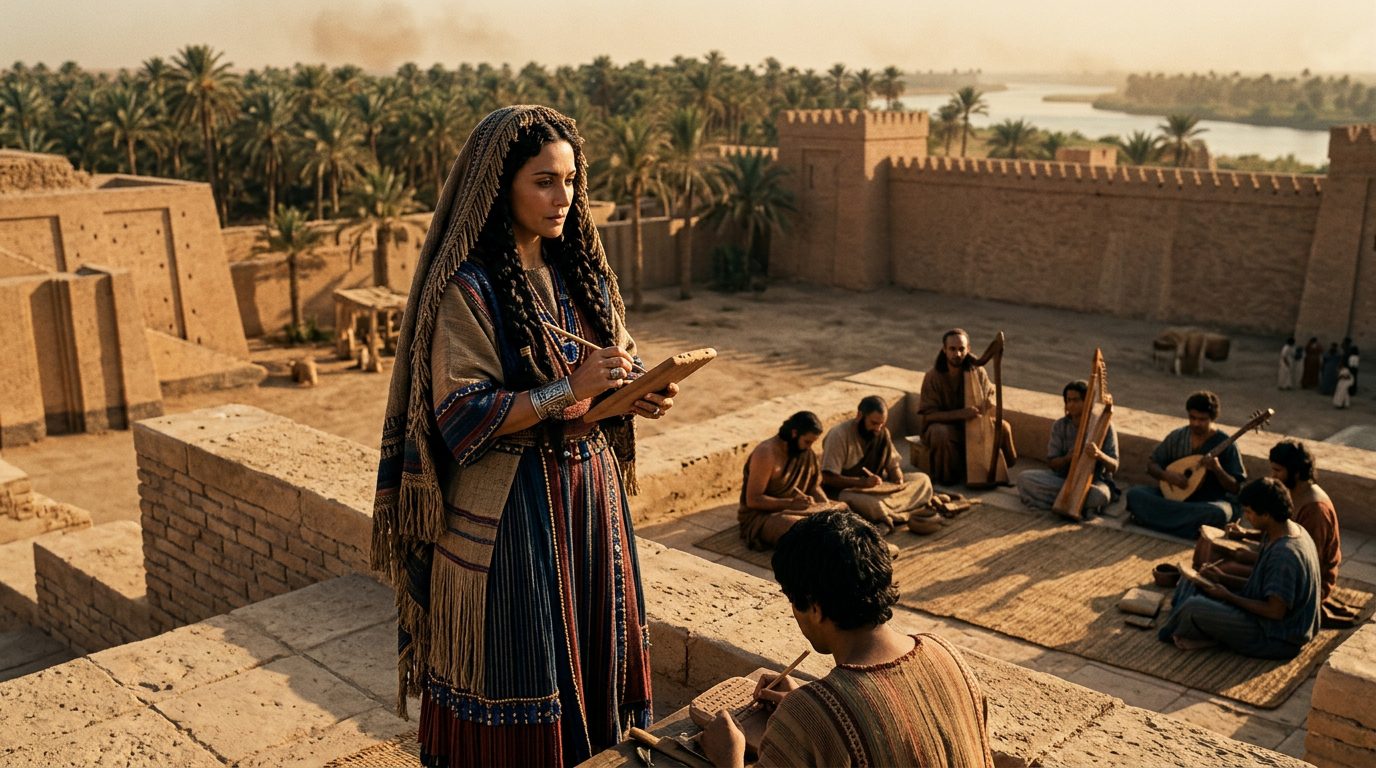
In 2285 BCE, a Sumerian high priestess named Enheduanna composed 42 temple hymns that make her the earliest author whose name we know. As daughter of King Sargon of Akkad, she used poetry as political propaganda, unifying diverse Sumerian city-states under a common religious framework. Her most famous work, “The Exaltation of Inanna,” is a 153-line poem that elevated the goddess Inanna to supreme deity status. Enheduanna’s cuneiform tablets were copied in scribal schools for 500 years after her death, establishing her as the ancient world’s most influential female writer and proving that women shaped literary history from its very beginning.
Source: britannica.com
7. Horace’s Odes: The Roman Poems That Defined Western Poetry
Horace’s Odes
When Horace published his first three books of Odes in 23 BCE, he created 88 poems that would become the blueprint for European lyric poetry for the next 2,000 years. His phrase “carpe diem"—seize the day—appeared in Ode 1.11 and became Western civilization’s most quoted motto. Emperor Augustus commissioned Horace to write the Carmen Saeculare in 17 BCE, performed by a choir of 54 at the Secular Games, making poetry a tool of imperial propaganda. From the Renaissance to the Romantic era, every educated European memorized Horace’s meters and imitated his balance of philosophy, politics, and pleasure.
Source: britannica.com
8. Beowulf: The Anglo-Saxon Epic That Preserved a Lost World

Beowulf
Composed around 750 CE in Old English, this 3,182-line epic opens with “Hwæt!"—a word so powerful it commands attention across twelve centuries. Beowulf’s battles against Grendel, Grendel’s mother, and a dragon weren’t just entertainment; they preserved the entire social structure, values, and history of Germanic tribes after their conversion to Christianity. The single surviving manuscript from around 1000 CE nearly burned in a 1731 fire, coming within inches of erasing this cornerstone of English literature. This poem kept alive the memory of sixth-century Scandinavian kings and warriors, creating a cultural bridge between pagan and Christian Anglo-Saxon England.
Source: britannica.com
9. Kalidasa’s Meghaduta: The Sanskrit Love Letter in the Clouds

Kalidasa’s Meghaduta
Around 375 CE, the Indian poet Kalidasa composed 120 stanzas in which an exiled yaksha begs a cloud to carry a message to his distant wife. The Meghaduta revolutionized Sanskrit poetry by mapping the entire Indian subcontinent through the cloud’s journey from central India to the Himalayas, creating geography through metaphor. Kalidasa’s influence was so profound that Sanskrit literature divides into pre-Kalidasa and post-Kalidasa periods. This poem established the “messenger poem” genre, spawning hundreds of imitations across Persian, Arabic, and later European literature, making a monsoon cloud one of history’s most traveled literary devices.
Source: britannica.com
10. Al-Khansa’s Elegies: The Arabic Poet Who Weaponized Grief
Al-Khansa’s Elegies
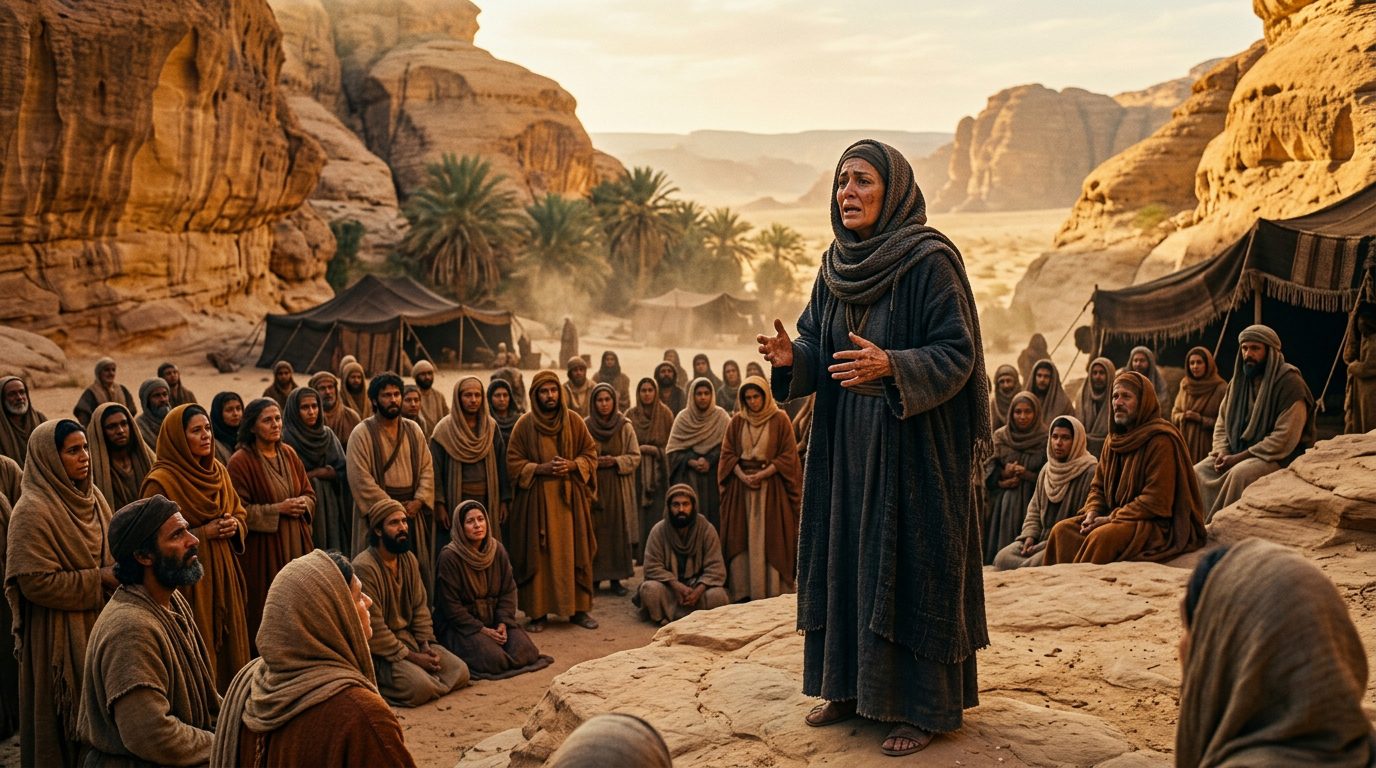
Tumadir bint Amr, known as Al-Khansa, composed elegies around 612 CE mourning her brothers Sakhr and Muawiya that were so powerful they became weapons of war. Arab tribes memorized her poetry and recited it before battle to steel themselves for death, turning grief into courage. The Prophet Muhammad heard her perform in 629 CE and reportedly said she was the greatest poet—male or female—he had ever heard. Her verses established the ritha (elegy) as Arabic poetry’s most prestigious form and proved that pre-Islamic women held cultural authority that rivaled any man’s, influencing Arab literary tradition for the next fourteen centuries.
Source: britannica.com
Did You Know?
Did You Know? The oldest poem on this list—the Epic of Gilgamesh—was still being copied by scribes when the youngest—Al-Khansa’s elegies—were first performed, meaning these works overlapped across 2,700 years of continuous literary tradition. Even more remarkable: six of these ten poets were women or wrote extensively about female perspectives, shattering the myth that ancient literature was exclusively male domain. Poetry didn’t just record civilization—it actively built it, one memorized line at a time.