
Before Netflix, before novels, even before the alphabet as we know it, certain poems wielded enough power to unite empires, justify wars, and define entire civilizations. These weren’t bedtime stories—they were identity itself.
1. The Epic of Gilgamesh: The World’s First Superhero Story
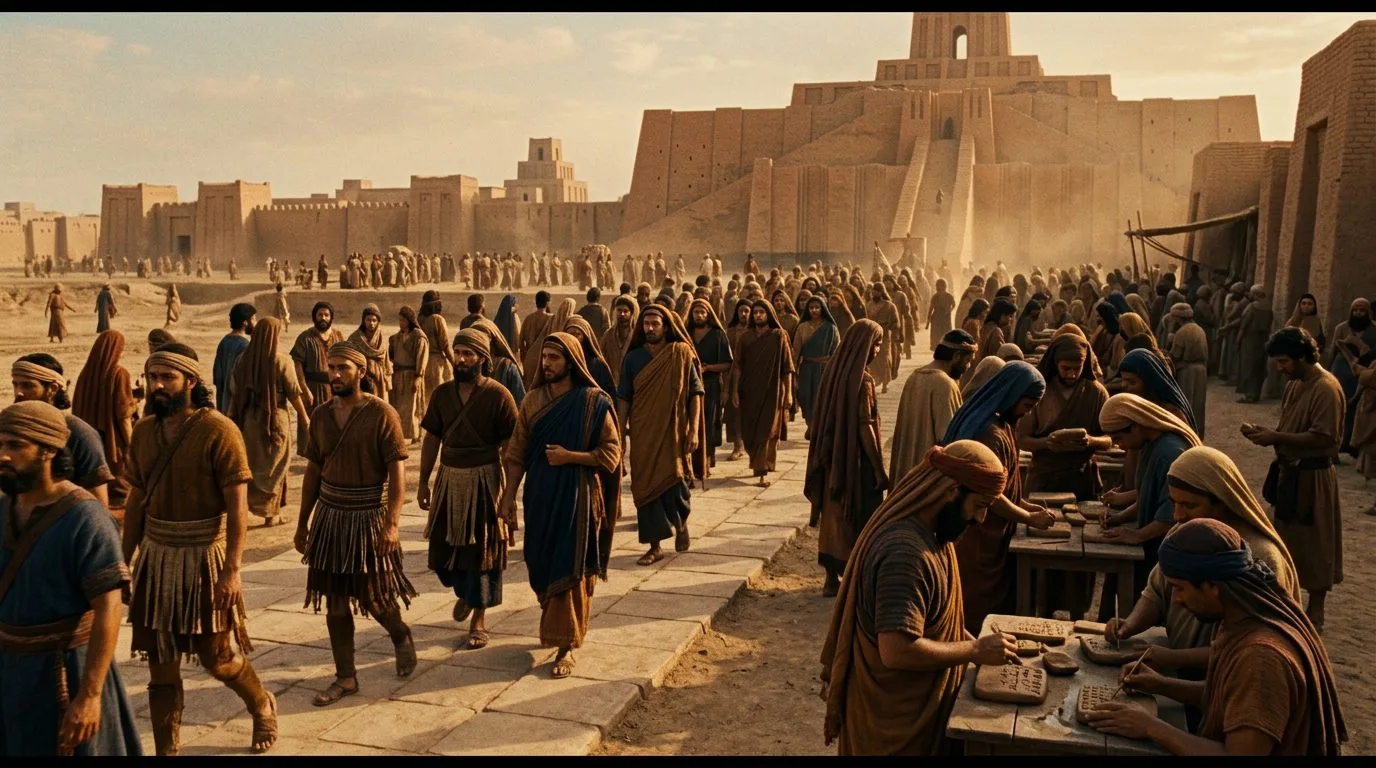
The Epic of Gilgamesh
Around 2100 BCE, Sumerian scribes carved the adventures of King Gilgamesh onto clay tablets, creating humanity’s oldest surviving epic poem. This wasn’t fiction—citizens of Uruk genuinely believed their legendary king had walked among them five centuries earlier, wrestling lions and seeking immortality. The poem spread across Mesopotamia in at least five languages, with kings from Babylon to Assyria commissioning new copies for their libraries. When archaeologists discovered the flood narrative in the nineteenth century, it predated the Biblical account by over a millennium, shaking Victorian religious certainty. The Standard Babylonian version contained roughly 3,000 lines across 12 tablets, though we’ve lost about one-third of the text forever. Ancient students practiced cuneiform by copying Gilgamesh excerpts, making it the Harry Potter of Bronze Age education.
Source: britannica.com
2. Homer’s Iliad: The Poem That Defined Greek Identity
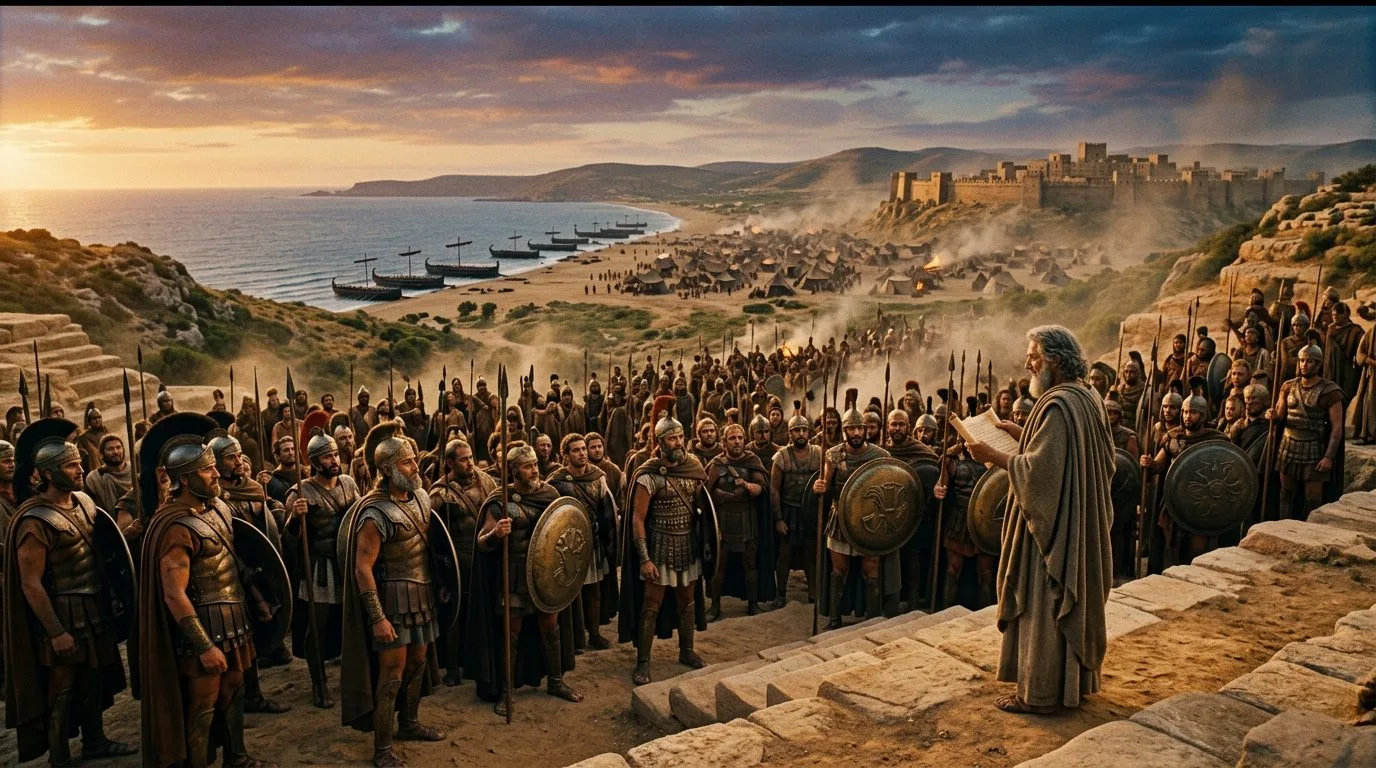
Homer’s Iliad
Composed around 750 BCE, the Iliad’s 15,693 lines didn’t just entertain ancient Greeks—they taught them how to be Greek. Every schoolboy memorized passages about Achilles’ rage and Hector’s death, learning honor codes that would govern behavior for centuries. Alexander the Great slept with a copy under his pillow and believed himself descended from the poem’s heroes. Athens required public recitations every four years at the Panathenaic festival, turning Homer into civic curriculum. The poem preserved a Bronze Age world that had collapsed four centuries before Homer sang it, keeping memory of Mycenaean civilization alive through a dark age. Greek colonists carried the Iliad to settlements from Spain to the Black Sea, using shared verses to maintain cultural unity across thousands of miles. No other poem has shaped Western literature more profoundly.
Source: britannica.com
3. The Odyssey: Navigation Guide Disguised as Adventure Tale
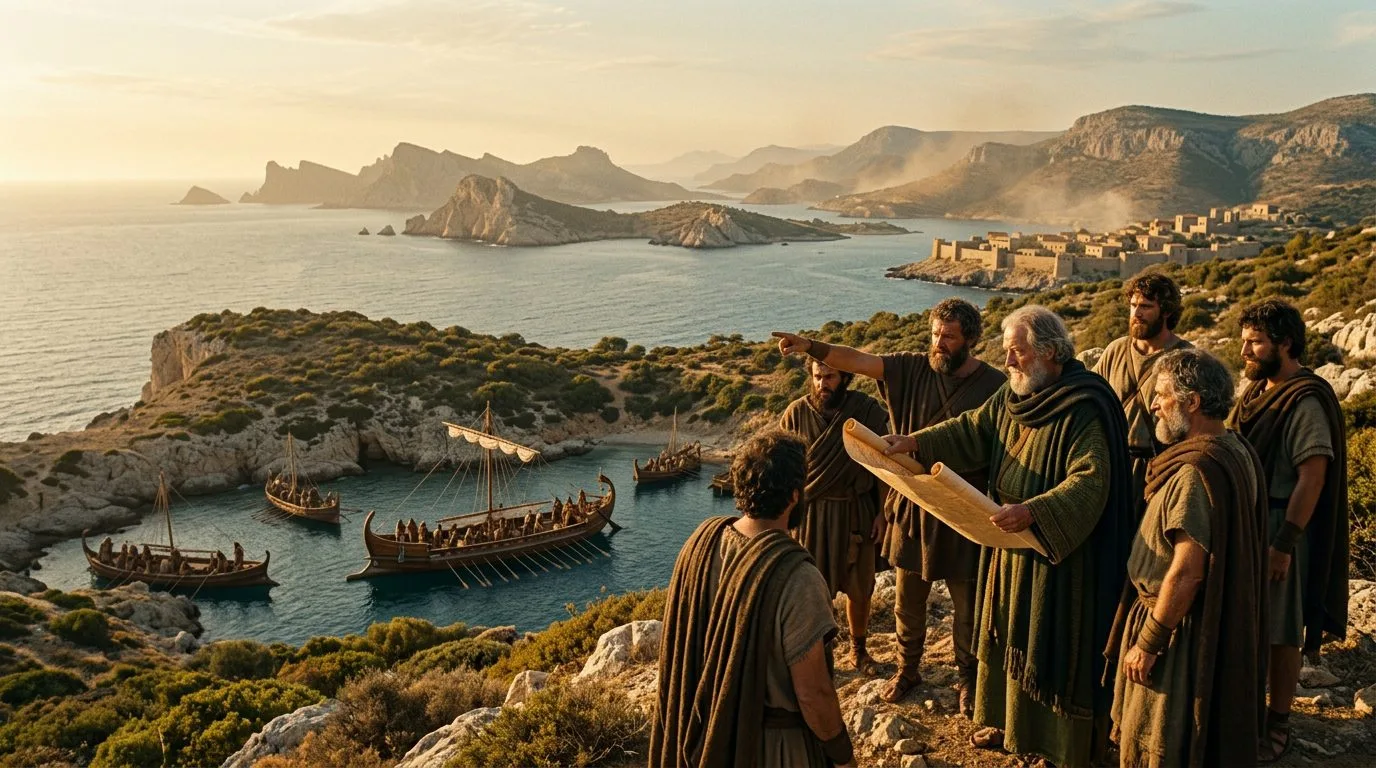
The Odyssey
Homer’s second epic, composed around 725 BCE, functioned as a practical sailing manual wrapped in monster stories and divine intervention. The poem’s detailed descriptions of Mediterranean coastlines, currents, and landmarks helped Greek sailors navigate for centuries—Odysseus’s journey encoded real maritime knowledge. Ancient Greeks established colonies at locations matching the poem’s geography, from Sicily to the Black Sea, using verses as exploration maps. The narrative’s 12,109 lines took approximately 20 hours to perform completely, typically spread across multiple evenings at symposia. Unlike the martial Iliad, the Odyssey celebrated cunning over strength, offering Greeks an alternative model of heroism through Odysseus’s intelligence. Roman generals quoted it, Byzantine scholars preserved it, and Renaissance humanists rebuilt Western education around it. The poem influenced navigation technology development as much as it did literature.
Source: britannica.com
4. The Mahabharata: Longest Poem Ever Written Changed India Forever
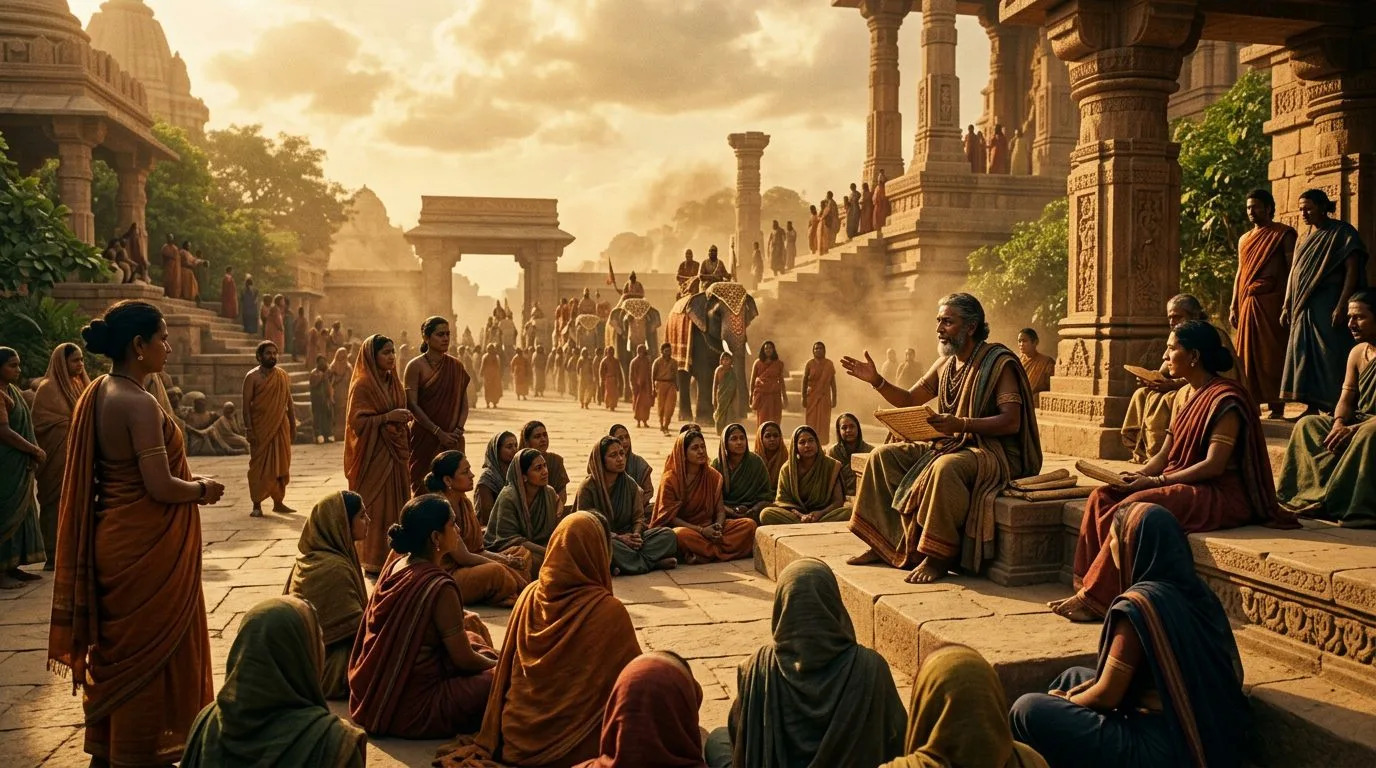
The Mahabharata
Compiled between 400 BCE and 400 CE, this Sanskrit epic contains approximately 100,000 verses—seven times longer than the Iliad and Odyssey combined. The Mahabharata wasn’t merely entertainment but living scripture that governed law, ethics, and statecraft across the Indian subcontinent. The Bhagavad Gita, embedded within the larger poem, provided philosophical justification for duty that influenced everyone from ancient warriors to Mahatma Gandhi two millennia later. Regional kingdoms commissioned elaborate performances lasting weeks, with professional reciters (suta) maintaining oral traditions before Sanskrit texts standardized the narrative. The poem’s Kurukshetra War, possibly based on real Bronze Age conflicts around 900 BCE, became the lens through which Indians understood dharma, karma, and cosmic justice. Javanese, Thai, and Cambodian cultures adapted it, spreading Indian civilization across Southeast Asia without military conquest.
Source: britannica.com
5. The Book of Songs: China’s Peasant Voices Became Imperial Canon
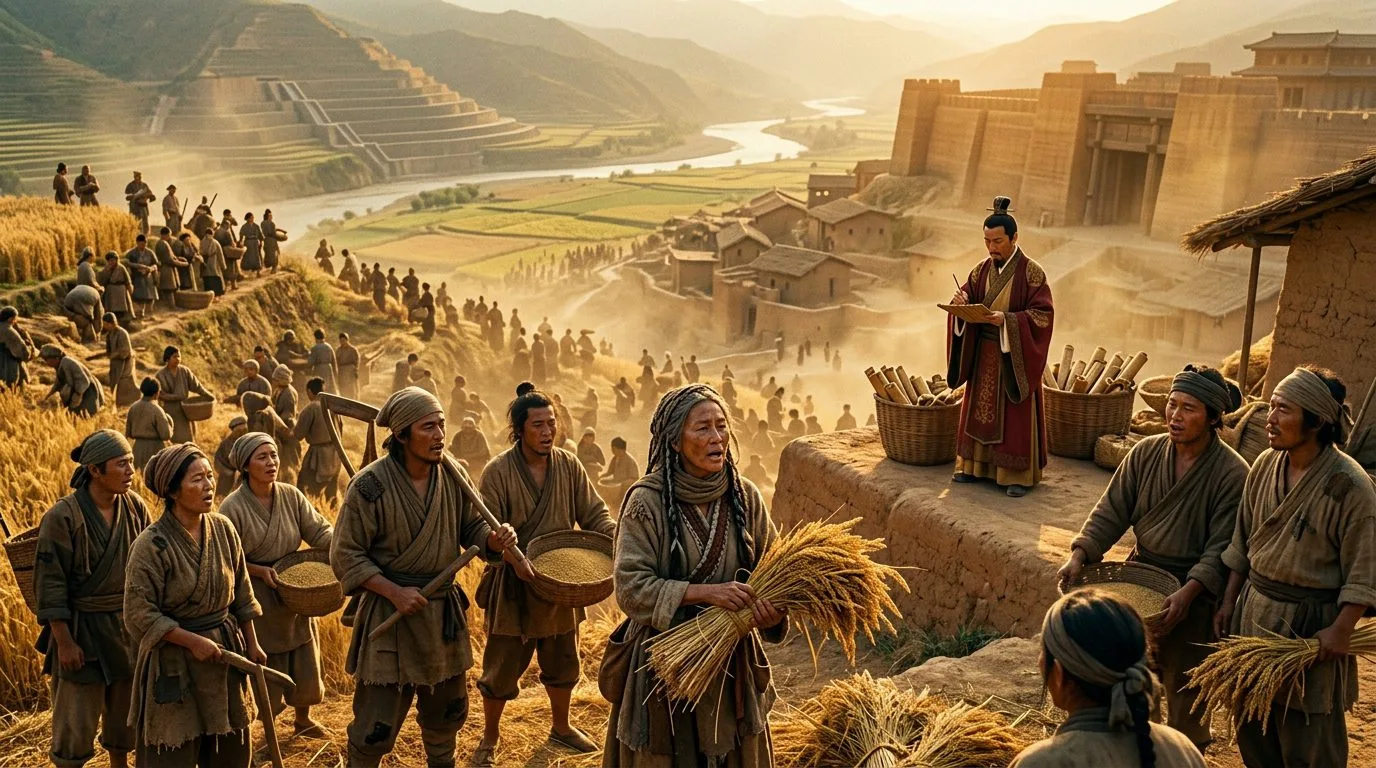
The Book of Songs
Compiled around 600 BCE, the Shijing collected 305 poems from across China’s Zhou Dynasty, including folk songs sung by farmers, workers, and soldiers. What made this revolutionary was Confucius’s decision to canonize peasant poetry as essential education for aristocrats and officials. For over 2,000 years, passing China’s imperial examinations required memorizing and analyzing these verses—a rice farmer’s love song could determine who governed provinces. The poems preserved Zhou Dynasty pronunciation, becoming a linguistic time capsule that helped scholars reconstruct ancient Chinese sounds. Emperors quoted the Shijing to legitimize policies, claiming alignment with ancestral wisdom embedded in the verses. The collection influenced Japanese, Korean, and Vietnamese court poetry, spreading Chinese cultural values across East Asia. No other anthology has remained required reading for government officials across 26 consecutive centuries.
Source: britannica.com
6. Enuma Elish: The Creation Epic That Crowned Kings
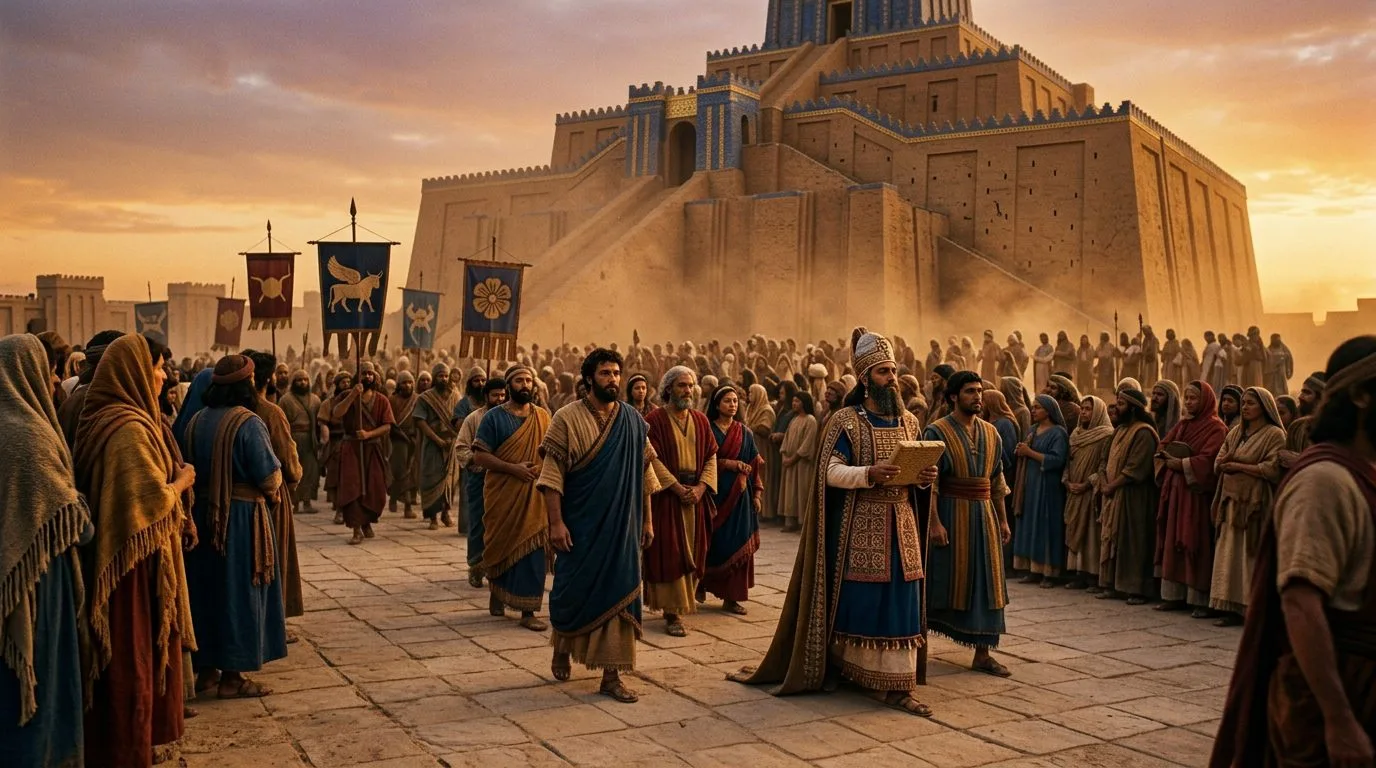
Enuma Elish: The Creation Epic That Crowned Kings
Composed around 1200 BCE in Babylon, this seven-tablet creation epic served as coronation liturgy and political propaganda simultaneously. Every Babylonian New Year festival required priests to recite all 1,000 lines before the king, ritually renewing cosmic order and royal authority. The poem justified Babylon’s supremacy by depicting their patron god Marduk defeating chaos itself, then creating the world from a slain goddess’s corpse. This wasn’t abstract theology—Marduk’s 50 names listed in Tablet VII corresponded to Babylon’s political dominance over 50 conquered cities. The epic influenced Hebrew Genesis, though reversing its polytheistic framework into monotheism. Assyrian kings later adapted the poem, replacing Marduk with their god Ashur to legitimize different imperial capitals. The poem essentially argued that whoever controlled Babylon controlled creation itself.
Source: britannica.com
7. Sappho’s Fragments: Nine Lines That Invented Romance
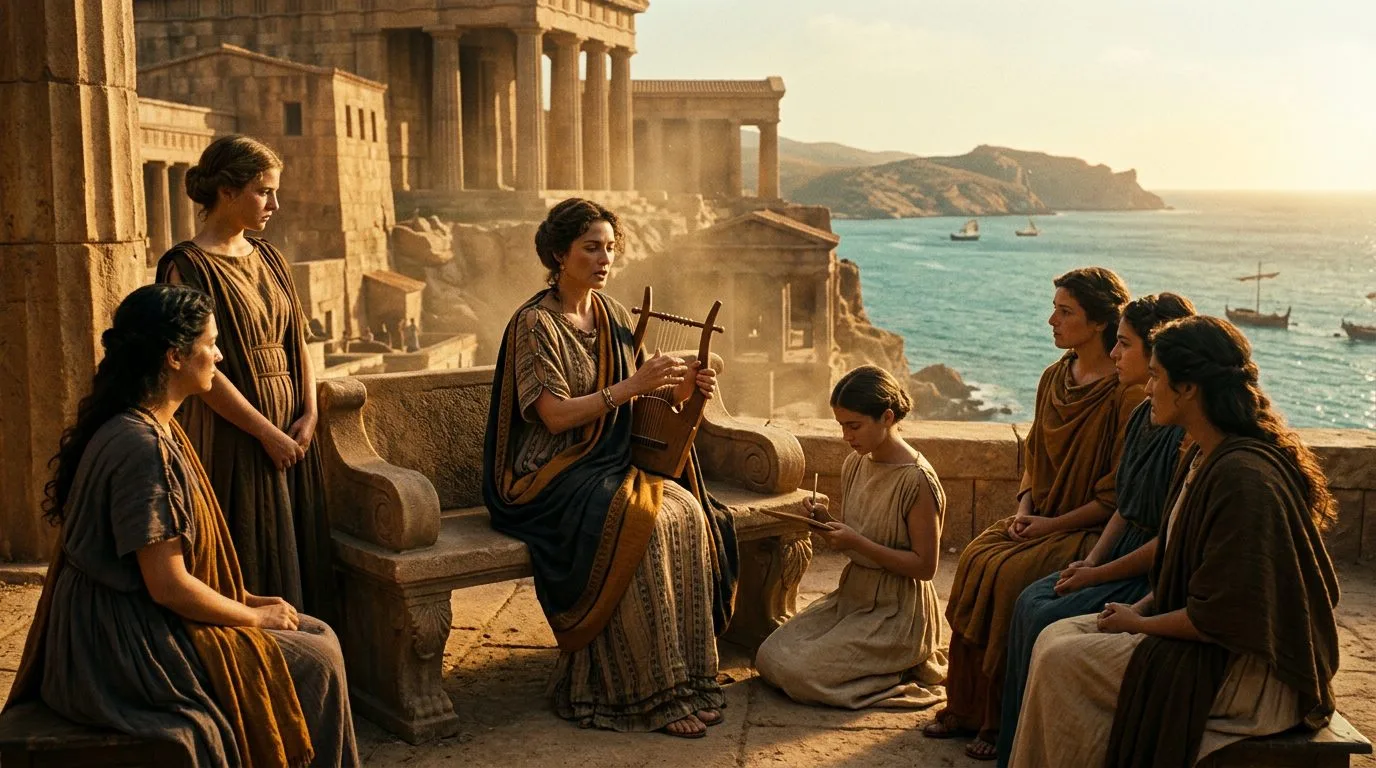
Sappho’s Fragments
Around 600 BCE on the island of Lesbos, Sappho composed lyric poetry so revolutionary that only one complete poem and roughly 200 fragments survive—the rest destroyed by disapproving medieval monks. What remains changed Western love poetry forever. Her direct, first-person descriptions of desire influenced everyone from Catullus to modern songwriters, creating the template for expressing romantic longing. Ancient Greeks considered her the equal of Homer, with Plato calling her the “tenth Muse.” She ran a thiasos, an educational community for young women, and her poems preserved rare glimpses of female education and same-sex affection in antiquity. The fragments appeared on Egyptian garbage dumps in the nineteenth century, written on papyrus scraps used to wrap mummies—ancient recycling preserved what official archives destroyed. Just nine lines of “Ode to Aphrodite” demonstrate more emotional precision than most poets achieve in entire volumes.
Source: britannica.com
8. The Tale of the Heike: The Epic That Shaped Samurai Culture
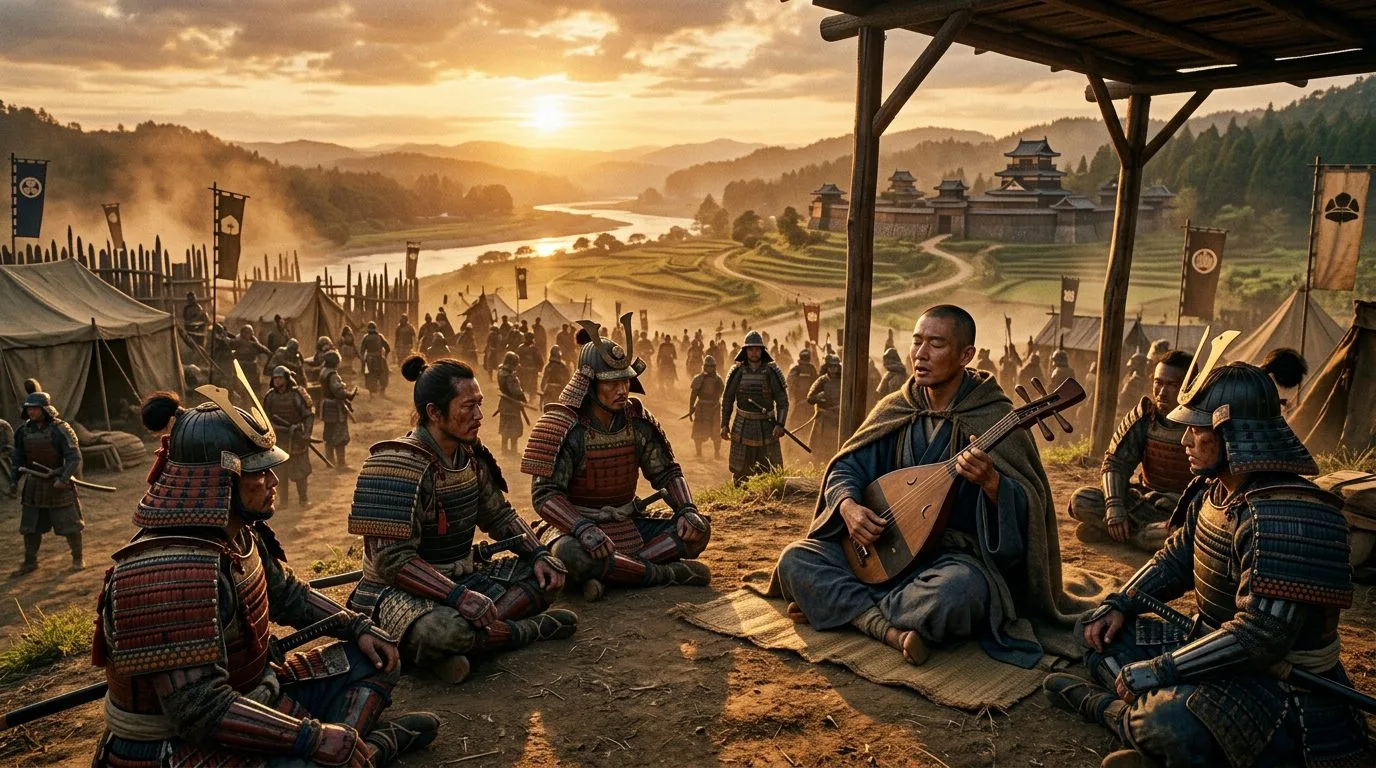
The Tale of the Heike
Composed around 1330 CE, this epic chronicled the catastrophic Genpei War between the Taira and Minamoto clans that reshaped Japan between 1180 and 1185. Blind Buddhist monks called biwa hōshi chanted the 200,000-character narrative across Japan for centuries, accompanied by lutes, turning history into performance art. The poem didn’t merely record samurai battles—it created the bushido code that would govern warrior behavior until the late nineteenth century. The opening lines about impermanence became Japan’s most quoted passage, embedding Buddhist philosophy into military culture. Every major samurai clan claimed descent from characters in the epic, using it to legitimize political power. The narrative’s tragic hero Yoshitsune became Japan’s most celebrated figure, inspiring more plays, novels, and films than any historical person. The poem essentially wrote the script for being Japanese.
Source: britannica.com
9. Virgil’s Aeneid: The Poem That Built an Empire’s Soul
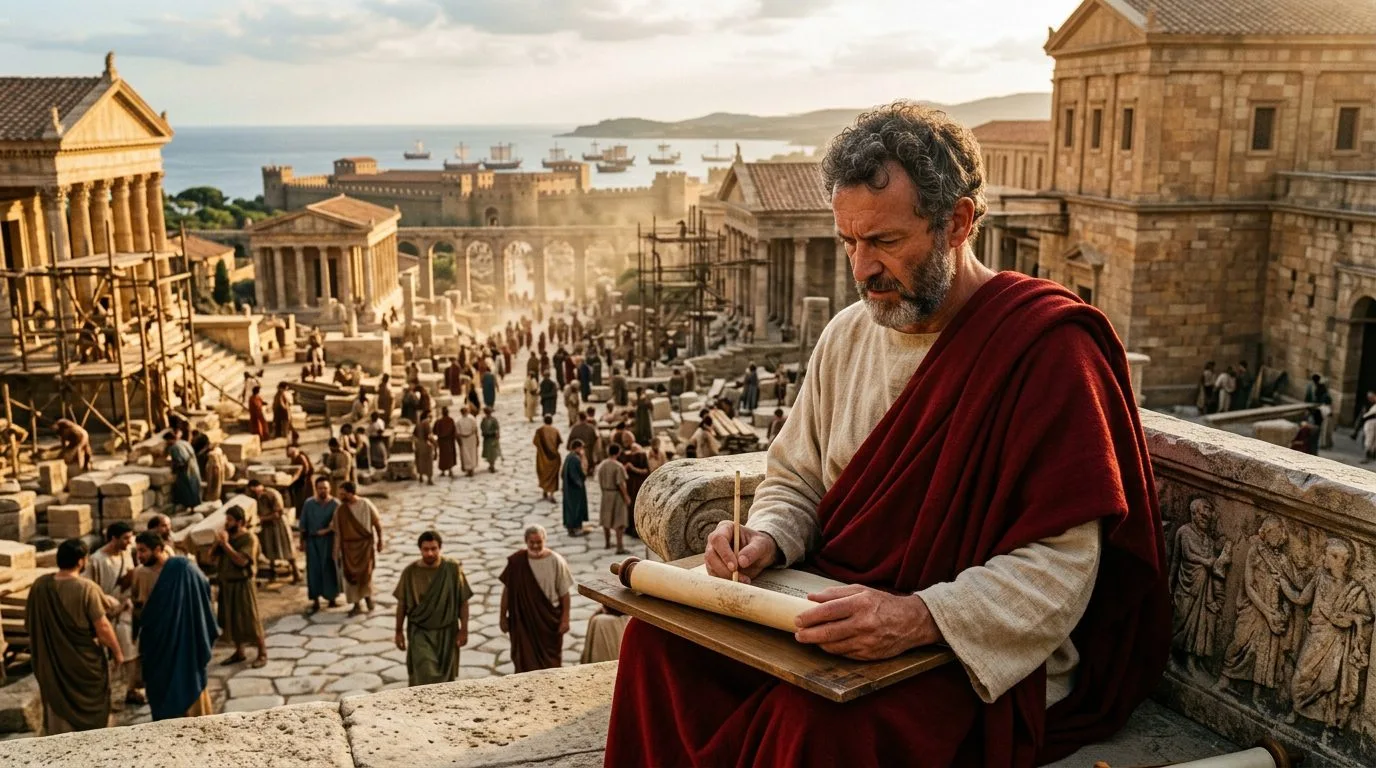
Virgil’s Aeneid
Between 29 and 19 BCE, Virgil crafted 9,896 lines connecting Rome’s brutal present to Troy’s glorious past, giving Augustus Caesar the origin myth he desperately needed. The Aeneid argued that Roman conquest wasn’t imperialism but destiny—pius Aeneas fleeing burning Troy to found a new civilization justified every subsequent war. Virgil died before finishing, requesting the manuscript be burned, but Augustus overruled him and published it anyway. Within decades, the poem became required reading in schools across the empire, teaching children that sacrifice for Rome’s glory was life’s highest purpose. Medieval Christians reinterpreted Aeneas’s journey as allegory for the soul’s path to God, keeping the poem alive through Rome’s collapse. Dante chose Virgil as his guide through Hell and Purgatory, cementing the Aeneid’s authority for another millennium. Without this poem, there’s no Dante, no Renaissance, no Western canon.
Source: britannica.com
10. The Rubaiyat: Quatrains That Challenged Islamic Orthodoxy
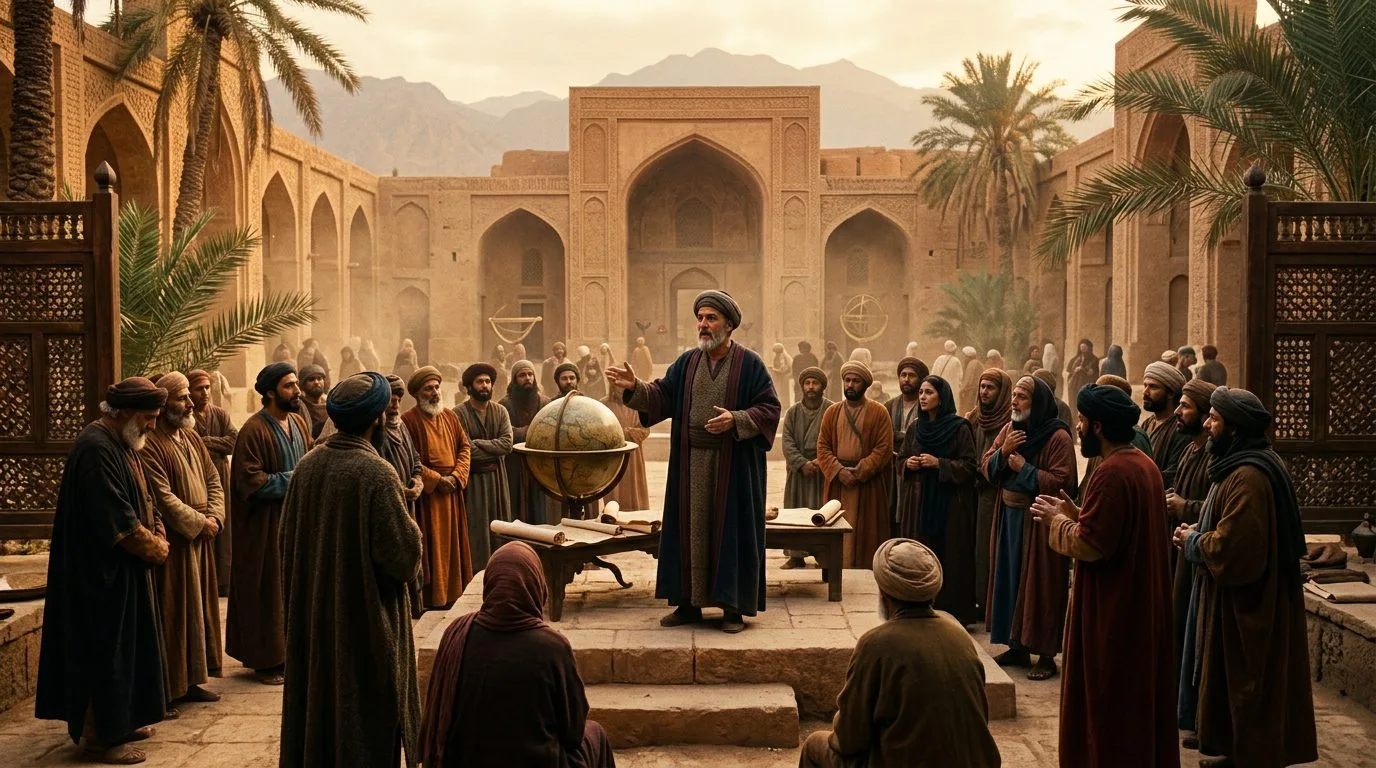
The Rubaiyat
Omar Khayyam, a mathematician and astronomer in eleventh-century Persia, composed roughly 1,000 quatrains questioning religious authority, mocking afterlife promises, and celebrating wine and mortality. These weren’t drunken musings—Khayyam calculated the year’s length to within seconds and reformed the Persian calendar in 1079 while writing poetry that undermined the very religious structures funding his research. The verses spread through Sufi circles as coded mysticism, allowing heretical ideas to survive in metaphorical dress. When Edward FitzGerald translated 75 quatrains into English in the mid-nineteenth century, Victorian Britain—drowning in industrial grimness—embraced Khayyam’s carpe diem philosophy with shocking fervor. The translation sold millions, influencing everyone from the Pre-Raphaelites to the hippie movement. Ironically, the medieval Persian mathematician became the poet of Western hedonism, proving that poetry can mean whatever civilization needs it to mean.
Source: britannica.com
Did You Know?
Did You Know? The Epic of Gilgamesh survived 4,000 years buried in Iraqi sand, only to have several tablets destroyed during modern warfare—meaning we lost ancient poetry to contemporary conflict. Even more ironic: Omar Khayyam’s Rubaiyat became wildly popular in the West partly because Victorian translators softened his atheistic edges, creating a sanitized version that contradicted the original’s defiant skepticism. These poems moved civilizations precisely because each generation rewrote their meanings to suit contemporary needs, proving that ancient words matter less than what we convince ourselves they say.