
Long before CAD software and steel cranes, ancient engineers accomplished feats that still puzzle modern experts. From water systems that ran for centuries to structures that have survived millennia, these 10 builders defied the limits of their time.
1. Imhotep Built the First Pyramid Using Pure Innovation
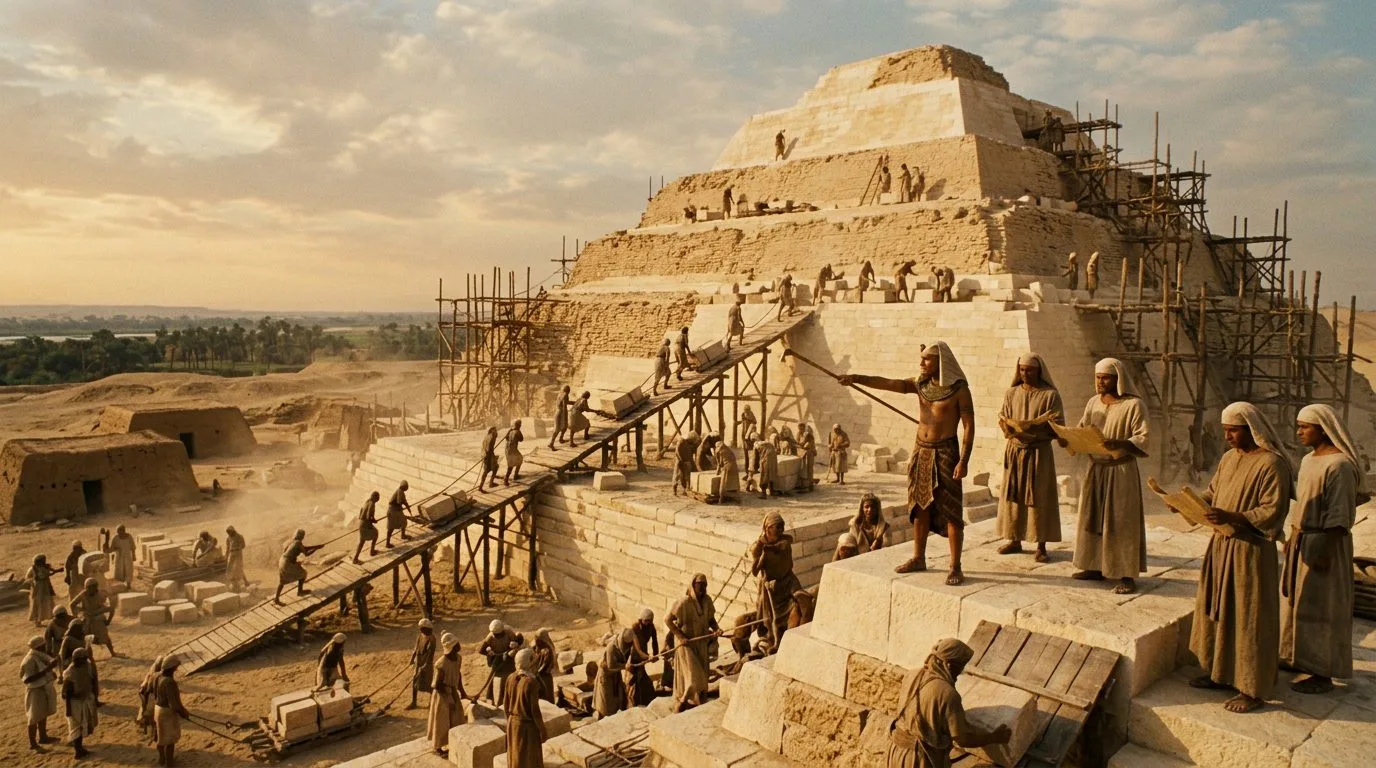
Ancient Egypt’s architectural genius Imhotep.
Imhotep transformed Egyptian architecture around 2630 BCE by stacking six mastabas to create the Step Pyramid at Saqqara, the world’s first large-scale stone monument. This physician-turned-architect invented the technique of using cut limestone blocks instead of mud bricks, creating a structure 62 meters tall that still stands today. He calculated weight distribution without modern mathematics, pioneering construction methods that would define pyramid building for 800 years. The Greeks later deified him as the god of medicine and wisdom, recognizing genius that bridged multiple disciplines.
Source: britannica.com
2. Eupalinos Carved a Tunnel Through a Mountain From Both Ends
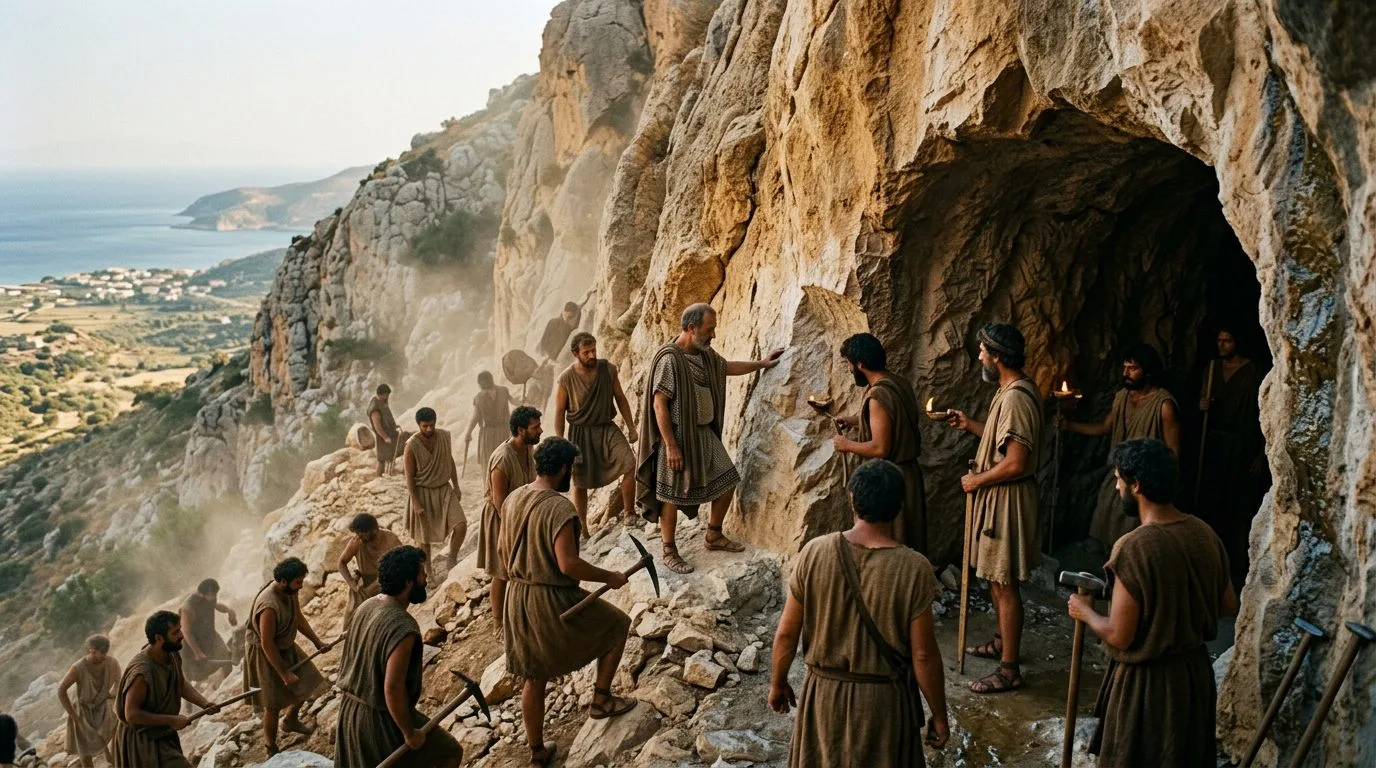
Ancient Greek engineering marvel from Samos.
In 530 BCE, engineer Eupalinos of Megara accomplished the impossible on the island of Samos: digging a 1,036-meter tunnel through Mount Kastro from opposite sides that met in the middle with less than 1 meter of error. Working without GPS or laser levels, he used only basic geometry and leveling instruments to calculate the precise angle and elevation. Two teams dug simultaneously for a decade, creating an aqueduct that supplied water to the city for 1,000 years. Modern engineers call this the greatest surveying achievement of antiquity.
Source: smithsonianmag.com
3. Chersiphron Moved 300-Ton Columns Across Miles of Sand
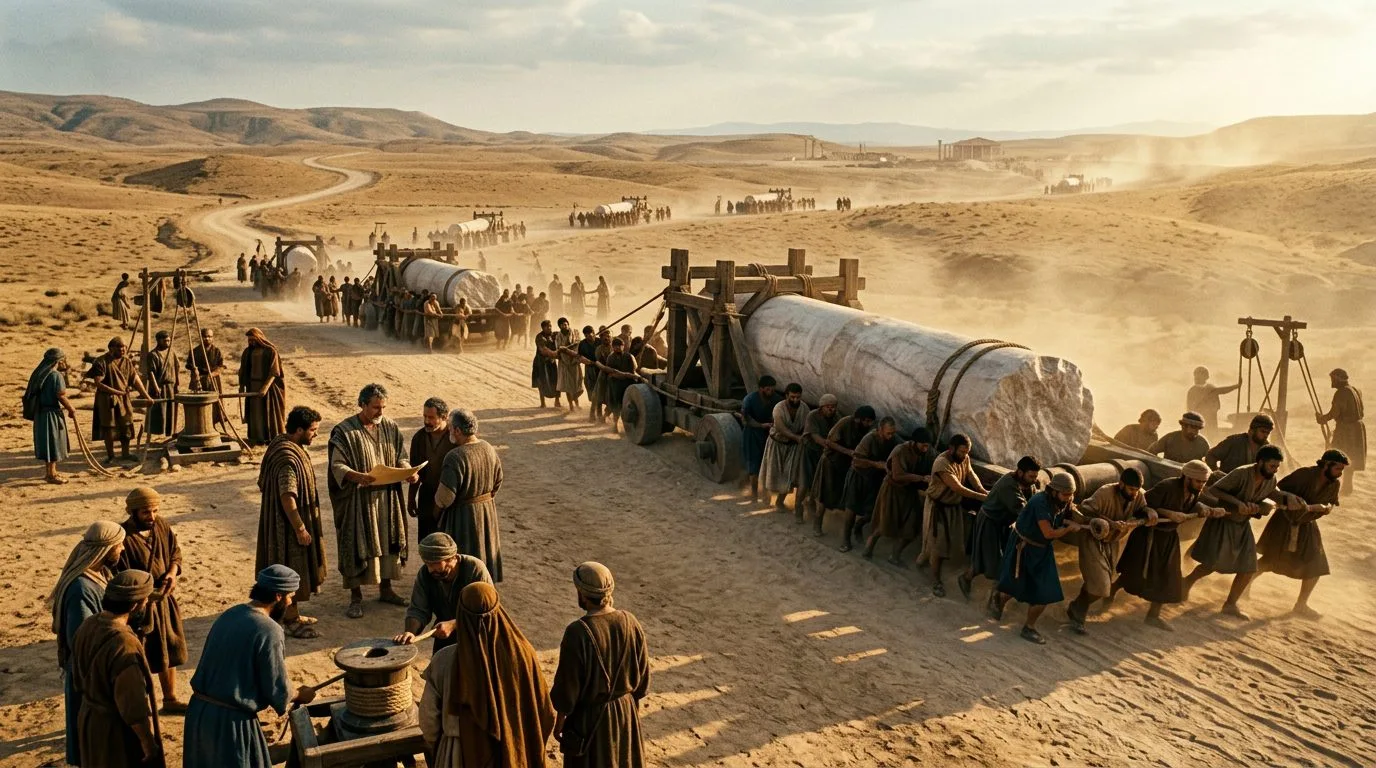
Chersiphron Moved 300-Ton Columns Across Miles of Sand
Architect Chersiphron faced a brutal challenge around 550 BCE: transporting massive marble columns weighing over 300 tons each from quarries to the Temple of Artemis at Ephesus across soft ground that would swallow wheeled carts. His solution was ingenious—he encased the cylindrical columns in wooden frames, creating giant rolling cylinders pulled by oxen. For the rectangular architraves, he built enormous wooden wheels at each end, essentially making the stone beams into axles. His son Metagenes later improved the system, and their temple became one of the Seven Wonders of the Ancient World.
Source: britannica.com
4. Sostratus of Cnidus Erected a 134-Meter Lighthouse That Lasted 1,500 Years
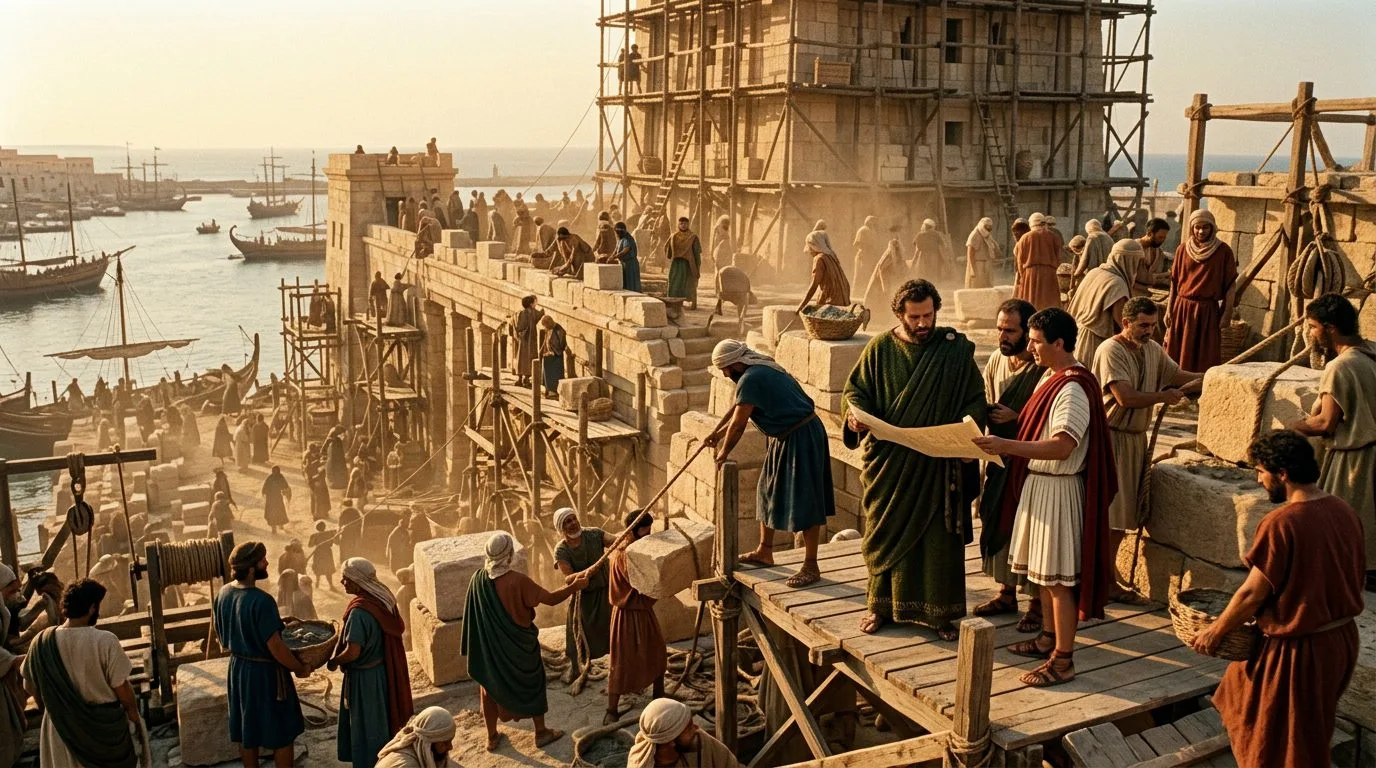
Sostratus of Cnidus Erected a 134-Meter Lighthouse That Lasted 1,500 Years
Sostratus designed the Pharos Lighthouse at Alexandria around 280 BCE, creating a three-tiered tower standing 134 meters tall that guided ships for over 1,500 years. He engineered a hydraulic system to lift fuel to the top level where a massive fire burned, visible 47 kilometers out to sea according to ancient accounts. The structure withstood countless earthquakes and storms using a foundation of glass blocks, which compressed evenly under the enormous weight. A polished bronze mirror reflected sunlight during the day, making it the world’s first dual-purpose navigational beacon.
Source: history.com
5. Ctesibius Invented the Water Clock That Ran for Centuries
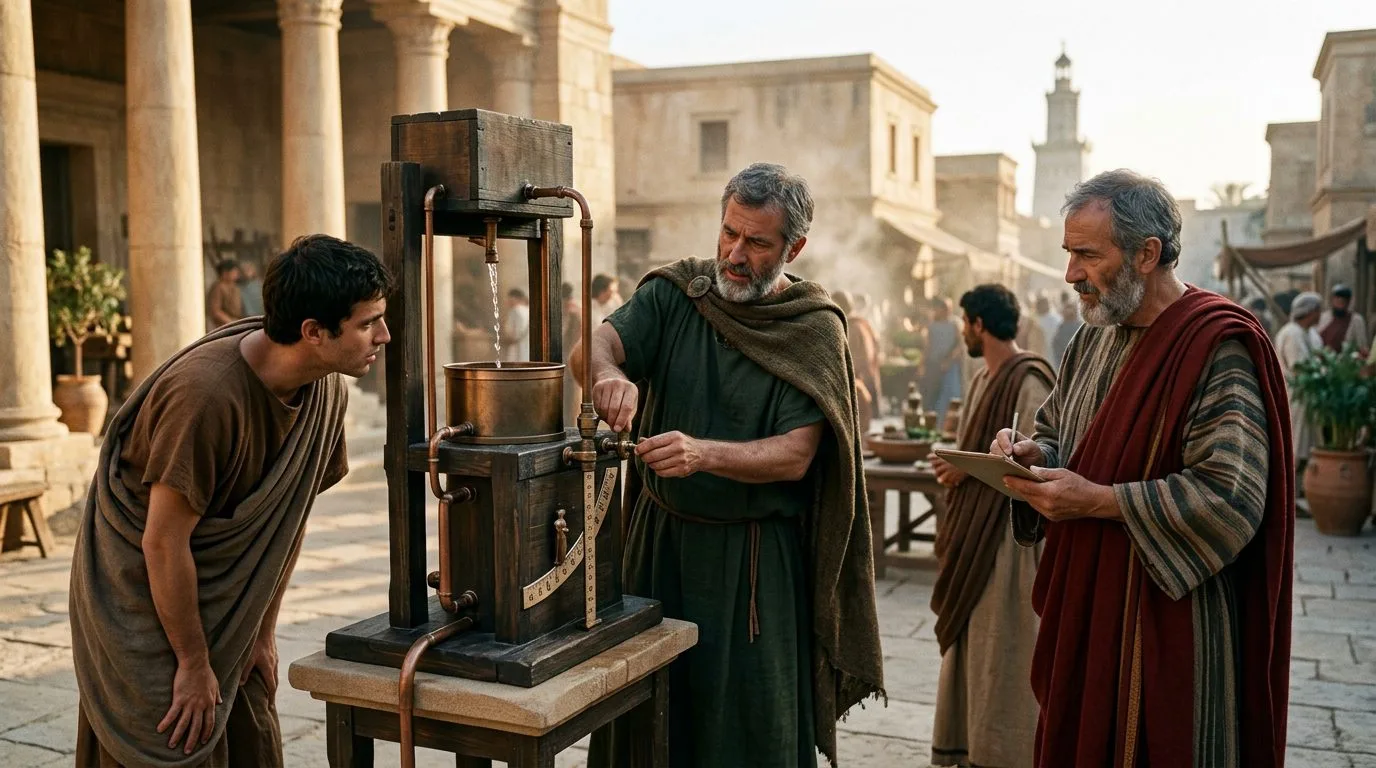
Ancient hydraulic engineering marvel.
In Alexandria around 270 BCE, Ctesibius of Alexandria created the clepsydra, a water clock so accurate it became the time standard for Mediterranean cities for 800 years. His device used a regulated water flow and a complex series of gears and floats to move pointers across a dial, compensating for seasonal changes in water pressure. He invented the principle of feedback control—if water flowed too fast, a float valve automatically reduced the intake. This barber’s son also created the first keyboard instrument, the hydraulis, using water pressure to regulate air flow through organ pipes.
Source: britannica.com
6. Apollodorus Built a Bridge Across the Danube Using Revolutionary Arches
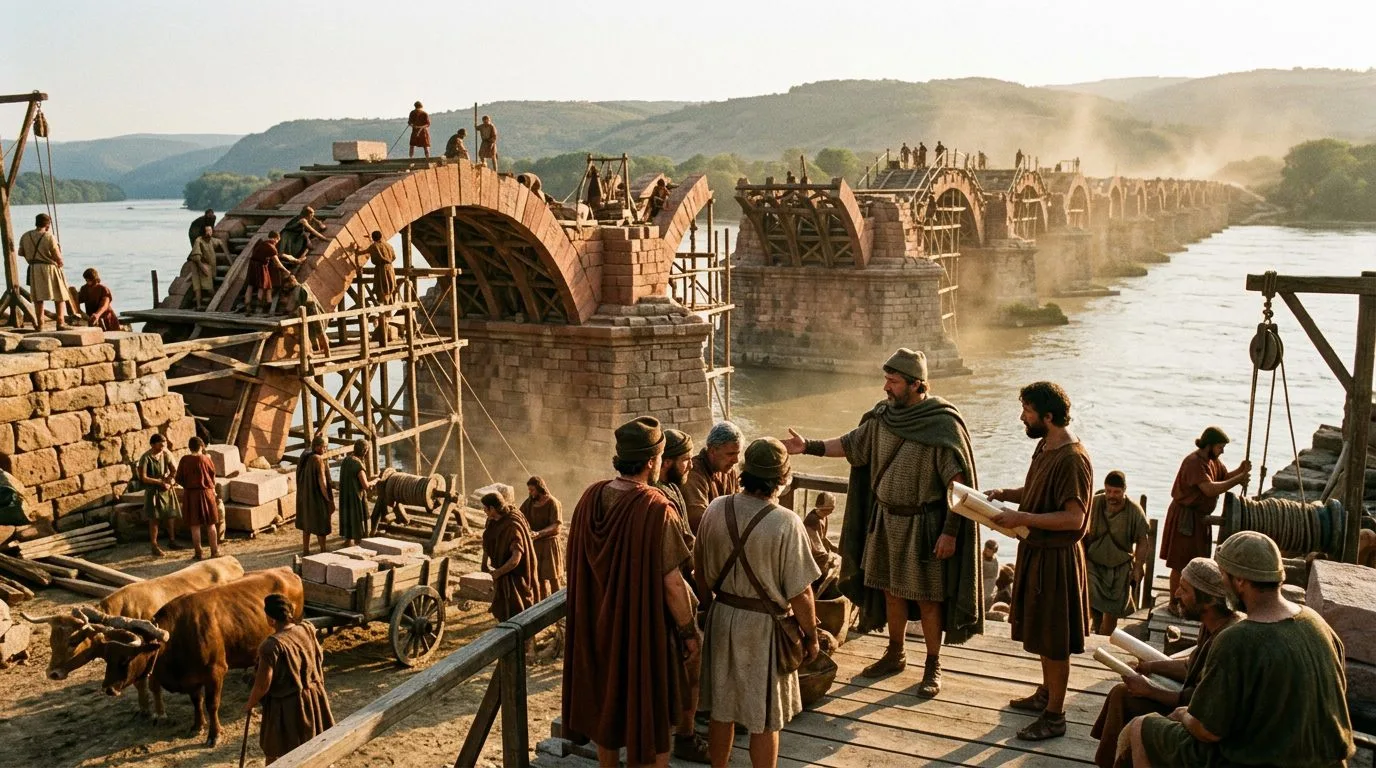
Trajan’s Bridge: Ancient Roman Engineering Marvel
Emperor Trajan’s engineer Apollodorus of Damascus constructed the longest arch bridge the ancient world had ever seen in 105 CE, spanning 1,135 meters across the Danube River. He sank 20 massive stone piers into the riverbed, each 18 meters tall and 20 meters wide, then crowned them with wooden arches. The bridge allowed Rome’s entire army to cross into Dacia in days rather than weeks, changing military logistics forever. Apollodorus calculated wind loads, water pressure, and ice damage with such precision that parts of the piers still stand in the riverbed today.
Source: smithsonianmag.com
7. Archimedes Created War Machines That Held Off Rome for Three Years
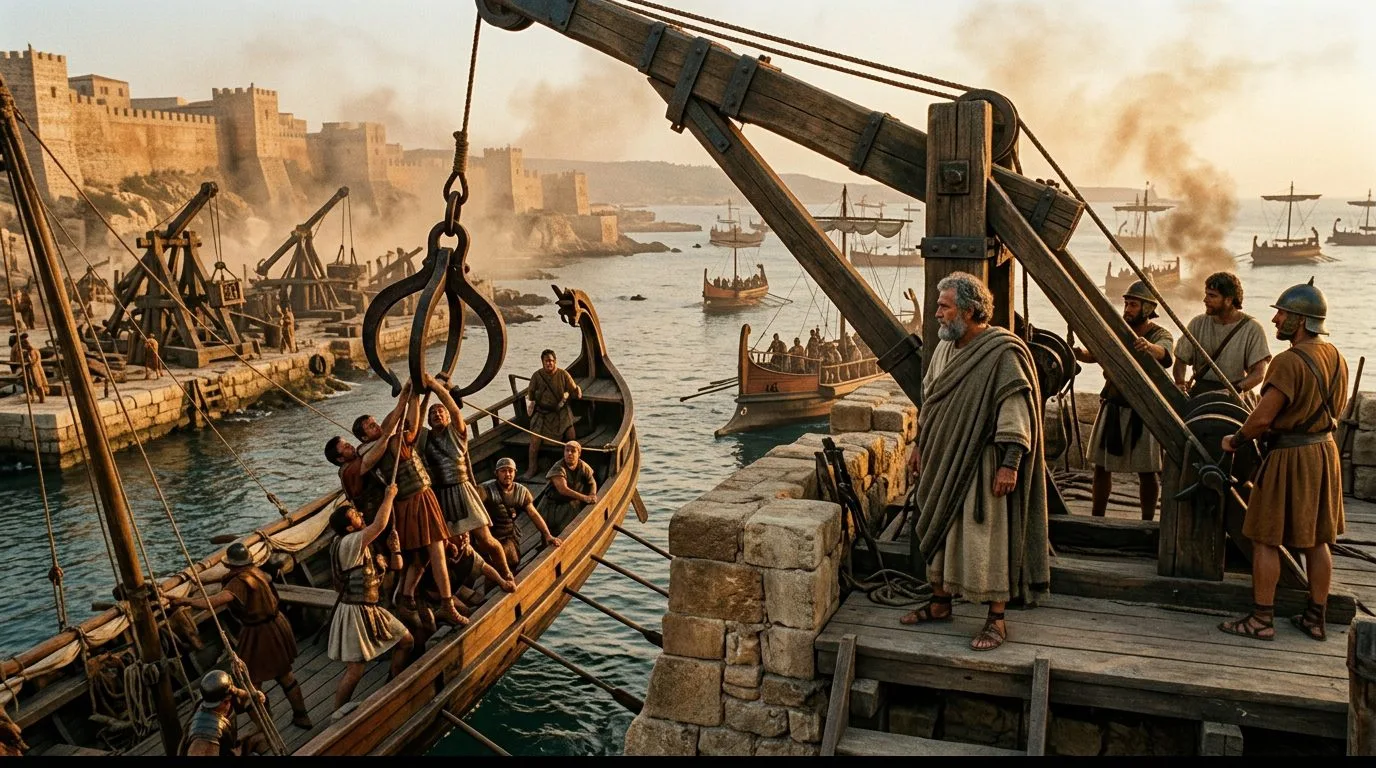
Ancient war machines designed by Archimedes.
When Rome besieged Syracuse in 213 BCE, mathematician Archimedes transformed into a military engineer, creating weapons that terrified the world’s greatest army. He built enormous cranes called the Claw of Archimedes that reached over city walls to grab ships, lift them vertically, then drop them to shatter their hulls. His compound pulley systems allowed a single man to move massive stones. Heat rays using polished bronze mirrors allegedly set Roman ships ablaze at 50 meters. His inventions delayed the city’s capture for three years despite Rome’s overwhelming numbers.
Source: britannica.com
8. Hero of Alexandria Built the First Steam Engine 1,700 Years Before the Industrial Revolution
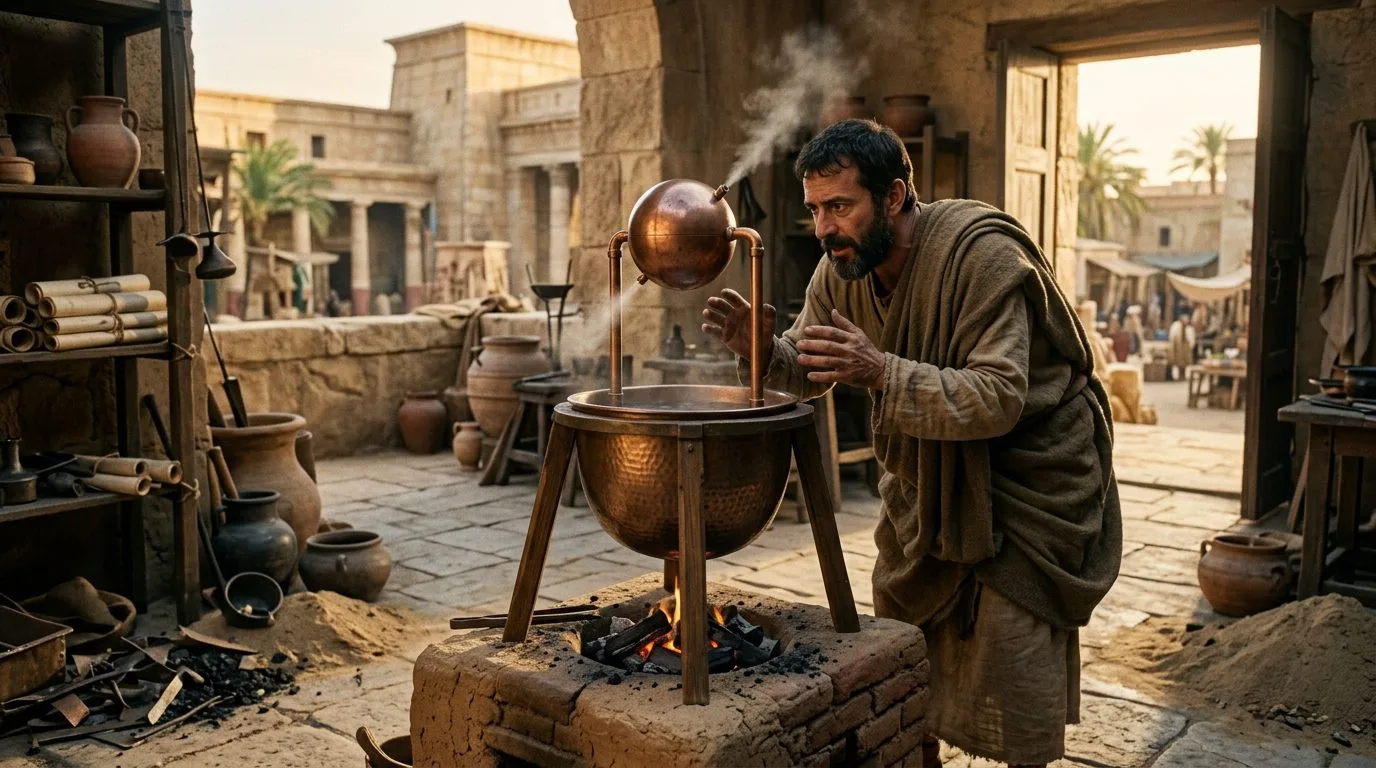
Hero of AlexandriaBuilt the First Steam Engine 1
Around 50 CE, Hero of Alexandria invented the aeolipile, a hollow sphere that spun when steam escaped from bent tubes, creating the principle of jet propulsion and steam power 17 centuries before Watt. He designed automatic temple doors that opened when priests lit altar fires, using heated air to push water that pulled ropes through a counterweight system. His programmable cart used dropping weights and wound strings to follow predetermined paths, essentially creating the first robot. He wrote treatises describing 80 different devices, from the first vending machine to a wind-powered organ.
Source: history.com
9. Hemiunu Engineered the Great Pyramid With 0.05 Degree Accuracy
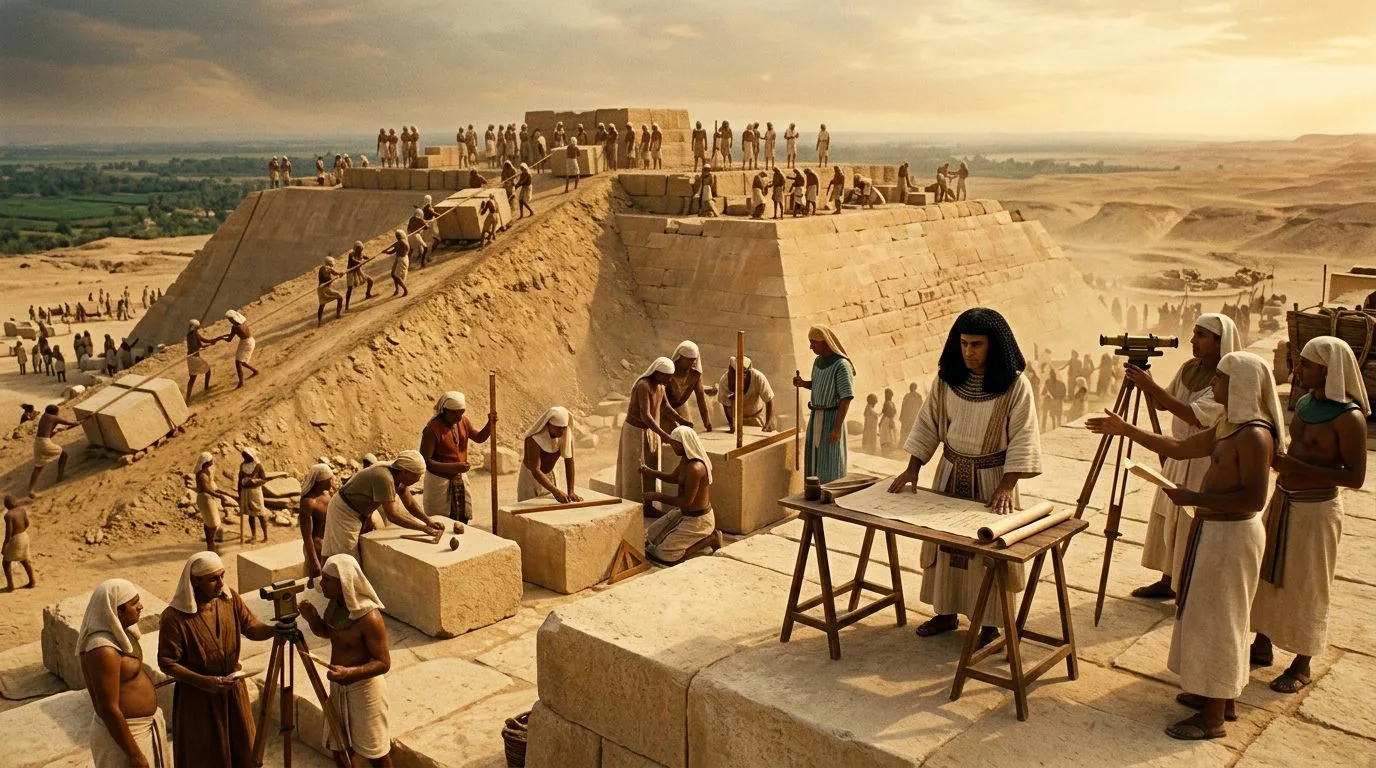
Hemiunu Engineered the Great Pyramid With 0.05 Degree Accuracy
Vizier Hemiunu directed the construction of the Great Pyramid at Giza around 2560 BCE, organizing 100,000 workers to place 2.3 million stone blocks averaging 2.5 tons each over 20 years. He aligned the pyramid’s sides to true north with an error of only 0.05 degrees using stellar observations and shadow measurements. The base is level to within 2 centimeters across 230 meters, an achievement that baffles modern surveyors. He calculated the pyramid’s weight distribution so precisely that despite containing 6 million tons of stone, the structure hasn’t settled unevenly in 4,500 years.
Source: smithsonianmag.com
10. Frontinus Created Rome’s Water System That Still Supplies the City
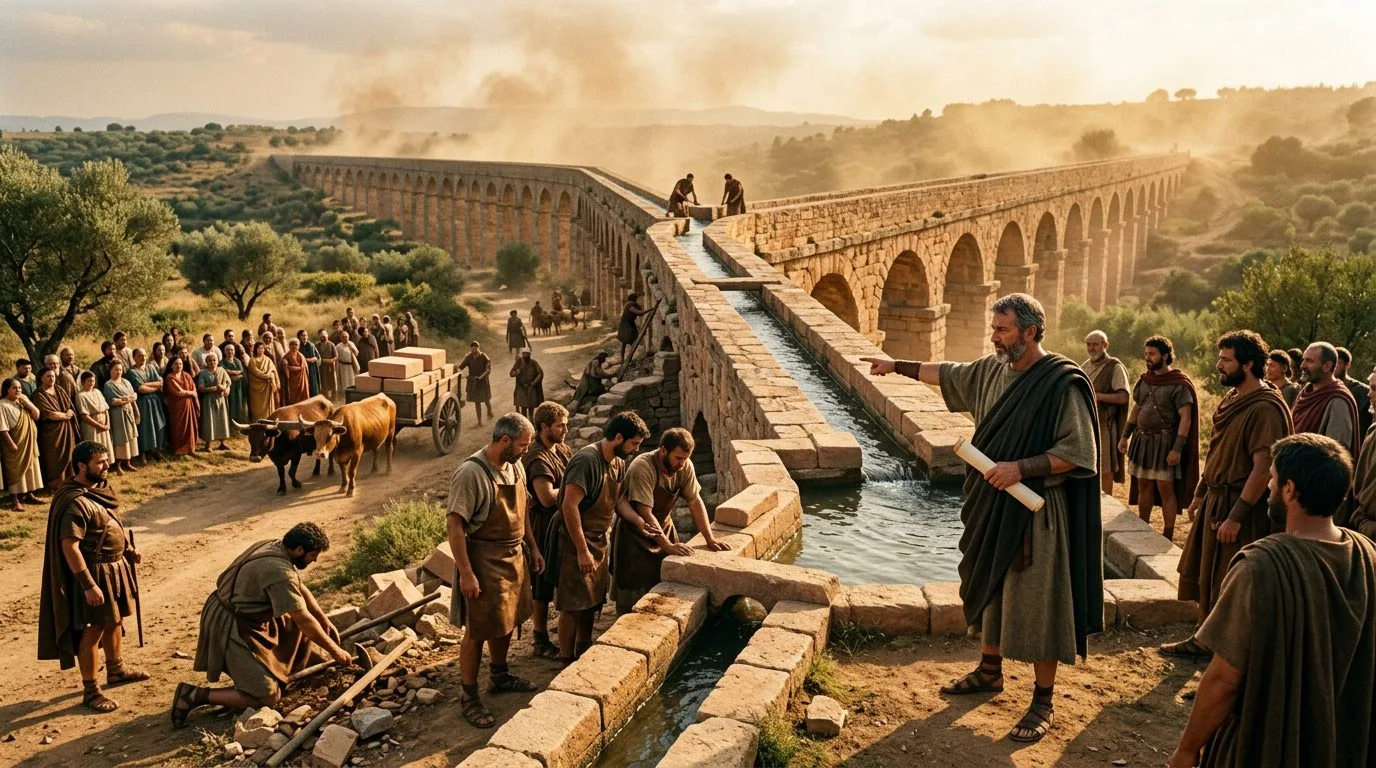
Ancient Roman aqueduct engineering marvel.
Sextus Julius Frontinus became Rome’s water commissioner in 97 CE and revolutionized the city’s nine aqueducts, which delivered 1 million cubic meters of water daily to a million residents. He wrote a technical manual detailing every pipe diameter, gradient calculation, and maintenance procedure, creating history’s first infrastructure documentation. His precise engineering maintained water flow using gravity alone across 500 kilometers of channels, with gradients calculated to 34 centimeters per kilometer. Parts of his aqueduct system still supply water to Rome’s fountains today, functioning perfectly after 1,900 years.
Source: britannica.com
Did You Know?
These engineers built monuments that outlasted empires using nothing but geometry, observation, and relentless innovation. Their achievements prove that brilliance needs no batteries—just vision bold enough to attempt the impossible.