
When we think of ancient Egyptian pharaohs, images of powerful male rulers typically come to mind—Tutankhamun’s golden mask, Ramesses II’s colossal statues, or Khufu’s Great Pyramid. Yet throughout Egypt’s 3,000-year dynastic period, several extraordinary women ascended to the throne, wielding the crook and flail with wisdom, strength, and political brilliance that rivaled any male counterpart. These women pharaohs didn’t simply serve as regents or consorts waiting in the shadows. They commissioned temples, led military campaigns, reformed religious practices, and expanded Egypt’s influence across the ancient world. Some ruled openly as kings, complete with false beards and masculine titles. Others navigated the treacherous waters of palace politics with cunning that would make Machiavelli envious. The stories of these remarkable rulers have been obscured by time, deliberate erasure by male successors, and centuries of archaeological oversight. Recent discoveries and reinterpretations of ancient evidence have brought these women back from the margins of history to their rightful place on Egypt’s throne. From the dawn of Egyptian civilization around 3000 BCE to Cleopatra’s dramatic end in 30 BCE, these ten brilliant women defied convention, shattered expectations, and proved that the double crown of Upper and Lower Egypt looked just as magnificent on a woman’s head.
1. Merneith: The First Dynasty’s Hidden Ruler
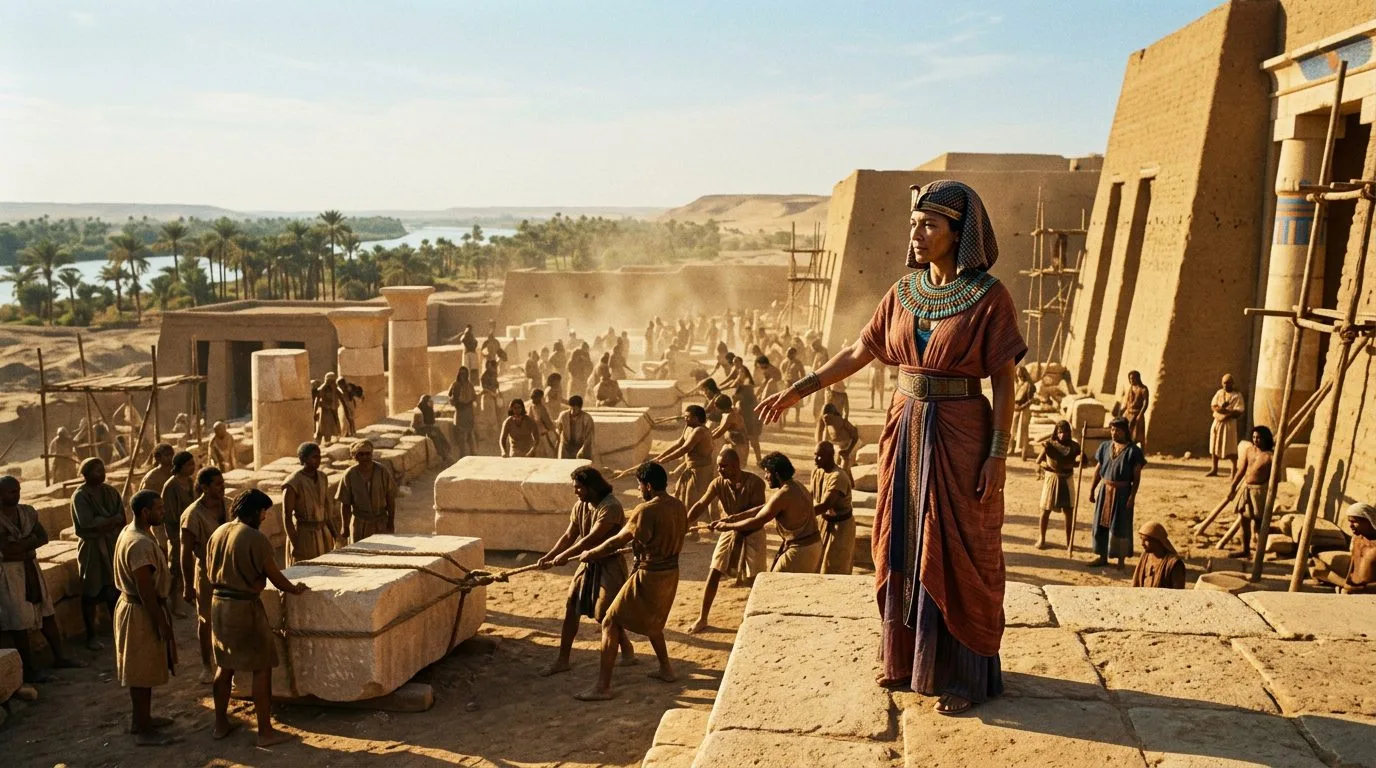
Merneith: The First Dynasty’s Hidden Ruler
Around 2950 BCE during Egypt’s First Dynasty, Merneith may have become the first female ruler of the Two Lands. Discovered by archaeologist Flinders Petrie in the nineteenth century, her Abydos tomb rivaled those of kings in size and grandeur, measuring roughly 19 by 16 meters and surrounded by 41 sacrificed retainers. Her name appeared on stone king lists, and remarkably, it was inscribed inside a serekh—the royal palace-façade symbol normally reserved for kings alone. This detail appeared on numerous clay seal impressions found at her tomb and Saqqara.
Merneith likely served as regent for her young son Den, but evidence suggests she wielded full pharaonic power. Her tomb goods included wine jars labeled with her name as sole ruler, not merely queen mother.
2. Sobekneferu: The Middle Kingdom’s Legitimate Queen-King
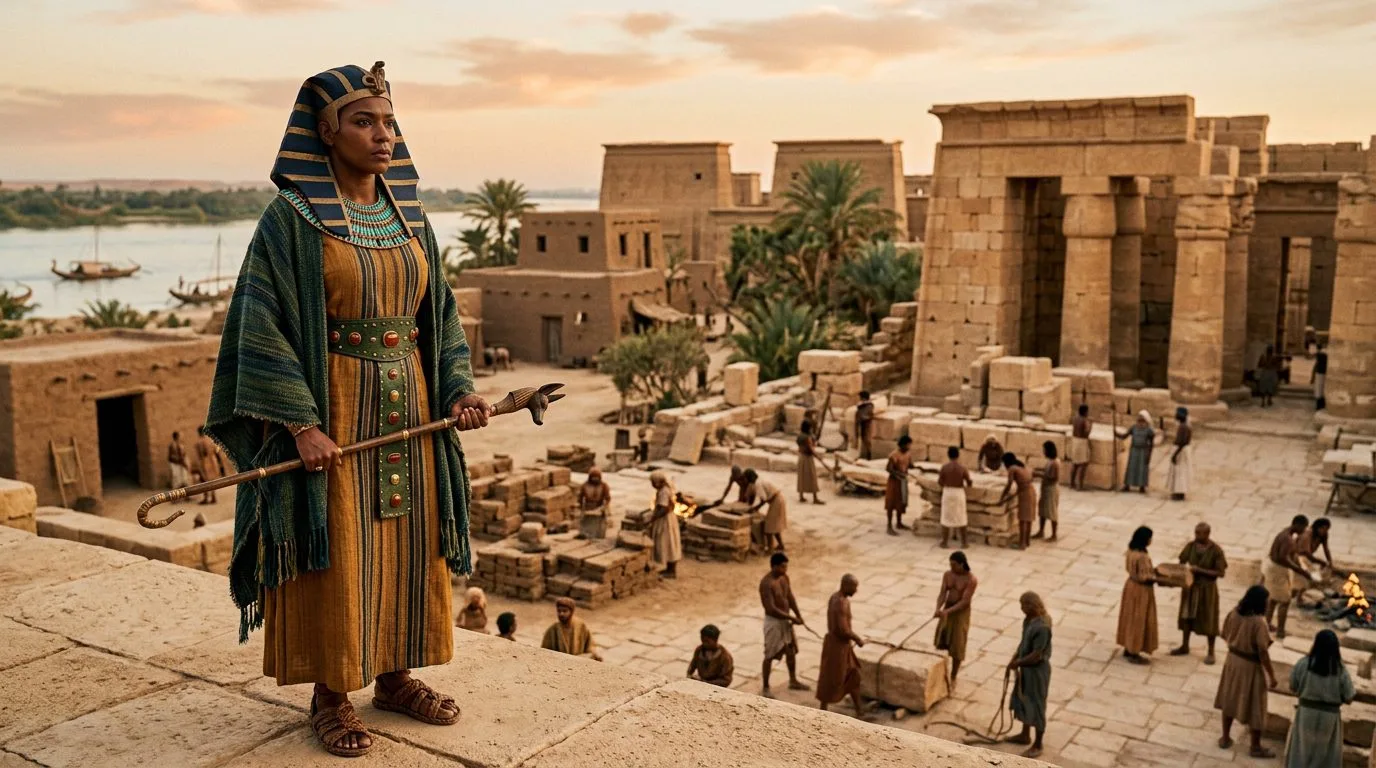
Sobekneferu
In 1806 BCE, Sobekneferu became Egypt’s first unambiguously confirmed female pharaoh, ruling for approximately four years as the last monarch of the Middle Kingdom’s golden age. Unlike earlier women who may have ruled, she adopted full royal titulary including all five names traditionally held by pharaohs—a revolutionary act requiring incredible political courage. Ancient historian Manetho specifically recorded her as a female king.
Sobekneferu faced an unprecedented challenge: legitimacy in a system built entirely around male kingship. Her solution was brilliant. Surviving statues show her wearing male and female regalia combined—the nemes headdress and royal kilt paired with a woman’s dress. This hybrid costume declared her dual nature: biologically female but politically male.
3. Hatshepsut: The King Who Declared Herself Male
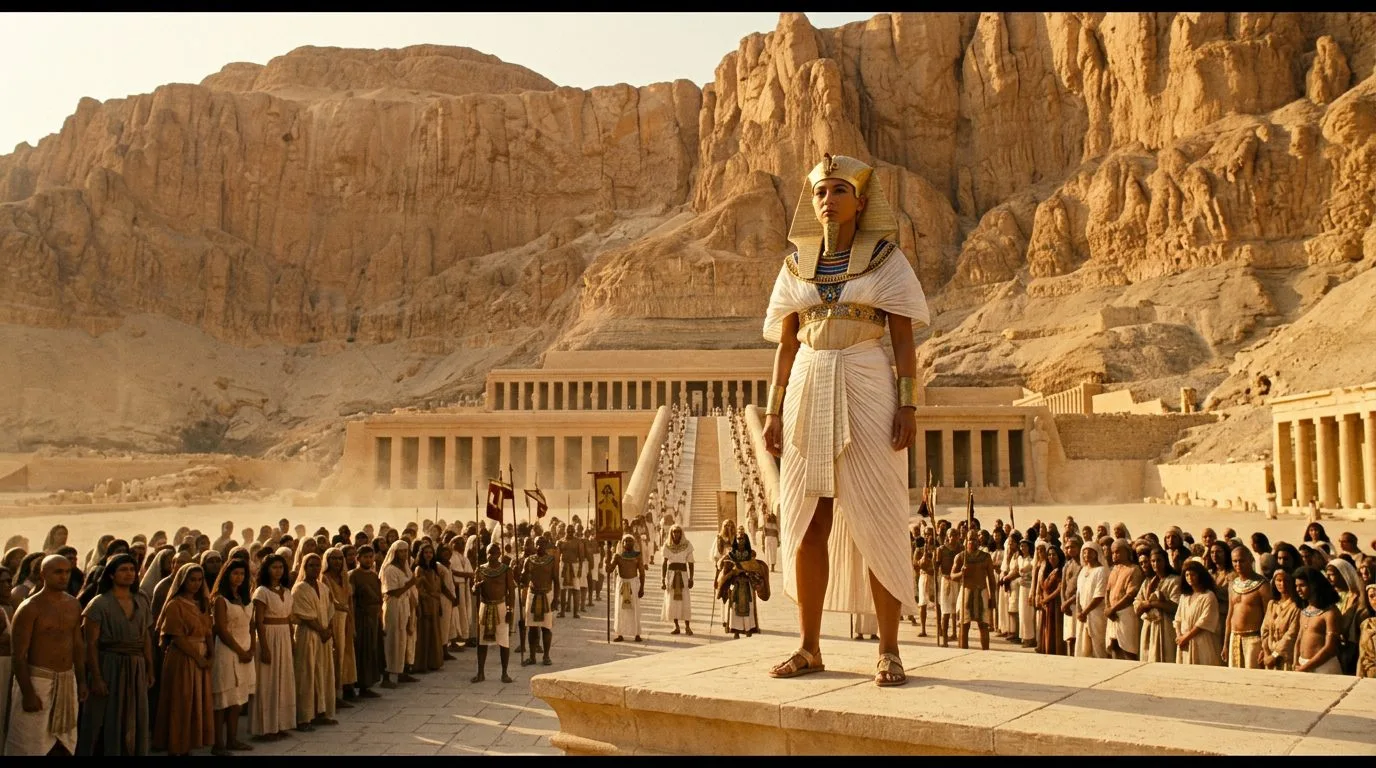
Hatshepsut: The King Who Declared Herself Male
Hatshepsut didn’t simply rule Egypt—she rewrote female kingship itself. Ascending to power around 1479 BCE as regent for her young stepson Thutmose III, she crowned herself pharaoh within seven years, ruling for over 20 years as one of Egypt’s most successful monarchs. What makes her extraordinary is how completely she adopted masculine kingship. Early statues showed her in women’s clothing, but later monuments depicted her bare-chested with a false beard and male body. She insisted she was male, claiming the god Amun as her true father.
Her mortuary temple at Deir el-Bahari, completed around 1458 BCE, remains one of ancient Egypt’s architectural masterpieces. This three-tiered limestone structure features colonnaded terraces with reliefs depicting her divine birth and a famous trading expedition to Punt around 1470 BCE, which brought back myrrh trees, ebony, ivory, and exotic animals.
4. Nefertiti: The Beautiful One Who May Have Ruled as Pharaoh
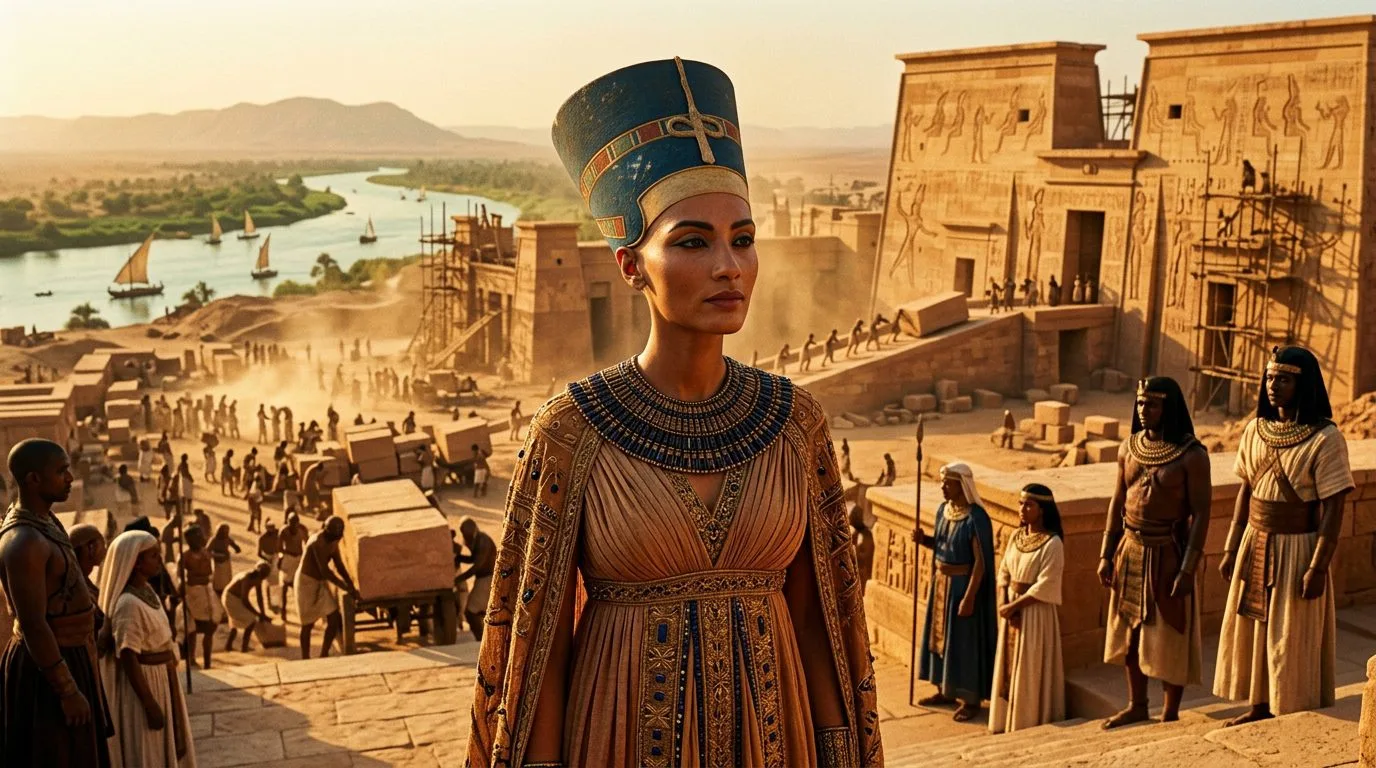
Nefertiti
The famous limestone bust of Nefertiti, created by sculptor Thutmose around 1345 BCE, reveals a woman of striking beauty—but beauty was merely her least accomplishment. As Great Royal Wife to heretic pharaoh Akhenaten during Egypt’s Amarna Period, Nefertiti wielded unprecedented power. Mounting evidence suggests she may have ruled as pharaoh after Akhenaten’s death around 1336 BCE.
Unlike previous queens, Nefertiti appeared at the same size as her husband in reliefs, even smiting enemies—a scene previously reserved for male rulers. She adopted the pharaoh’s pose of dominance more than any other Egyptian queen. Her name means “the beautiful one has come,” appearing in cartouches throughout Amarna, their capital city 312 kilometers south of Cairo. Temple reliefs show her performing rituals typically reserved for kings, suggesting equal priestly powers.
5. Ankhesenamun: The Teenage Queen Who Survived Palace Intrigue
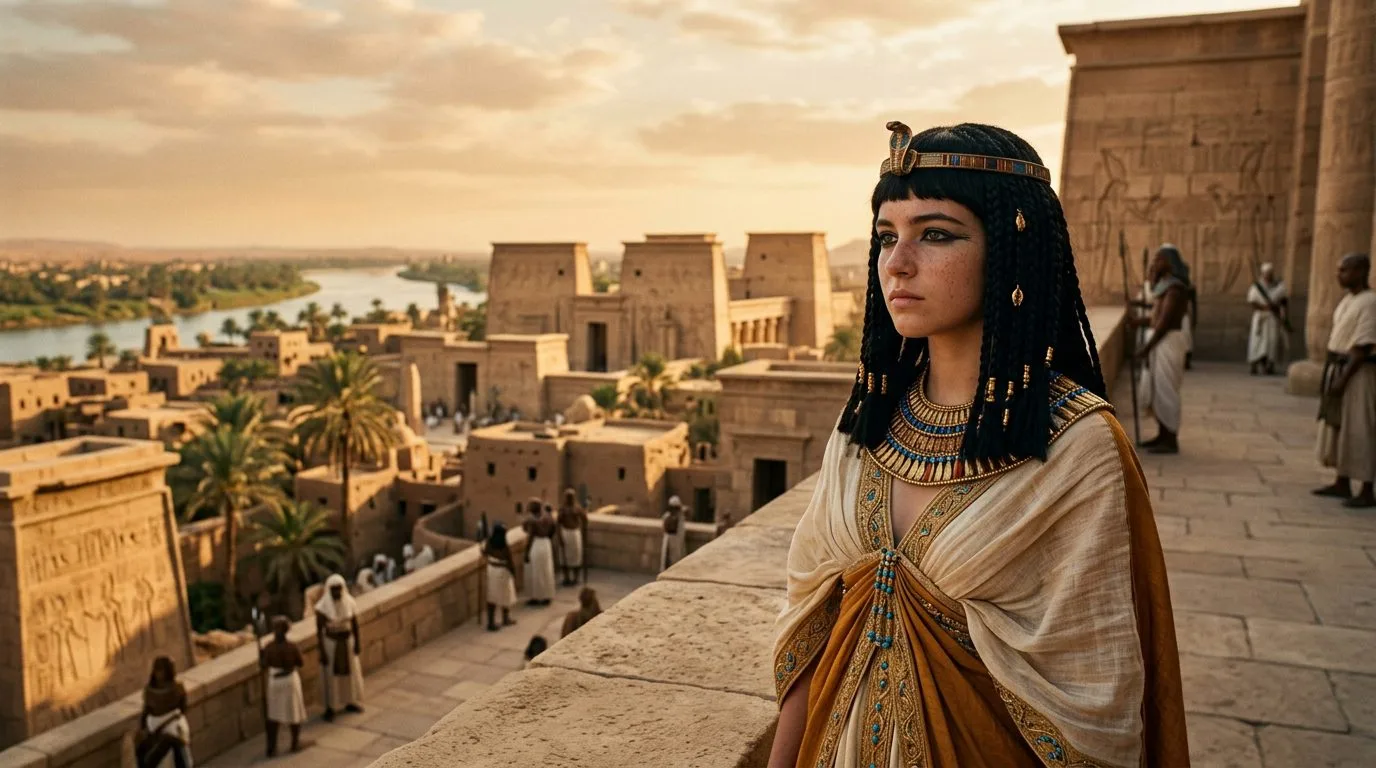
Ankhesenamun
Born around 1348 BCE to Akhenaten and Nefertiti, Ankhesenamun married the boy-king Tutankhamun at roughly 13 years old around 1332 BCE. Their union produced two stillborn daughters buried in his tomb, discovered by Howard Carter. Golden shrines from his burial show intimate scenes of the couple—Ankhesenamun offering flowers and adjusting his collar—depicting rare genuine affection in royal art.
When Tutankhamun died unexpectedly around 1323 BCE at 19, Ankhesenamun faced crisis. As the last surviving royal daughter of Akhenaten’s line, she was simultaneously valuable and vulnerable. A clay tablet from the Hittite capital reveals an astonishing letter from an unnamed Egyptian queen—almost certainly Ankhesenamun—pleading with King Suppiluliuma I to send a son to marry her. “My husband has died and I have no son,” she wrote. “I will never take a servant of mine and make him my husband.
6. Twosret: The Last Great Pharaoh of the Nineteenth Dynasty
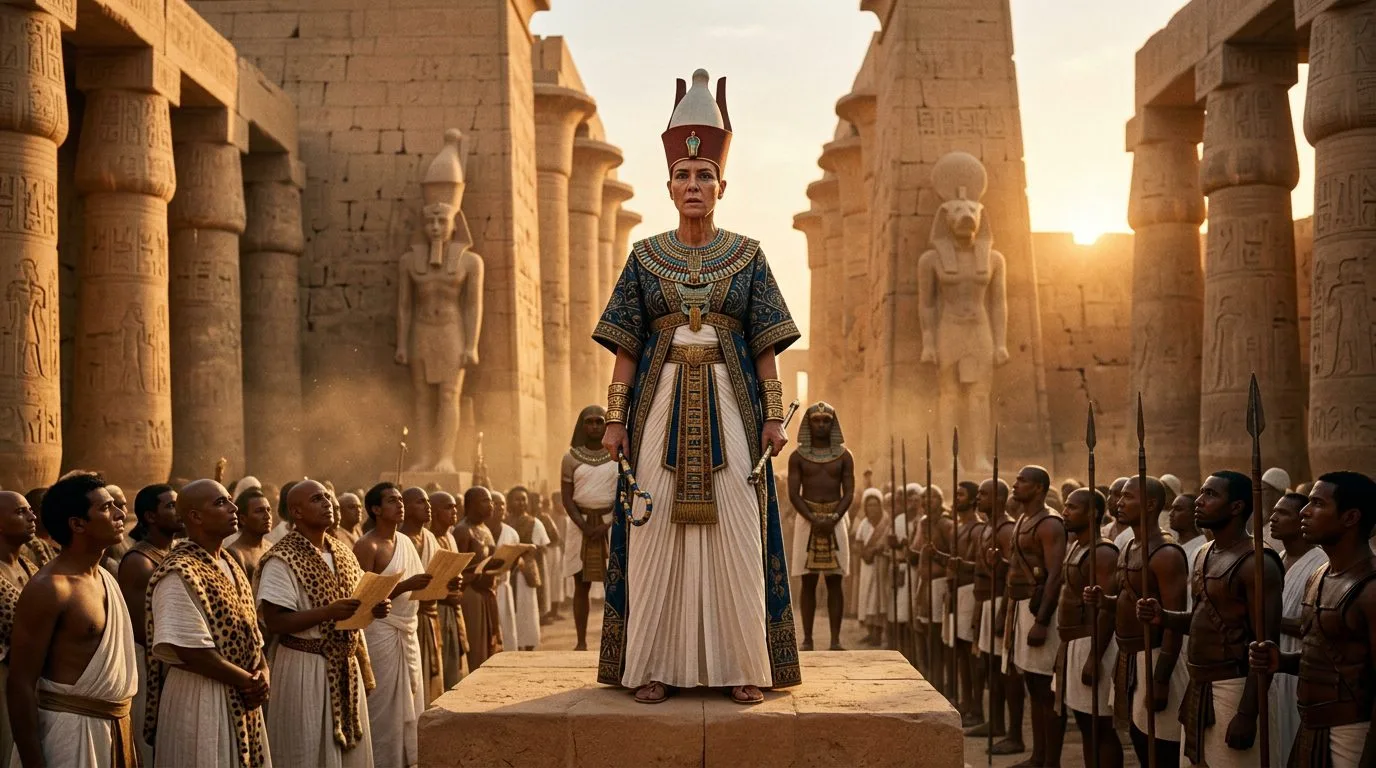
Twosret
Around 1191 BCE, after Siptah’s death, his stepmother Twosret claimed the throne herself—a rare move in Egyptian history. She ruled as pharaoh, not regent, for approximately two years, becoming the last monarch of the Nineteenth Dynasty.
Originally the Great Royal Wife of Seti II, Twosret became regent when Siptah ascended at age 10 around 1197 BCE. The boy-king suffered from severe disability, making Twosret the effective ruler. She worked alongside Syrian courtier Bay, who wielded enormous influence. When Siptah died, Twosret seized full power instead of stepping aside.
She adopted complete royal titulary, depicting herself in the double crown and false beard. Her throne name, Sitre-Merenamun, meant “Daughter of Re, beloved of Amun.” Dated inscriptions at quarries show she commissioned building projects as pharaoh.
7. Nitocris: The Legendary Queen Shrouded in Mystery
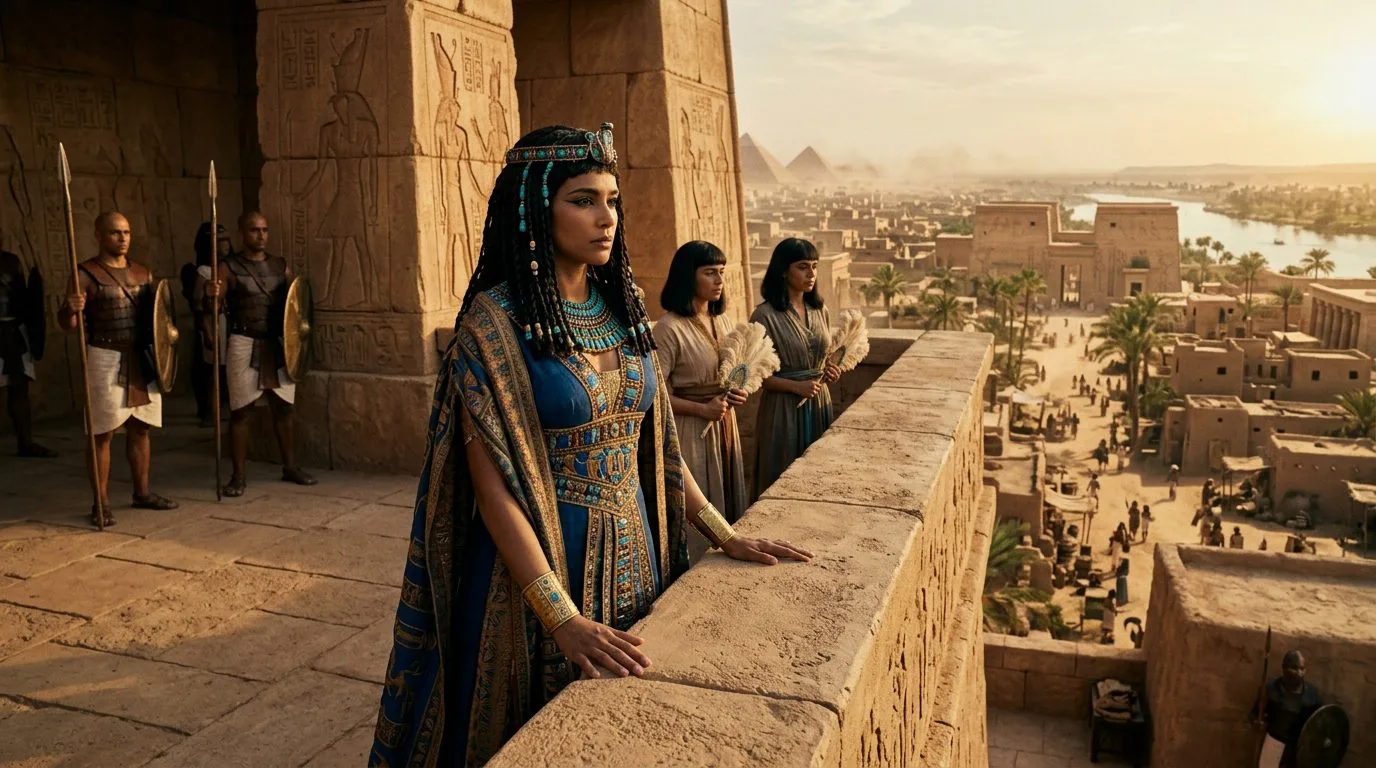
Nitocris: The Legendary Queen Shrouded in Mystery
The story of Nitocris hovers between history and legend. Greek historian Herodotus claimed she was the most beautiful and brave woman of her time, ruling Egypt during the Sixth Dynasty circa 2184 BCE. Manetho’s king list praised her as “the noblest and loveliest of the women of her time,” even crediting her with building the third pyramid at Giza—a claim modern archaeology has disproven. Ancient accounts agree she became pharaoh after her brother-husband was murdered by rebellious nobles. Her name appears in the Turin King List, a papyrus from around 1279 BCE listing her as the last monarch of the Sixth Dynasty, though the text is damaged. Manetho recorded her reign lasted approximately 12 years.
8. Khentkaus I: The Mother of Two Kings Who May Have Ruled
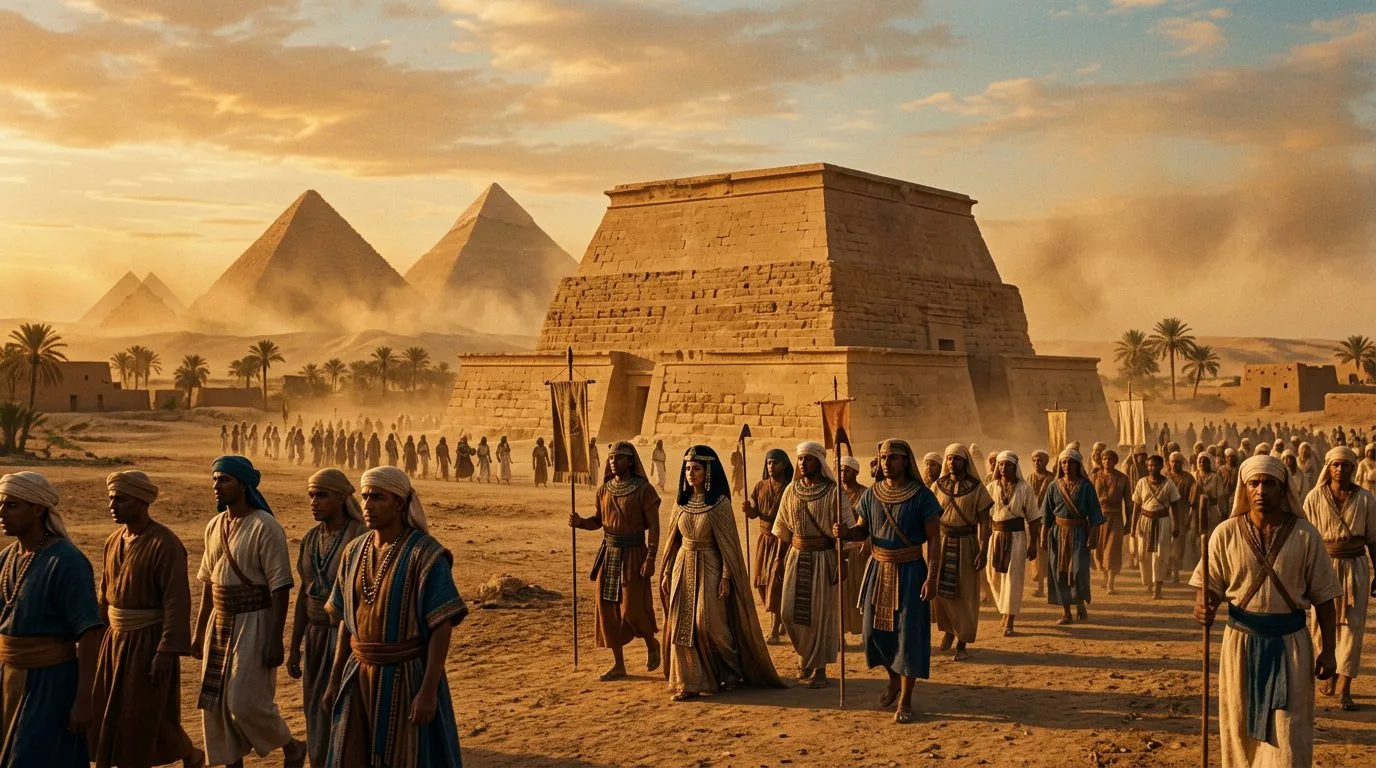
Khentkaus I
At Giza stands an unusual monument that has puzzled Egyptologists since its early twentieth-century discovery. The tomb of Khentkaus I (circa 2510 BCE) is neither pyramid nor mastaba but a massive two-tiered structure carved from rock and capped with limestone blocks. Most intriguingly, an inscription on her granite doorway reads two ways: “Mother of Two Kings of Upper and Lower Egypt” or “King of Upper and Lower Egypt and Mother of the King of Upper and Lower Egypt.” This ambiguity has sparked decades of debate about whether Khentkaus actually ruled as pharaoh during Egypt’s Fourth Dynasty.
Khentkaus lived during a pivotal transition. Daughter of Menkaure, builder of the third Giza pyramid, she married Shepseskaf, the last Fourth Dynasty king. After his death around 2503 BCE, she may have married Userkaf, founder of the Fifth Dynasty, or ruled independently during the interregnum.
9. Arsinoe II: The Ptolemaic Queen Who Became a Goddess
Arsinoe II
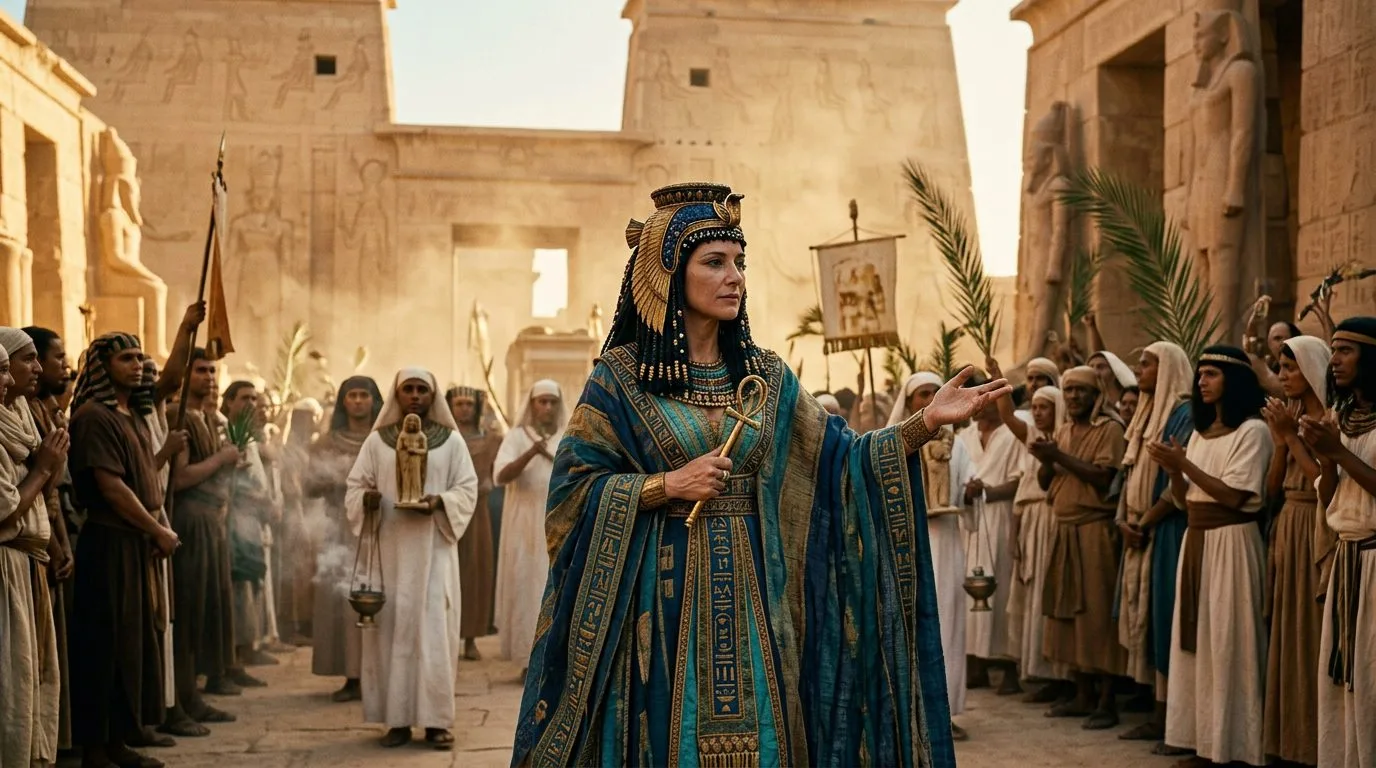
In 278 BCE, Arsinoe II became the first living woman declared a goddess in Egypt. Born around 316 BCE, this daughter of Ptolemy I and sister-wife of Ptolemy II Philadelphus wielded unprecedented political power. After surviving two disastrous marriages—to the elderly Lysimachus of Thrace and her murderous half-brother Ptolemy Keraunos—Arsinoe fled to Egypt around 279 BCE. She quickly maneuvered herself into Ptolemy II’s court, exiling his previous wife and becoming Great Royal Wife and effective co-ruler.
Arsinoe understood Egyptian culture far better than her Macedonian relatives. Though brother-sister marriage scandalized Greeks, it aligned with pharaonic tradition. Coins from 272 BCE onward featured her portrait alongside—and sometimes instead of—her brother-husband, an honor previously reserved for male rulers only.
10. Cleopatra VII: The Last Pharaoh and History’s Most Famous Queen
Cleopatra VII
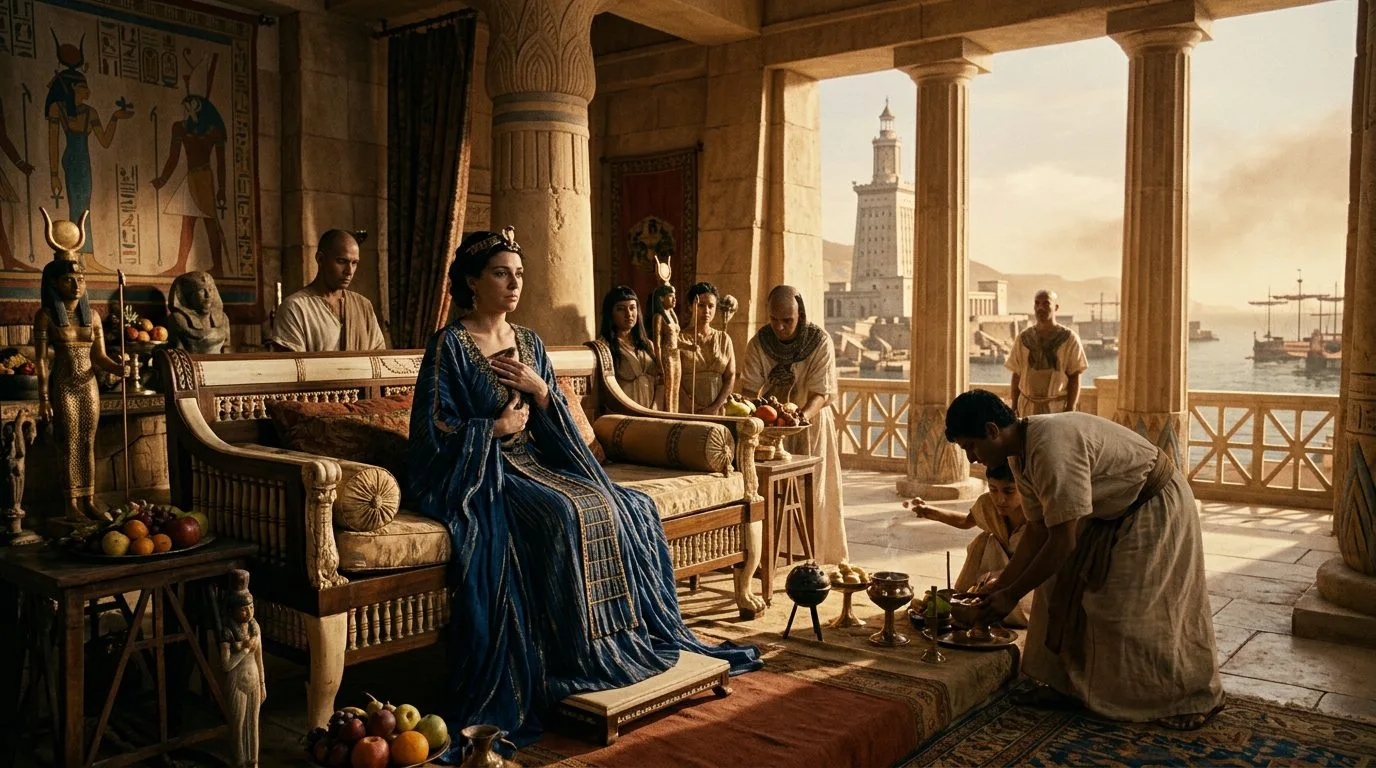
When Cleopatra VII died by suicide in 30 BCE, she ended 3,000 years of pharaonic civilization. The last active Ptolemaic ruler, she was the only member of her dynasty who learned Egyptian—a stark contrast to her Greek-speaking predecessors. Cleopatra spoke nine languages, studied mathematics and astronomy, and ruled with remarkable political sophistication.
Born in 69 BCE, Cleopatra inherited a bankrupt kingdom threatened by Roman expansion. At 18, she became co-ruler with her 10-year-old brother, but palace intrigue forced her from Alexandria within three years. She returned in 48 BCE by smuggling herself to Julius Caesar in a linen sack, beginning a relationship that was both romantic and strategic. She bore Caesar a son, Caesarion, in 47 BCE and visited Rome until his assassination in 44 BCE.
Did You Know?
These ten remarkable women shattered the ultimate glass ceiling of the ancient world, claiming the double crown of Egypt through intelligence, political acumen, and sheer determination. From Merneith’s shadowy reign at the dawn of Egyptian civilization around 2950 BCE to Cleopatra’s dramatic end in 30 BCE, they proved that leadership, wisdom, and strength recognize no gender. What makes their achievements even more extraordinary is how thoroughly their successors attempted to erase them. Hatshepsut’s monuments were defaced, Twosret’s cartouches chiseled away, and female rulers were often omitted from official king lists. Yet archaeology has resurrected these voices from silence, revealing women who built temples, expanded empires, reformed religions, and navigated treacherous political waters that would challenge any leader. Their stories challenge our assumptions about ancient societies and remind us that the struggle for women’s equality isn’t new—women have always fought for recognition, power, and the right to lead. These pharaohs ruled the most advanced civilization of their age, commanding armies, directing massive construction projects, and making decisions that affected millions of lives. The crook and flail, symbols of pharaonic authority, fit their hands as naturally as any man’s. Perhaps it’s time we remember that when ancient Egyptians looked upon their pharaoh—whether Hatshepsut, Cleopatra, or any ruler in between—they saw not a man or woman, but a living god on Earth.