
In 1754 BCE, a stone pillar was erected in Babylon listing 282 laws—and their brutal consequences. Ancient Mesopotamia and Egypt didn’t have prisons; they had amputations, impalements, and crocodile executions. These civilizations maintained order through punishments that matched the crime with terrifying precision.
1. Severed Hands for Thieves Under Hammurabi’s Iron Rule
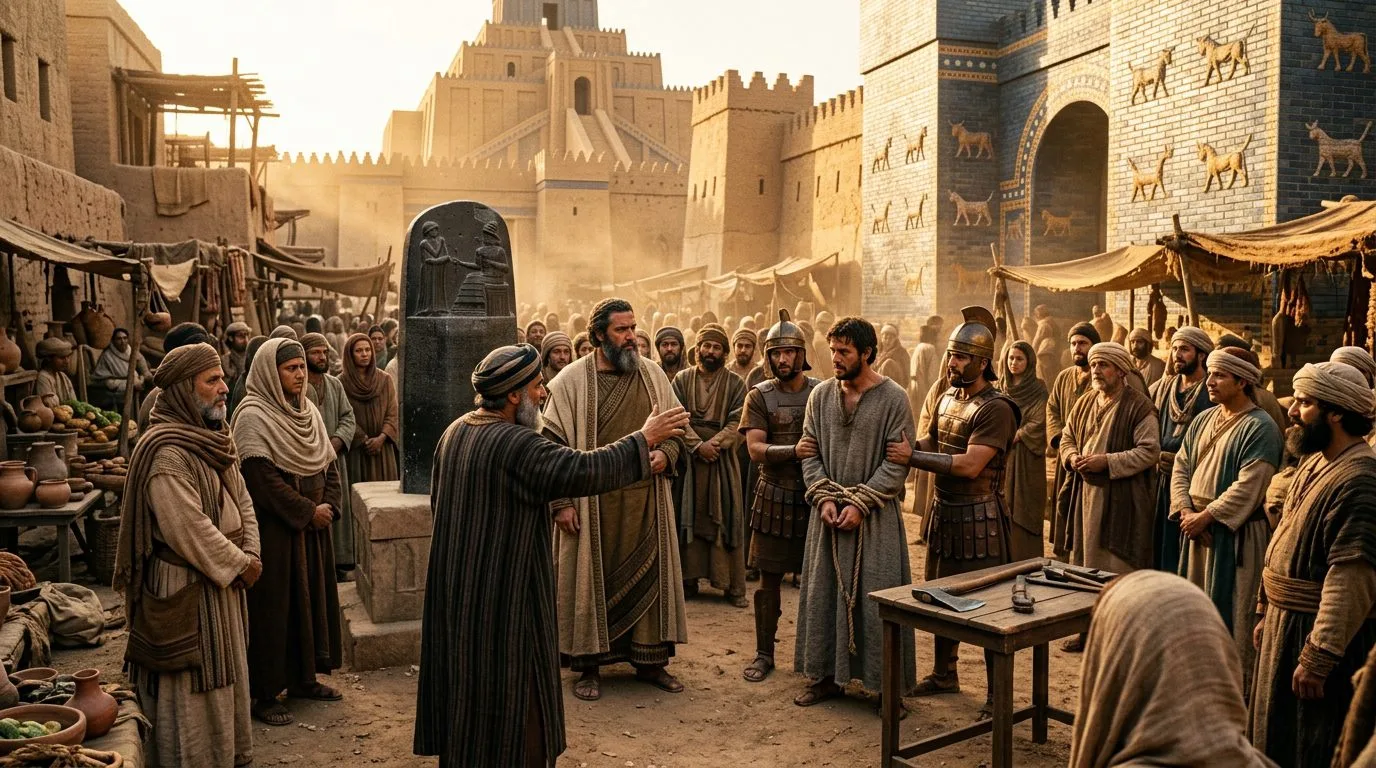
Ancient Mesopotamian justice and punishment
King Hammurabi‘s famous code, carved circa 1754 BCE, prescribed amputation for common theft with chilling specificity. A baker caught diluting bread lost his hand at the wrist. Physicians who botched surgeries faced the same blade they wielded. The punishment operated on the principle of physical removal—take a hand, lose a hand. Archaeological evidence from Babylon shows specialized bronze cutting implements designed specifically for judicial amputations. The severed hand was often displayed in the marketplace as warning to others. This wasn’t mere cruelty; it created visible, permanent markers of criminal behavior in communities where reputation meant survival.
Source: britannica.com
2. Thrown to the Nile: Egypt’s Water Ordeal Determined Guilt
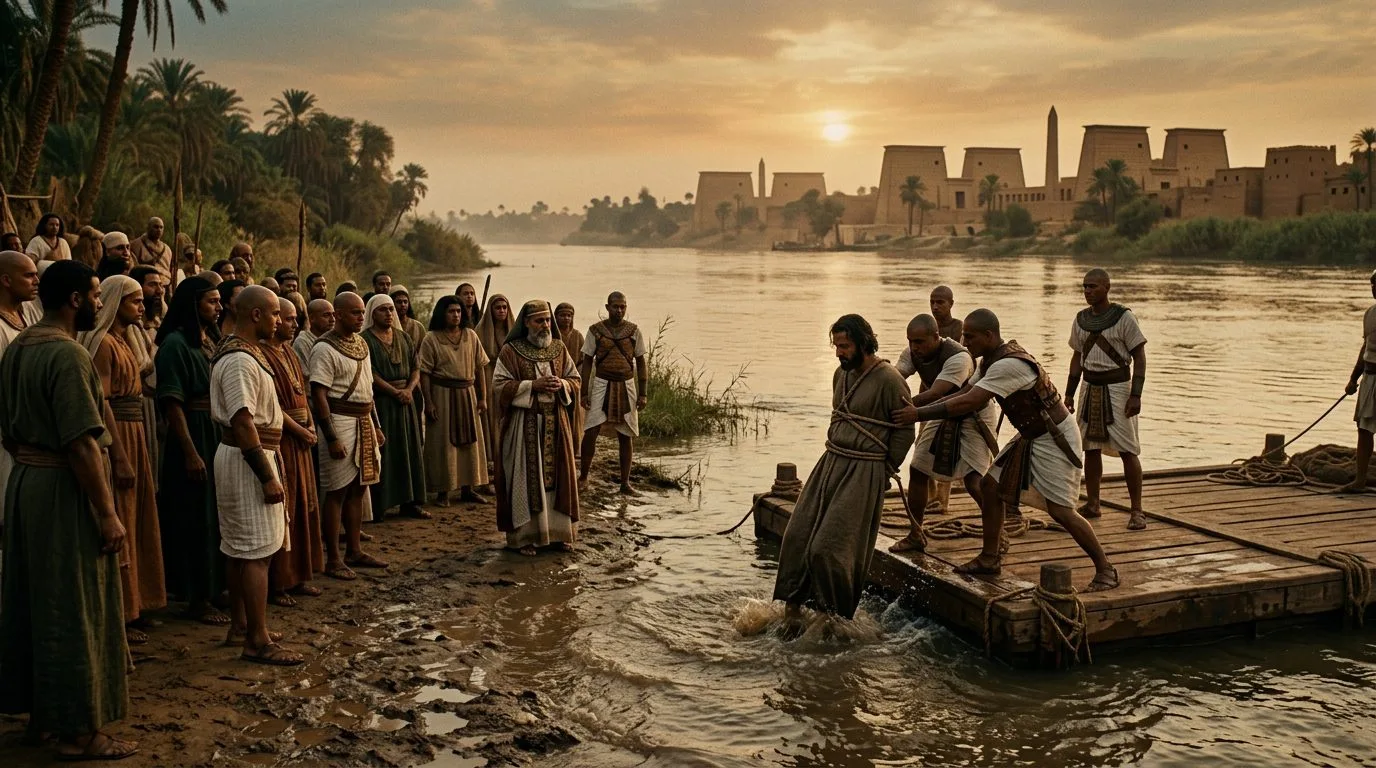
Thrown to the Nile
Egyptian courts during the Middle Kingdom employed trial by drowning to determine divine judgment. The accused was bound and thrown into the Nile near Thebes during the reign of Senusret III. If the river god Hapi accepted them—meaning they drowned—guilt was confirmed. Survival proved innocence, as the gods had rejected the offering. Papyrus court records from the reign of Senusret III describe 47 such trials in a single year. The condemned wore stone weights attached to their ankles, making survival nearly impossible. Crocodile-infested waters added another layer of terror. This method conveniently eliminated the guilty while providing religious justification for state-sanctioned killing.
Source: britannica.com
3. Impalement: Assyria’s Signature Terror Tactic
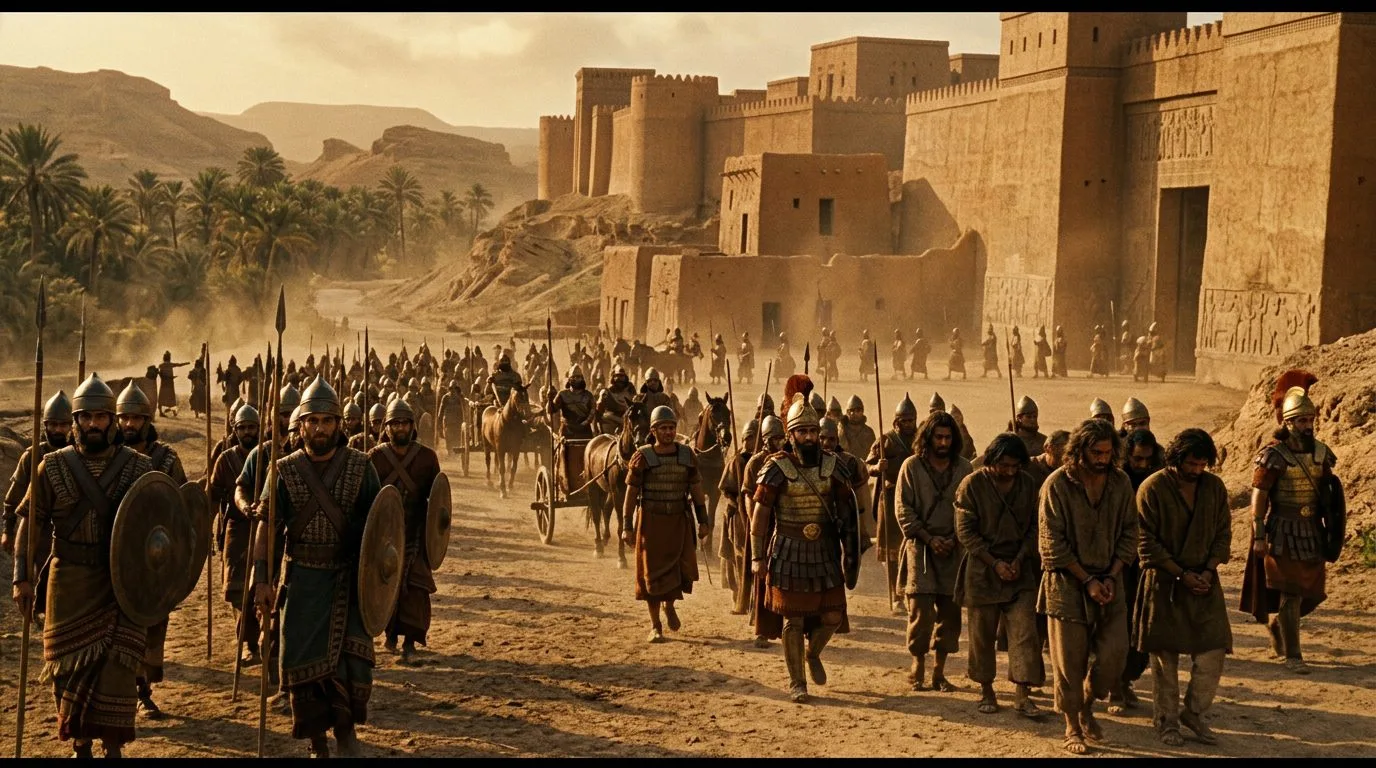
Impalement: Assyria’s Signature Terror Tactic
Assyrian king Ashurnasirpal II, ruling from 883 to 859 BCE, perfected impalement as psychological warfare against rebellious cities. Stone reliefs from his palace at Nimrud graphically depict victims mounted on sharpened stakes outside conquered city walls. The stake entered through the rectum, carefully positioned to avoid vital organs, prolonging death for days. Assyrian military records boast of impaling 16,000 prisoners after the siege of Suru in 878 BCE. The practice served dual purposes: eliminating resistance and creating such terror that other cities surrendered without fighting. Some victims were impaled while still alive, displayed along roads as warnings to travelers.
Source: britannica.com
4. Blinded Kings: How Victors Neutralized Royal Prisoners
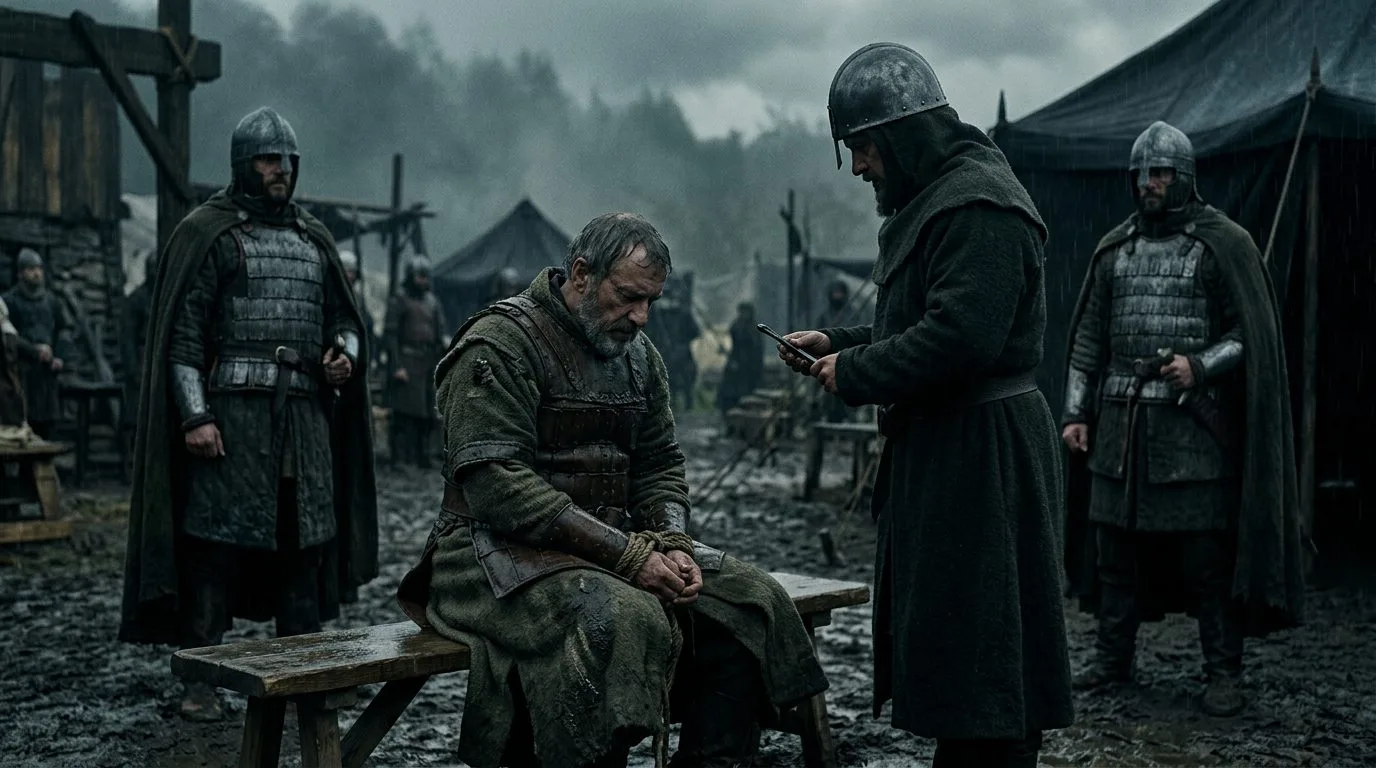
Blinded Kings
Defeated monarchs faced a fate worse than death—ceremonial blinding that rendered them powerless yet alive. After conquering Elam in 640 BCE, Assyrian king Ashurbanipal personally gouged out the eyes of King Teumman using a specialized bronze spike. Babylonian records from the reign of Nebuchadnezzar II describe the blinding of Judean king Zedekiah in 586 BCE after he witnessed the execution of his sons. The process used heated metal rods or sharp instruments, performed publicly to humiliate the fallen ruler. A blind king could never reclaim his throne, as physical perfection was required for kingship. Yet keeping them alive demonstrated the victor’s absolute dominance.
Source: britannica.com
5. Death by Labor: Egyptian Quarries and Desert Mines
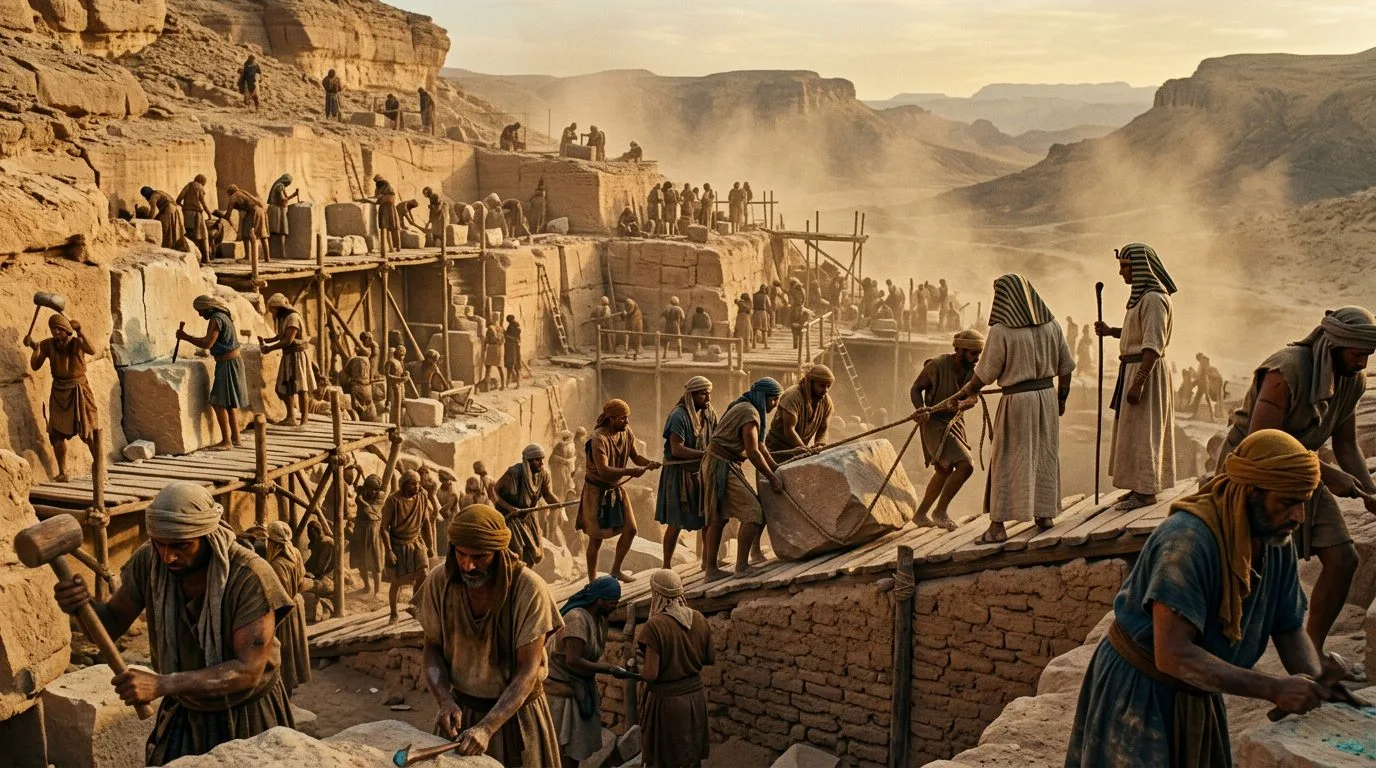
Death by Labor: Egyptian Quarries and Desert Mines
Criminals and war prisoners sentenced to the turquoise mines of Serabit el-Khadim in Sinai faced execution through exhaustion. Egyptian records from the New Kingdom document mortality rates exceeding 60 percent annually among forced laborers. Workers chiseled stone in extreme desert heat, shackled in bronze chains weighing considerable weight. The granite quarries at Aswan consumed thousands during the New Kingdom, with skeletons showing characteristic spinal compression from carrying massive stones. Unlike slavery, this was explicit punishment with no expectation of survival. Overseers received bonuses for extracting maximum work before prisoners died. The Sinai mines still contain ancient graffiti from condemned men marking their final days.
Source: smithsonianmag.com
6. Desert Exile: Political Criminals Banished to Die of Thirst
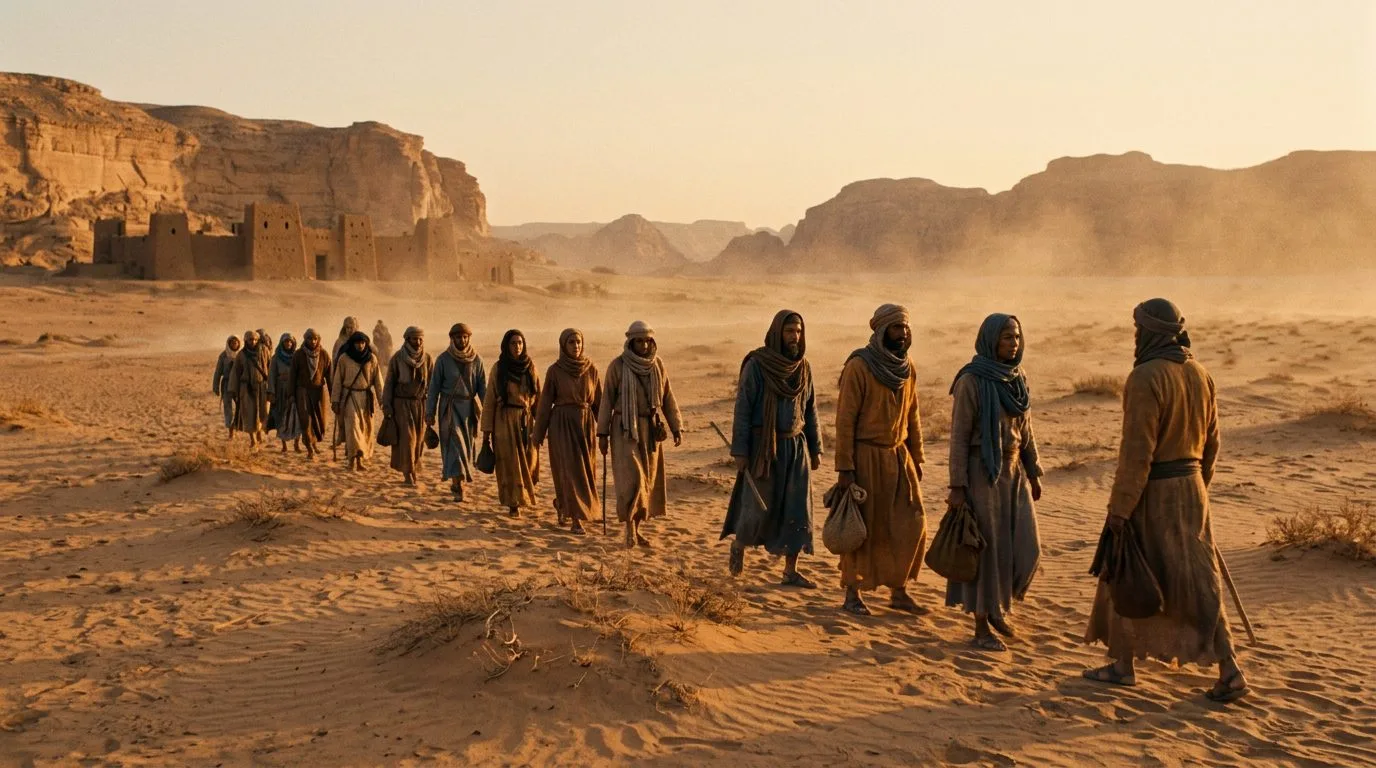
Desert Exile
Egyptian officials who betrayed the pharaoh faced exile to the Western Desert oases, a slow death sentence disguised as mercy. During the reign of Ramesses III, conspirators in the harem plot were banished to Kharga Oasis with three days’ water for a seven-day journey. The Eloquent Peasant papyrus describes this punishment as “being given to the hot sand.” Exiles wore distinctive red headbands so any Egyptian encountering them would refuse assistance. The desert became an execution chamber requiring no executioner. Some exile locations were 200 miles from the Nile with no known water sources. Archaeological surveys have found skeletons along ancient exile routes, still wearing judicial restraints.
Source: britannica.com
7. Public Flogging in Babylonian Markets: Shame and Pain Combined
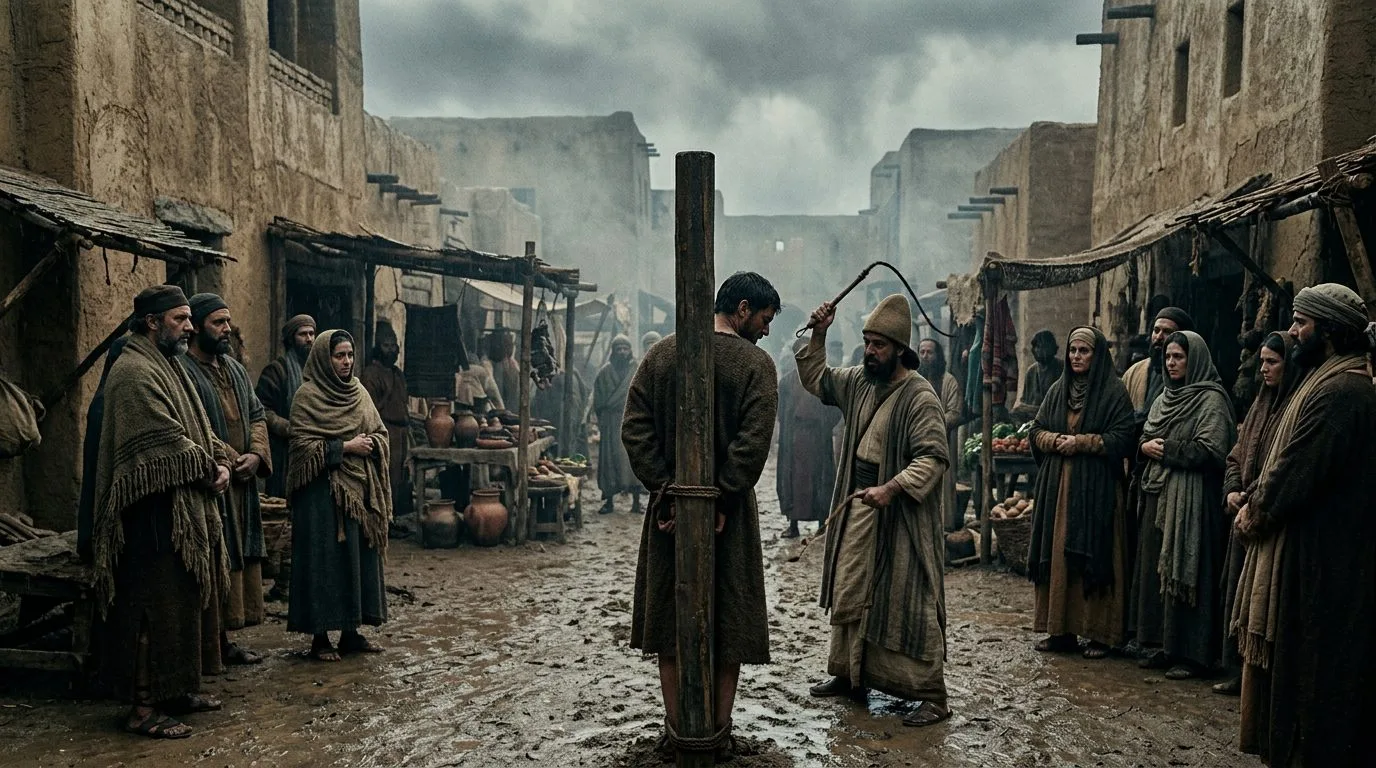
Public Flogging in Babylonian Markets
Babylonian law under Hammurabi prescribed public whipping for offenses ranging from disrespecting priests to shoddy construction work. The punishment occurred in city marketplaces during peak trading hours to maximize witnesses. Flogging implements included leather straps embedded with bronze studs, capable of delivering 50 to 100 lashes. A tavern keeper who watered down beer received 25 lashes in front of her establishment before having her license revoked. Court records from the Old Babylonian period mention a merchant who received 75 lashes for using false weights, then was forced to conduct business from that spot for 30 days while healing. The public nature transformed punishment into community theater, reinforcing social hierarchies through ritualized violence.
Source: britannica.com
8. Severed Tongues for Liars: Silencing False Witnesses Permanently
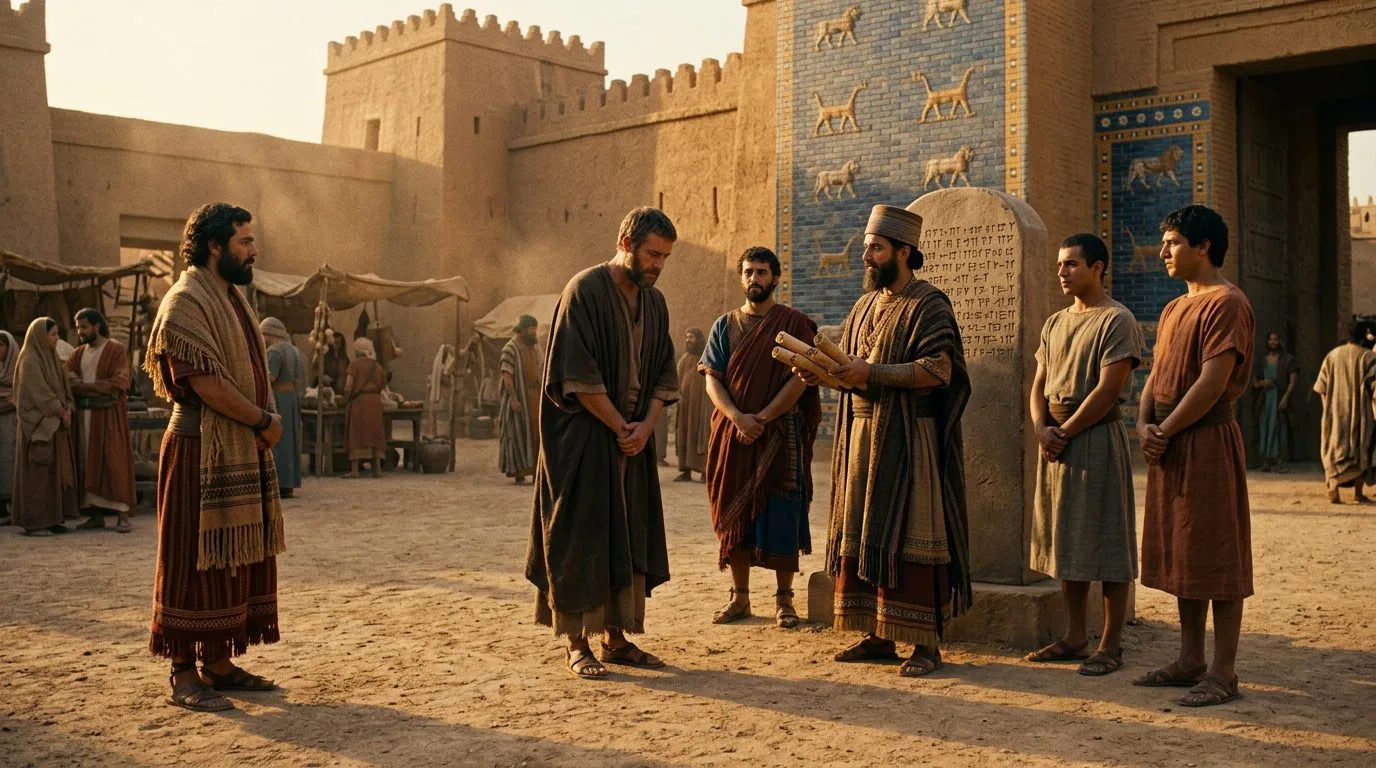
Severed Tongues for Liars
Mesopotamian courts dealt with perjury through tongue amputation, eliminating the offending organ. Hammurabi’s Code specifically mandates this for false testimony in capital cases. The procedure used bronze shears similar to sheep-shearing tools, performed by temple officials rather than executioners to add religious authority. A witness who falsely accused another of murder would have their tongue cut out at the root in the courthouse itself. Sumerian medical texts describe cauterization techniques using heated bronze plates to prevent fatal bleeding. Victims survived but could never speak again, living advertisements for judicial honesty. In Assyria during the 8th century BCE, scribes who falsified royal documents faced this same mutilation.
Source: britannica.com
9. Crocodile Execution: Egypt’s Most Theatrical Death Sentence
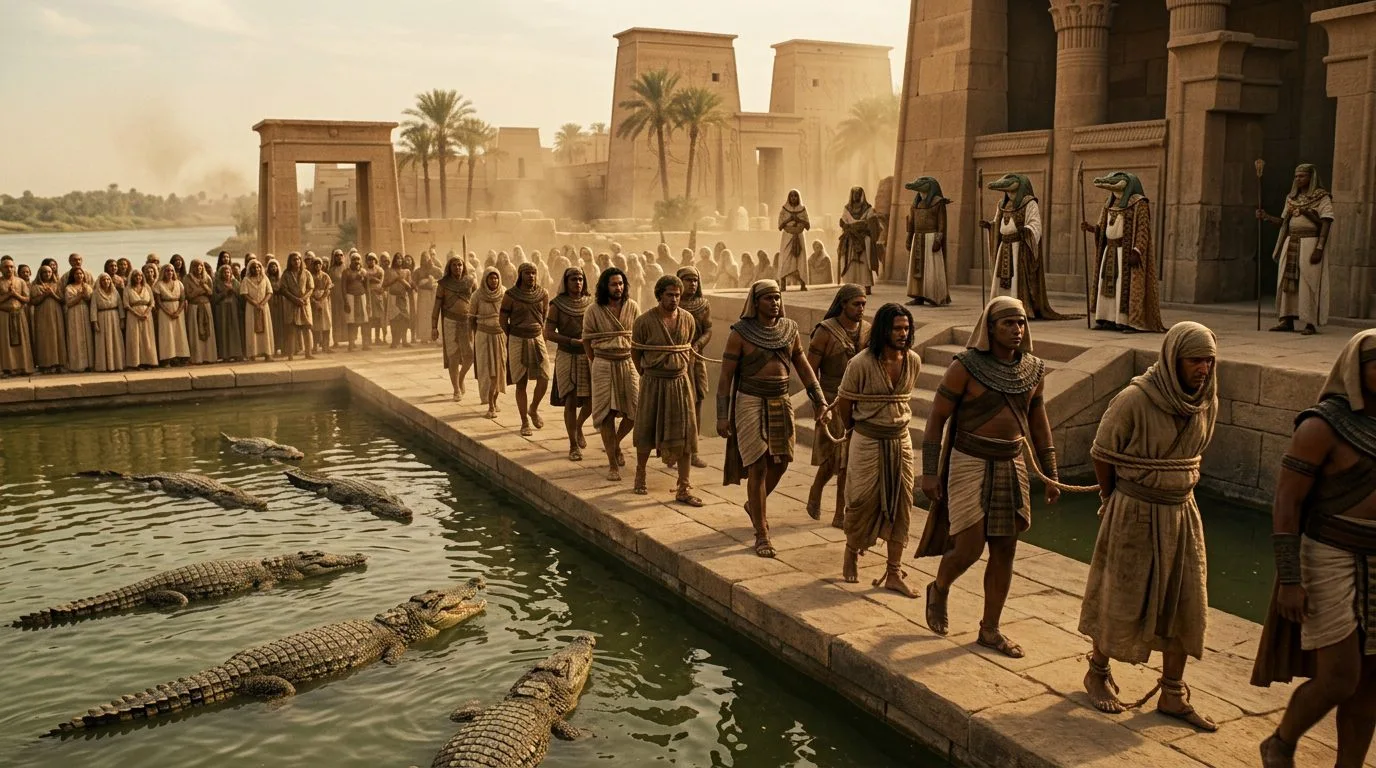
Crocodile Execution
Criminals guilty of temple desecration were fed alive to Nile crocodiles in ceremonial pools maintained specifically for executions. During the Late Period, the temple complex at Kom Ombo housed sacred crocodiles reaching 18 feet in length. The condemned was lowered into the pool using ropes, ensuring slow consumption while priests and crowds watched from galleries above. Papyrus records describe the execution of tomb robbers near Luxor during the New Kingdom, thrown to crocodiles after having their hands amputated first. The crocodile god Sobek was believed to consume the criminal’s soul along with their body, erasing them from existence. Some pools contained multiple crocodiles, creating feeding frenzies that dispatched victims within minutes.
Source: smithsonianmag.com
10. Tomb Robbers Buried Alive: Ultimate Irony in the Valley of the Kings
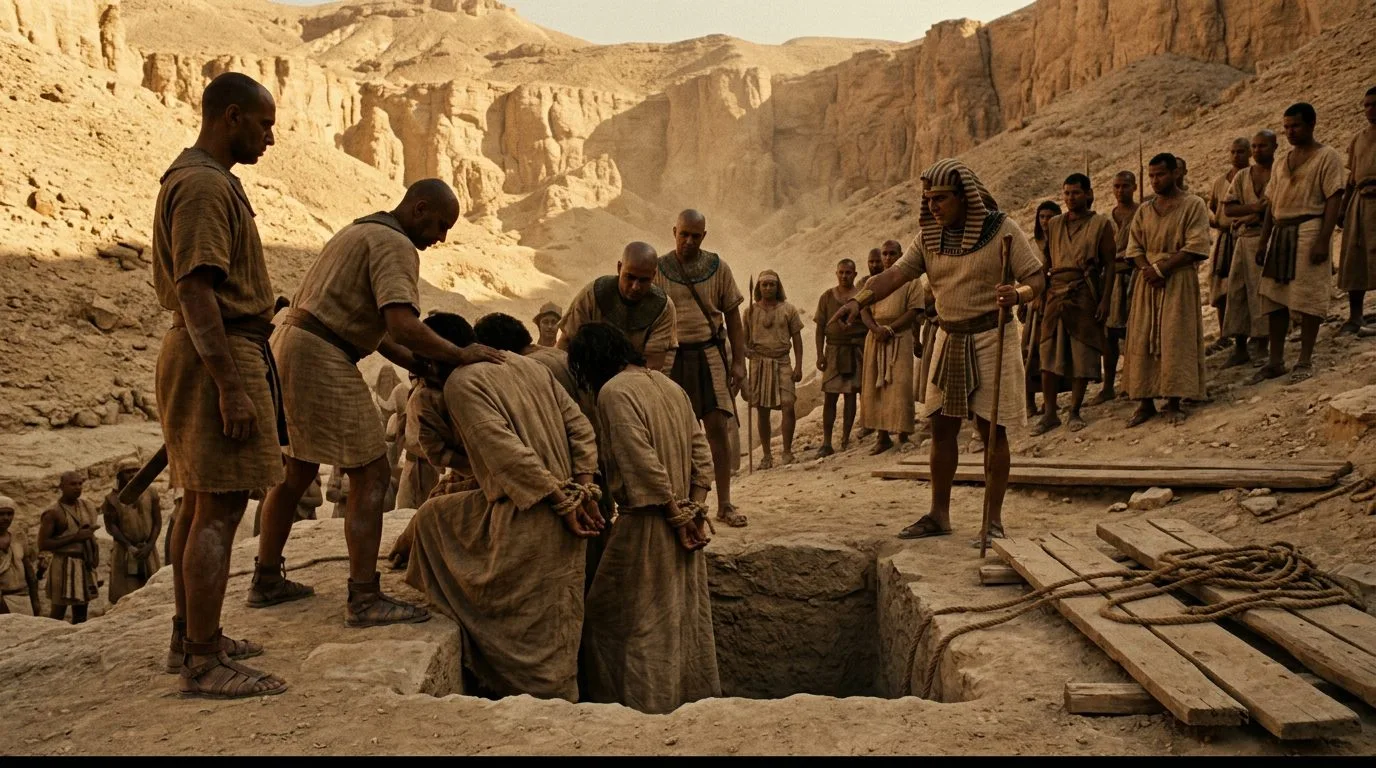
Tomb Robbers Buried Alive
The ultimate crime in ancient Egypt—violating royal tombs—earned the ultimate punishment: live burial in the desert. After the robbery of Ramesses VI‘s tomb during the New Kingdom, eight convicted thieves were sealed in a stone chamber and buried under sand at Deir el-Medina. Judicial papyri describe the procedure: criminals were placed in limestone boxes with air holes, then interred in unmarked locations. The Amherst Papyrus details the trial of tomb robbers during the New Kingdom, where five men were entombed alive after confessing under torture. Unlike quick executions, victims died over several days from dehydration and suffocation. Archaeological excavations in the modern era discovered one such chamber containing five skeletons with scratch marks inside the stone lid, frozen in their final moments of terror.
Source: britannica.com
Did You Know?
Did you know that Hammurabi’s Code wasn’t actually the first written law system—it copied from the earlier Sumerian Code of Ur-Nammu, which was far more lenient? While Hammurabi prescribed amputation for theft, Ur-Nammu imposed fines. The irony? History remembers the harsher version. Even more surprising: Egyptian tomb robbers often included the very workers who built the tombs, using their insider knowledge to bypass traps. When caught, they faced burial alive in the same desert where they’d once excavated royal chambers—punished with the tools of their trade.