
When the Roman Empire declared Christianity its sole religion in 380 CE, it condemned dozens of faiths to oblivion. These religions once commanded millions, built cities, and shaped entire civilizations—then vanished under systematic suppression that left barely a whisper.
1. Manichaeism: The Global Faith Crushed Between Empires
Manichaeism
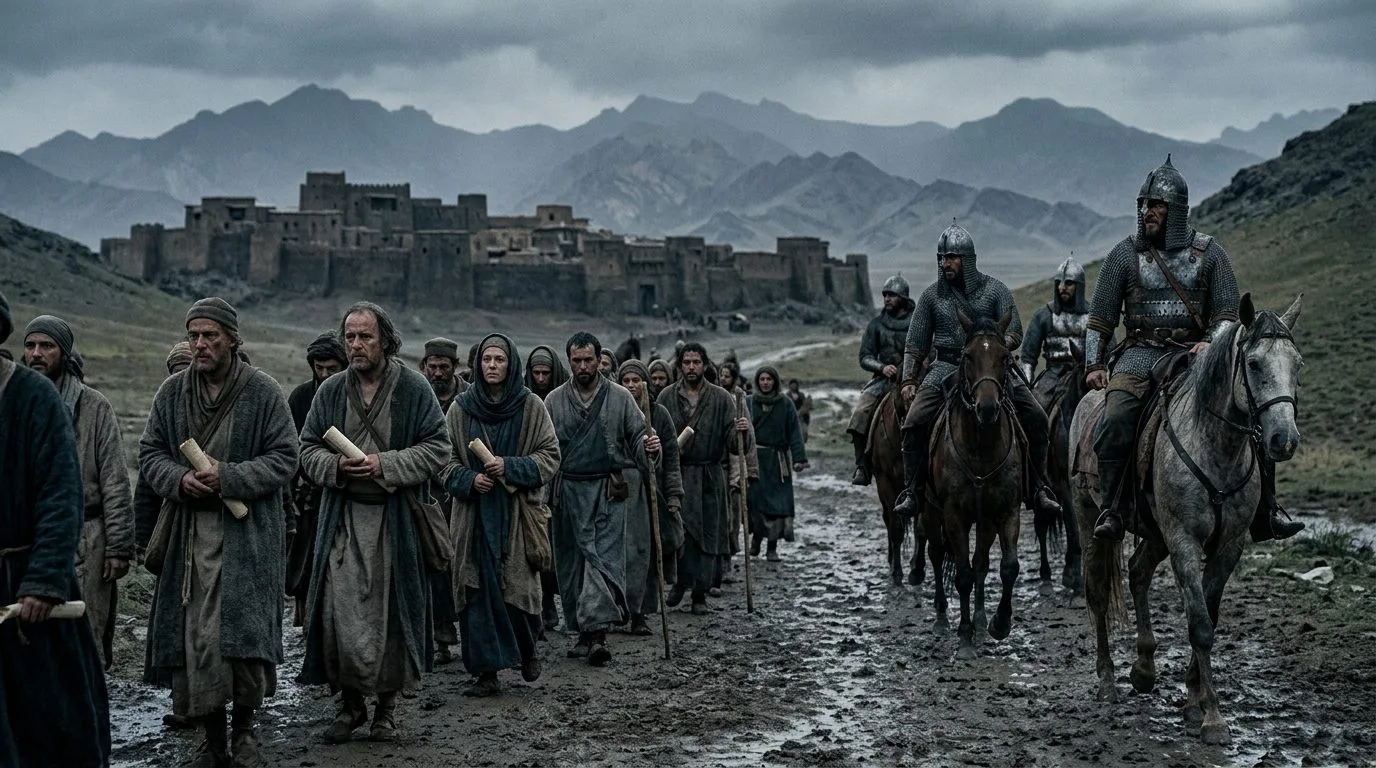
Mani declared himself the final prophet in 240 CE, creating a religion that stretched from Roman North Africa to Tang China within a century. His faith blended Zoroastrian, Buddhist, and Christian elements into a dualist cosmos of light versus darkness that attracted millions. The Sasanian Emperor Bahram I executed Mani in 274 CE by flaying him alive, displaying his skin at the city gates of Gundeshapur. Christian Rome issued 15 separate anti-Manichaean edicts between 297 and 445 CE, burning texts and executing adherents. By the 14th century, the last Manichaean communities in southern China had disappeared, leaving only fragments discovered in Central Asian caves several centuries later.
Source: britannica.com
2. Tengriism: The Sky God Erased From the Steppes

Tengriism: The Sky God Erased From the Steppes
Genghis Khan and his descendants worshipped Tengri, the Eternal Blue Sky, performing rituals atop sacred mountains across an empire spanning 24 million square kilometers. The Mongol Yuan Dynasty maintained shamanic practices until Kublai Khan’s death in 1294 CE, after which his successors increasingly embraced Buddhism. When the Golden Horde converted to Islam under Khan Berke in 1257 CE, they systematically destroyed Tengrist shrines across the western steppes. The last major Tengrist state, the Chagatai Khanate, fell to Islamic conversion by 1347 CE. Today, fewer than 10,000 practitioners remain in Siberia and Kyrgyzstan, preserving fragments of a faith that once unified the world’s largest land empire.
Source: britannica.com
3. Canaanite Polytheism: The Gods Israel Buried
Canaanite Polytheism: The Gods Israel Buried
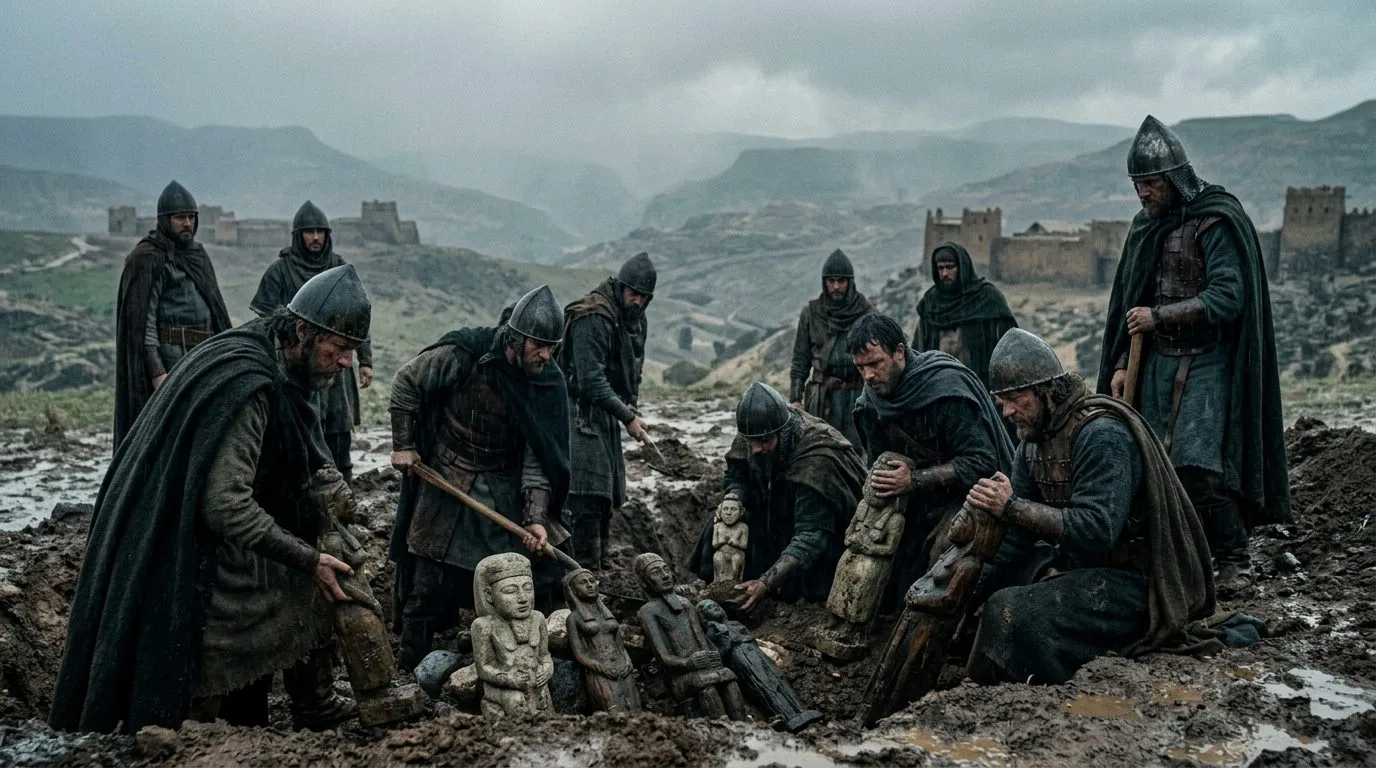
Baal, Asherah, and El commanded worship across 200 Canaanite city-states before Israelite conquest began around 1200 BCE. Archaeological excavations at Ugarit revealed 1,400 clay tablets describing elaborate rituals involving sacred prostitution and child sacrifice that horrified monotheistic reformers. King Josiah of Judah launched systematic persecution in 622 BCE, demolishing temples, executing priests, and grinding Asherah poles to dust. Roman legions completed the erasure in 70 CE when they destroyed Jerusalem’s Second Temple, scattering remaining Canaanite-influenced sects. Modern archaeology recovered Canaanite religion only after French excavations at Ras Shamra uncovered Ugarit’s temple complex in the late 19th century, revealing a pantheon that had been deliberately forgotten for 2,500 years.
Source: britannica.com
4. Gnosticism: Christianity’s Forbidden Twin

Gnosticism: Christianity’s Forbidden Twin
Gnostic Christians proclaimed secret knowledge revealed by Jesus, teaching that the physical world was created by an evil demiurge named Yaldabaoth, not the true God. Bishop Irenaeus of Lyon compiled the first heresy catalog in 180 CE, systematically refuting Valentinus and 30 other Gnostic teachers. The Roman Empire escalated persecution after 325 CE when the Council of Nicaea declared Gnostic texts heretical, authorizing their destruction. Monks burned an estimated 900 Gnostic gospels and treatises across Egypt and Syria between 367 and 451 CE. The religion vanished so completely that historians believed it mythical until Egyptian farmers discovered 52 intact Gnostic texts buried in a jar near Nag Hammadi in the mid-20th century, revealing a sophisticated theology erased from history.
Source: britannica.com
5. Atenism: The Pharaoh Who Deleted the Gods

Atenism: The Pharaoh Who Deleted the Gods
Pharaoh Amenhotep IV renamed himself Akhenaten in 1353 BCE and declared the sun disk Aten the only god, closing temples to Amun-Ra that had operated for 1,000 years. He built an entirely new capital city, Akhetaten, housing 50,000 people dedicated solely to Aten worship, and dispatched soldiers to chisel out the names of other gods from every monument in Egypt. His son Tutankhamun reversed everything immediately after Akhenaten’s death in 1336 BCE, abandoning the new capital and restoring the old pantheon. Subsequent pharaoh Horemheb erased Akhenaten’s name from king lists and demolished his temples so thoroughly that archaeologists didn’t rediscover Akhetaten until the late 19th century. The world’s first recorded monotheistic state religion lasted exactly 17 years before Egypt’s priesthood obliterated it.
Source: britannica.com
6. Aztec Religion: The Blood Temples Spain Erased
Aztec Religion: The Blood Temples Spain Erased
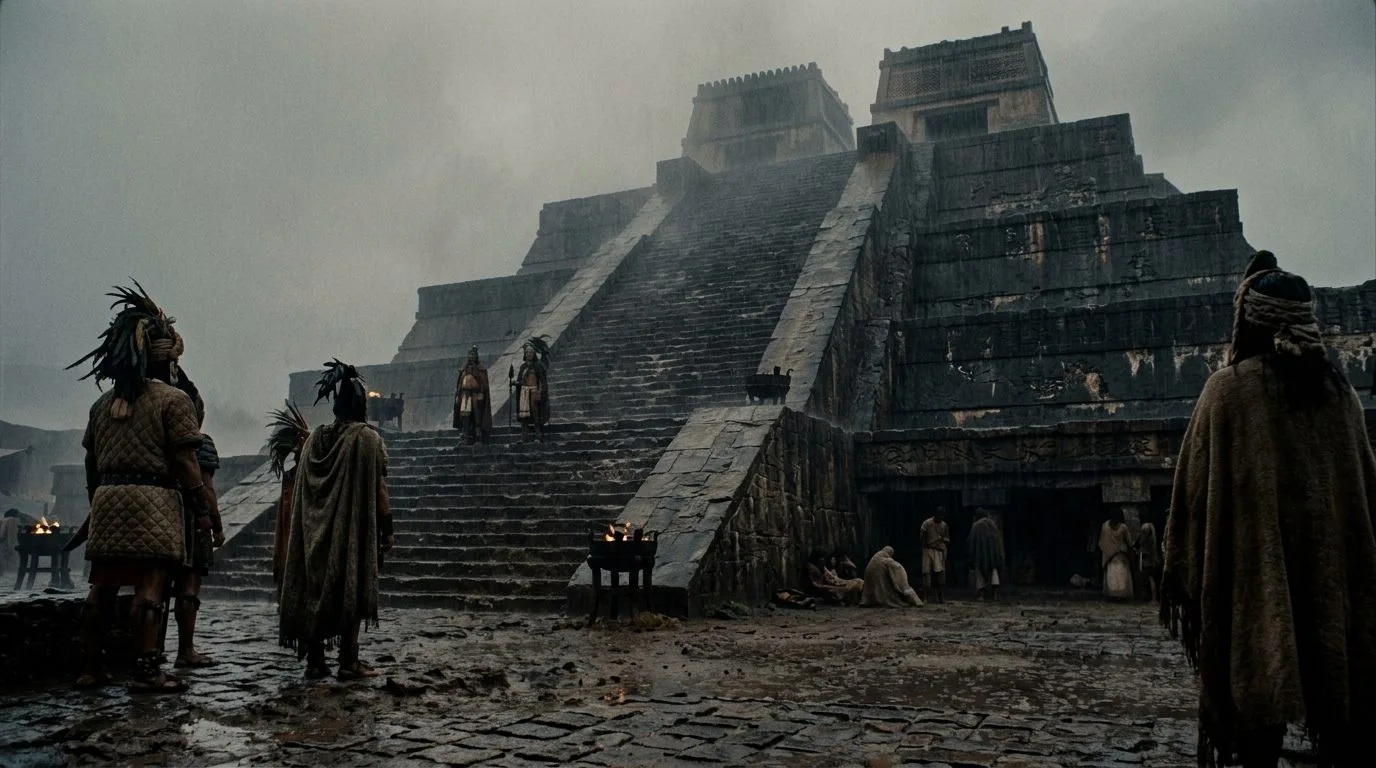
The Templo Mayor in Tenochtitlan witnessed 80,400 human sacrifices during its rededication ceremony in 1487 CE, honoring Huitzilopochtli and maintaining cosmic order through blood offerings. Spanish conquistador Hernán Cortés destroyed the main pyramid in 1521 CE, building Mexico City’s Metropolitan Cathedral directly atop its ruins. Franciscan friar Diego de Landa orchestrated the systematic burning of Aztec codices in 1562 CE, destroying thousands of religious texts in a single bonfire at Maní. The Spanish Inquisition executed 879 Aztec priests between 1571 and 1700 CE for practicing traditional rituals in secret. Modern knowledge of Aztec religion depends on just 15 surviving pre-Columbian codices and testimonies extracted under torture, representing perhaps 2% of the original religious literature.
Source: britannica.com
7. Zoroastrianism in Persia: From State Religion to Hunted Minority
Zoroastrianism in Persia
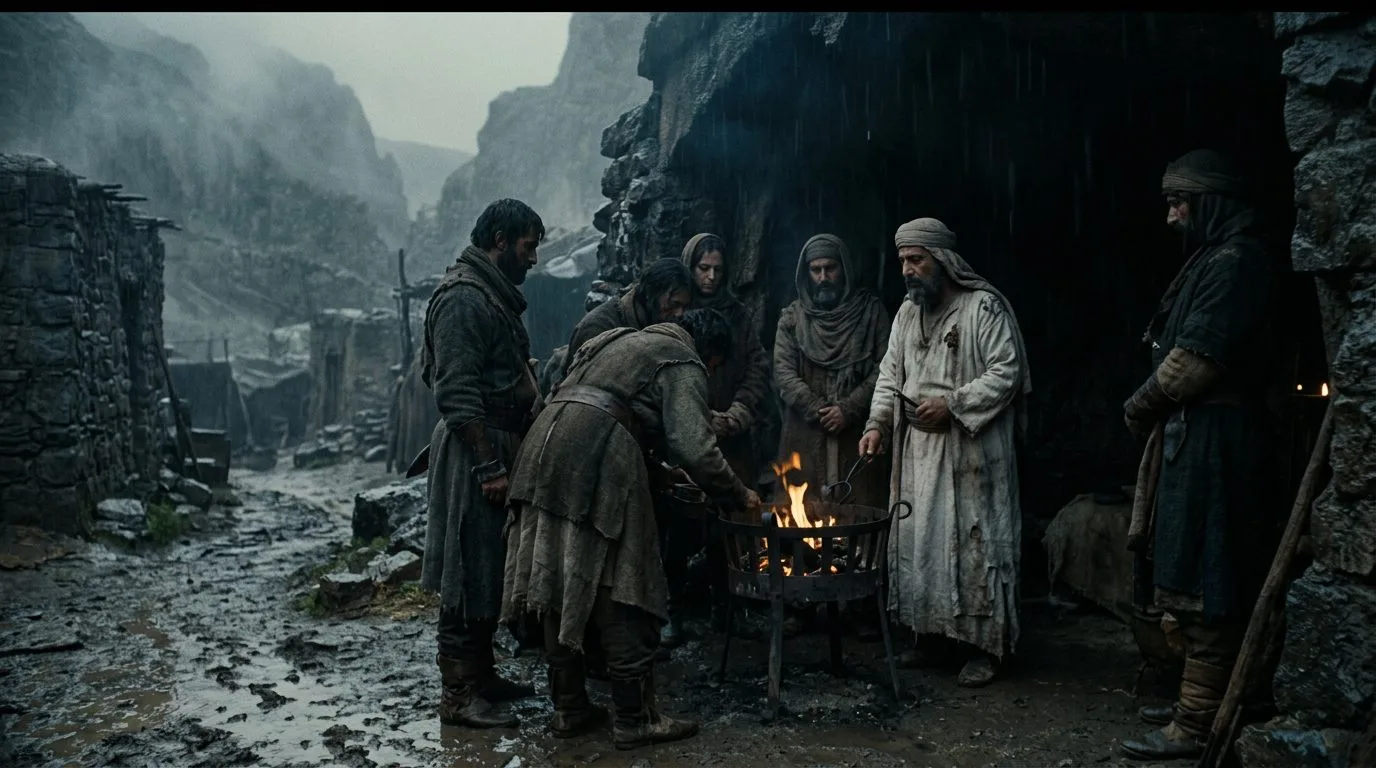
Zoroastrianism served as Persia’s official religion for 1,200 years, maintaining sacred fires that burned continuously in over 2,000 temples across the Sasanian Empire. Arab Muslim armies conquered Ctesiphon in 637 CE, beginning systematic conversion campaigns that offered Zoroastrians the choice of Islam, jizya tax, or death. The Abbasid Caliphate demolished the great fire temple of Adur Gushnasp in 750 CE, extinguishing flames that had burned since 400 BCE. Mass persecution between 850 and 950 CE drove 90% of Zoroastrians to convert, reducing the population from 15 million to fewer than 100,000. The desperate remnant fled to India in 936 CE aboard ships that legendarily carried embers from Persia’s eternal flames, preserving a religion that once rivaled Christianity in its geographic reach.
Source: britannica.com
8. Mystery Cults: Rome’s Secret Religions Dragged Into the Light
Mystery Cults
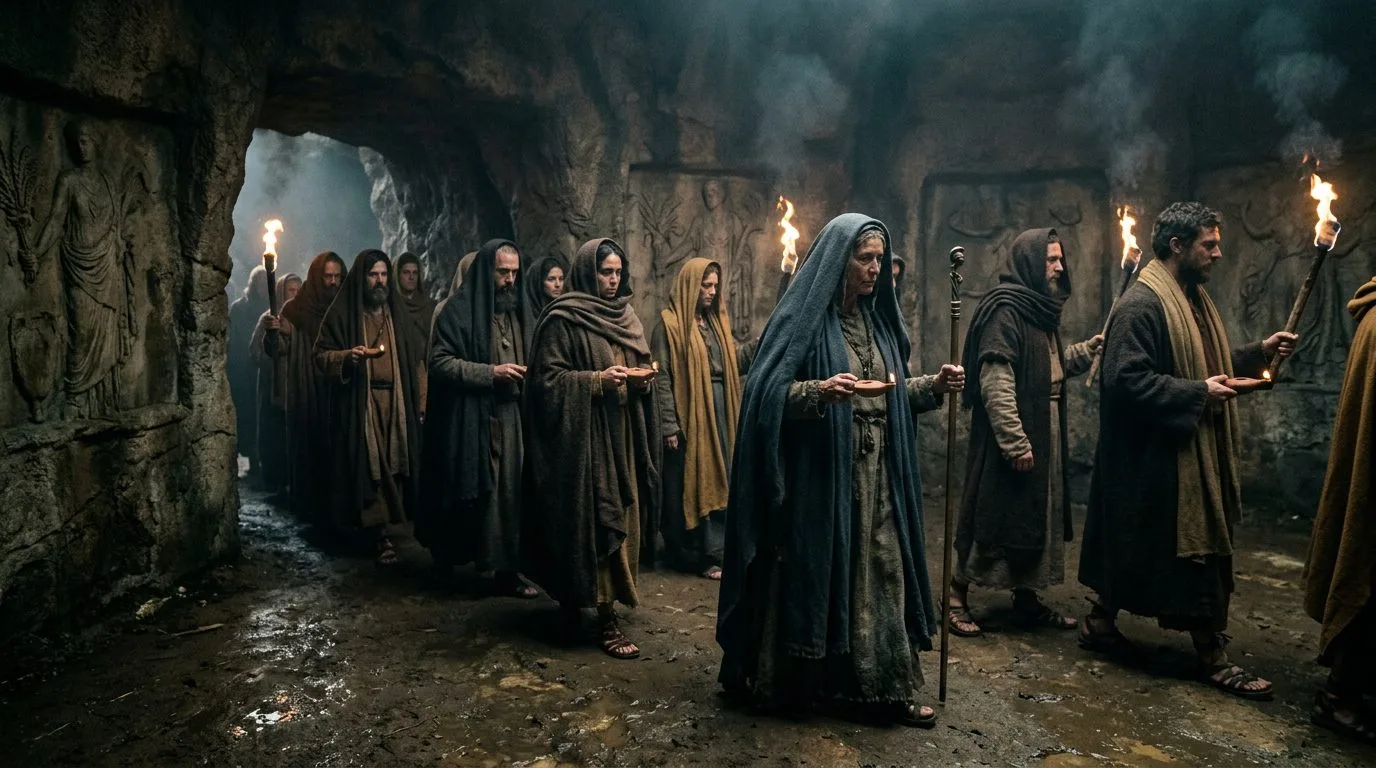
The Eleusinian Mysteries initiated participants into Demeter’s secrets for 2,000 years in underground chambers near Athens, revealing visions so profound that Plato claimed they removed the fear of death. Mithraism spread through Roman legions, establishing 680 underground temples across the empire by 300 CE, exclusively for male initiates who progressed through seven grades of enlightenment. Emperor Theodosius I issued the Theodosian Decrees in 391 CE, explicitly banning mystery cult initiation under penalty of death and confiscating temple properties. Christian mobs led by Bishop Theophilus destroyed the Serapeum of Alexandria in 392 CE, ending mysteries that had operated for 600 years. The last Eleusinian initiation occurred in 396 CE when Alaric’s Goths burned the sanctuary, silencing mysteries so sacred that initiates chose execution over revealing them.
Source: britannica.com
9. Bon: Tibet’s Shamanic Faith Pushed to the Margins

Bon
Bon shamans commanded Tibet’s spiritual landscape for centuries before Buddhism arrived, performing sky burials and animal sacrifices atop sacred mountains throughout the Yarlung Dynasty. King Trisong Detsen invited Indian Buddhist master Padmasambhava to Tibet in 760 CE, initiating systematic suppression of Bon monasteries and forced conversion of priests. The Tibetan Empire destroyed 300 Bon temples between 779 and 838 CE, executing monks who refused to adopt Buddhist practices. Bon practitioners fled to remote regions of western Tibet and Nepal, preserving traditions by disguising their rituals with Buddhist terminology. The 14th Dalai Lama officially recognized Bon as Tibet’s fifth Buddhist school in the late 20th century, acknowledging a faith that survived 1,200 years of marginalization by absorbing enough Buddhist elements to avoid complete extinction.
Source: britannica.com
10. Catharism: The Perfect Christians Rome Massacred

Catharism: The Perfect Christians Rome Massacred
Cathar perfecti renounced all material possessions and practiced strict vegetarianism, building a dualist Christian faith that attracted 500,000 followers across southern France by 1200 CE. Pope Innocent III launched the Albigensian Crusade in 1209 CE after his legate was murdered, offering northern French nobles the lands of any Cathar sympathizer. The Massacre at Béziers on July 22, 1209 CE killed between 15,000 and 20,000 people when crusaders were told to slay everyone because God would know His own. The siege of Montségur in 1244 CE ended with 225 perfecti burned alive in a single pyre, refusing to recant even as flames consumed them. The Inquisition hunted surviving Cathars for another century, executing the last known perfecti, Guillaume Bélibaste, in 1321 CE and erasing a medieval alternative to Catholic Christianity that once governed entire provinces.
Source: britannica.com
Did You Know?
Did You Know? Manichaeism, once practiced from Spain to China, survives today in a single word: the term ‘Manichean’ meaning black-and-white thinking. Meanwhile, Zoroastrianism’s sacred fires, extinguished across Persia in the 8th century, still burn in Indian fire temples maintained by descendants who fled over a millennium ago—making them potentially the oldest continuously burning flames in human history, outlasting the empire that tried to snuff them out.