
Why do humans die? Ancient civilizations crafted wildly different answers. The Sumerians blamed a serpent, the Aztecs required blood sacrifice, and one Polynesian goddess killed because of sexual rejection. These 10 creation myths reveal how cultures explained mortality’s dark gift.
1. Gilgamesh’s Serpent Stole Humanity’s Only Chance at Immortality

The serpent takes the immortal plant from
In the Epic of Gilgamesh, composed around 2100 BCE in ancient Sumer, death entered the world through a snake’s theft. King Gilgamesh journeyed to the edge of the world and retrieved a thorny plant that restored youth. While bathing in a pool, a serpent smelled the plant’s sweetness, consumed it, and shed its skin—gaining the immortality meant for humans. This ancient text explains death not as punishment but as theft, making mortality humanity’s permanent condition. The snake still sheds its skin today, a constant reminder of what humans lost.
Source: britannica.com
2. Egyptian Ma’at Required Death to Maintain Universal Order
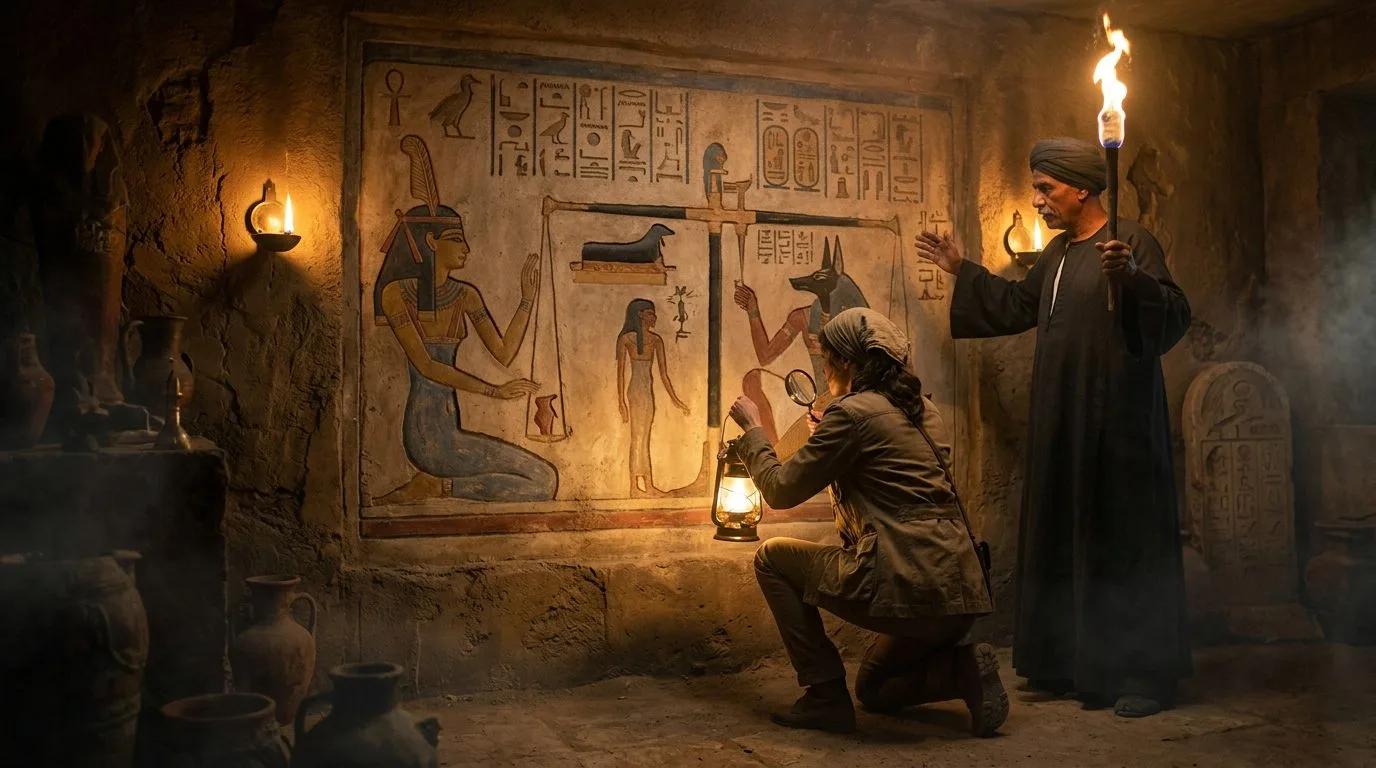
Death rituals upheld cosmic balance in Egypt.
Ancient Egyptian theology, codified in the Pyramid Texts around 2400 BCE, positioned death as essential cosmic balance rather than tragedy. The goddess Ma’at personified truth and order, weighing each heart against her feather after death. Without mortality, the cycle of rebirth through the Duat underworld would cease, disrupting the sun god Ra’s nightly journey. Egyptian priests taught that 42 divine judges required death to separate the righteous from the wicked. This worldview made death a gateway, not an ending—the wealthy spent fortunes on elaborate tombs to ensure proper passage.
Source: britannica.com
3. Pandora Released Death From Zeus’s Forbidden Storage Jar
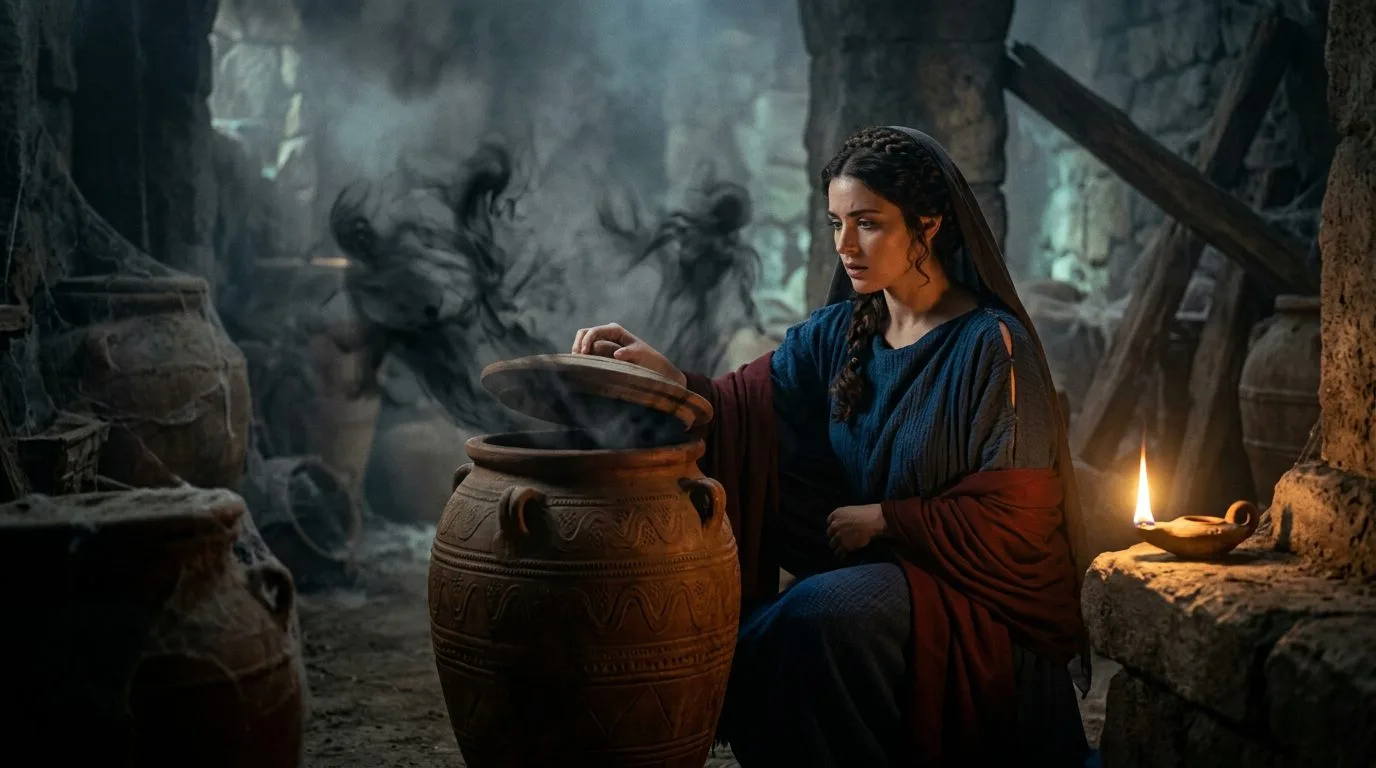
Pandora opens Zeus’s jar, releasing evil.
Greek poet Hesiod wrote in Theogony around 700 BCE that death escaped from a pithos—a large storage jar, not a box—when Pandora opened it against divine command. Zeus created Pandora as punishment for Prometheus stealing fire, sending her to earth with the sealed jar containing all evils including death, disease, and suffering. Her curiosity released these afflictions upon humanity within moments. Only hope remained trapped inside when Pandora slammed the lid shut. This myth blamed human mortality on feminine curiosity and divine retribution, shaping Western attitudes toward women for millennia.
Source: britannica.com
4. Norse Yggdrasil Rooted Death Into Reality’s Foundation
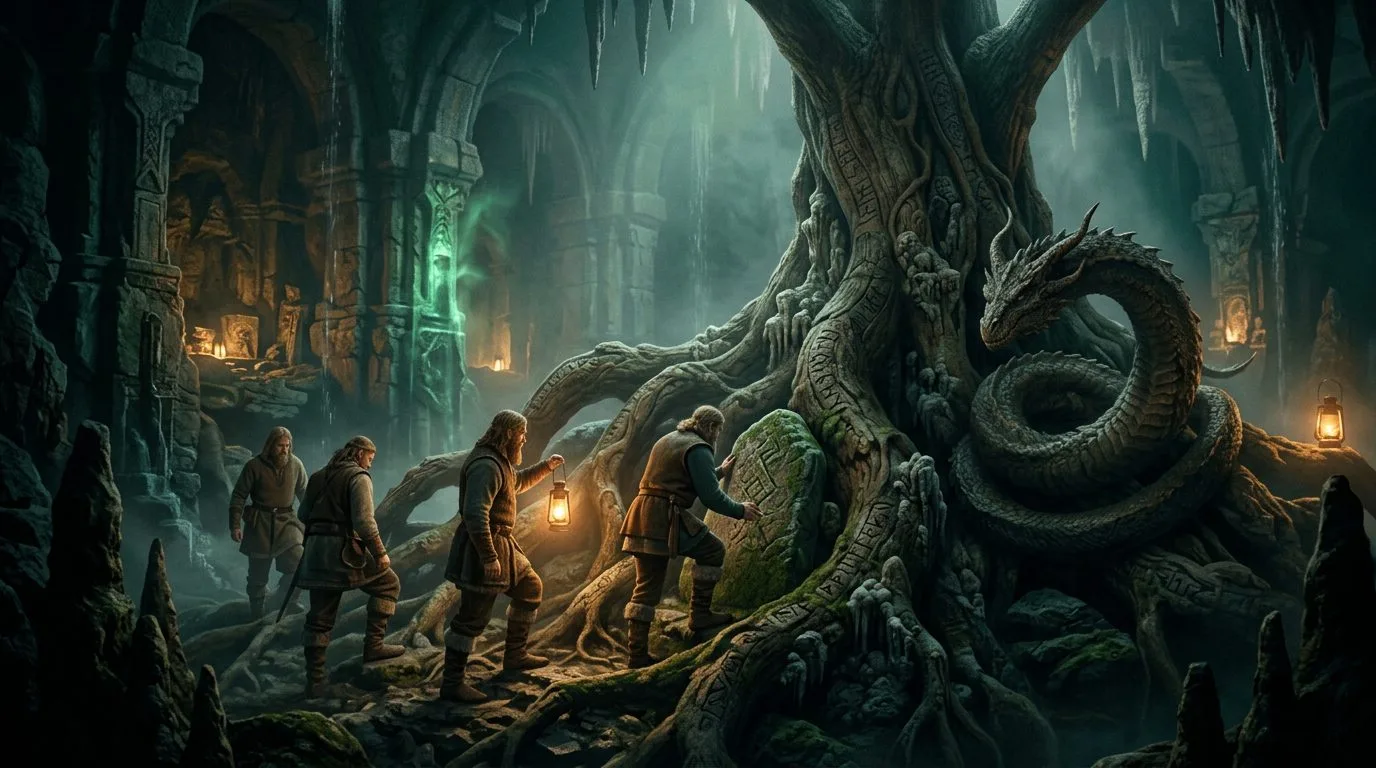
The World Tree binding life and death.
The Prose Edda, compiled by Snorri Sturluson in the early 13th century CE from older oral traditions, describes Yggdrasil—the world-tree connecting nine realms. At its roots dwells Níðhöggr, a dragon that gnaws constantly at the tree while 4 stags devour its branches. This eternal damage represented death woven into existence itself, not added later. Norse cosmology accepted that even gods would die at Ragnarök, the twilight of the gods. Odin sacrificed himself by hanging from Yggdrasil for 9 nights to gain wisdom about death. Vikings saw mortality as honorable fate, not punishment.
Source: britannica.com
5. Hindu Yama Brought Death as Dharma’s Necessary Function
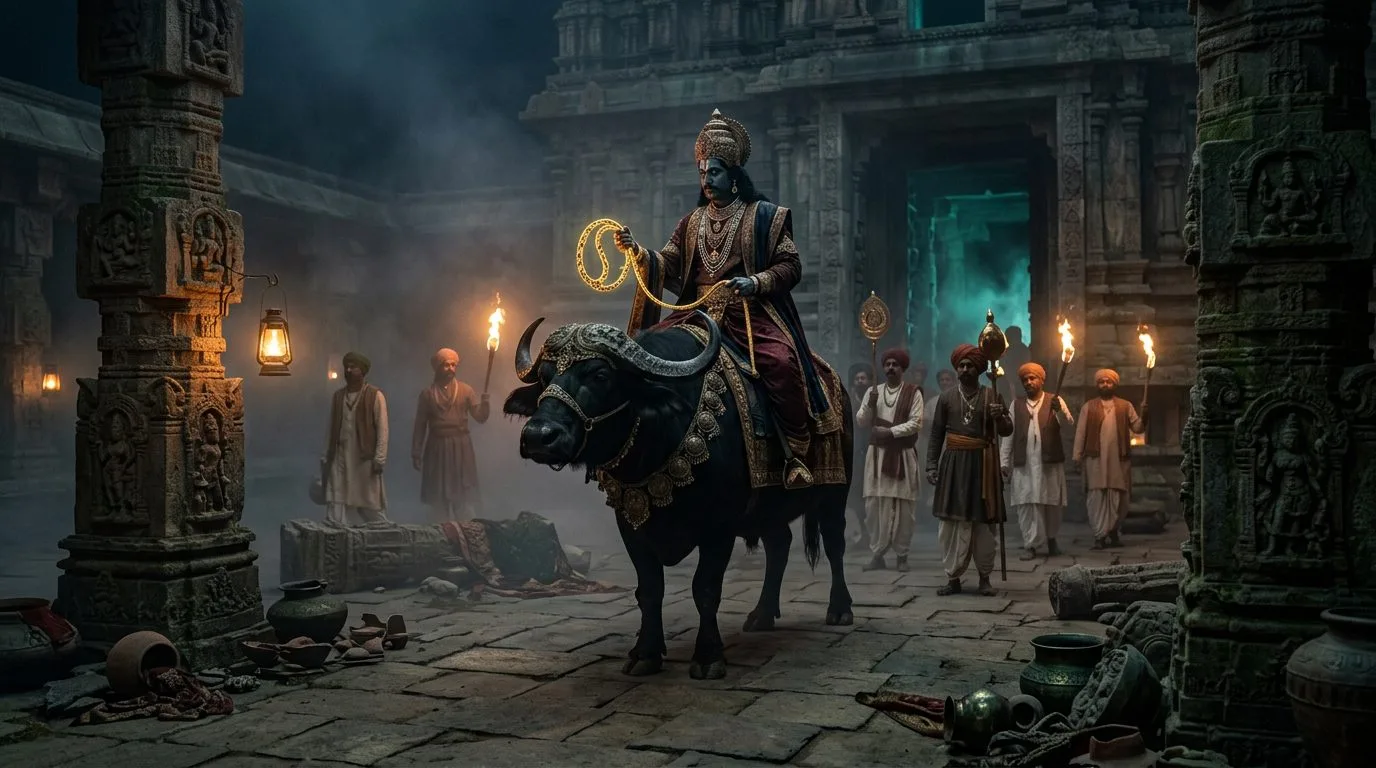
Yama enforces cosmic order through death’s sacred
The Mahabharata, composed between 400 BCE and 400 CE, introduces Yama as the first mortal who died and became death’s lord. Yama rides a black buffalo, carrying a noose to extract souls at their destined moment. Hindu philosophy presents death not as evil but as dharma—cosmic duty maintaining the cycle of samsara. Without death, souls could never advance through reincarnation toward moksha, or liberation. The text describes Yama as righteous judge, not executioner, who weighs karma accumulated across lifetimes. Death serves spiritual evolution in this framework.
Source: britannica.com
6. Aztec Gods Required Death to Fuel the Fifth Sun’s Movement
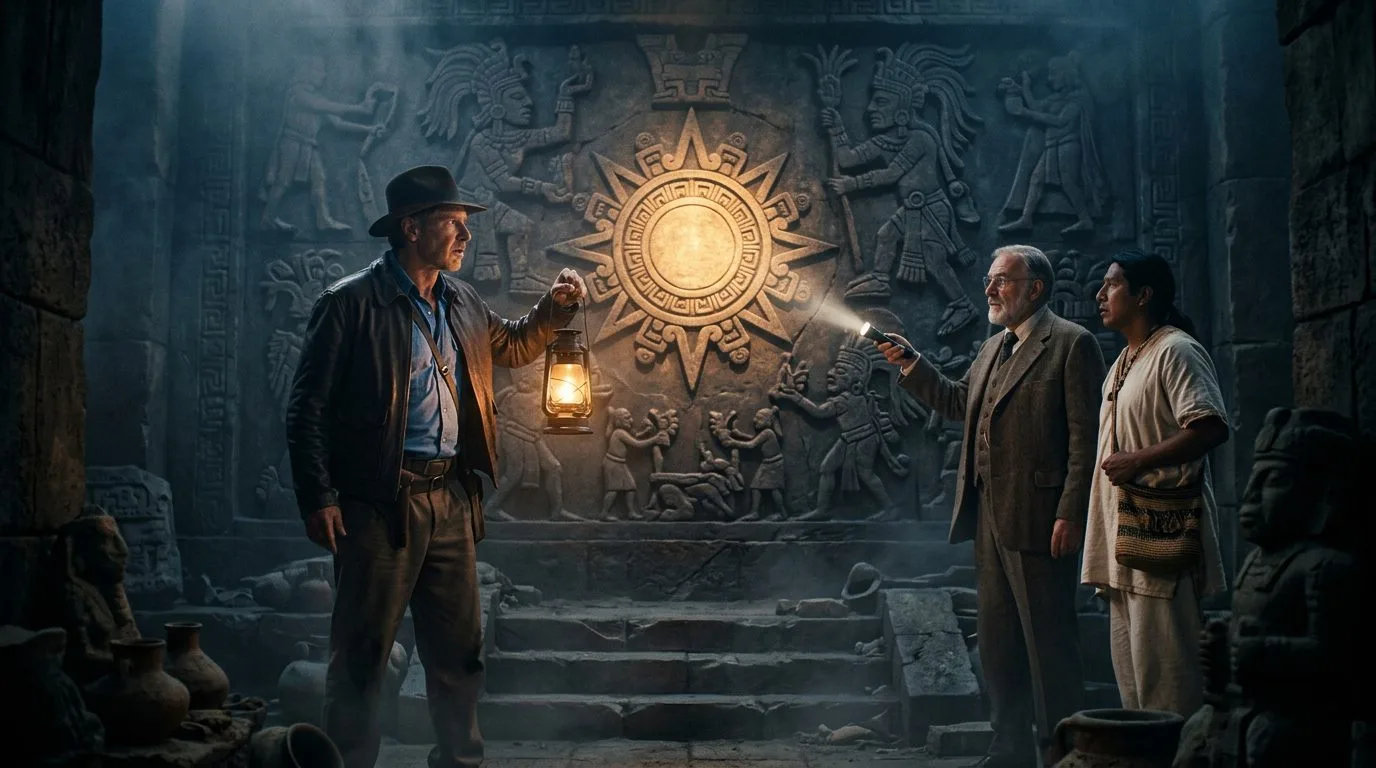
Aztec ritual sacrifice sustains cosmic order.
Aztec cosmology, recorded in the Codex Chimalpopoca from pre-conquest traditions, taught that the current world—the Fifth Sun—required constant human sacrifice to prevent cosmic collapse. The god Nanahuatzin threw himself into a divine fire to become the sun, but remained motionless until other gods sacrificed their blood to animate him. Aztec priests conducted an estimated 20,000 human sacrifices annually in Tenochtitlan to repay this blood debt. Death was not punishment but necessary fuel for existence itself. Without it, the sun would freeze and humanity would perish in darkness.
Source: britannica.com
7. Aboriginal Dreamtime Made Death Permanent for Breaking Sacred Law
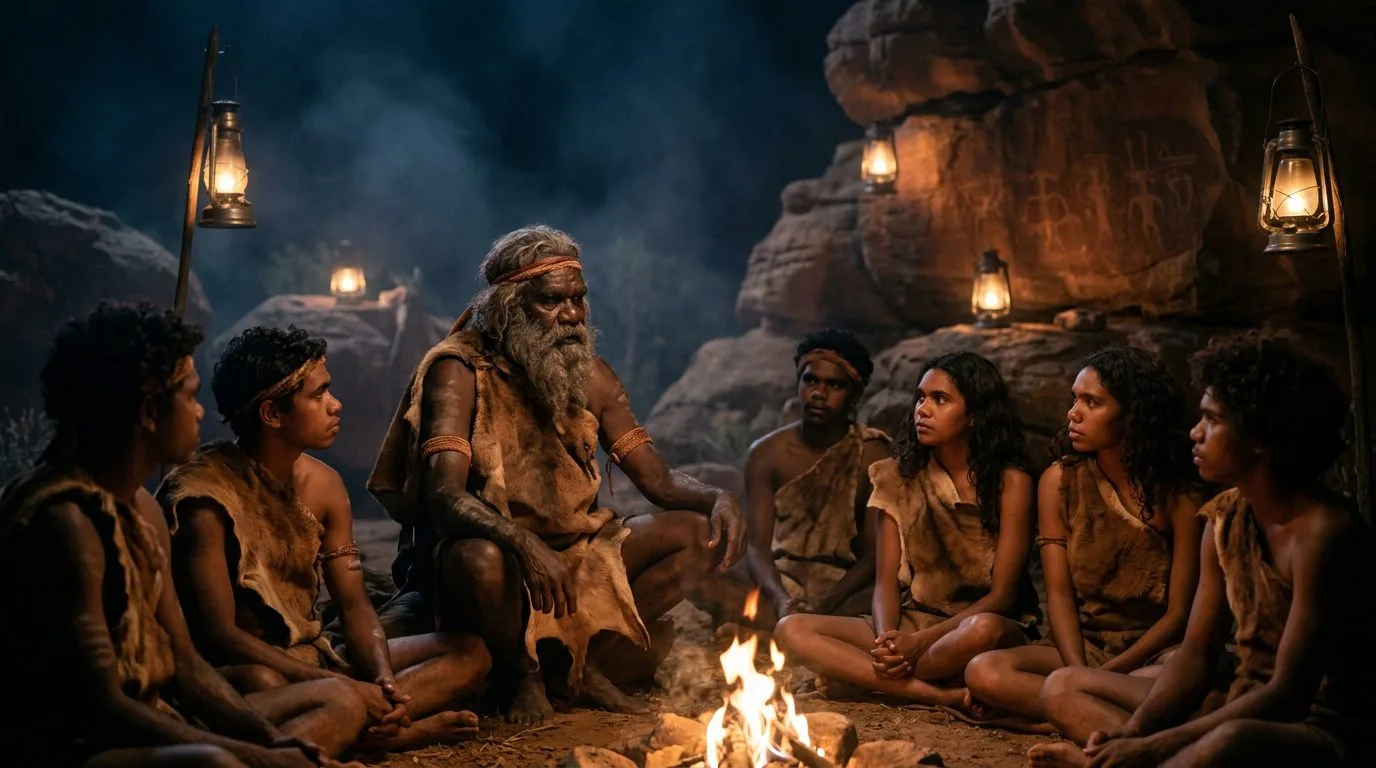
Sacred law breaches brought eternal consequences.
Australian Aboriginal Dreamtime stories, passed orally for countless generations, describe an era when death was temporary—people simply shed skins like snakes. The moon demonstrated this by dying and regenerating monthly. However, when humans violated kinship laws and sacred prohibitions, the ancestors decreed permanent death as punishment. Different Aboriginal nations cite different transgressions: some blame incest, others theft of sacred objects. The Yolngu people tell how the moon pleaded to share its resurrection power with humans, but ancestral beings refused. Death became irrevocable law, not natural occurrence.
Source: britannica.com
8. Maori Goddess Killed Humanity Because Maui Failed to Seduce Her
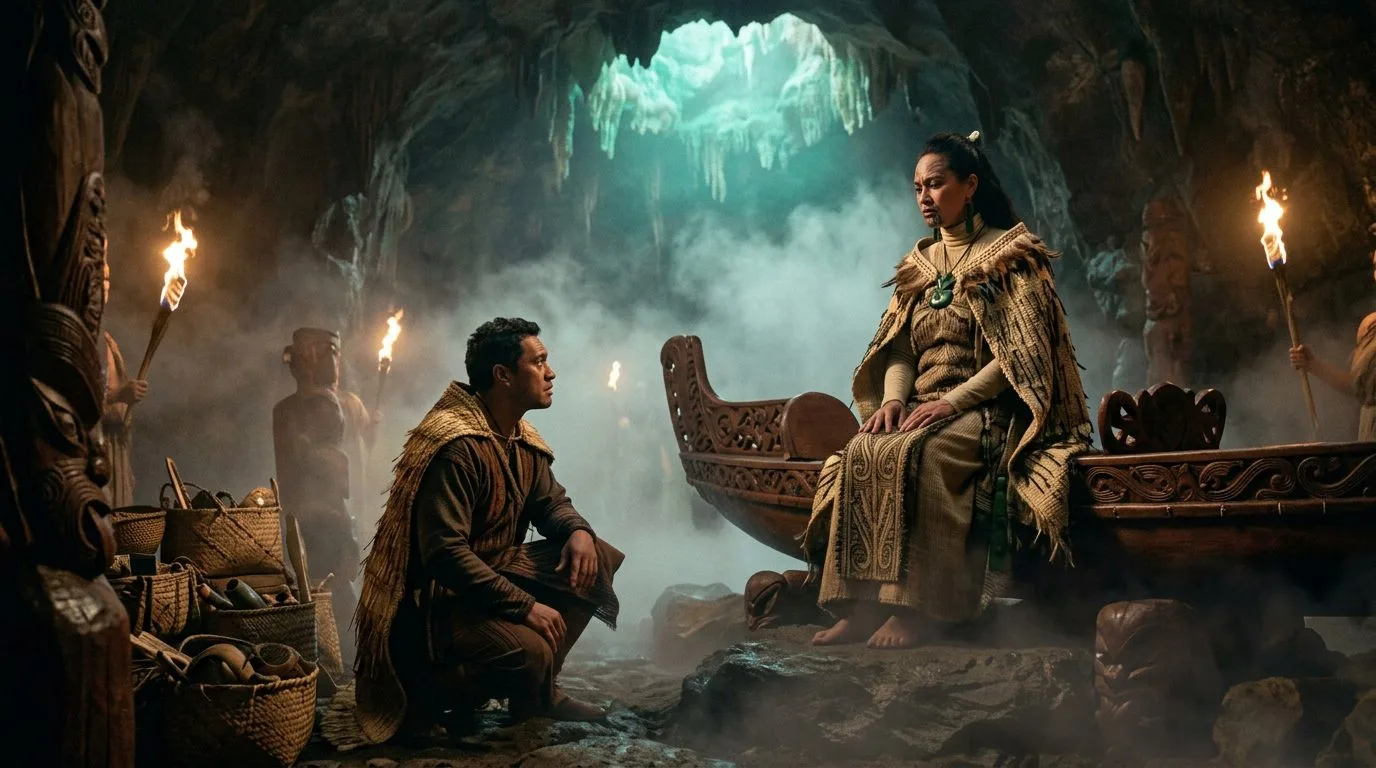
Hine-nui-te-pō’s revenge on humankind.
Maori oral traditions, recorded by European scholars in the early 19th century, explain death through the hero Maui‘s failed sexual conquest. Hine-nui-te-pō, goddess of night and death, slept with legs apart at the underworld’s entrance. Maui attempted to crawl through her body and emerge from her mouth, which would reverse the birth process and grant humans immortality. A small bird laughed at the sight, waking the goddess, who crushed Maui between her obsidian teeth. This act sealed mortality for all humans. The myth uniquely links death to sexual failure and divine female power over life’s boundaries.
Source: britannica.com
9. Inanna’s Descent Established Death as One-Way Underworld Journey
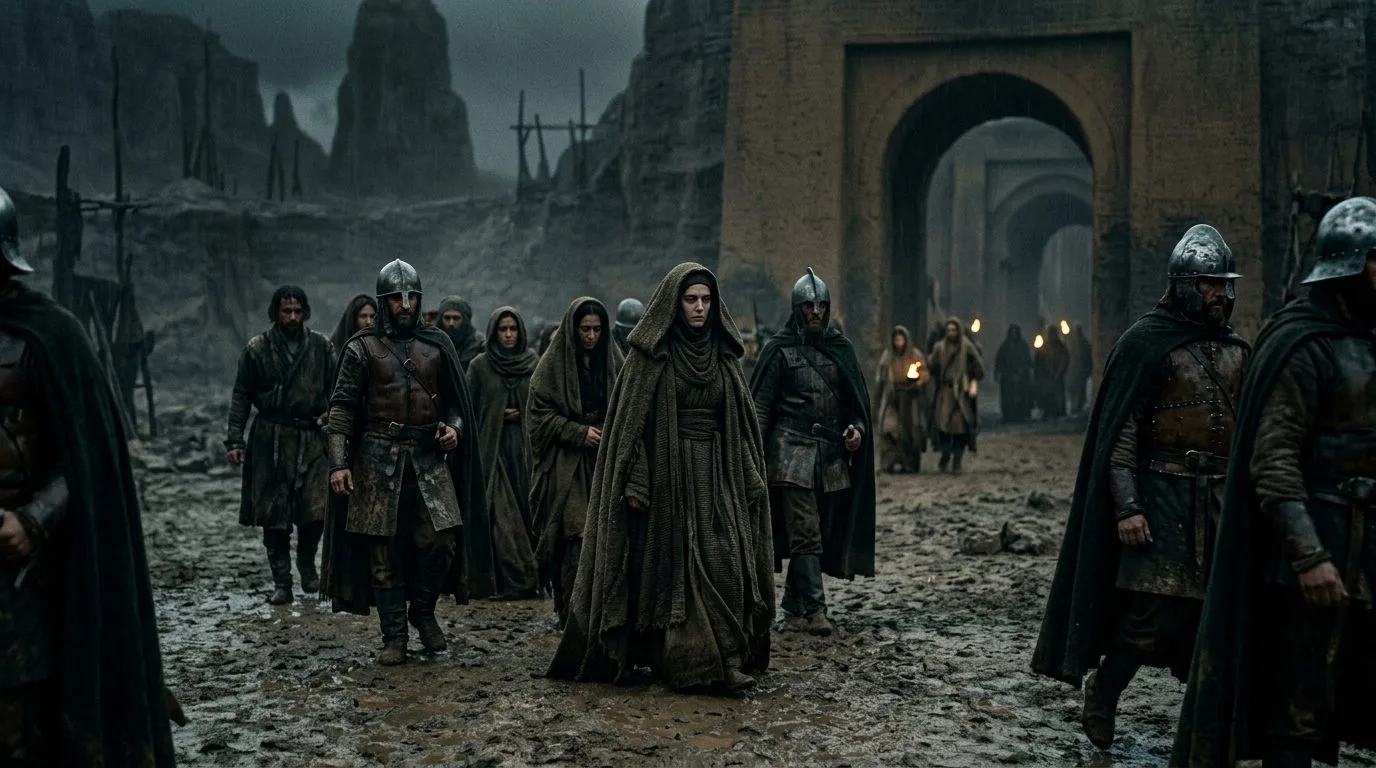
Inanna’s Descent Established Death as
The Sumerian poem Inanna‘s Descent, written around 1900 BCE, chronicles the goddess Inanna journeying to the underworld ruled by her sister Ereshkigal. At each of 7 gates, guardians stripped away Inanna’s divine garments and powers. She arrived naked and powerless, then died and hung on a meat hook for 3 days. Only through substitute sacrifice—her husband Dumuzi—could she return. This myth established death’s fundamental rule: the underworld demands equivalent exchange. Mesopotamians buried the dead with grave goods to pay underworld tolls, a practice inspired by Inanna’s stripped journey.
Source: britannica.com
10. Pangu Created Life by Dying and Transforming Into the Cosmos
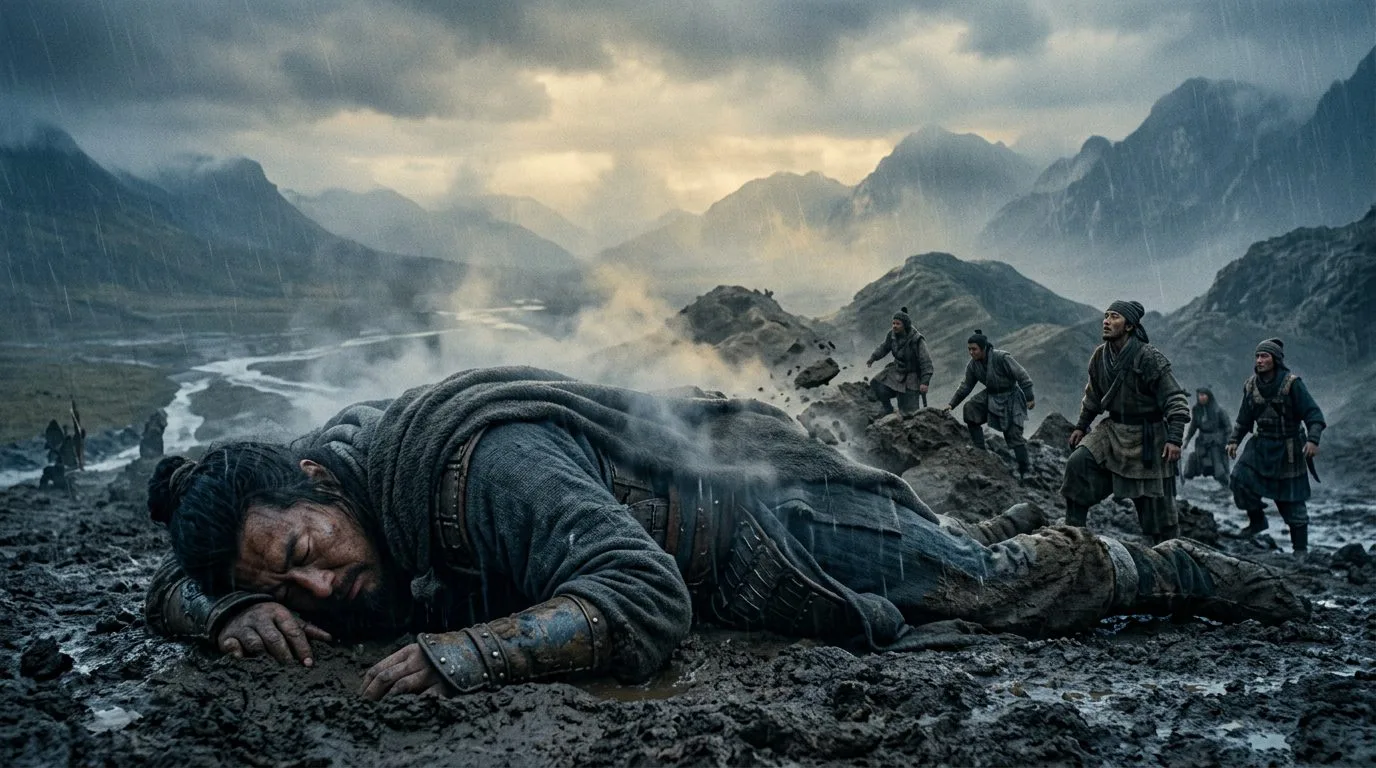
Pangu Created Life by Dying and Transforming Into
Chinese creation mythology, first recorded in texts from the 3rd century CE, describes the giant Pangu hatching from a cosmic egg and separating yin from yang. After 18,000 years shaping the world, Pangu died—but his death created life itself. His breath became wind, his voice thunder, his left eye the sun, his right eye the moon. His blood formed rivers, his hair became stars, and his parasites transformed into humanity. This myth presents death not as ending but as ultimate creative act. Chinese philosophy embraced death as transformation rather than cessation, influencing Taoist immortality practices for millennia.
Source: britannica.com
Did You Know?
Did You Know? The Aztecs and Aboriginal Australians independently concluded death was preventable—but humans lost the chance through moral failure. Meanwhile, Chinese and Egyptian myths celebrated death as creative transformation, making elaborate tombs and ancestor worship central to civilization. The real twist: cultures with gentle afterlives (Egypt, China) built the most enduring monuments to death, while those believing in harsh judgment (Christianity, Islam) arrived thousands of years later with entirely different burial customs.