
The Great Pyramid wasn’t built by the most powerful pharaoh—it was built by one who’s barely remembered. Ancient Egypt spanned 3,000 years and over 170 rulers, yet we only talk about five or six. These forgotten pharaohs left monuments that still mystify archaeologists.
1. Djoser Invented the Pyramid by Accident
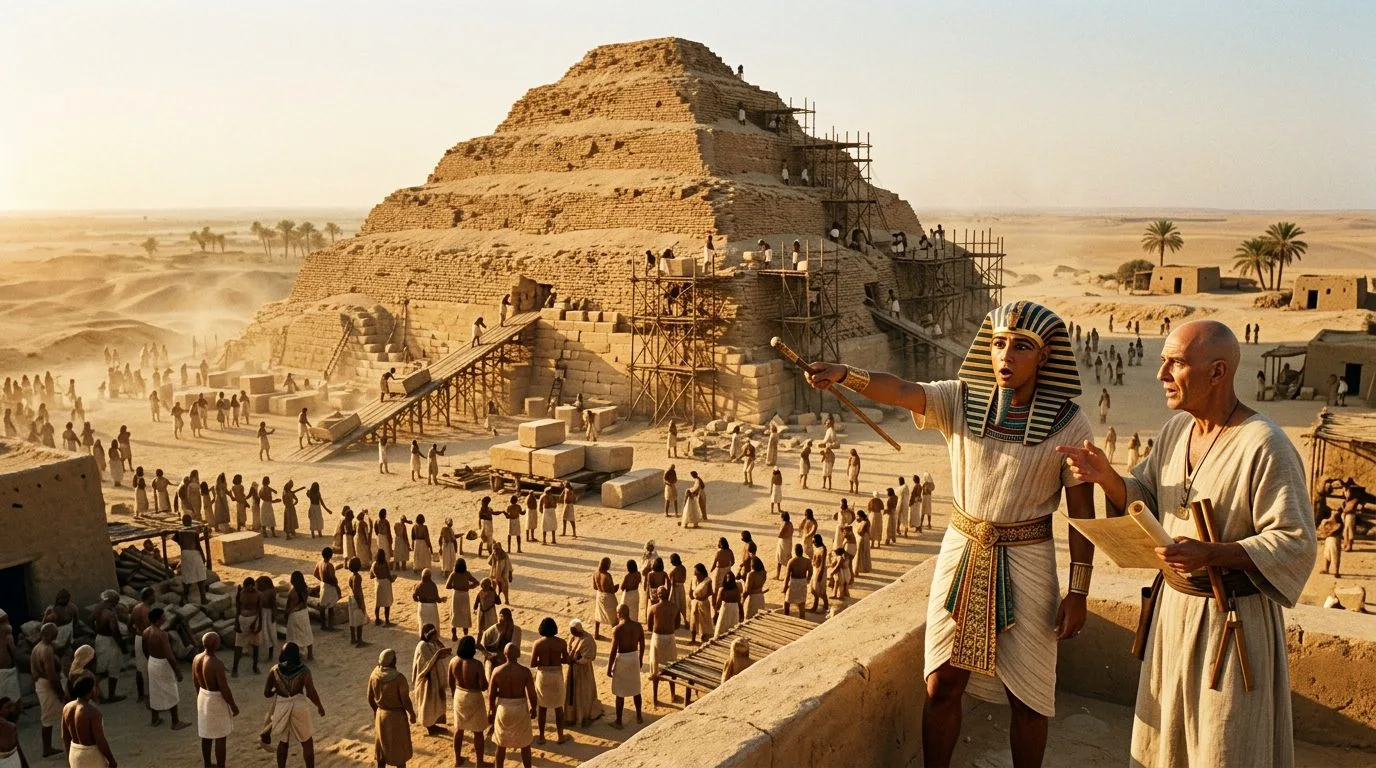
Djoser Invented the Pyramid by Accident
Djoser‘s architect Imhotep literally invented the pyramid around 2630 BCE by stacking six mastabas on top of each other—creating the Step Pyramid at Saqqara. This wasn’t planned as a pyramid; Imhotep kept expanding the tomb upward, adding layers until it reached 203 feet. The complex beneath contains 3.5 miles of tunnels, chambers, and shafts decorated with blue faience tiles—the first large-scale use of this glazed ceramic in architecture. Djoser’s experimental monument accidentally launched a building tradition that would define Egypt for 1,000 years, yet most visitors to Giza have never heard his name.
Source: britannica.com
2. Sneferu Built Four Pyramids Because He Kept Getting It Wrong
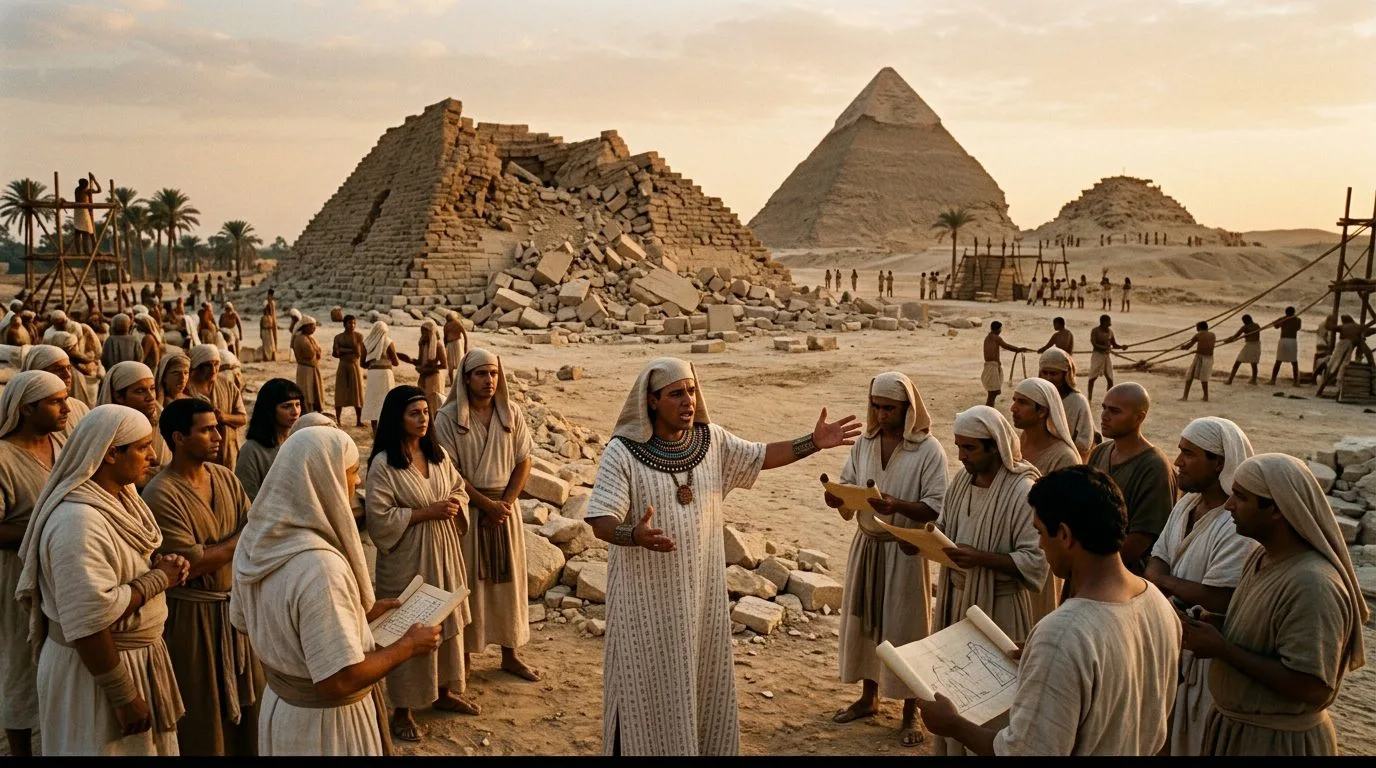
Sneferu’s pyramid experiments spanned decades.
Sneferu constructed more stone monuments than any other pharaoh—approximately 3.6 million cubic meters—because his first three pyramids were failures. Around 2600 BCE, his Meidum Pyramid collapsed during construction. His second attempt, the Bent Pyramid, started caving inward at 54 degrees, forcing builders to change the angle mid-construction. Only his fourth pyramid at Dahshur achieved the smooth-sided design we recognize today. Sneferu commissioned more building projects than his son Khufu, who built the Great Pyramid, yet remains virtually unknown outside academic circles despite pioneering the true pyramid form.
Source: britannica.com
3. Pepi II Ruled for 94 Years and Watched Egypt Crumble
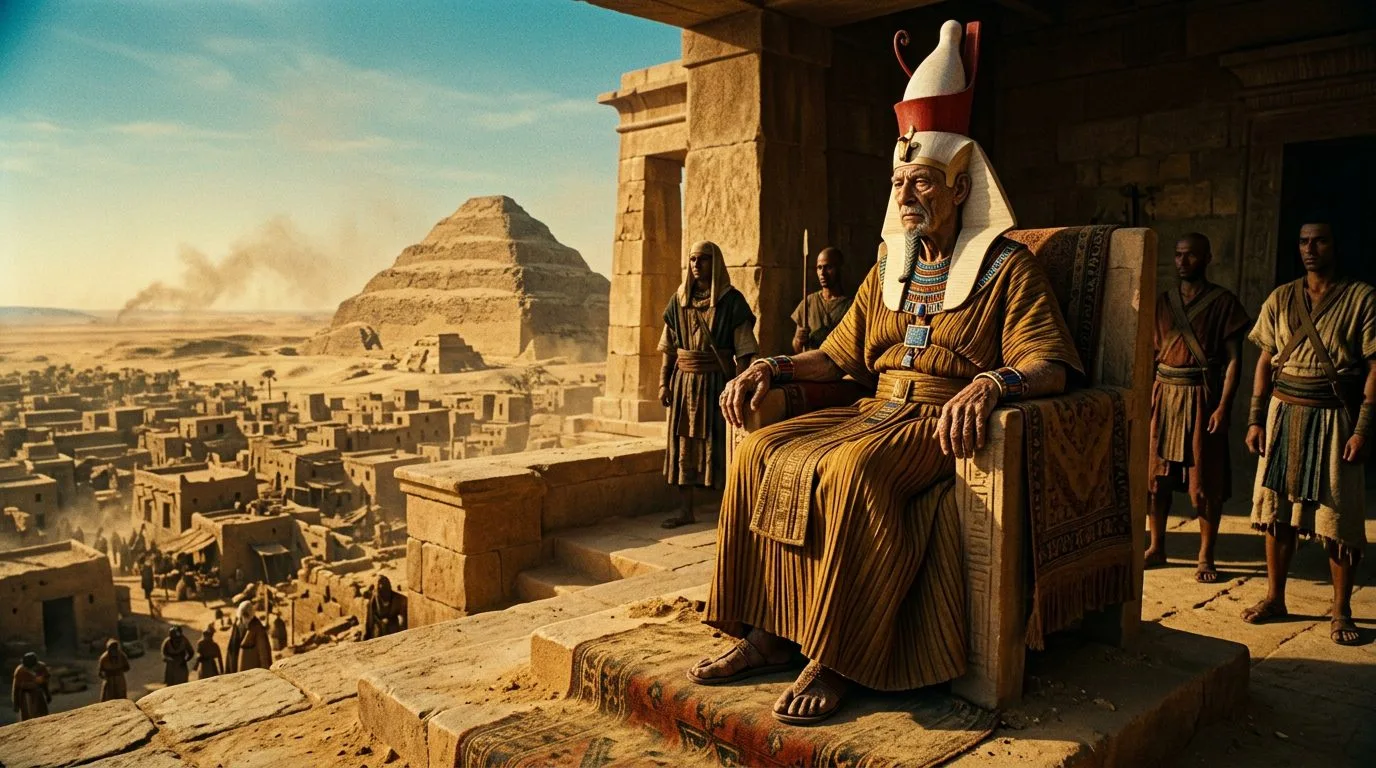
Pepi II’s long reign saw Egypt’s power fade away.
Pepi II ascended the throne around 2278 BCE at age six and ruled until approximately 2184 BCE—making his 94-year reign the longest of any monarch in recorded history. His pyramid complex at Saqqara contains some of the most extensive Pyramid Texts ever discovered, with over 800 spells carved into the burial chambers. By the time he died in his late 90s, regional governors had become so powerful that central authority collapsed immediately after his death, plunging Egypt into the First Intermediate Period. His excessive longevity paradoxically destroyed the Old Kingdom he’d ruled for nearly a century.
Source: britannica.com
4. Mentuhotep II Built a Temple That Looks Like No Other in Egypt
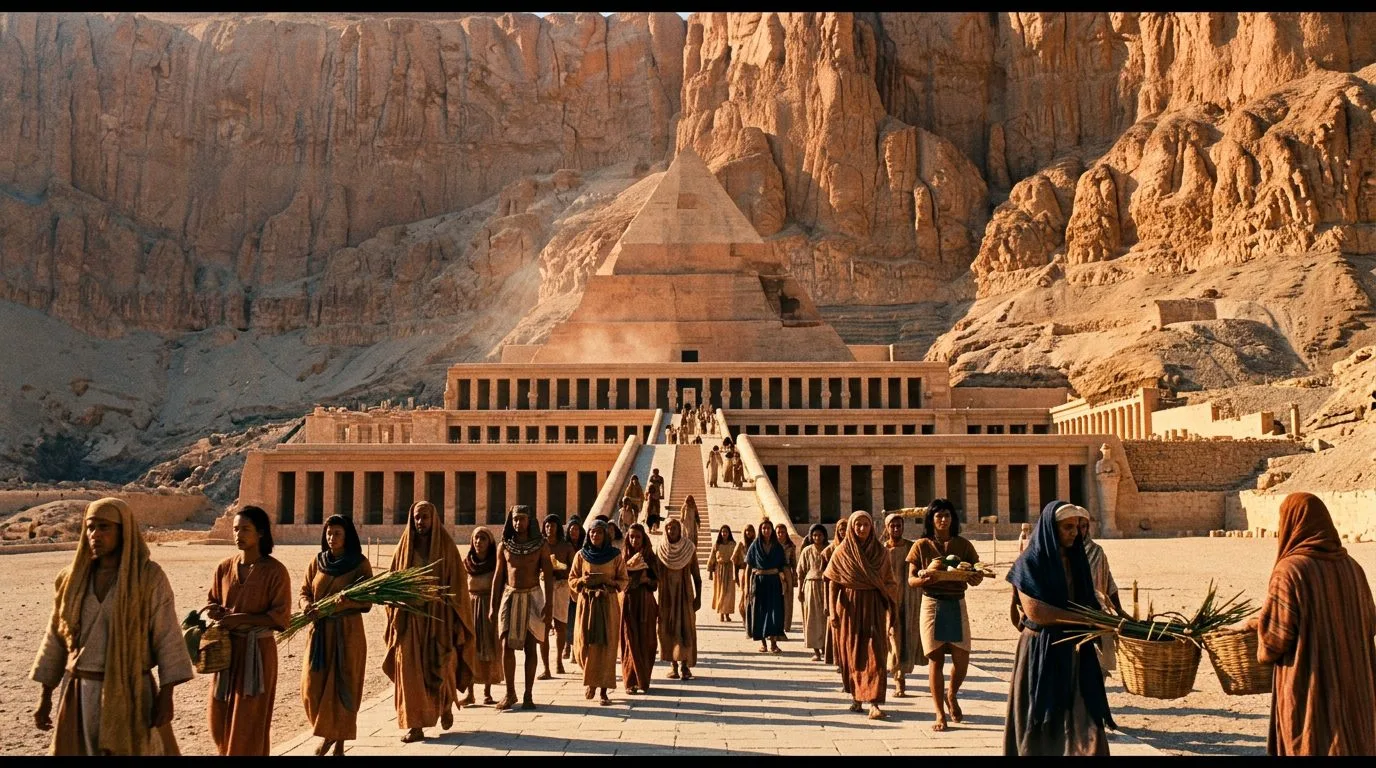
Mortuary temple with terraced architecture at
Mentuhotep II reunified Egypt around 2040 BCE after 150 years of civil war, then commissioned a temple at Deir el-Bahari so unusual that archaeologists initially thought it was a pyramid-temple hybrid. The structure features terraced levels rising against limestone cliffs, with a central edifice that may have been topped with a small pyramid. His architect created a design 500 years ahead of its time—Hatshepsut would later copy this exact location and style for her famous mortuary temple directly next door. Despite ending Egypt’s dark age and ruling for 51 years, Mentuhotep II remains overshadowed by the female pharaoh who borrowed his architectural vision.
Source: britannica.com
5. Senusret III Built 17 Fortresses to Create History’s First Border Wall
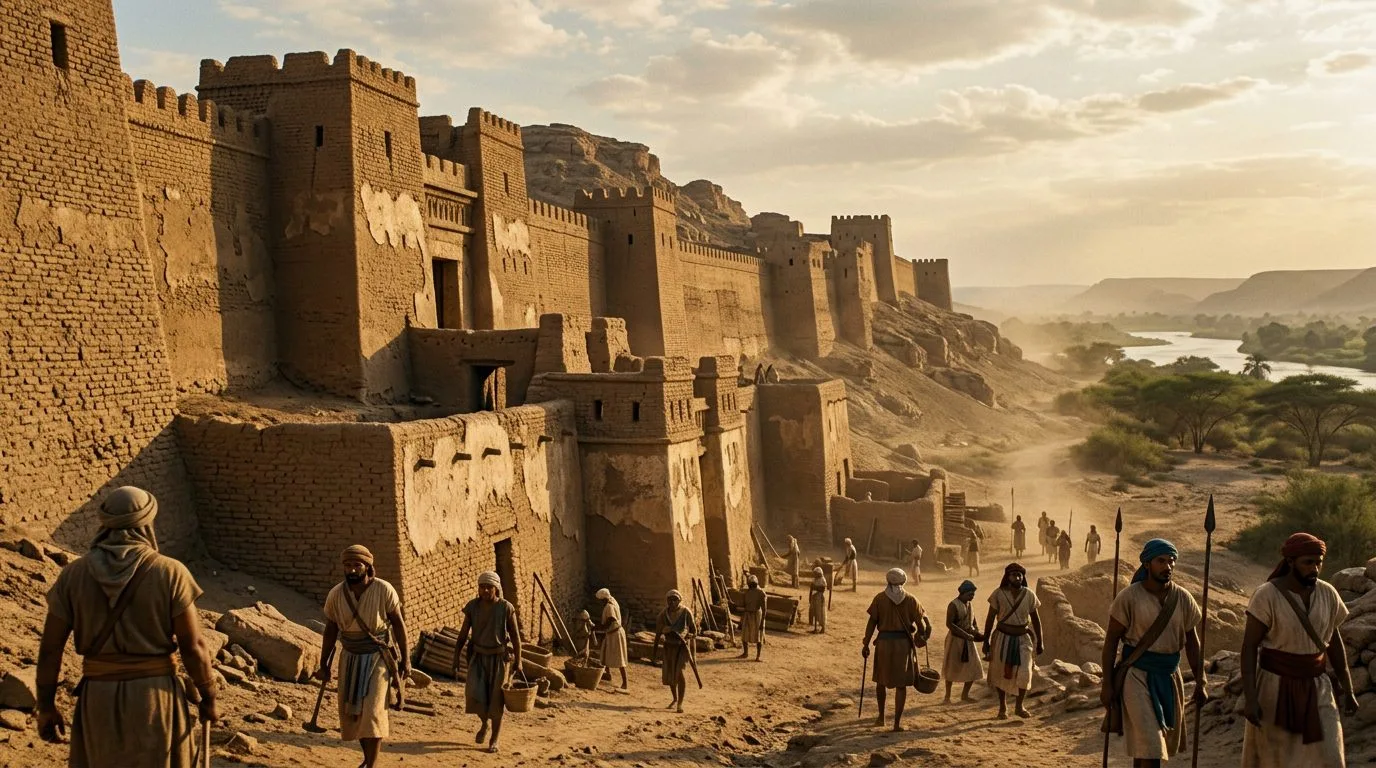
Ancient Egypt’s fortified frontier defense system.
Senusret III constructed a network of 17 massive mud-brick fortresses along the Nubian frontier around 1860 BCE, creating the ancient world’s most sophisticated border defense system. The fortress at Buhen featured walls 36 feet high and 16 feet thick, with battlements, drawbridges, and moats—military architecture that wouldn’t be matched in Europe for 2,000 years. He pushed Egypt’s southern boundary to the Second Cataract and left inscriptions warning that any Nubian crossing without permission would be killed. His fortress system protected Egyptian trade routes for 400 years, yet he’s rarely mentioned despite being one of the Middle Kingdom’s greatest military strategists.
Source: britannica.com
6. Thutmose II Was Erased From History by His Own Wife
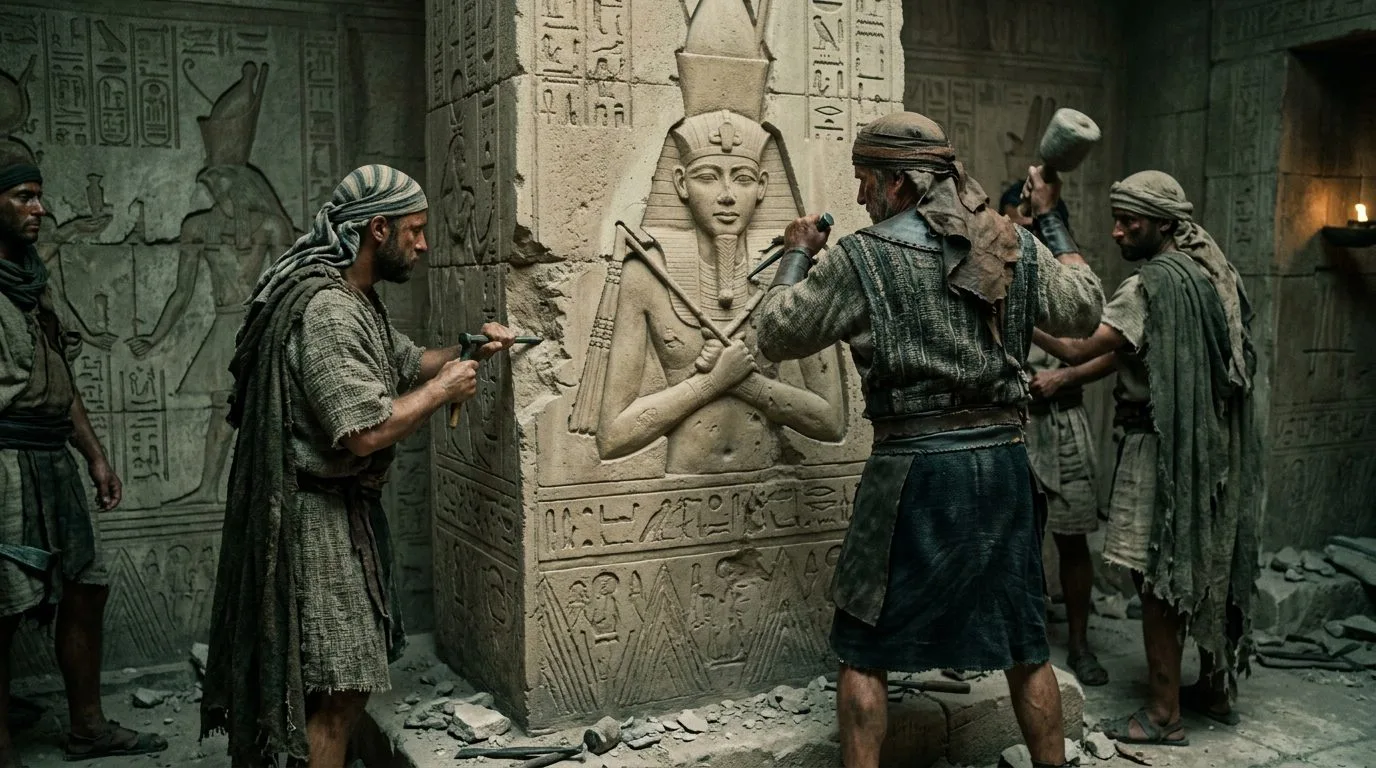
Thutmose II Was Erased From History by His Own
Thutmose II ruled Egypt around 1492 BCE for approximately 13 years, but his monuments were systematically usurped by his wife Hatshepsut after his death. He commissioned significant construction projects at Karnak Temple, including the Festival Hall’s southern entrance, but Hatshepsut later carved her own name over his cartouches. Only four statues of Thutmose II survive—fewer than almost any New Kingdom pharaoh—because his widow spent two decades erasing his legacy while claiming sole credit for their co-regency. His military campaigns in Nubia and Syria were substantial, yet he’s remembered merely as the sickly husband who died young and let a woman take his throne.
Source: britannica.com
7. Ay Ruled Egypt for Four Years and Left One Massive Mystery
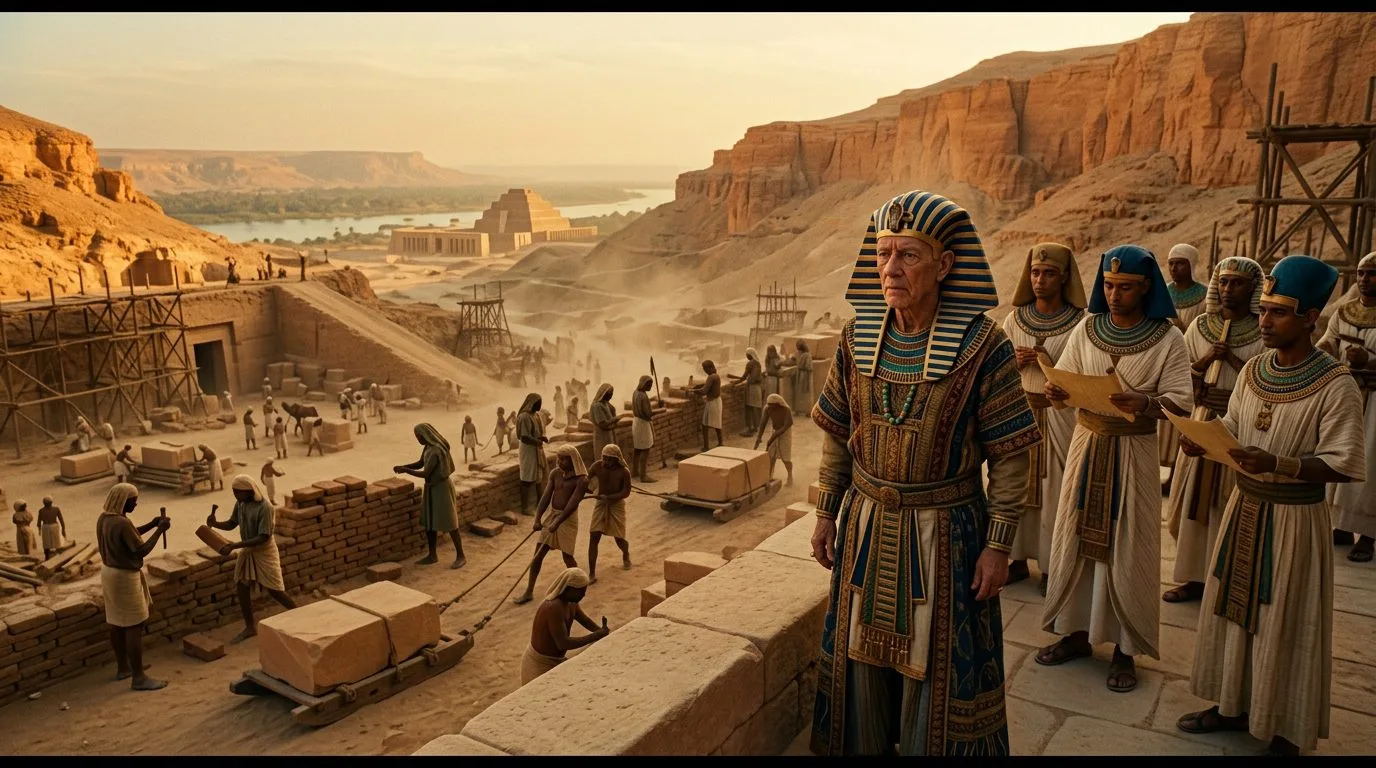
Pharaoh Ay’s brief reign left behind unanswered
Ay became pharaoh around 1323 BCE immediately after Tutankhamun‘s suspicious death, ruling until approximately 1319 BCE despite being approximately 70 years old. His tomb in the Western Valley of the Kings (WV23) contains the only complete version of the hymn to the sun god Aten found in any royal tomb—suggesting he maintained Akhenaten‘s religious reforms in secret. He usurped Tutankhamun’s planned tomb and funeral equipment, then had his own cartouches systematically erased after death by his successor Horemheb. Ay’s four-year reign remains one of ancient Egypt’s greatest enigmas: was he Tutankhamun’s murderer, protector, or simply an opportunistic official who seized power during chaos?
Source: britannica.com
8. Taharqa Built More Monuments Than Any Pharaoh in 400 Years
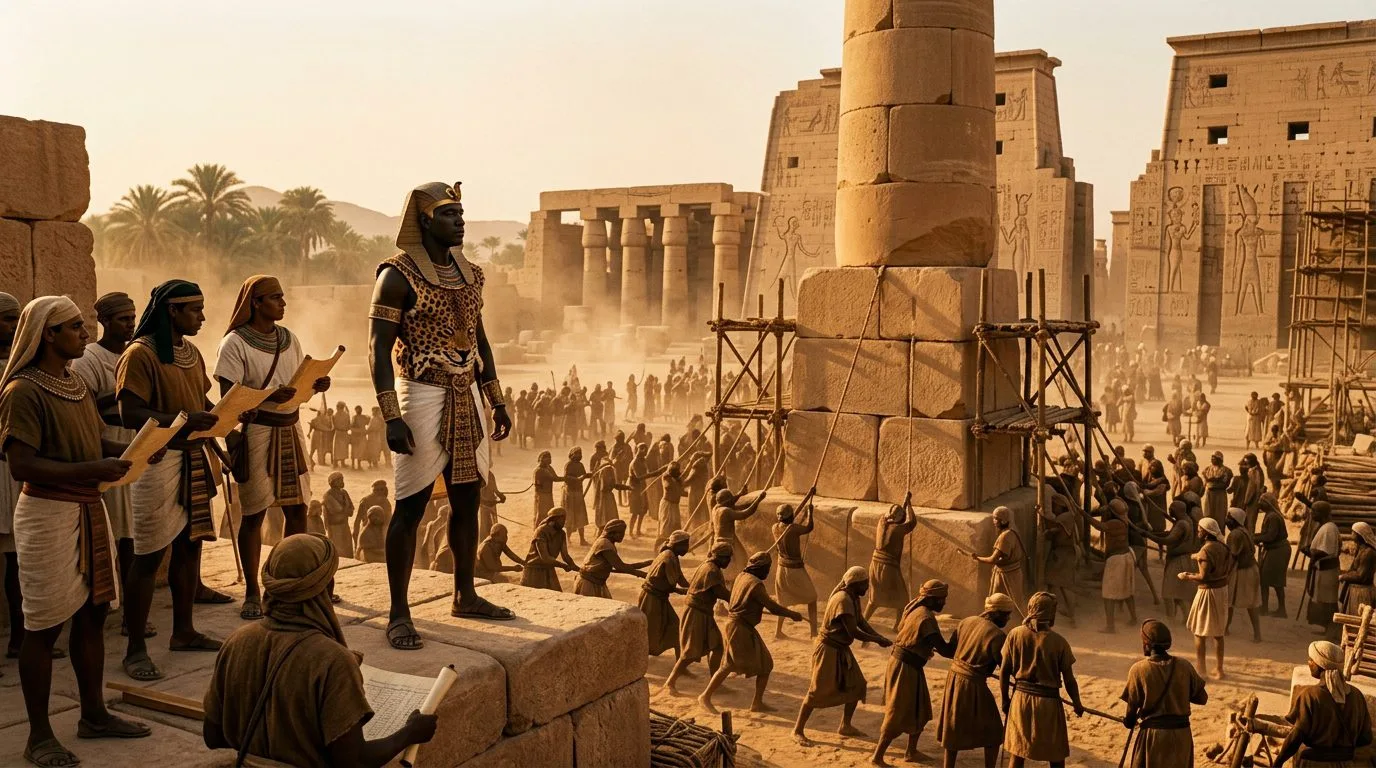
Taharqa’s vast building legacy.
Taharqa, a Nubian pharaoh who ruled from 690 to 664 BCE, constructed more temples and monuments than any Egyptian ruler since Ramesses II. He added a 62-foot-tall column to Karnak Temple—the tallest in Egypt—and built temples across Nubia and Egypt from Memphis to Napata. His army saved Jerusalem from Assyrian conquest in 701 BCE, an event recorded in both Egyptian records and the Hebrew Bible. Despite commissioning massive building projects and ruling during Egypt’s 25th Dynasty renaissance, Taharqa is dismissed as a foreign conqueror rather than celebrated as the pharaoh who temporarily restored Egypt’s imperial glory.
Source: britannica.com
9. Nectanebo II Built Egypt’s Last Great Temple Before the Greeks Invaded
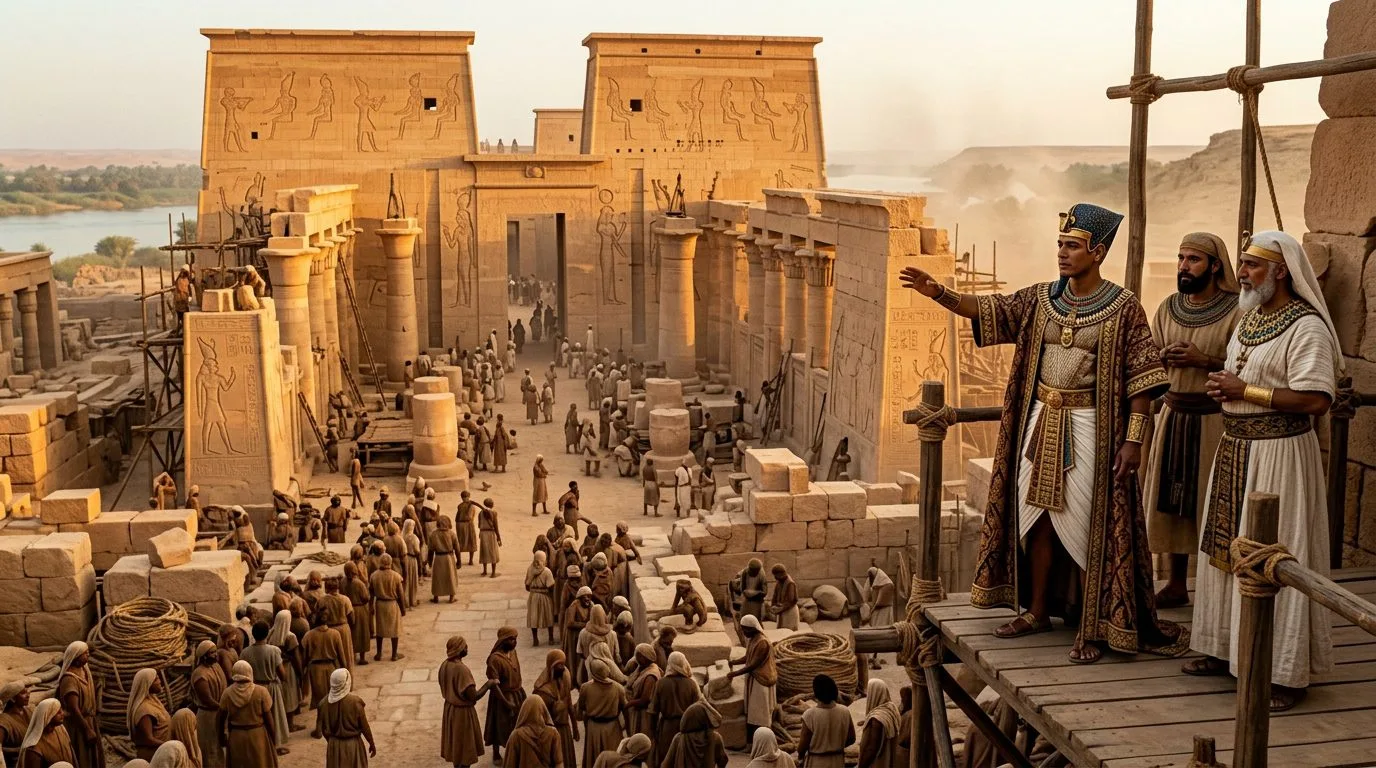
Nectanebo II’s Temple: Egypt’s Final Monument
Nectanebo II, who ruled from 360 to 343 BCE, was the last native Egyptian pharaoh—after him came only Greek Ptolemies and Roman emperors. He constructed massive additions to temples at Philae, Karnak, and Luxor, including the first pylon at Karnak Temple that still stands 142 feet wide. His 8-mile-long canal connecting the Nile to the Red Sea represented ancient engineering at its peak. When Persian forces invaded in 343 BCE, Nectanebo fled to Nubia with Egypt’s treasury, and the country never again had an Egyptian-born ruler for over two millennia. His magnificent building program marks the final chapter of pharaonic civilization.
Source: britannica.com
10. Ahmose I Founded Egypt’s Golden Age but Has No Pyramid
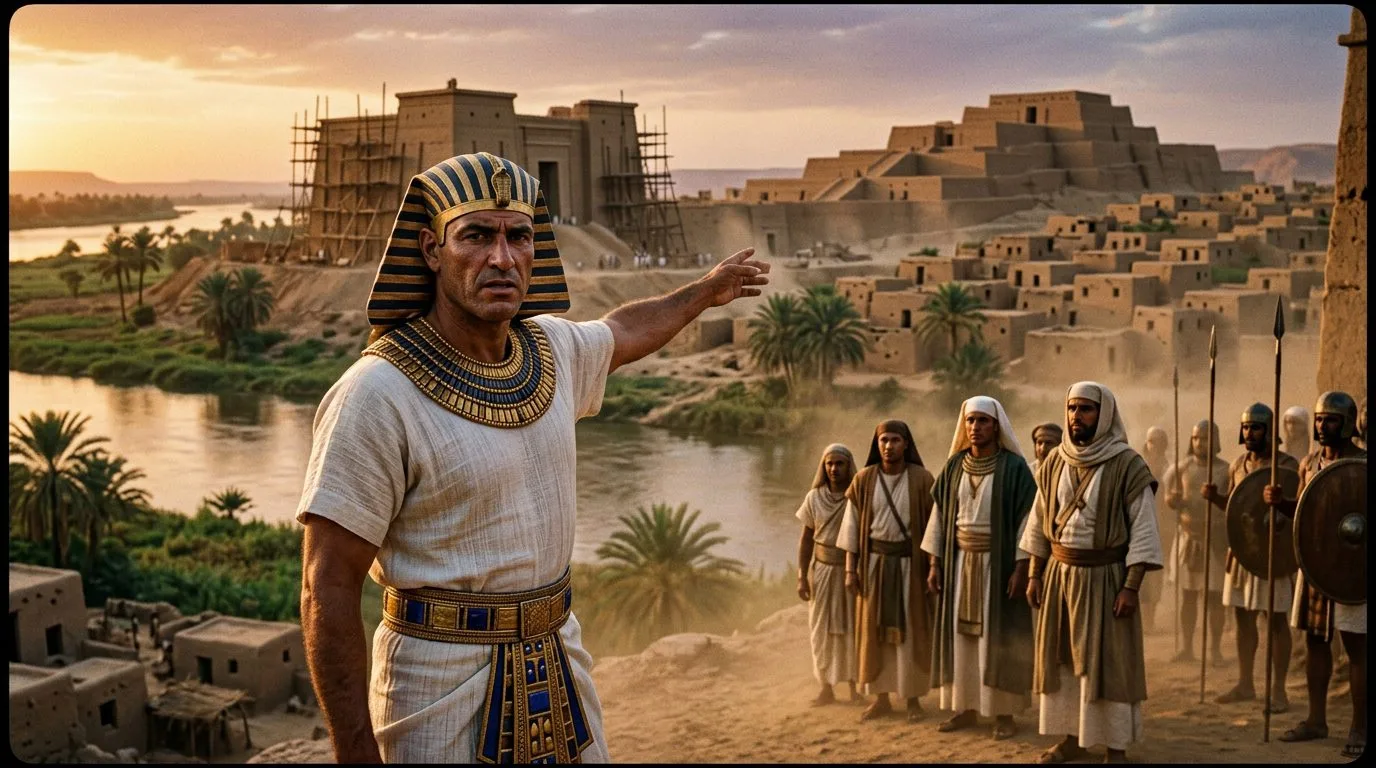
Ahmose I, Egypt’s golden age founder.
Ahmose I expelled the Hyksos invaders around 1550 BCE, reunified Egypt, and founded the 18th Dynasty—launching the New Kingdom’s 500-year golden age. Despite this monumental achievement, his pyramid at Abydos was the last royal pyramid ever built in Egypt and today exists only as rubble barely 30 feet high. He established the administrative and military systems that his successors used to build an empire stretching from Syria to Sudan, yet his tomb contained no treasure and his mummy was found in a cache of relocated bodies. Every famous New Kingdom pharaoh—Hatshepsut, Tutankhamun, Ramesses—owed their power to systems Ahmose I created, but his name appears in virtually no popular histories of ancient Egypt.
Source: britannica.com
Did You Know?
Did You Know? The pharaoh with the longest reign in human history—Pepi II’s 94 years—accidentally destroyed his own kingdom because he outlived everyone competent enough to hold Egypt together. Meanwhile, Sneferu spent more resources building pyramids than his famous son Khufu, yet failed three times before getting it right. Perhaps most ironic: Nectanebo II built some of Egypt’s most magnificent temples while his kingdom was collapsing, creating architectural masterpieces that would be the last native Egyptian monuments for over two millennia.