
Hollywood shows gladiators with generic swords, but Roman arenas featured specialized killing tools. Each weapon was designed for a specific combat style that kept 50,000 spectators screaming for blood. These are the authentic arms that made the Colosseum deadly.
1. Gladius: The Sword That Conquered an Empire
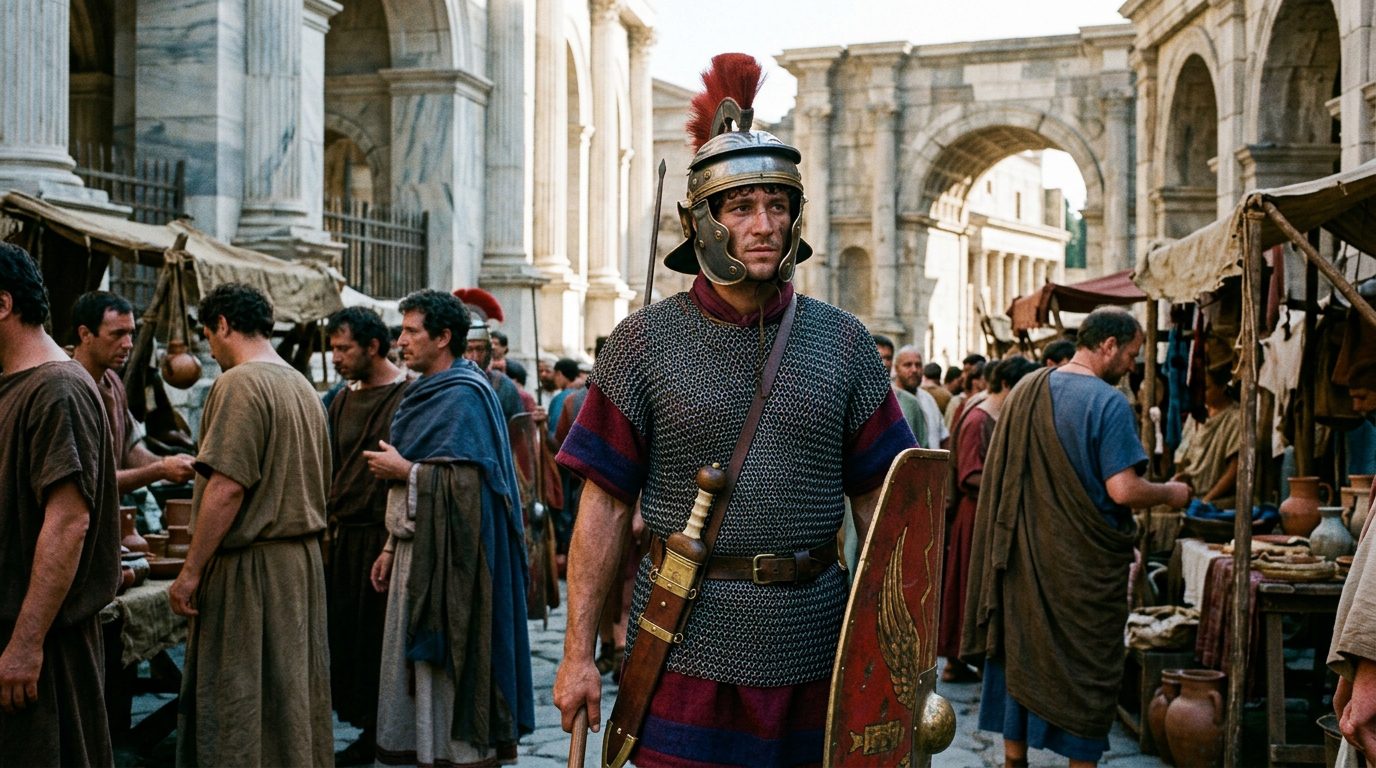
Gladius: The Sword That Conquered an Empire
The gladius measured just 18 to 24 inches but delivered devastating thrusting attacks in close quarters. Roman gladiators adopted this weapon directly from Hispania around 200 BCE, the same blade that legionaries used to build an empire. The gladius hispaniensis featured a double-edged blade with a tapered point designed to pierce between ribs, killing opponents with surgical precision. Multiple gladiator types wielded this weapon, including the heavily-armored murmillo and the nimble hoplomachus. Arena physicians documented that gladius wounds to the abdomen or throat proved fatal within minutes, making it the arena’s most efficient killer.
Source: britannica.com
2. Trident and Net: The Fisherman’s Deadly Combo
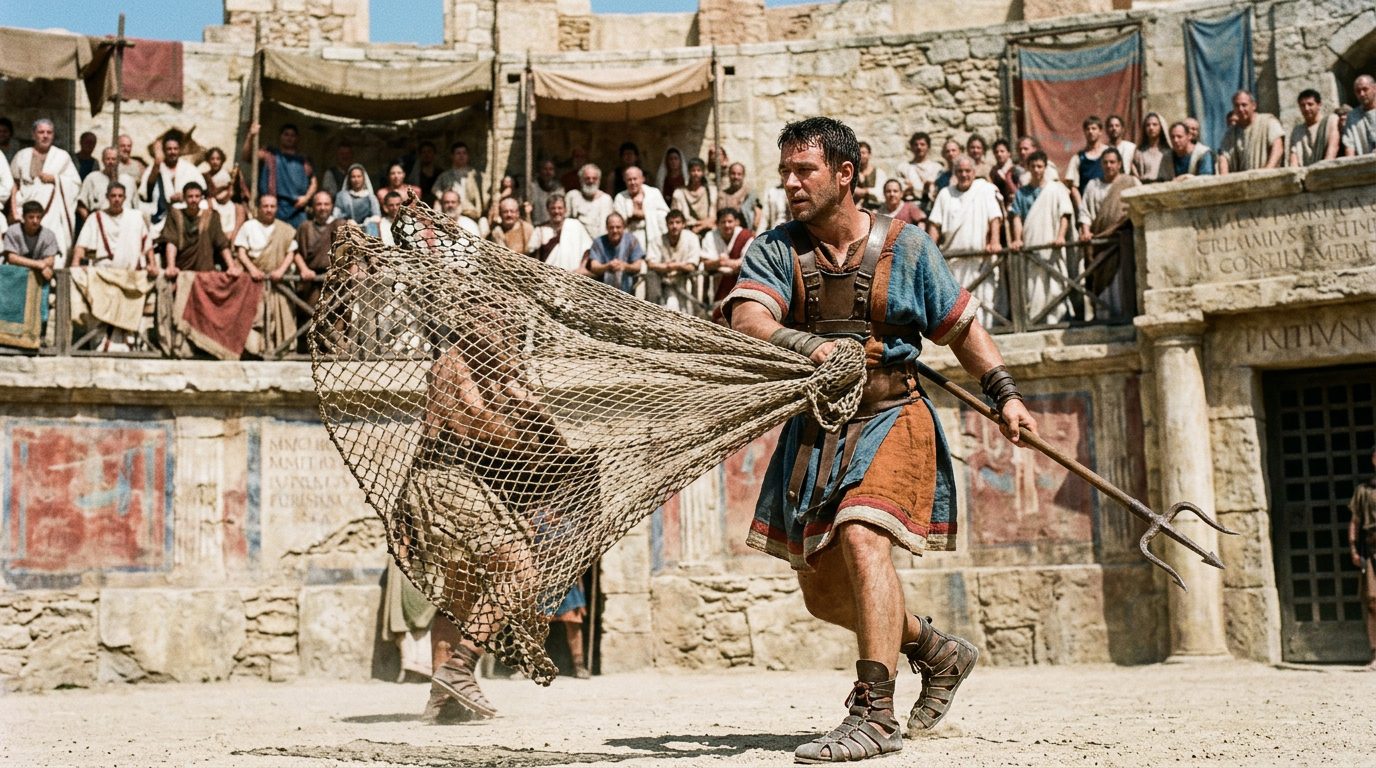
Trident and Net: The Fisherman’s Deadly Combo
The retiarius fought with a fuscina trident measuring 6 feet long and a weighted net called an iaculum that spanned 10 feet in diameter. This gladiator class emerged during the reign of Augustus around the early 1st century CE, inspired by fishermen from the Mediterranean coast. The net contained lead weights at its edges to entangle opponents, while the three-pronged trident could pierce armor at gaps in the joints. Crowd favorite matches pitted the nearly-naked retiarius against heavily-armored secutor gladiators. The retiarius fought without helmet or shield, relying entirely on speed and the 15-foot reach advantage his weapons provided.
Source: britannica.com
3. Sica: The Thracian Curved Killer
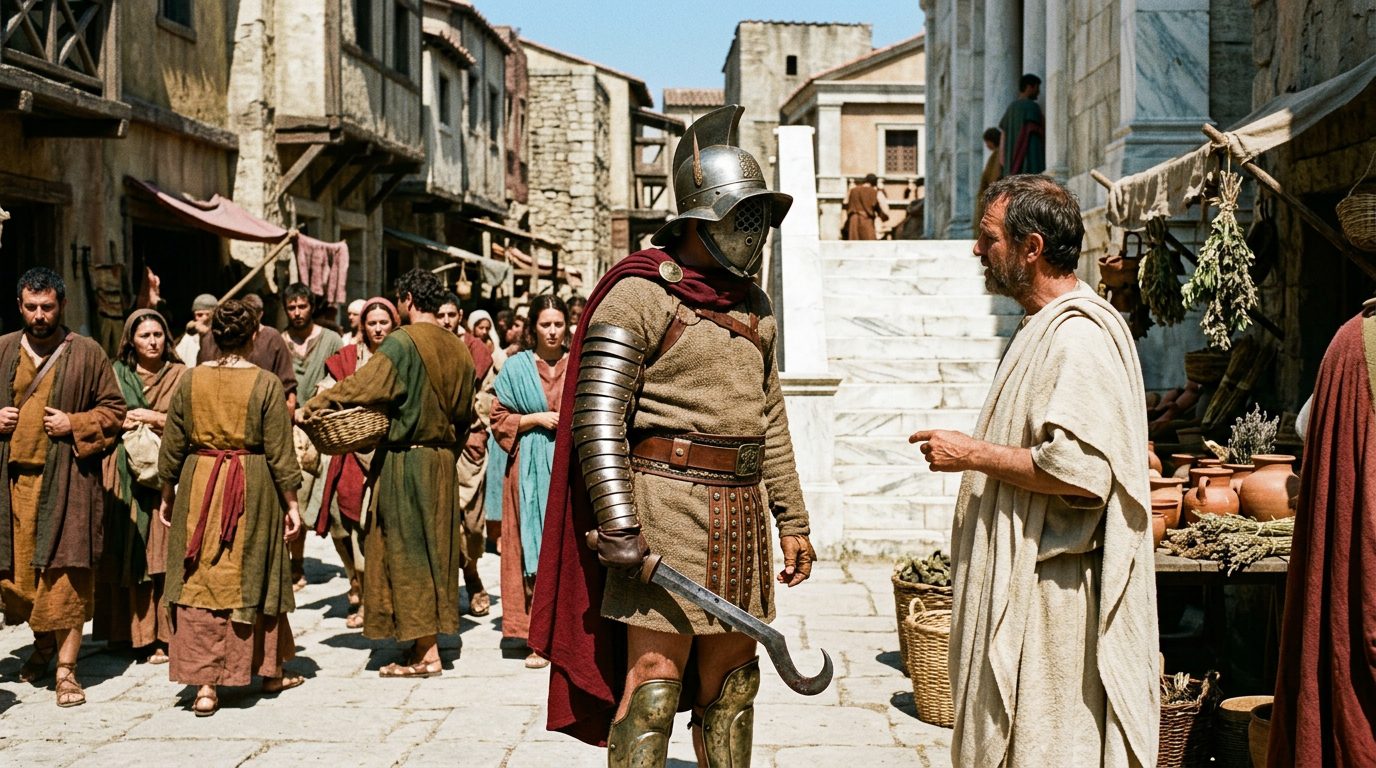
Sica: The Thracian Curved Killer
The sica featured a distinctively curved 16-inch blade that hooked around shields and armor to slash exposed flesh. Thracian gladiators adopted this weapon from warriors of ancient Thrace around 100 BCE, bringing their homeland’s fighting style to Roman arenas. The blade curved forward like a comma, allowing fighters to strike over the top edge of an opponent’s shield or hook behind it. Archaeological evidence from Pompeii shows sica wounds often targeted the back of the neck and shoulders. The weapon’s curved design made it nearly impossible to block with traditional straight-edged gladius techniques, giving Thracian fighters a tactical advantage.
Source: britannica.com
4. Scissor: The Arm-Mounted Blade of Nightmares
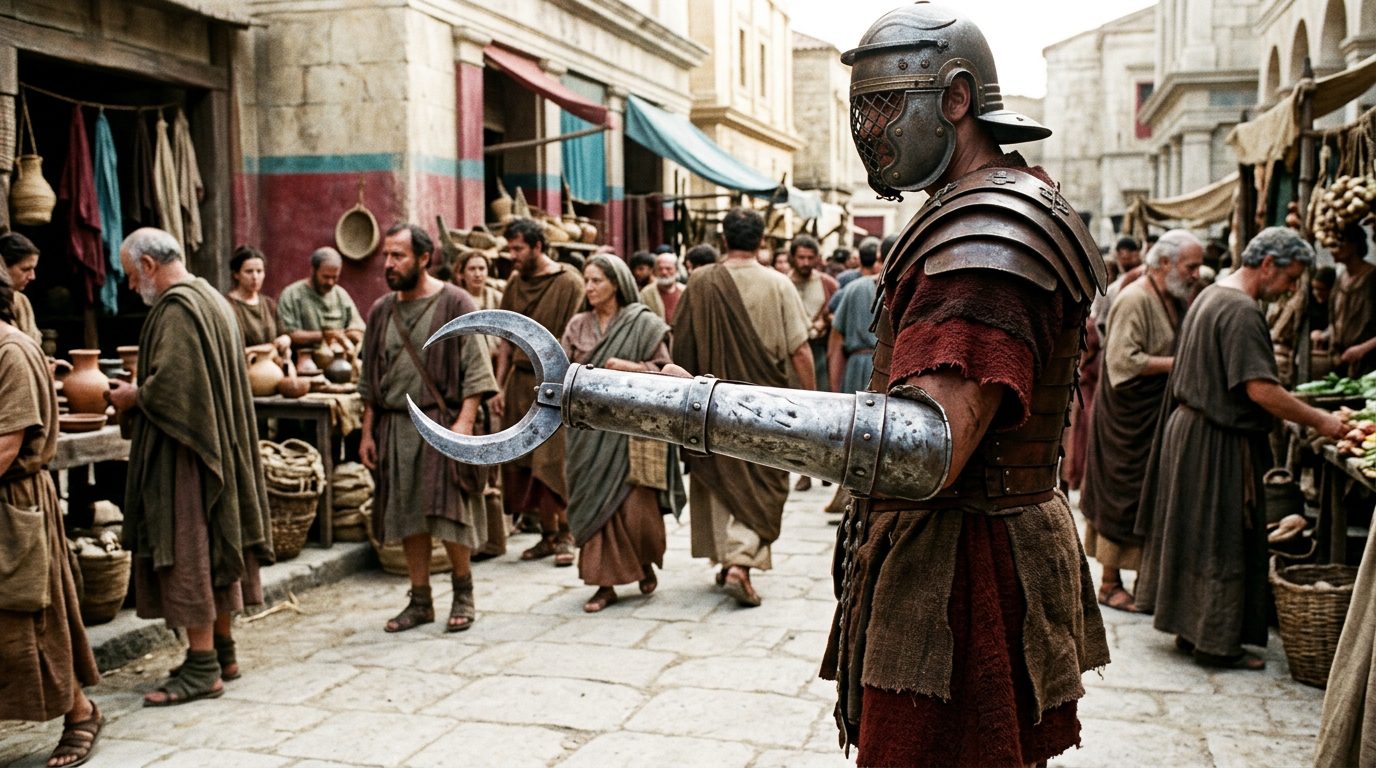
Scissor: The Arm-Mounted Blade of Nightmares
The scissor gladiator wielded a horizontal blade mounted on a segmented metal tube that encased the entire forearm, weighing approximately 15 pounds. This bizarre weapon emerged during the 1st century CE and resembled a massive praying mantis claw extending 24 inches beyond the fist. The blade sat parallel to the arm, allowing the gladiator to punch and slash simultaneously while the metal tube provided complete forearm protection. Historical records from the ludus magnus training school describe scissor fighters practicing unique circular slashing motions. Only one intact example survives in the Archaeological Museum of Naples, discovered in the gladiator barracks at Pompeii during the early modern period.
Source: smithsonianmag.com
5. Fascina: The Harpoon That Pinned Opponents
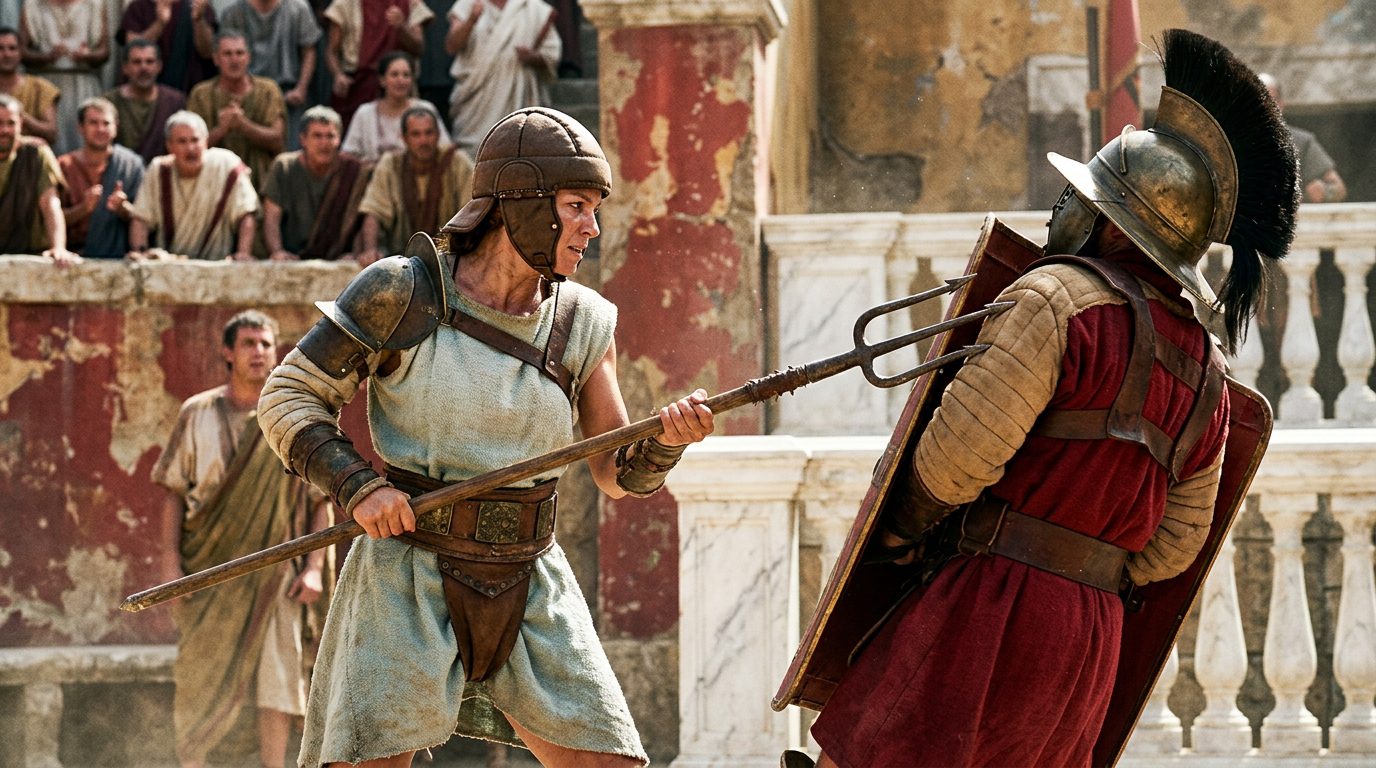
Fascina: The Harpoon That Pinned Opponents
The fascina served as a barbed harpoon variant measuring 5 to 7 feet in length, designed to pierce and trap rather than simply wound. Specialized arena fighters used this weapon during venationes beast hunts and certain gladiatorial matches in the 2nd century CE. The iron tip featured backward-facing barbs that embedded in flesh or thick animal hide, preventing withdrawal. Once lodged in an opponent, the wielder could control their movement by pulling on the attached rope or wooden shaft. Inscriptions from the Colosseum identify fascina specialists who fought against wild boars and African lions, using the weapon’s pinning capability to immobilize dangerous animals.
Source: britannica.com
6. Scutum: The Rectangular Wall of Wood and Iron
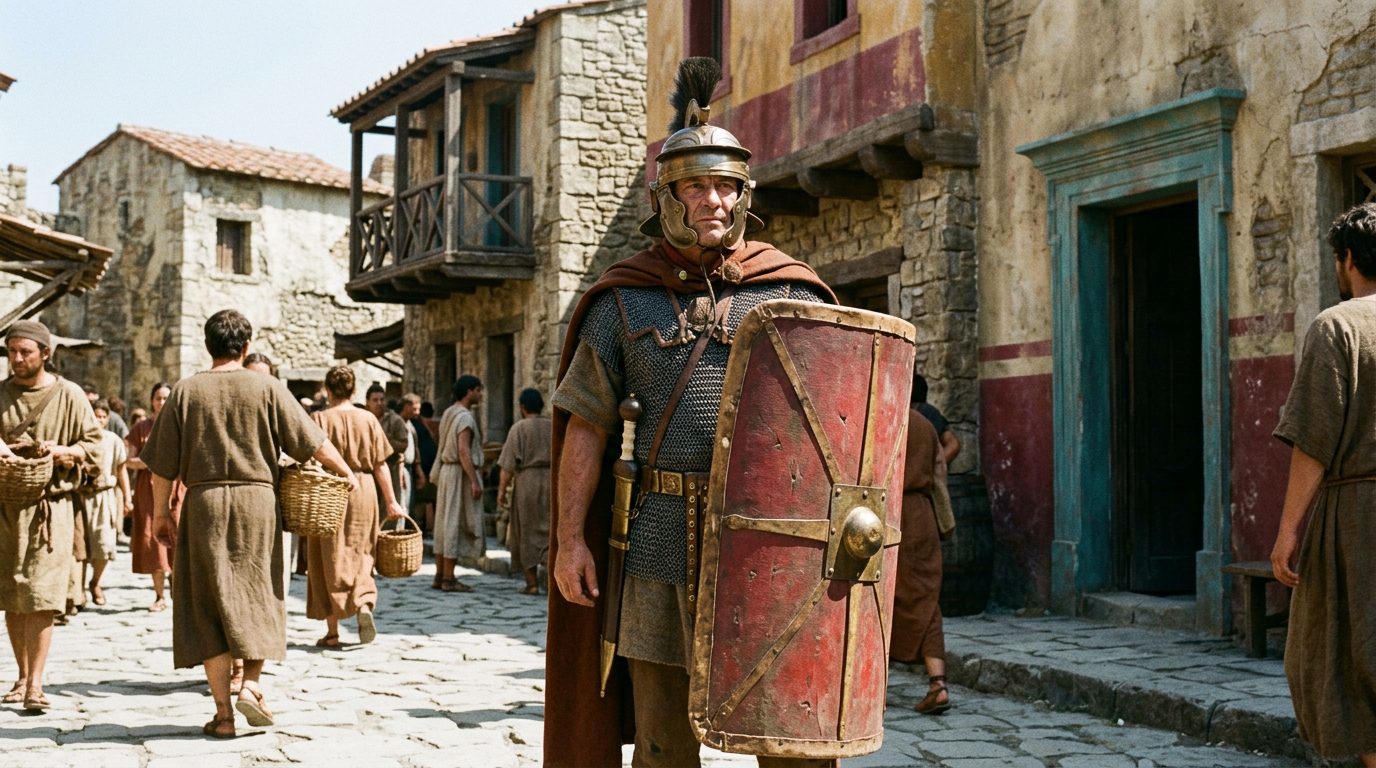
Scutum: The Rectangular Wall of Wood and Iron
The gladiator scutum stood 4 feet tall and weighed 22 pounds, constructed from three layers of wood strips covered in leather and canvas. Murmillo gladiators carried this massive curved shield that protected from shoulder to knee, identical to shields used by Roman legionaries. A central iron boss measuring 6 inches in diameter could deflect sword strikes and double as a battering weapon to knock opponents off balance. The shield’s curved rectangular shape wrapped partially around the body, providing protection from multiple angles. Gladiators trained for months to master fighting while supporting this shield’s weight, as dropping it in the arena meant almost certain death.
Source: britannica.com
7. Manica: The Segmented Armor That Became a Weapon
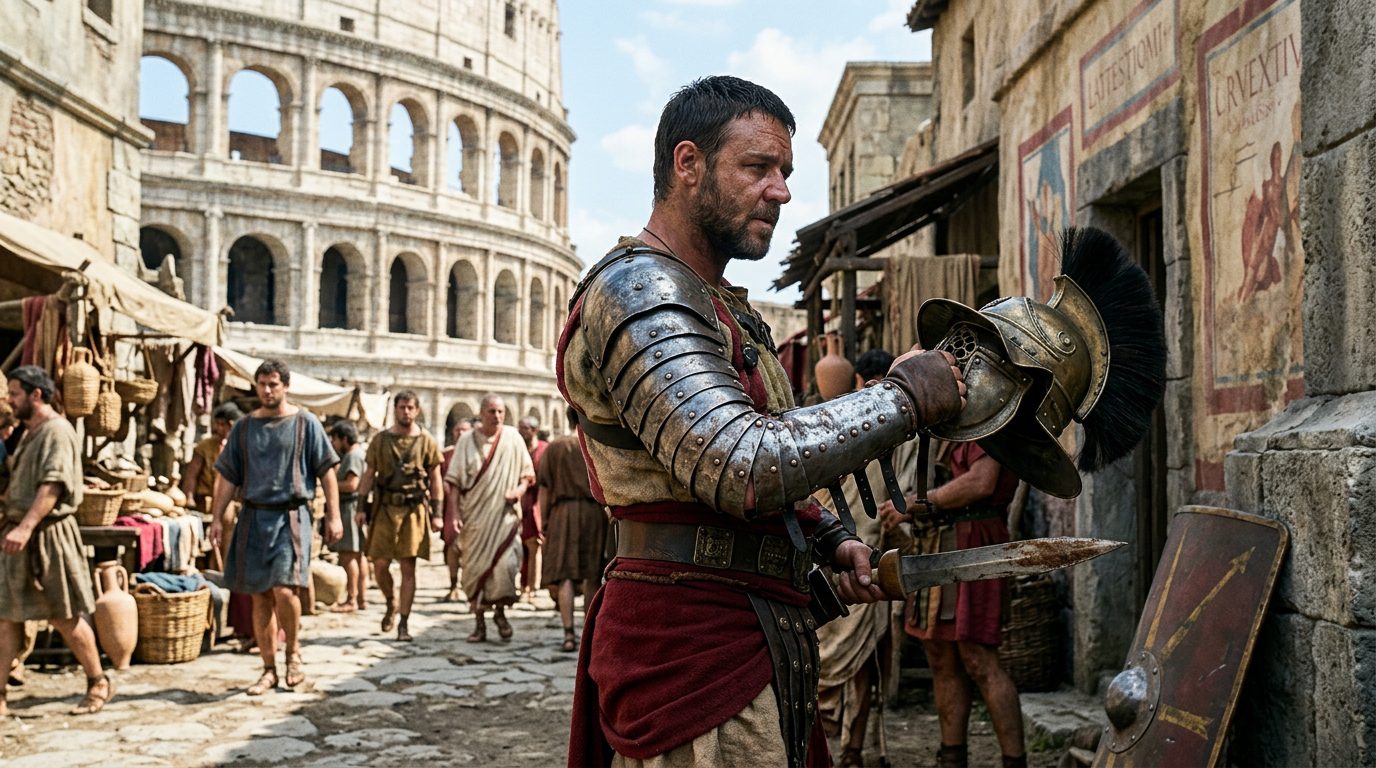
Manica: The Segmented Armor That Became a Weapon
The manica consisted of overlapping curved iron or bronze plates riveted to leather strips, protecting the sword arm from shoulder to fingertips. This segmented armor appeared in Roman arenas around the mid-1st century CE and weighed between 4 and 7 pounds depending on construction. Advanced versions featured small iron spikes or ridges along the outer plates, transforming defensive armor into an offensive striking surface. Gladiators could deflect blade strikes with their armored forearm while simultaneously raking opponents with the metal edges. The manica’s articulated segments allowed full range of motion while providing near-complete protection, making it essential equipment for lightly-armored gladiator classes like the retiarius and hoplomachus.
Source: britannica.com
8. Secutor’s Pursuit Loadout: Speed Over Protection
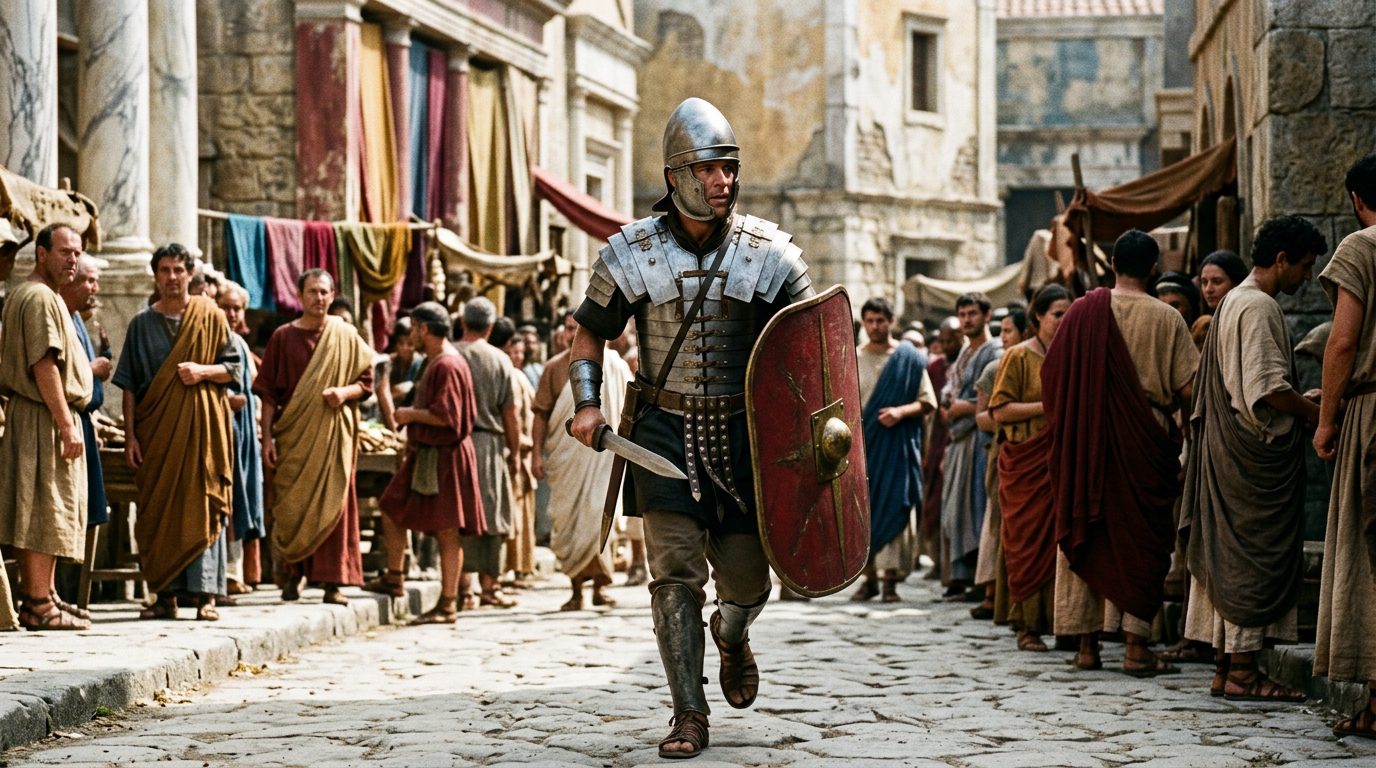
Secutor’s Pursuit Loadout: Speed Over Protection
The secutor gladiator carried a gladius paired with a smaller oval shield measuring just 3 feet tall, sacrificing coverage for mobility. This gladiator type emerged specifically to hunt down the net-wielding retiarius during the early 1st century CE, hence the name meaning ‘pursuer.’ The secutor’s egg-shaped helmet featured only two small eyeholes to prevent trident prongs from catching, while the reduced shield weight allowed rapid directional changes. Training manuals from the gladiator school at Capua emphasized aggressive forward movement, as the secutor needed to close distance quickly before becoming entangled in the retiarius net. Their fights became the most popular matchup in Roman arenas, drawing larger crowds than any other pairing.
Source: britannica.com
9. Provocator’s Balanced Arsenal: The Honorable Fighter
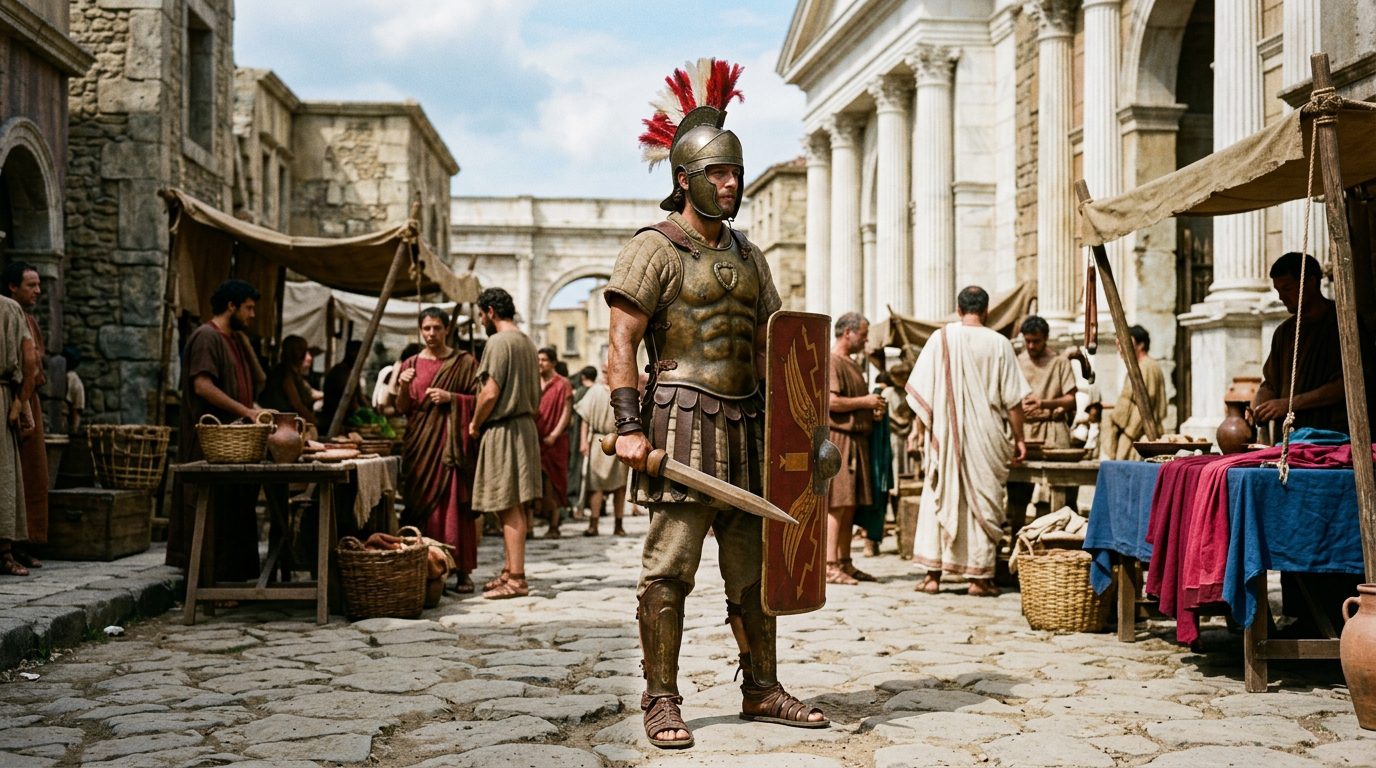
Provocator’s Balanced Arsenal
The provocator wielded a standard gladius with a medium rectangular shield and wore a bronze chest plate called a cardiophylax that protected only the heart. This gladiator class emerged during the Republican period around 80 BCE and fought exclusively against other provocatores in matched pairs. The breastplate measured roughly 8 inches square and weighed 3 pounds, covering the vital organs while leaving the abdomen and sides exposed. Provocator matches emphasized technical skill over spectacle, with strict rules prohibiting certain strikes and requiring symmetric equipment. The Roman historian Livy recorded that provocator bouts were considered the most civilized arena combat, often opening major games at the Circus Maximus.
Source: britannica.com
10. Laquearius Rope: The Strangler’s Tool
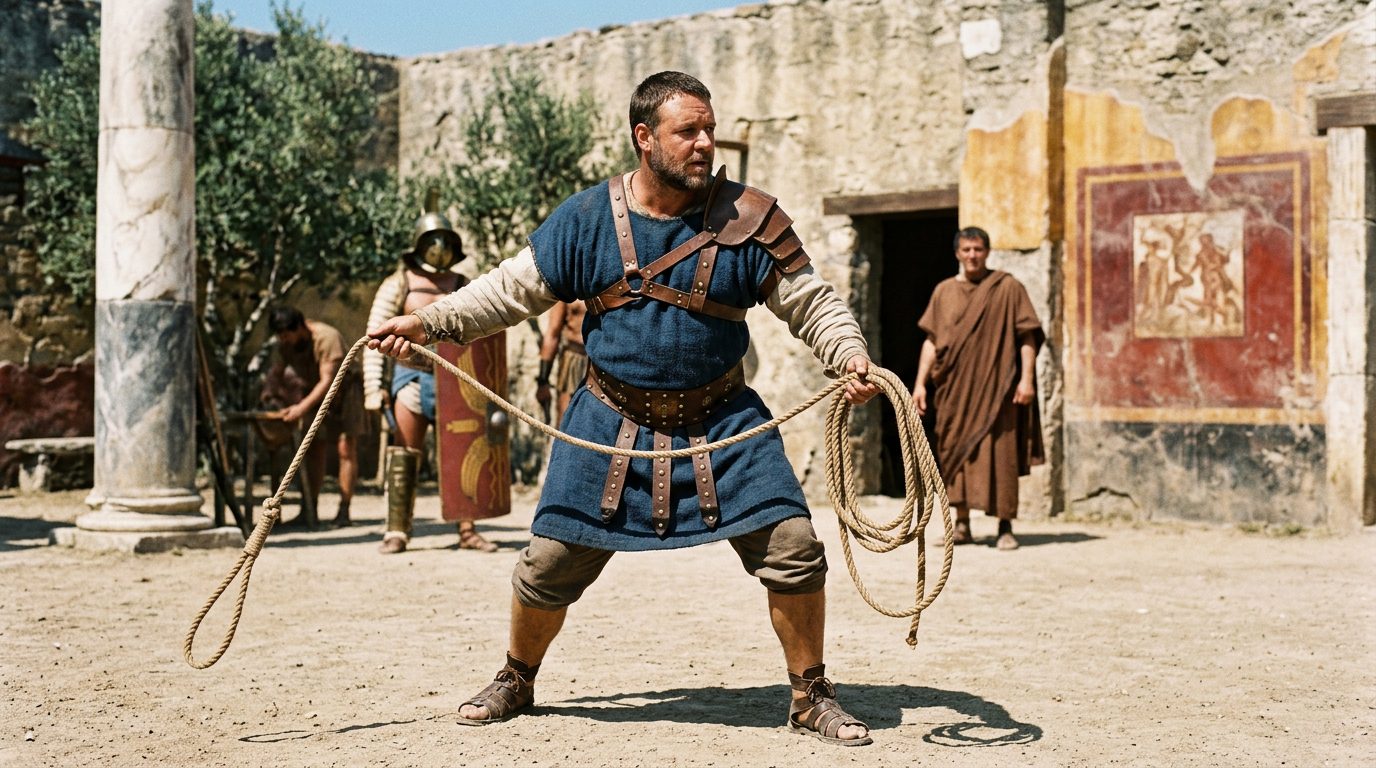
Laquearius Rope: The Strangler’s Tool
The laquearius gladiator fought with a lasso or laqueus measuring 20 feet in length, designed to rope opponents like cattle. This extremely rare gladiator type appeared sporadically in Roman arenas between 100 BCE and the 2nd century CE, primarily in specialized exhibition matches. The rope featured a sliding loop that tightened around limbs or necks when pulled, allowing the laquearius to control an opponent’s movement or strangle them from distance. Historical accounts describe laquearii working in pairs, with one roping the victim while another moved in with a dagger for the kill. Only three ancient references to this gladiator class survive, making it the rarest documented arena fighter in Roman history.
Source: britannica.com
Did You Know?
Did You Know? The retiarius was initially considered the lowest class of gladiator because he fought without a helmet, yet he commanded the highest appearance fees by the 2nd century CE. These nearly-naked fighters became so popular that Emperor Commodus himself entered the Colosseum as a retiarius, though he used a blunted trident—his opponents weren’t given the same courtesy.