
We celebrate Hercules’ labors and Odysseus’ homecoming, but what about the heroes who never made it back? From ancient Greece to Persia, mythology preserves stories of legendary figures whose quests ended not in glory, but in tragic failure.
1. Bellerophon: The Hero Who Flew Too High on Pegasus

Bellerophon: The Hero Who Flew Too High on Pegasus
After slaying the fire-breathing Chimera around 1300 BCE, Bellerophon grew arrogant and attempted to ride Pegasus to Mount Olympus itself. Zeus sent a gadfly to sting the winged horse, throwing Bellerophon to earth where he spent his remaining years wandering blind and crippled through the Aleian plain. The Corinthian hero who once performed impossible labors ended his days as a cautionary tale about hubris. Ancient Greeks told how he searched endlessly for his divine steed, calling Pegasus’s name until death claimed him. His fall from grace was so complete that even his own children turned away from him.
Source: britannica.com
2. Enkidu: The Wild Man Death Could Not Spare
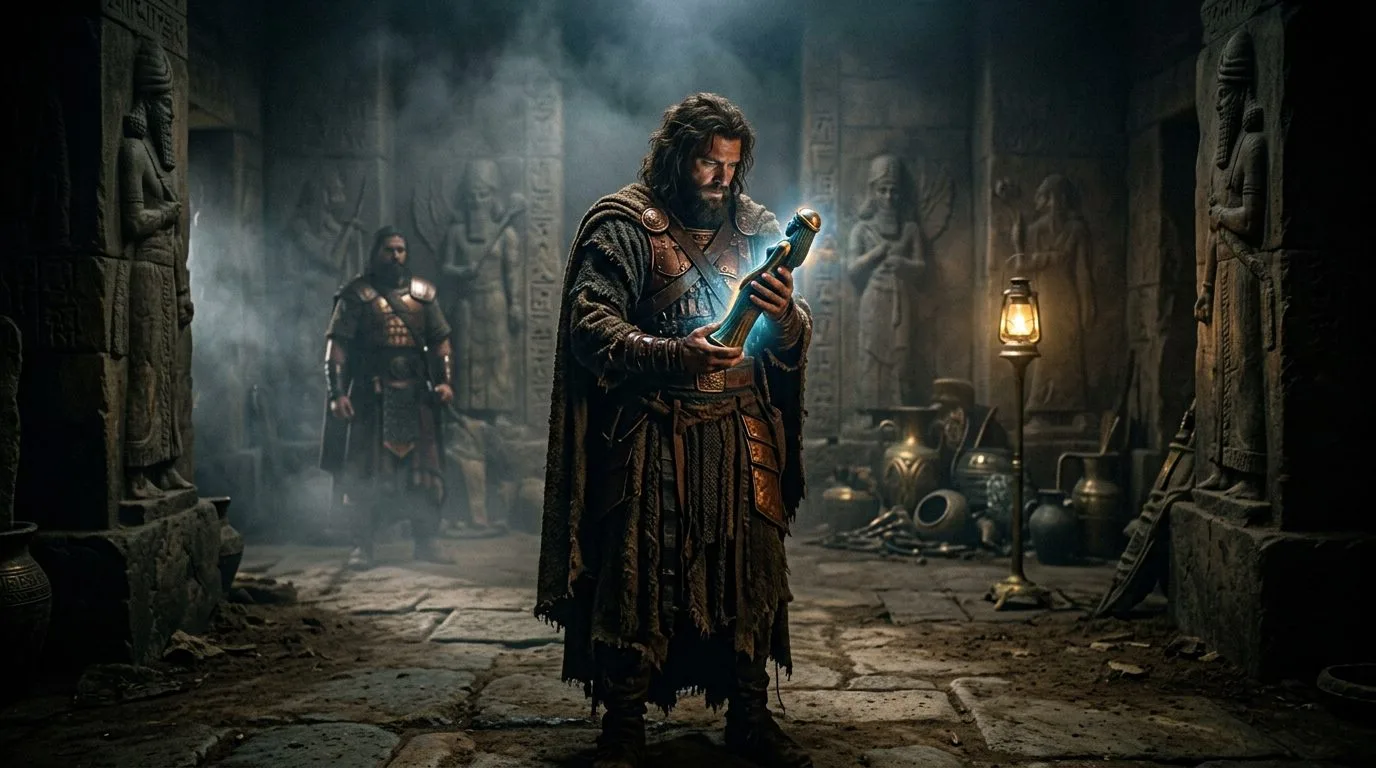
Enkidu: The Wild Man Death Could Not Spare
Created by the goddess Aruru around 2100 BCE to challenge King Gilgamesh, Enkidu transformed from a wild beast-man into civilization’s champion. After defeating the monster Humbaba and spurning the goddess Ishtar’s advances, the gods decreed Enkidu must die. He spent 12 agonizing days slowly perishing from divine illness, cursing the temple prostitute who civilized him and the trapper who first found him. Despite Gilgamesh’s desperate pleas and offerings to the gods, nothing could save his companion. Enkidu’s death launched Gilgamesh on his own failed quest for immortality, making this failure the catalyst for humanity’s oldest recorded epic.
Source: britannica.com
3. Phaethon: The Boy Who Scorched Africa
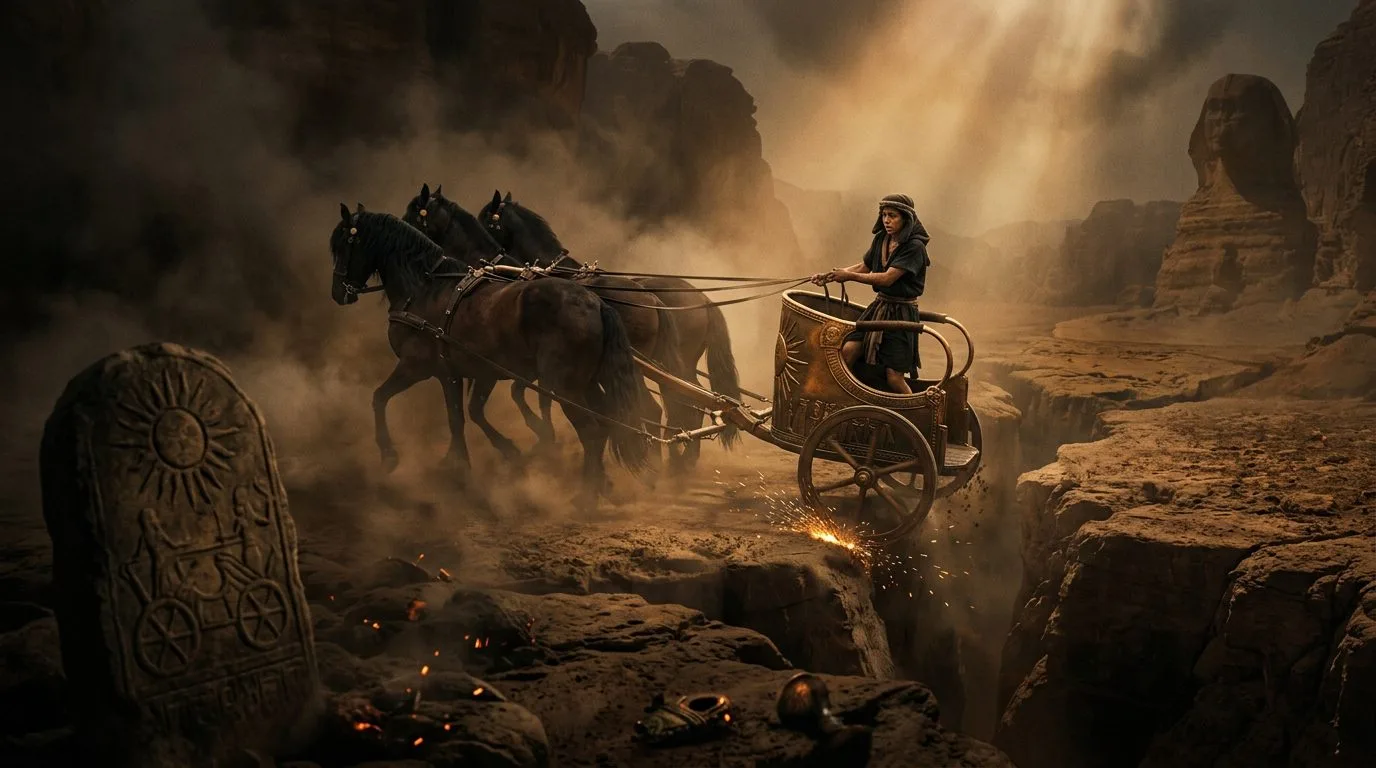
Phaethon: The Boy Who Scorched Africa
When Phaethon discovered his father was Helios the sun god around 1200 BCE, he demanded proof by driving the solar chariot for one day. Unable to control the immortal horses, the youth plunged so close to earth he created the Sahara Desert and burned the skin of Ethiopia’s people black, according to Greek accounts. Zeus struck him down with a thunderbolt to save the world from incineration. Phaethon’s sisters, the Heliades, wept so long at his grave they transformed into poplar trees, their tears becoming amber. His friend Cygnus dove repeatedly into the river Eridanus searching for his body until the gods changed him into a swan.
Source: britannica.com
4. Sigurd: Dragon-Slayer Betrayed by His Own Kin
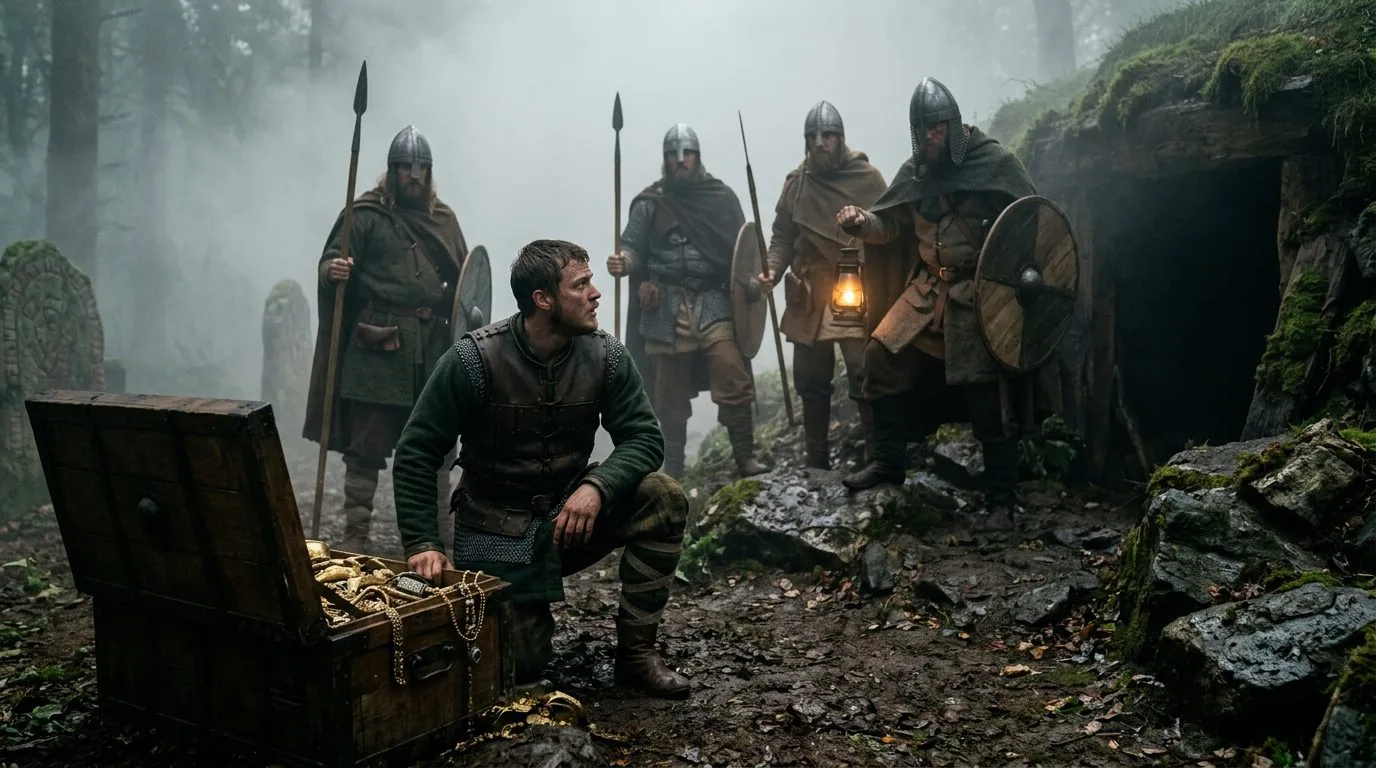
Sigurd: Dragon-Slayer Betrayed by His Own Kin
After slaying the dragon Fafnir in the 5th century CE and winning the cursed hoard of the Nibelungs, Sigurd seemed destined for eternal glory. He awakened the valkyrie Brynhild, won kingdoms, and possessed the wisdom of birds after tasting dragon’s blood. Yet the curse of Fafnir’s gold ensured his doom—his brother-in-law Gunther conspired with Hagen to murder him. They struck Sigurd down while he drank from a spring, stabbing him in the one vulnerable spot on his back. Brynhild, driven mad by conflicting magic and love, threw herself on his funeral pyre. The hero who could understand animals and defeat monsters proved defenseless against human treachery.
Source: britannica.com
5. Karna: The Cursed Archer Who Forgot Everything
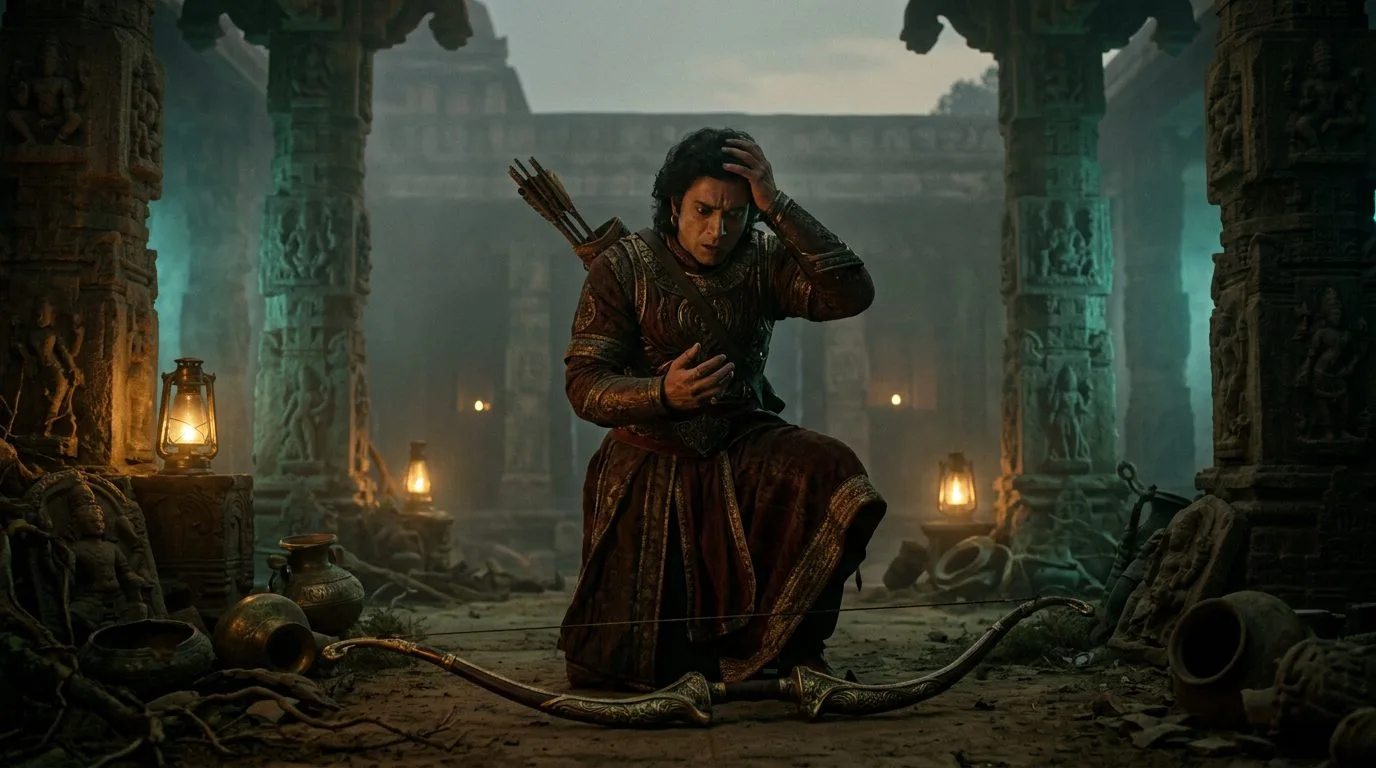
Karna: The Cursed Archer Who Forgot Everything
Born to the sun god Surya around 3100 BCE, Karna entered the Mahabharata war as the greatest archer alive, rival even to Arjuna. His guru Parashurama cursed him to forget his celestial weapons at the crucial moment after discovering Karna had lied about his caste. During the final battle at Kurukshetra, Karna’s chariot wheel sank into the earth—when he dismounted to free it, he forgot the mantras to summon his divine weapons. Arjuna struck him down defenseless, despite Krishna’s knowledge that Karna was actually Arjuna’s abandoned half-brother. The warrior who gave away his natural armor and earrings to ensure his word proved that honor itself can be a fatal curse.
Source: britannica.com
6. Orpheus: The Musician Who Looked Back Too Soon
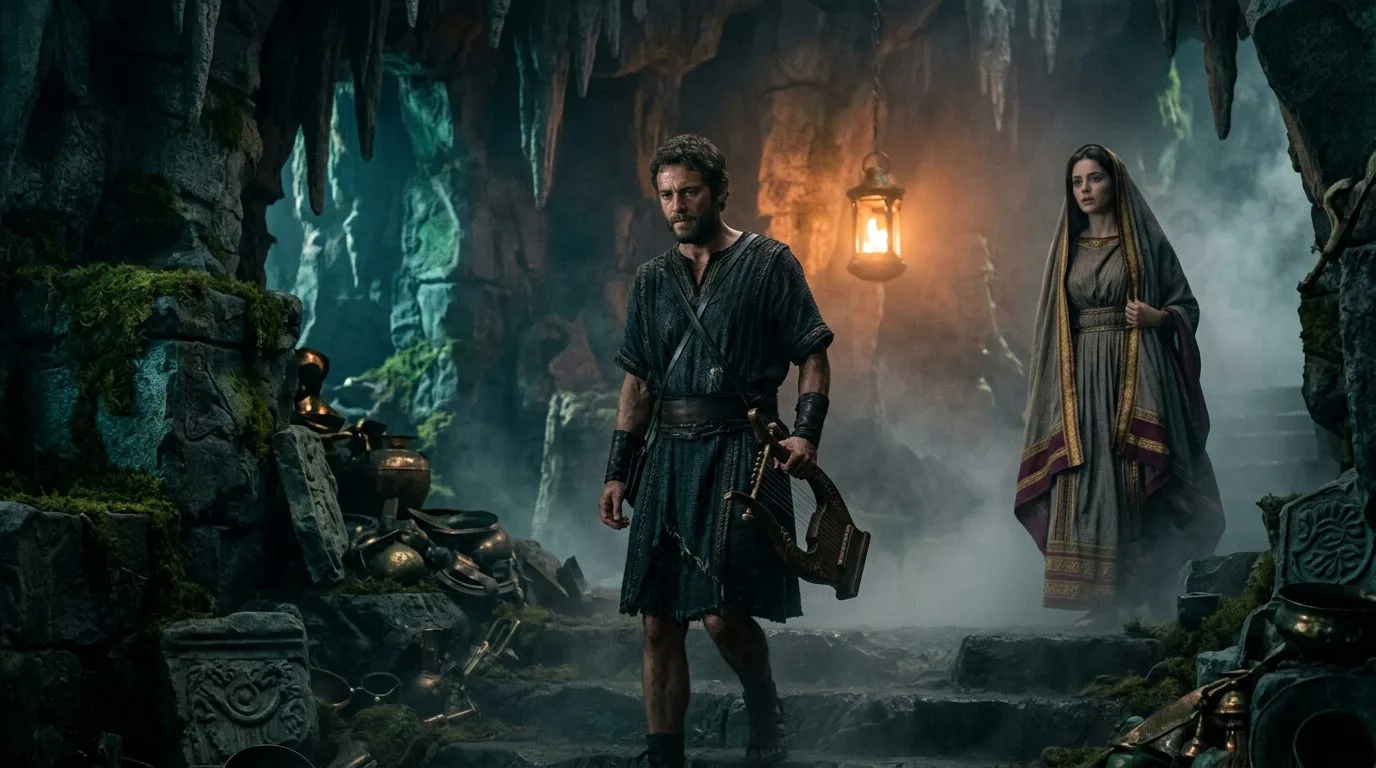
Orpheus: The Musician Who Looked Back Too Soon
When his bride Eurydice died from a serpent bite around 1300 BCE, Orpheus descended to Hades and charmed the god of death with his lyre until even the Furies wept. Hades agreed to release Eurydice on one condition: Orpheus must not look back until they both reached the surface. As they climbed through the caverns of the underworld, Orpheus heard no footsteps behind him. Mere steps from sunlight, he turned to confirm she followed—and watched her dissolve back into shadow forever. The greatest musician in Greek mythology spent his remaining years composing laments until Thracian women, maddened by Dionysus, tore him apart. His severed head continued singing as it floated down the river Hebrus.
Source: britannica.com
7. Icarus: The Warning Every Father Knows
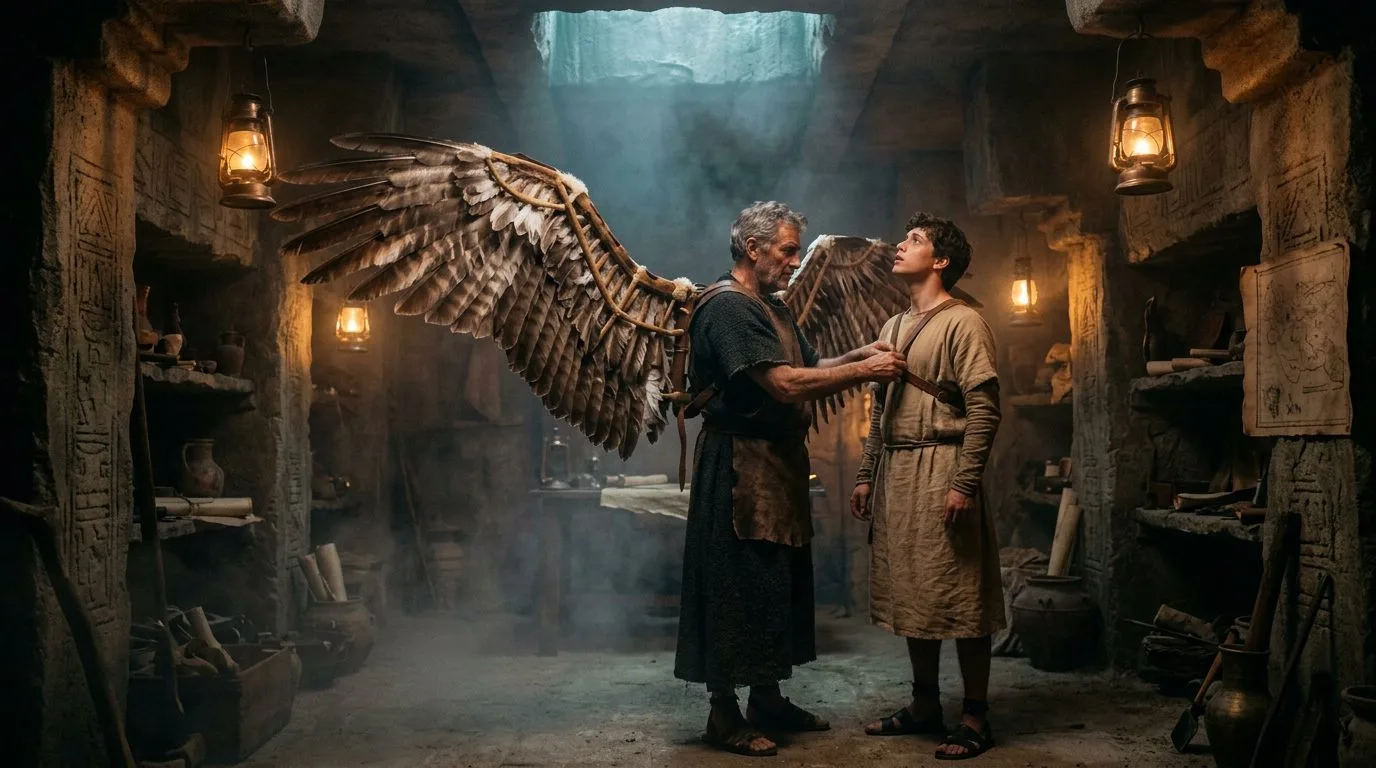
Icarus: The Warning Every Father Knows
Imprisoned in the labyrinth around 1400 BCE, the inventor Daedalus crafted wings of feathers and wax for himself and his son Icarus to escape Crete. He warned the boy to fly neither too low, where sea spray would soak the feathers, nor too high, where the sun would melt the wax. Icarus soared higher and higher, intoxicated by flight, ignoring his father’s desperate calls. The wax melted at an altitude later poets calculated as 200 feet, and Icarus plunged into the sea that still bears his name. Daedalus could only watch helplessly as his greatest invention killed his only child. The father reached Sicily safely but spent his remaining years building a temple to Apollo, where he hung up his wings forever.
Source: britannica.com
8. Cuchulainn: Ireland’s Hound Died Standing
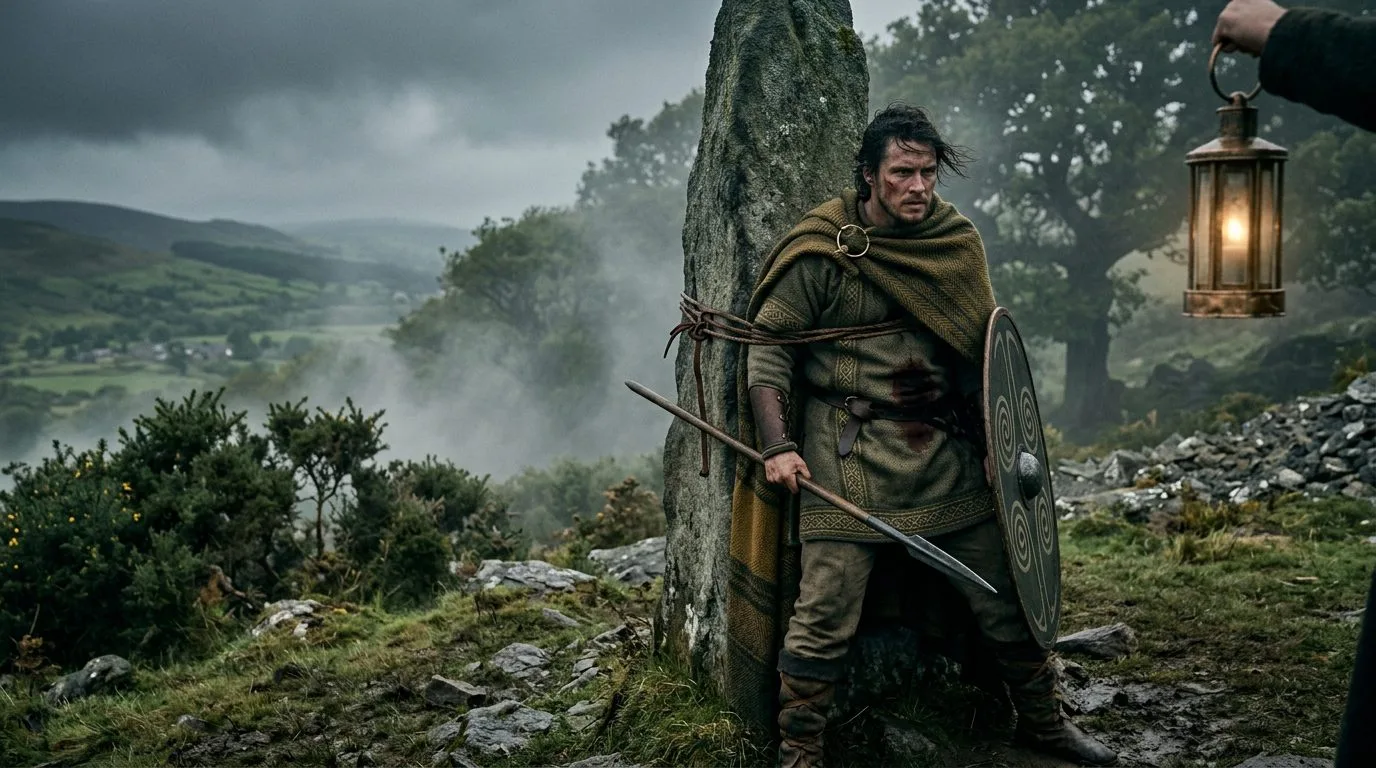
Cuchulainn: Ireland’s Hound Died Standing
The greatest champion of Ulster fought his final battle around 100 CE, already mortally wounded by a spear through his stomach. Knowing death approached, Cuchulainn lashed himself to a standing stone so he could die on his feet, facing his enemies. He fought on for three days, and his foes dared not approach until a raven landed on his shoulder—only then did they know the Hound of Ulster had finally died. His enemy Lugaid beheaded him, but when he raised the sword, Cuchulainn’s hand tightened and severed Lugaid’s hand in death. The hero who single-handedly defended Ulster against Queen Medb‘s armies ended bound to stone, betrayed by those he trusted with his life.
Source: britannica.com
9. Atalanta: The Virgin Huntress Defeated by Fruit
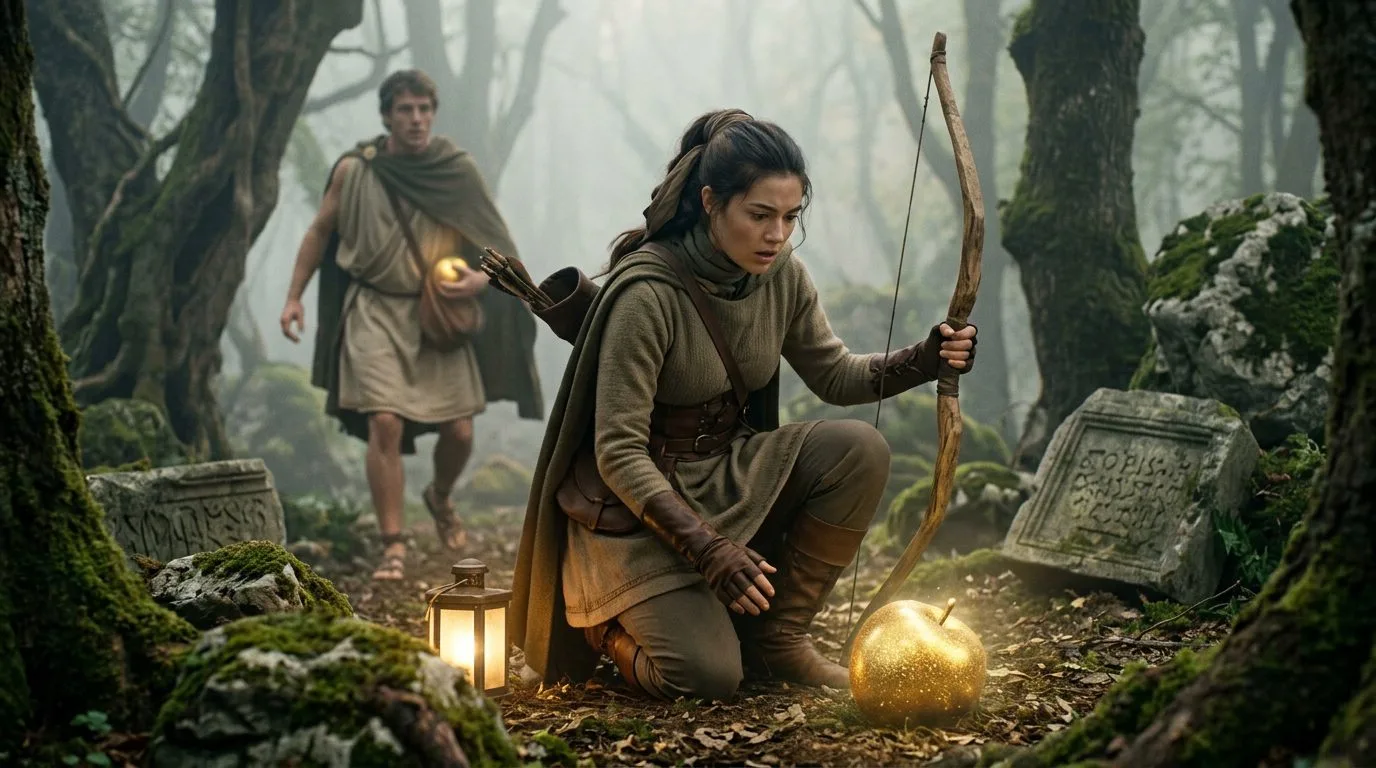
Atalanta: The Virgin Huntress Defeated by Fruit
Abandoned at birth and raised by bears around 1300 BCE, Atalanta grew to be the fastest mortal alive and drew first blood against the Calydonian Boar. She vowed never to marry, having been warned by an oracle that marriage would destroy her. When suitors demanded a footrace, she agreed—but killed every man she outran. Then Hippomenes received three golden apples from Aphrodite and dropped them during the race. Atalanta stopped to pick up each one, losing by mere seconds. The gods transformed both into lions for making love in Zeus’s temple, dooming them to pull Cybele’s chariot forever. The huntress who joined the Argonauts lost her freedom to curiosity over three pieces of fruit.
Source: britannica.com
10. Rostam: Persia’s Champion Killed His Own Son
Rostam: Persia’s Champion Killed His Own Son
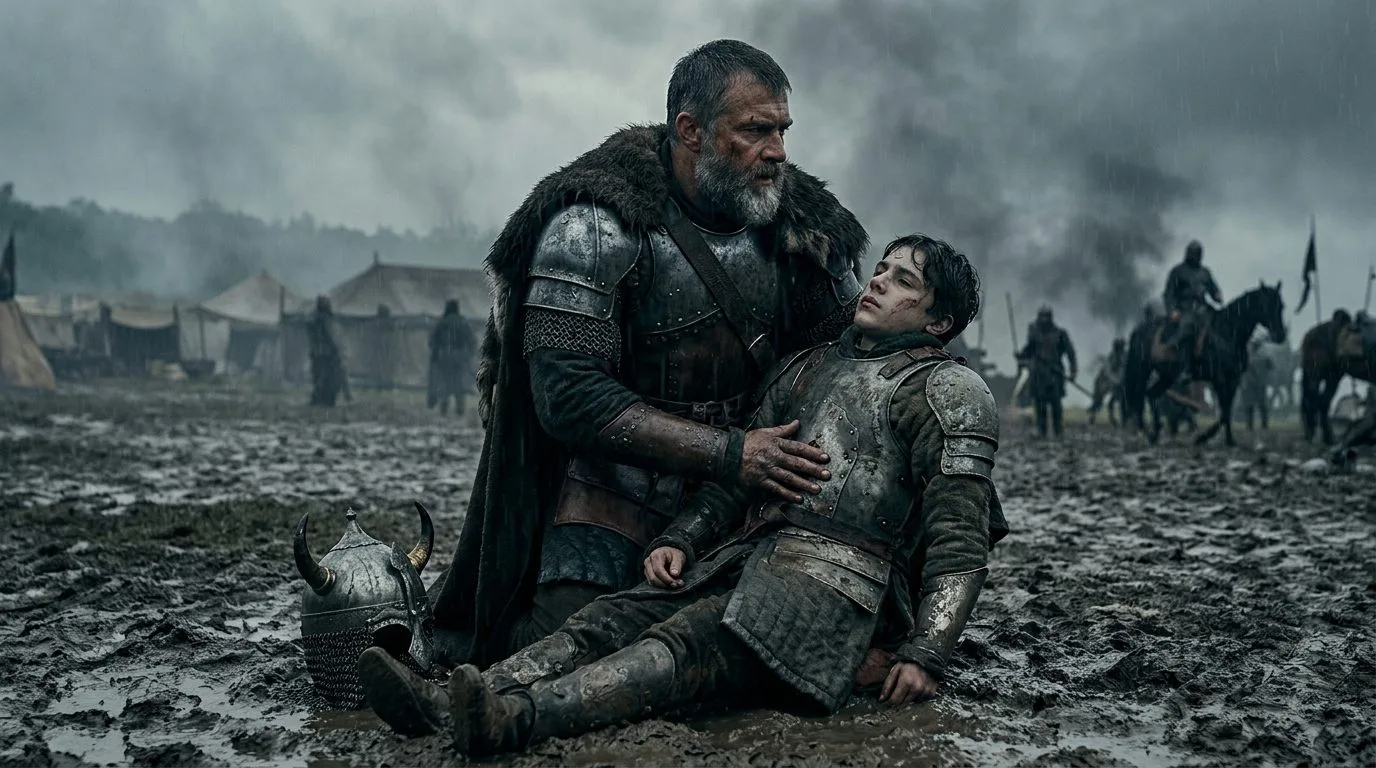
For over 400 years according to the Shahnameh, Rostam defended Persia as its greatest champion, slaying demons and dragons with his legendary strength. During a night with Princess Tahmineh around 900 BCE, he left her his seal, never knowing she bore his son Sohrab. Years later, armies clashed and Rostam faced an unknown warrior of incredible skill. After three days of combat, Rostam drove his spear through his opponent’s heart. As the young warrior died, Rostam saw his own seal on the boy’s arm and realized he had killed Sohrab. The hero who had saved Persia countless times spent his final years drowning in grief, later dying when his jealous half-brother dug a pit filled with poisoned spears along his hunting path.
Source: britannica.com
Did You Know?
Did You Know? Bellerophon’s name literally means ‘slayer of Belleros’—yet scholars have never found any myth about anyone named Belleros, suggesting the hero’s very identity was a failure. Even more ironic: Orpheus, who failed to rescue his wife from death, became the founder of a mystery religion promising his followers eternal life. The greatest twist? Karna was born wearing divine armor that made him invincible, but he gave it away to keep his word to a disguised god who was helping his enemies—proving the hero’s fatal flaw was his own unbreakable honor.