
The Colosseum hosts over 7 million visitors annually, but it’s just one of dozens of Roman structures that have survived earthquakes, wars, and nearly two millennia. These engineering masterpieces reveal how Rome’s builders created monuments meant to outlast empires themselves.
1. The Pantheon’s Impossible Concrete Dome
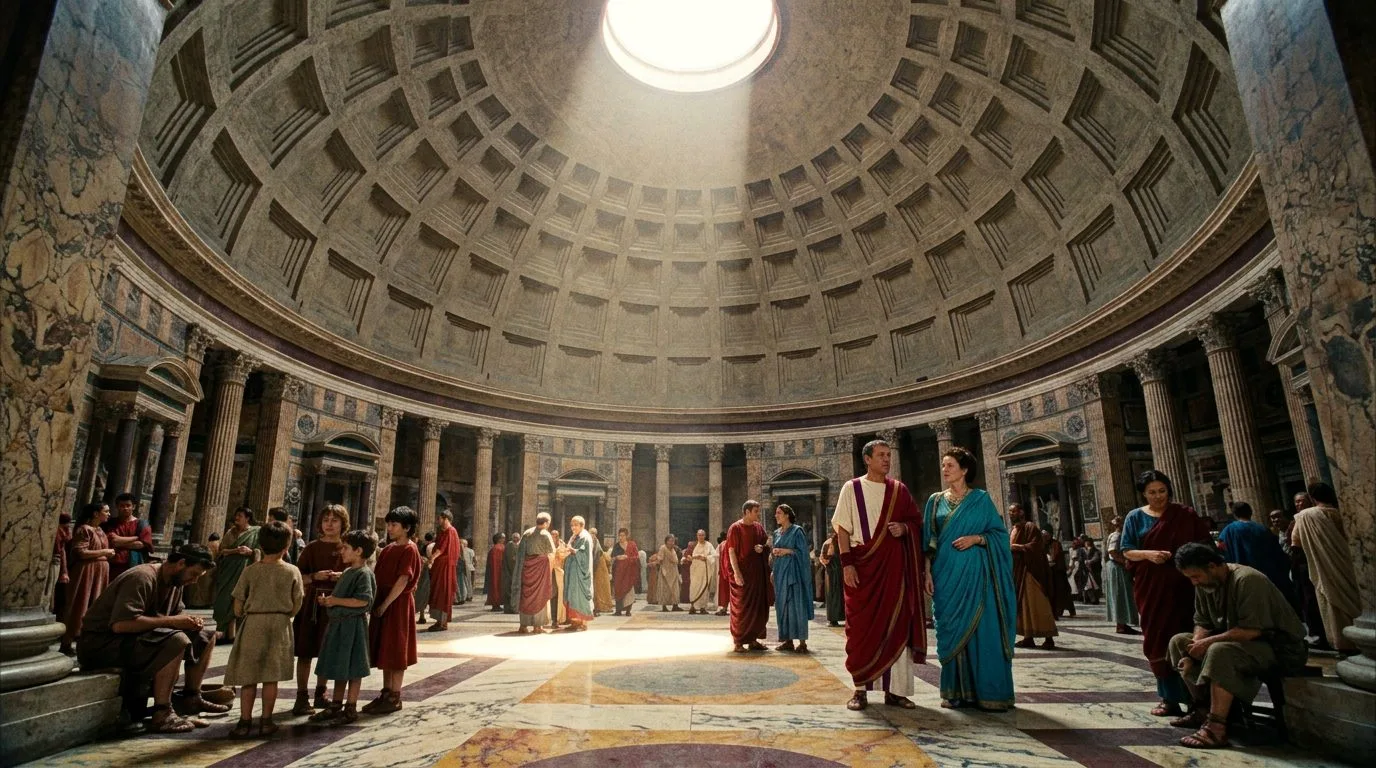
The Pantheon’s Impossible Concrete Dome
The Pantheon’s dome, completed in 126 CE under Emperor Hadrian, remains the world’s largest unreinforced concrete dome at 142 feet in diameter. Roman engineers mixed volcanic ash with lime to create a revolutionary concrete that actually strengthens over time through a chemical reaction with seawater. The oculus at the dome’s center measures exactly 27 feet across and remains the building’s only light source. Contemporary architects still cannot replicate the exact formula that allowed this structure to survive while later concrete structures crumble around it.
Source: smithsonianmag.com
2. Pont du Gard’s Three-Tiered Aqueduct
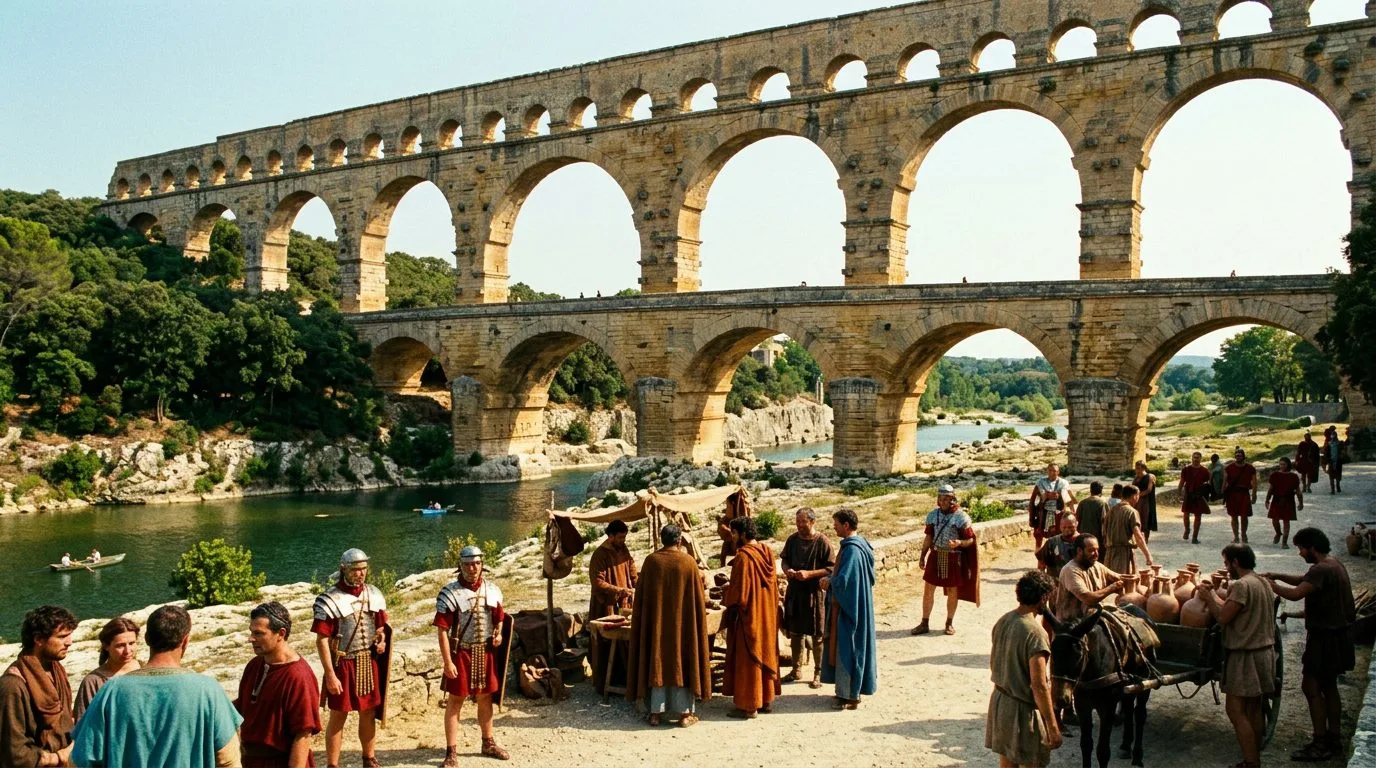
Pont du Gard’s Three-Tiered Aqueduct
Rising 160 feet above the Gardon River in southern France, the Pont du Gard transported 44 million gallons of water daily to the city of Nîmes. Built around 50 CE without mortar, its massive limestone blocks—some weighing 6 tons—fit together with such precision that the structure has survived countless floods. The aqueduct’s gradient drops just one inch every 350 feet, demonstrating the Romans’ mastery of surveying across 31 miles of terrain. Engineers carved identification marks on each stone, creating a massive numbered puzzle that workers assembled in just five years.
Source: britannica.com
3. Segovia Aqueduct’s Gravity-Defying Arches
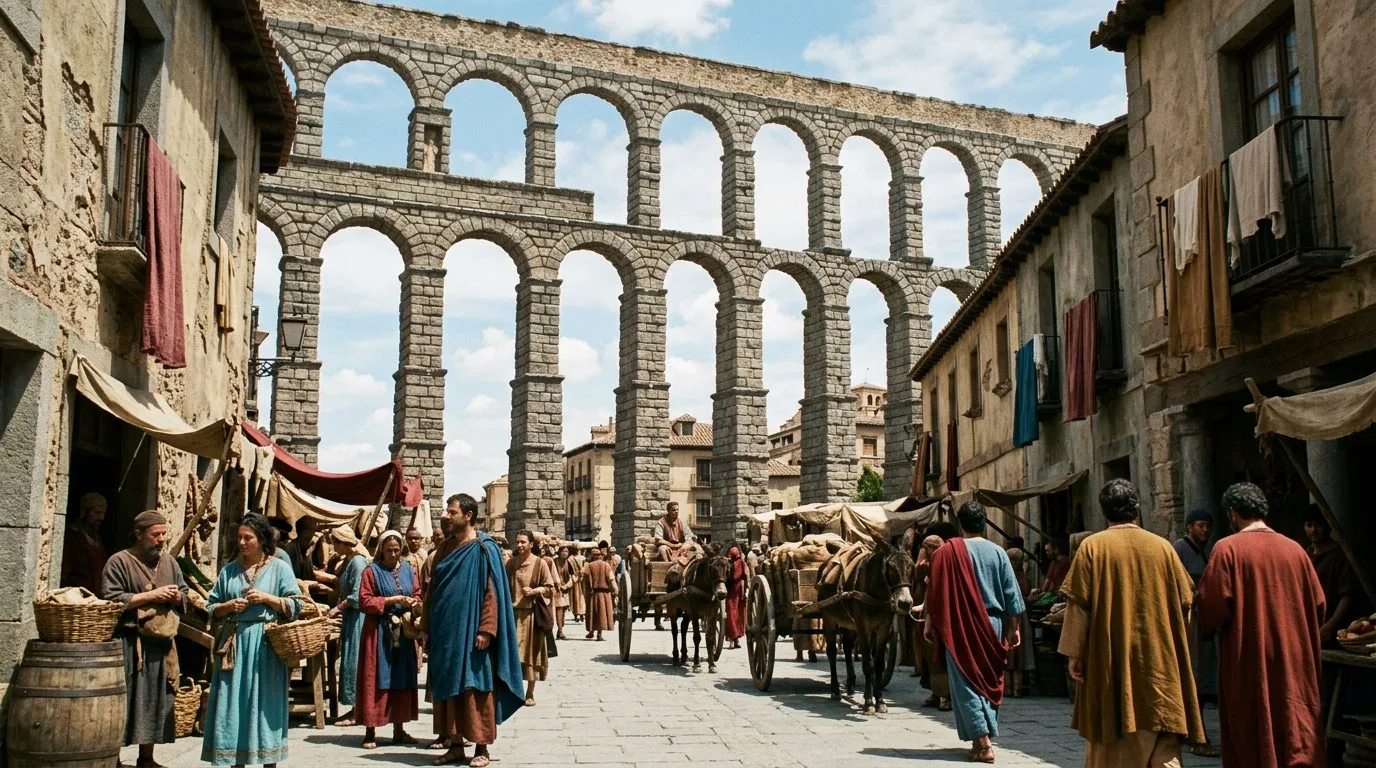
Segovia Aqueduct’s Gravity-Defying Arches
The Segovia Aqueduct in Spain stands 93 feet tall at its highest point, constructed from 24,000 granite blocks assembled without a single drop of mortar. Built during the reign of Emperor Trajan around 98 CE, its 167 arches carried mountain spring water across nearly 10 miles. The structure’s double-arched design distributes weight so efficiently that it continued functioning for nearly two millennia, carrying water for almost 2,000 years. Residents believed the Devil built it overnight, unable to comprehend engineering that allowed stones to balance in mid-air indefinitely.
Source: history.com
4. Colosseum’s Revolutionary Crowd Control
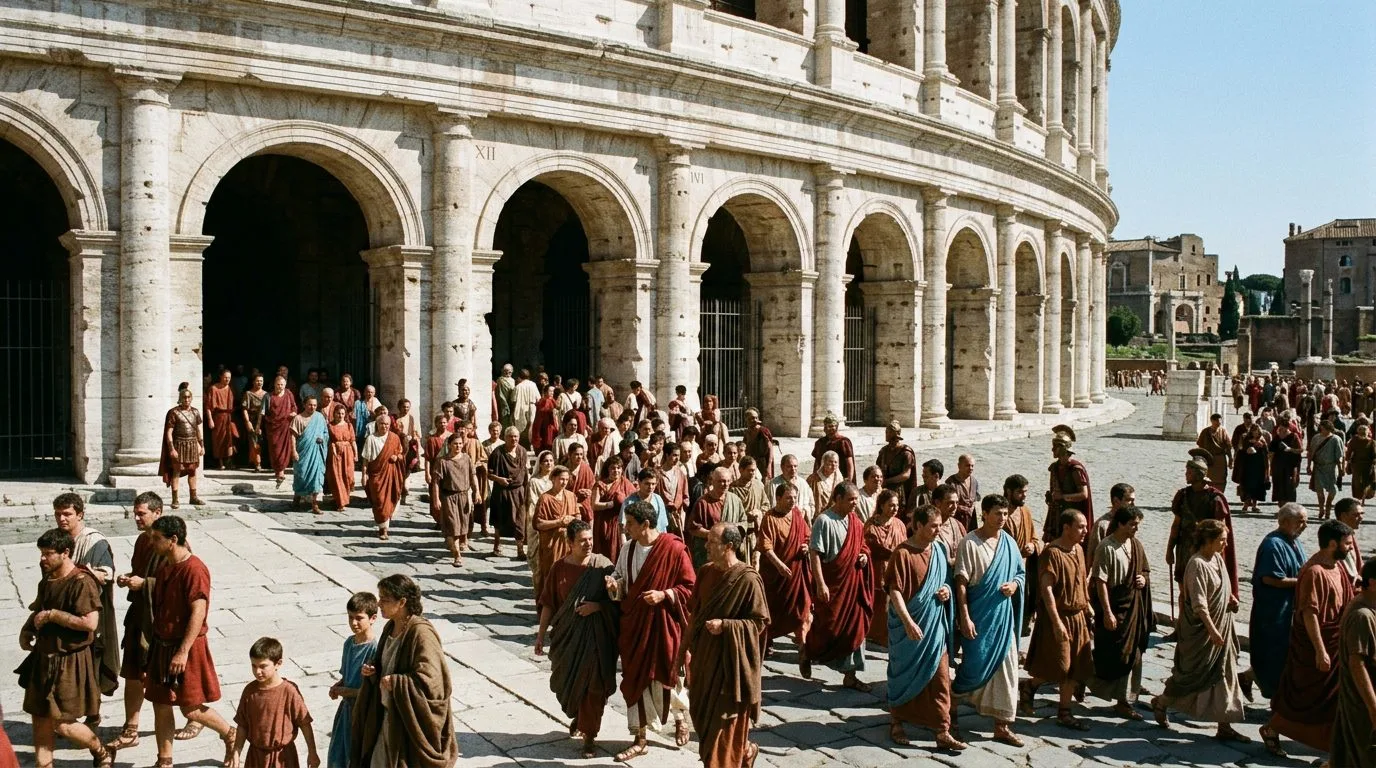
Colosseum’s Revolutionary Crowd Control
Emperor Vespasian’s Flavian Amphitheatre, begun in 72 CE, could evacuate all 50,000 spectators through 80 numbered entrances in just 15 minutes. The four-story structure featured a complex system of underground chambers called the hypogeum, where 28 elevators powered by enslaved workers hoisted animals and gladiators onto the arena floor. Engineers installed a retractable awning system called the velarium, operated by sailors who understood rigging, to shade spectators from the Mediterranean sun. The building’s 15,000 tons of iron clamps were stolen during the Middle Ages, leaving holes still visible today.
Source: britannica.com
5. Trajan’s Column Spiraling War Documentary
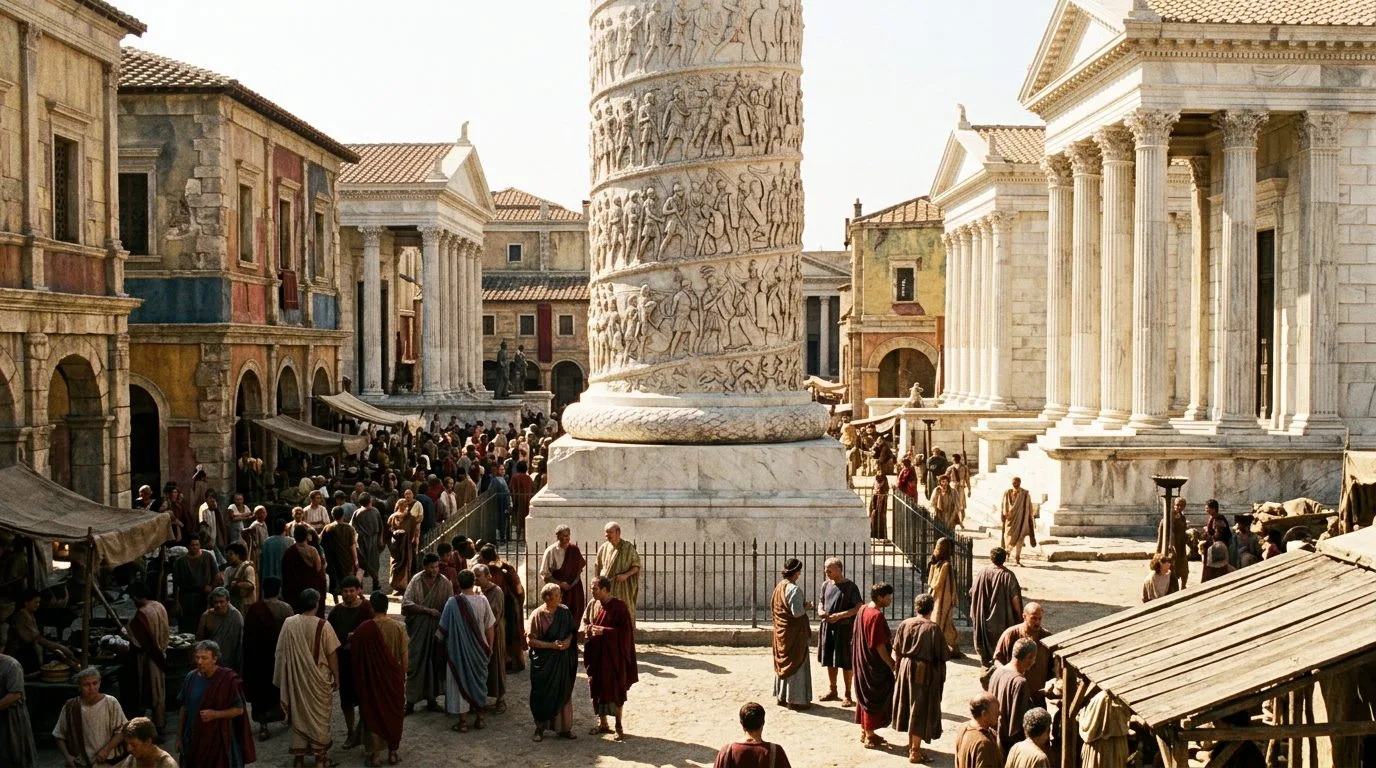
Trajan’s Column Spiraling War Documentary
Dedicated in 113 CE, Trajan’s Column stands 125 feet tall and contains a continuous spiral frieze stretching 625 feet when unwound. The marble column depicts 2,662 figures across 155 scenes from Emperor Trajan’s Dacian Wars, creating history’s first visual narrative documentary. Inside, a spiral staircase of 185 steps leads to a viewing platform that once held a statue of Trajan himself. The column’s hollow construction and perfectly proportioned drums demonstrate engineering precision so exact that no mortar was needed between the massive marble sections.
Source: smithsonianmag.com
6. Maison Carrée’s Perfect Proportions
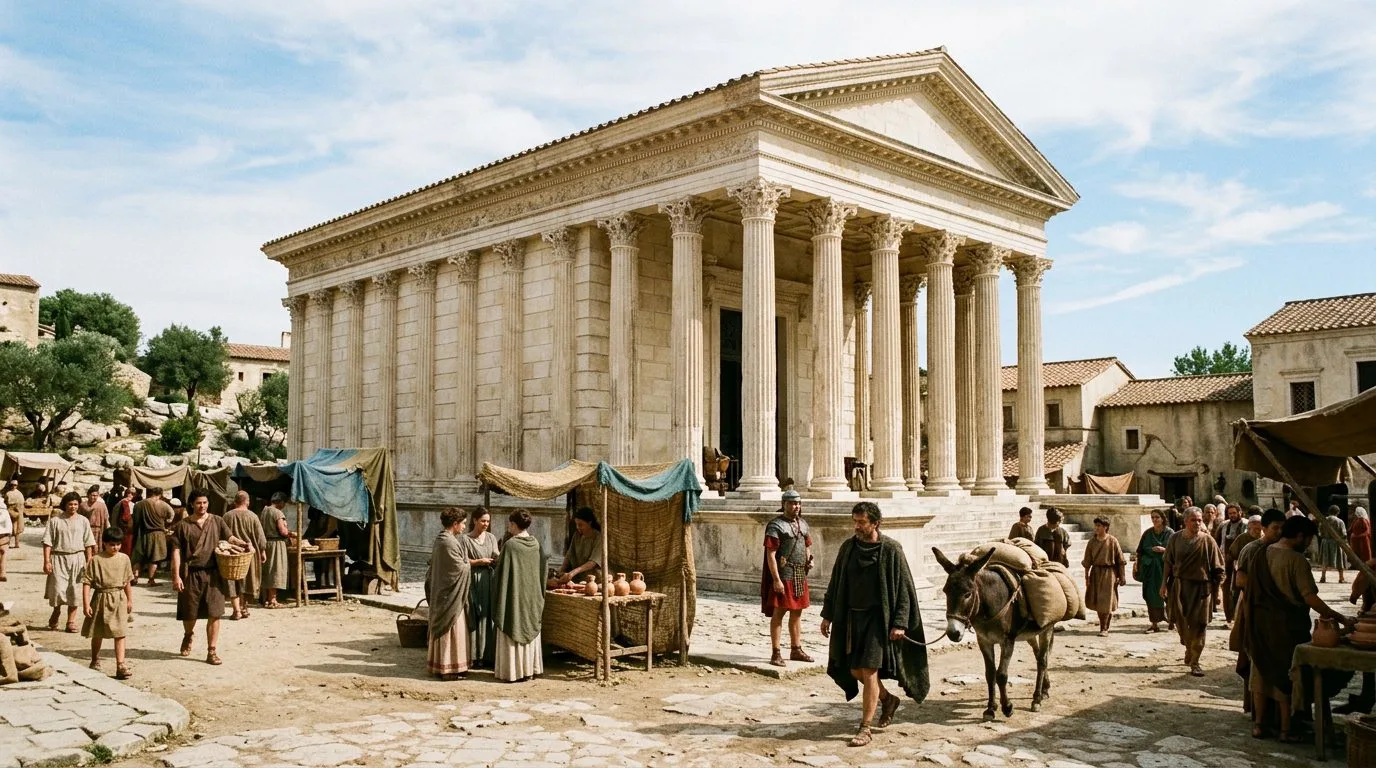
Maison Carrée’s Perfect Proportions
This Roman temple in Nîmes, France, completed around 16 BCE, showcases the mathematical perfection Romans demanded from sacred architecture. The structure measures exactly twice as long as it is wide, with 30 Corinthian columns standing 49 feet tall. Every architectural element follows precise ratios derived from Greek mathematical principles, creating harmonies that make the building appear to float despite weighing thousands of tons. Thomas Jefferson studied this temple obsessively and based Virginia’s State Capitol directly on its design, making it America’s architectural grandfather.
Source: britannica.com
7. Pula Arena’s Amphitheater Innovation
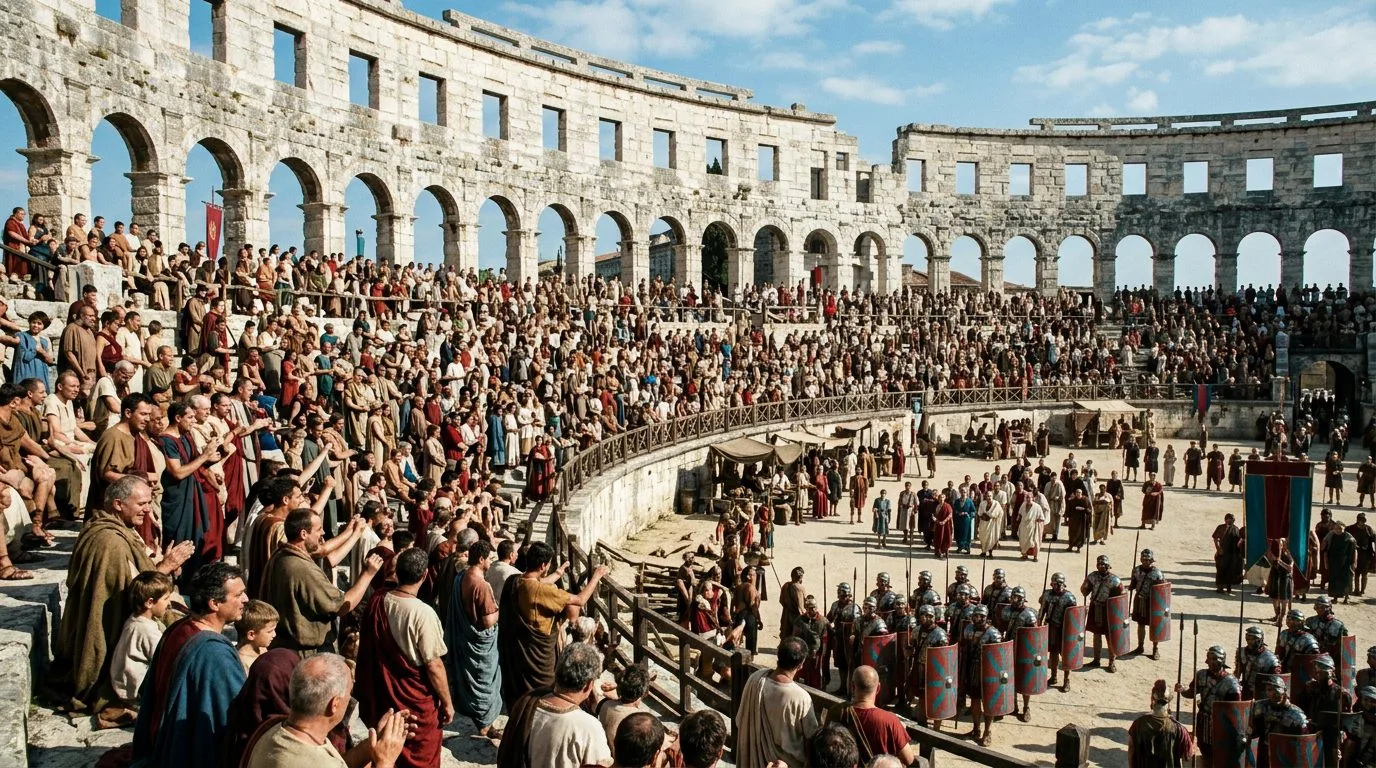
Pula Arena’s Amphitheater Innovation
Built between 27 BCE and 68 CE in modern-day Croatia, the Pula Arena remains one of only six surviving Roman amphitheaters with all four structural tiers intact. The elliptical building measures 436 feet long and seated 20,000 spectators who entered through one of 15 gates based on social class. Underground tunnels once housed gladiators and animals, with clever drainage systems preventing flooding during naval battle reenactments. The structure’s innovative use of limestone blocks with metal clamps allowed flexibility during earthquakes that destroyed supposedly stronger buildings.
Source: history.com
8. Alcántara Bridge’s Triumph Over Nature
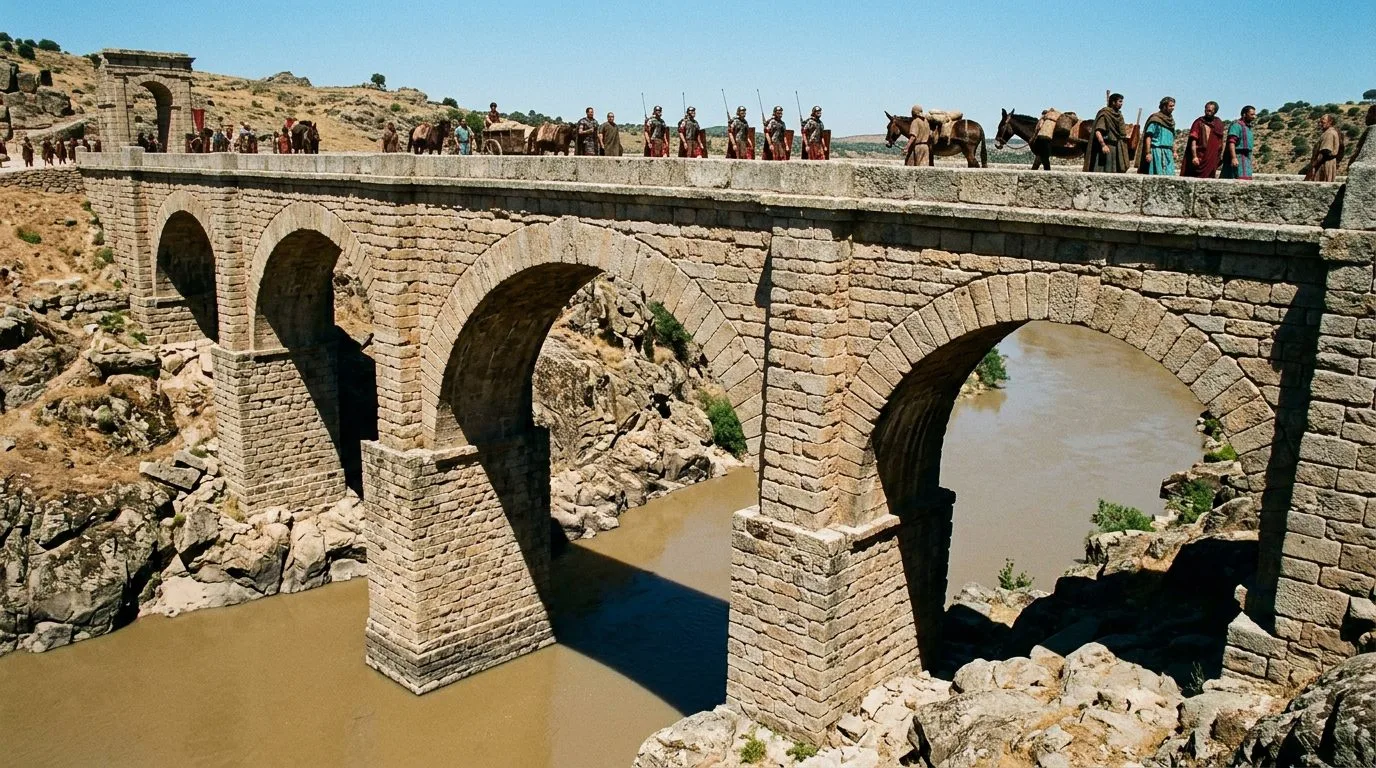
Alcántara Bridge’s Triumph Over Nature
Spanning 597 feet across Spain’s Tagus River gorge, the Alcántara Bridge has weathered floods 200 feet below since 106 CE. Builder Gaius Julius Lacer inscribed his name on the structure, declaring it would last forever—and so far, he’s correct. The bridge’s six granite arches rise 210 feet above the riverbed, with the central arch spanning an incredible 92 feet without intermediate support. Moorish forces destroyed one arch over a millennium later to halt an invasion, but the remaining structure stood firm, and the arch was eventually rebuilt using Lacer’s original techniques.
Source: britannica.com
9. Library of Celsus’s Earthquake Protection
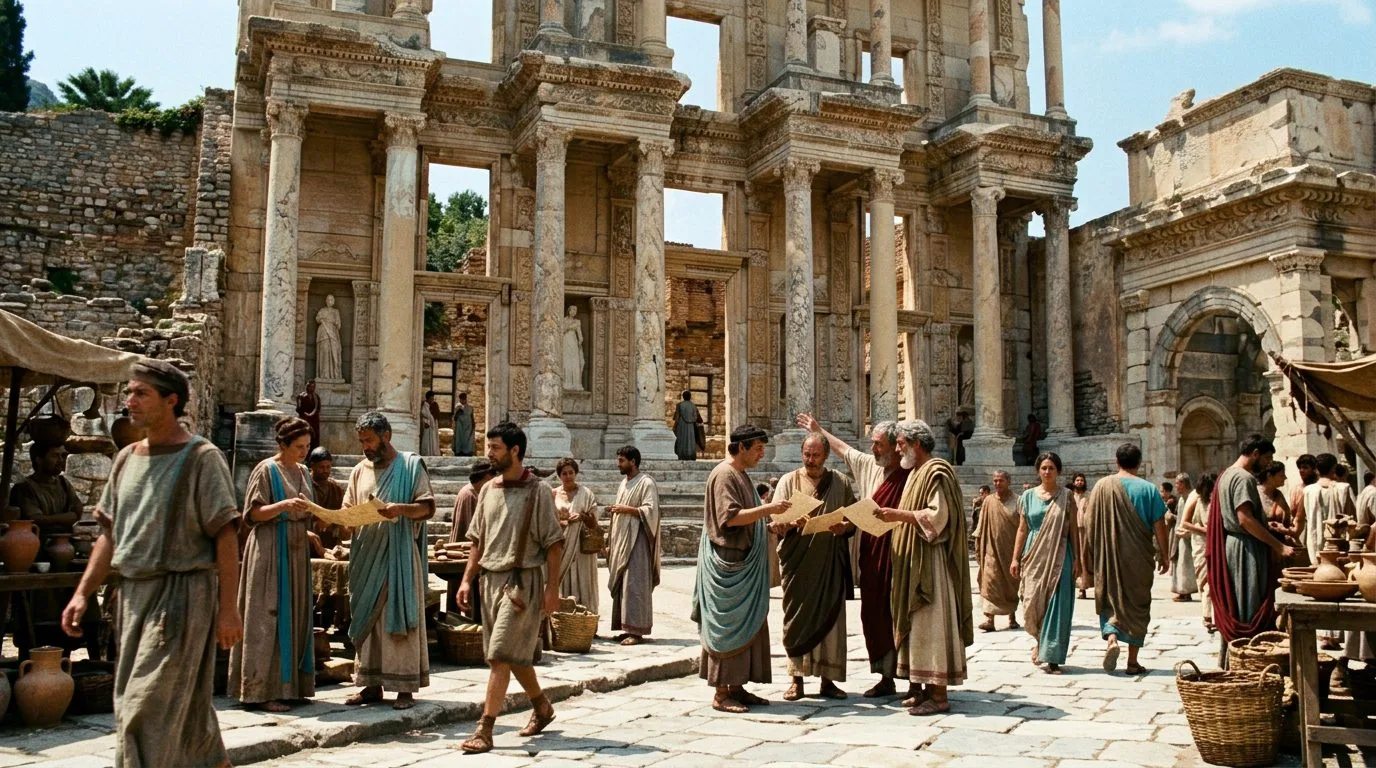
Library of Celsus’s Earthquake Protection
Completed in 135 CE in Ephesus, Turkey, this library’s façade stands 55 feet tall and once housed 12,000 scrolls behind an ingenious double-wall design. The one-meter gap between walls protected manuscripts from humidity while creating an air cushion that helped the structure survive earthquakes. The building served as both library and monumental tomb for Roman Senator Celsus Polemaeanus, whose marble sarcophagus lies beneath the reading room. Decorative columns appear vertical but actually tilt outward slightly, creating an optical illusion that makes the façade appear larger and perfectly proportioned to approaching visitors.
Source: smithsonianmag.com
10. Diocletian’s Palace City Within Walls
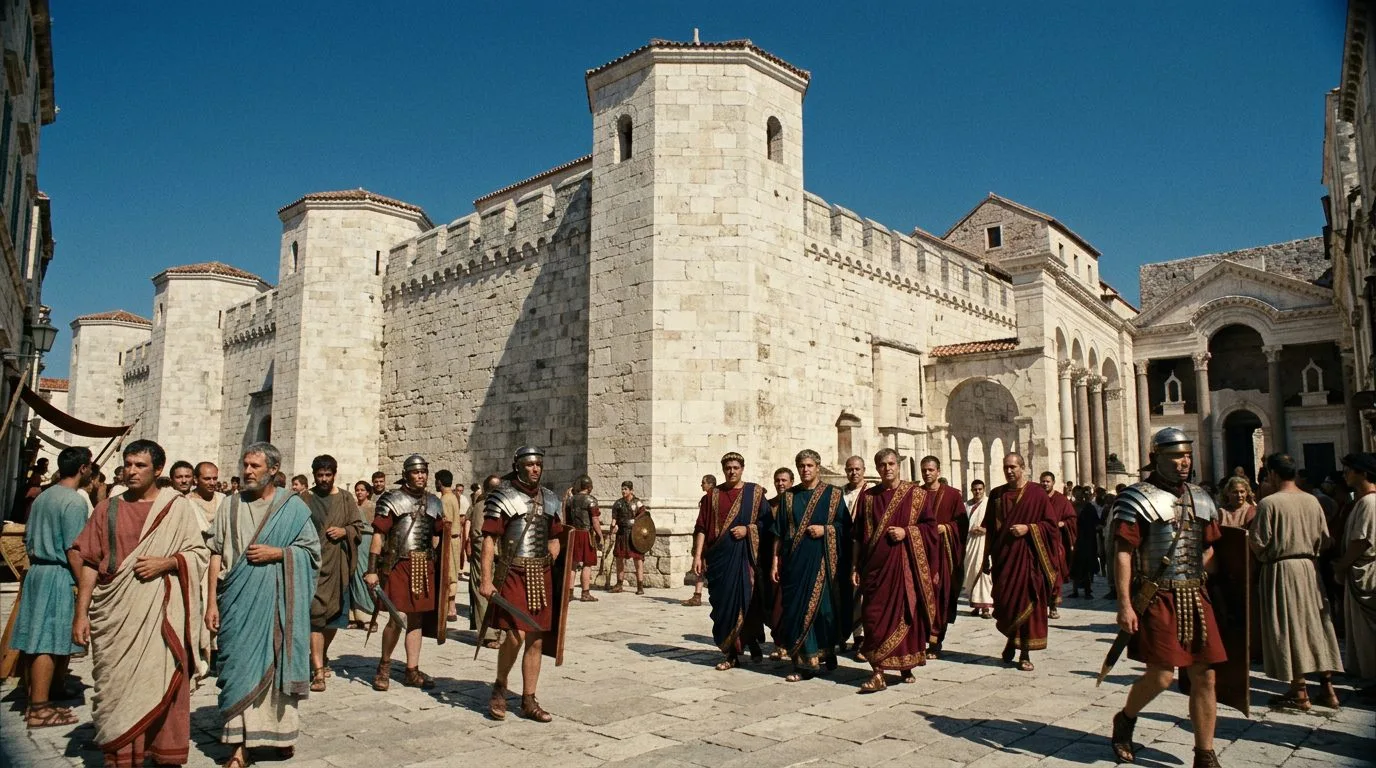
Diocletian’s Palace City Within Walls
Emperor Diocletian’s retirement palace, completed in 305 CE in modern Split, Croatia, sprawls across 9 acres with walls 70 feet high and 7 feet thick. The structure combined military fortress, luxury villa, and fortified town, housing approximately 9,000 residents at its peak. Engineers quarried white limestone from the island of Brač, transporting blocks across 18 miles of Adriatic Sea. Over three thousand people still live within the palace walls today, their homes and shops built directly into Roman structures, making it the only ancient palace that functions as a living city rather than a museum.
Source: history.com
Did You Know?
These structures share one remarkable quality: Roman engineers built them not for their own lifetimes, but for eternity. While later concrete crumbles after decades, these ancient monuments stand as permanent reminders that true innovation outlasts the empires that create it.