
In 1304, Stirling Castle withstood a months-long siege using strategies that baffled attackers. Medieval defenders turned stone, water, and psychology into weapons that decided the fate of kingdoms. These ten innovations revolutionized warfare and saved countless cities from conquest.
1. Concentric Castle Walls Created Impossible Sieges
Concentric Castle Walls Created Impossible Sieges
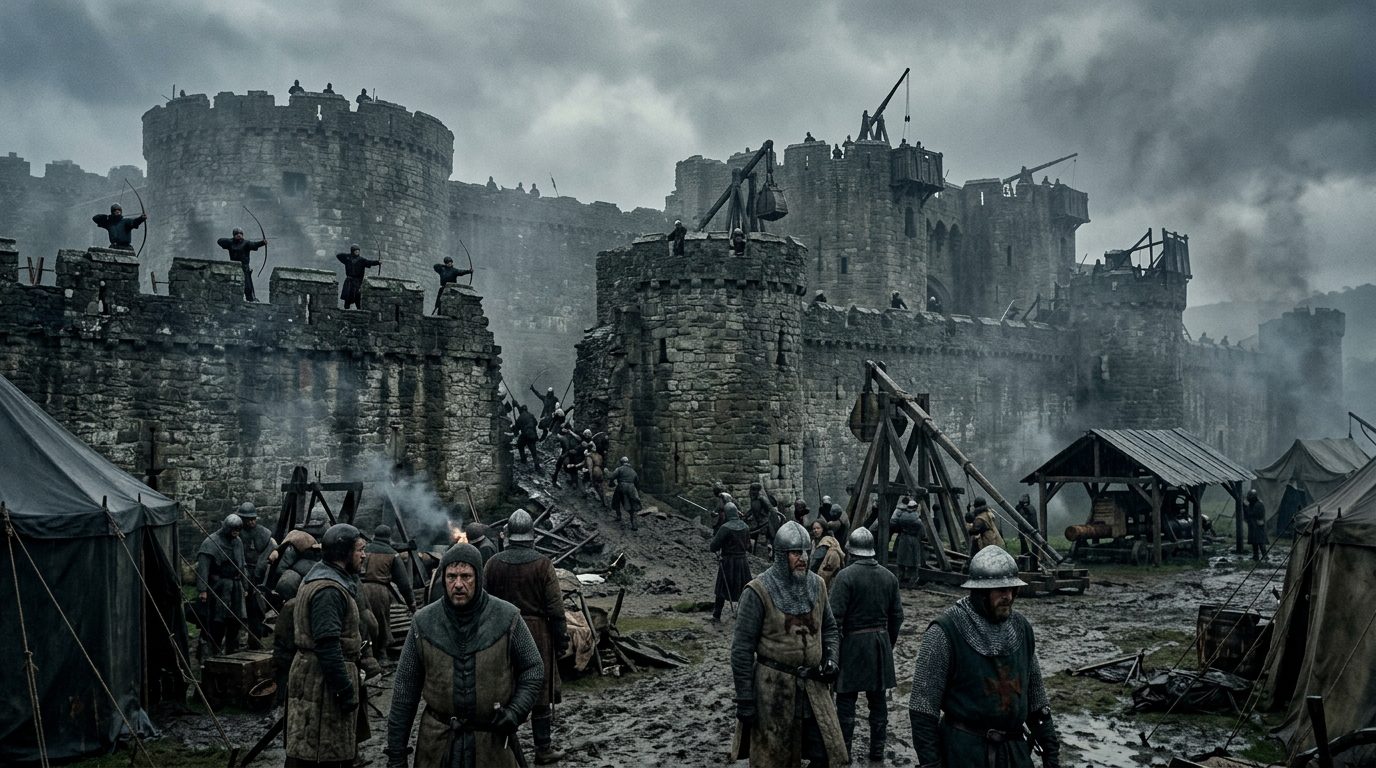
Edward I’s Beaumaris Castle, begun in 1295, featured walls within walls that trapped attackers in killing zones. The outer curtain wall stood 16 feet thick, while the inner wall towered 40 feet high, creating a double barrier no siege engine could breach. Defenders on the inner wall could rain arrows over their comrades on the outer wall, creating overlapping fields of fire. When attackers breached the first wall, they found themselves trapped between two fortifications with nowhere to hide. This Welsh castle never fell to siege in over 200 years of conflict.
Source: britannica.com
2. Boiling Liquids Were Rarely Oil—Sand Was Deadlier
Boiling Liquids Were Rarely Oil—Sand Was Deadlier
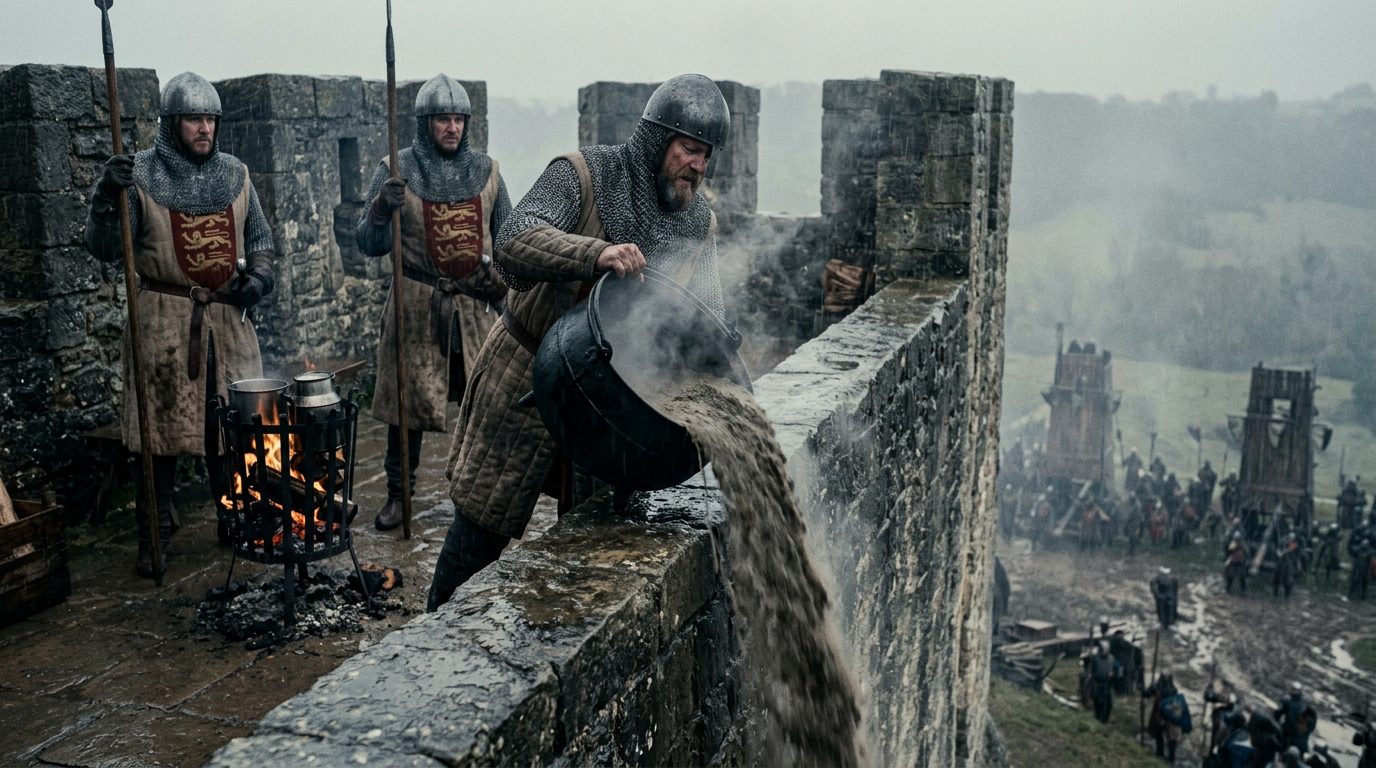
Medieval defenders rarely used expensive oil for boiling—instead, they heated sand and water to devastating effect. During the siege of Château Gaillard in 1204, defenders poured scalding sand through murder holes onto French attackers below. The superheated sand slipped under armor and caused horrific burns that water couldn’t cool. Boiling water cost nothing and was equally effective, causing third-degree burns within seconds. Historical records show pitch and tar were reserved for setting siege equipment ablaze, not pouring on soldiers. One bucket of 200-degree sand could incapacitate a dozen men attempting to scale walls.
Source: history.com
3. Machicolations Turned Gatehouse Defense Into Science
Medieval defense innovation: arrow slits and
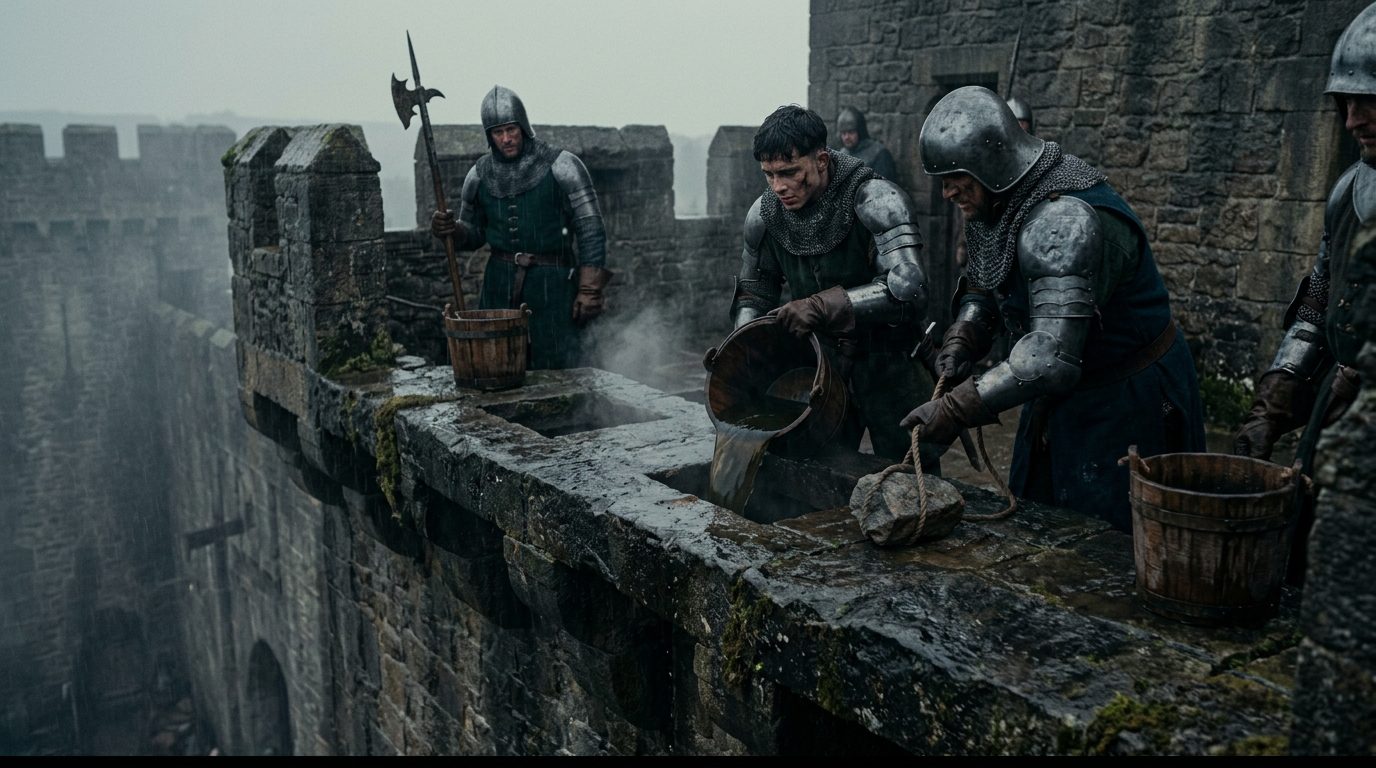
These stone projections jutting from castle walls first appeared in 12th-century France and revolutionized vertical defense. Machicolations created openings in floor sections where defenders could drop stones, pour liquids, or shoot directly down at attackers pressed against walls. The gatehouse at Bodiam Castle, built in 1385, featured 7 machicolations above the entrance, making it impossible for enemies to use battering rams safely. Each opening was precisely angled to cover blind spots where attackers thought they were safe. Unlike wooden hoardings that could burn, stone machicolations lasted centuries and required no maintenance during siege conditions.
Source: britannica.com
4. Engineered Moats Could Drown Undermining Attempts
Engineered Moats Could Drown Undermining Attempts
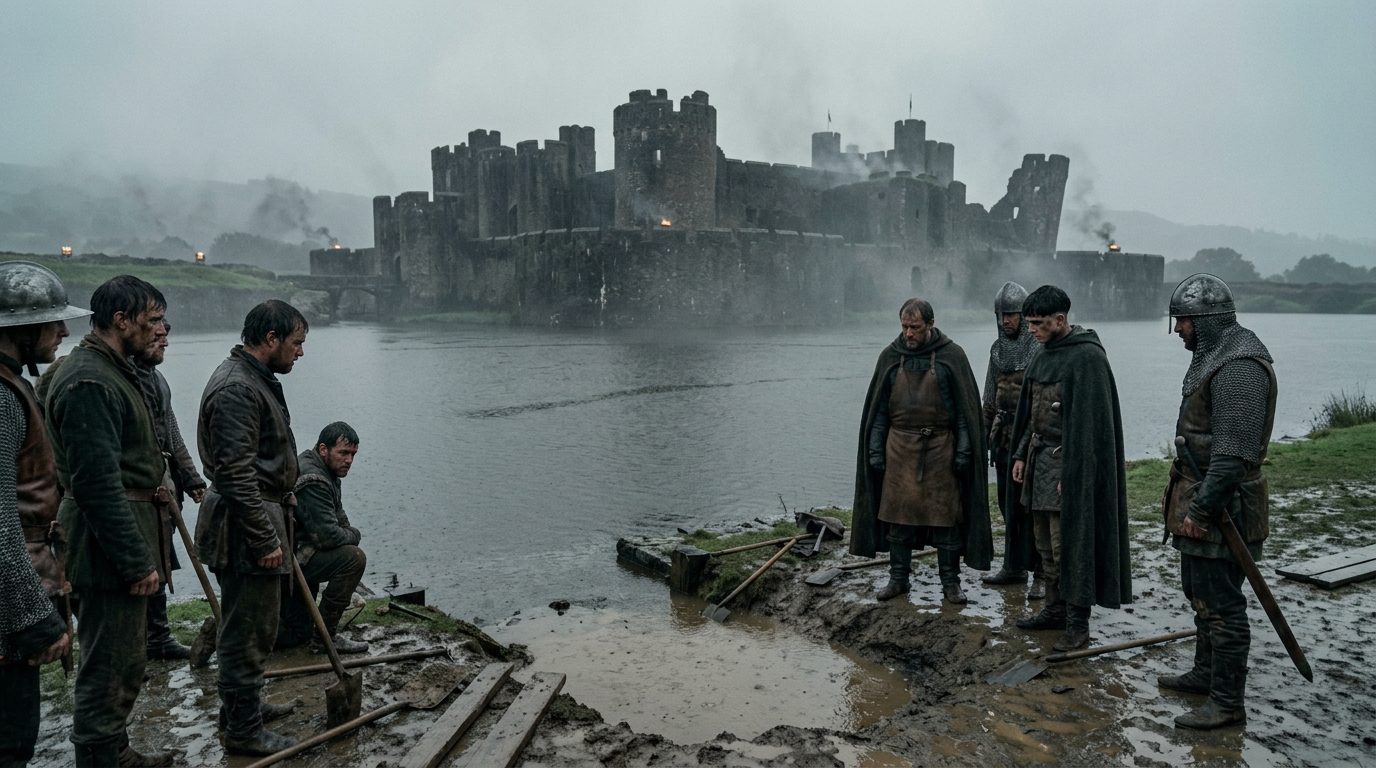
The moat surrounding Caerphilly Castle in Wales, constructed in 1268, held over 30 acres of water and prevented all underground mining operations. Engineers diverted nearby rivers to maintain water levels at 10 feet deep year-round, making tunneling impossible without advanced pumping technology that wouldn’t exist for centuries. When besiegers attempted to drain the moat at Kenilworth Castle in 1266, defenders simply opened sluice gates to refill it from reservoir pools. Moats also stopped siege towers from approaching walls, as wooden wheels sank into mud at the water’s edge. Some moats were stocked with sharp stakes hidden just below the surface to impale anyone attempting to wade across.
Source: history.com
5. Sally Ports Enabled Devastating Pre-Dawn Counterattacks
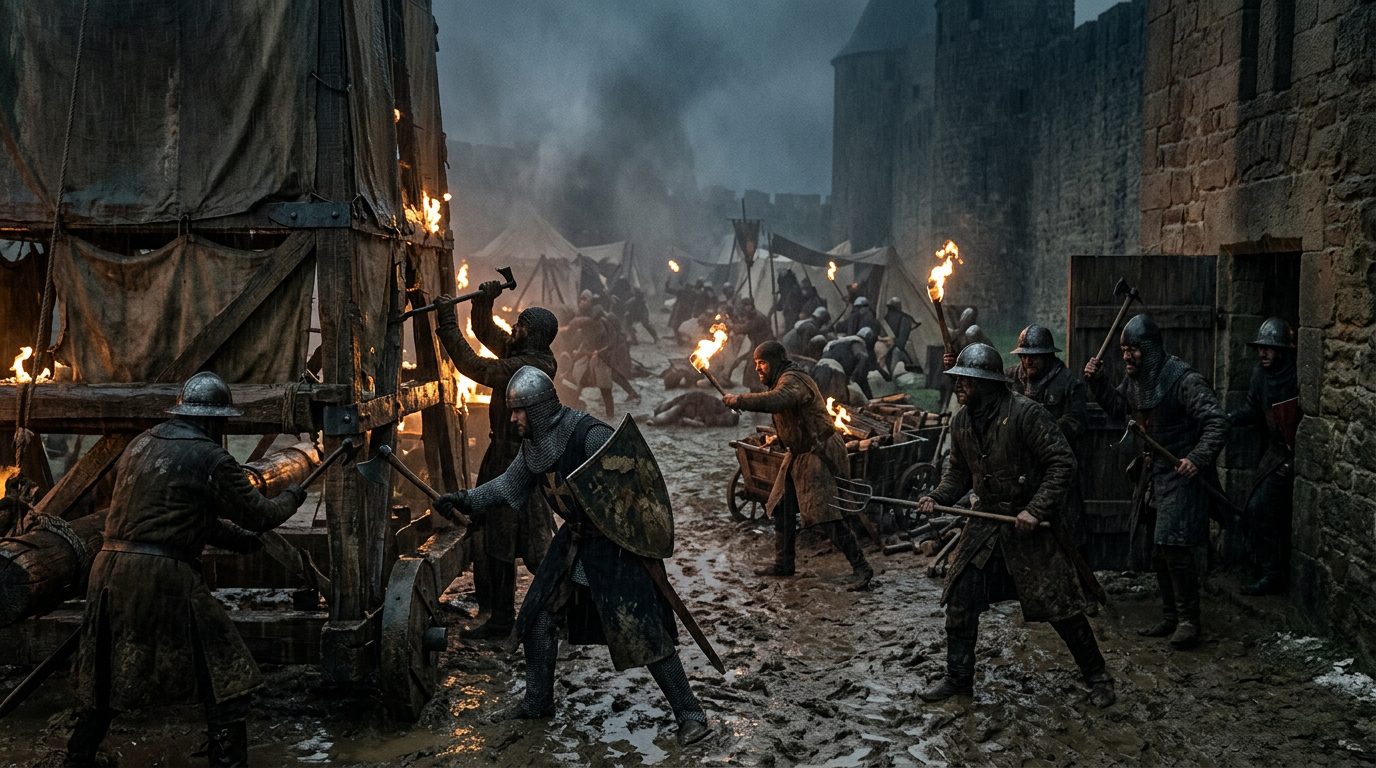
Forces launched surprise attacks through sally
These hidden side gates allowed defenders to launch surprise night raids that destroyed siege equipment and demoralized attackers. During the siege of Carcassonne in 1240, defenders used 4 concealed sally ports to burn trebuchets under cover of darkness. The small doors, typically just 6 feet high and hidden in curtain walls, let armed knights slip out undetected while main gates remained sealed. Attackers camping near walls would wake to find their siege towers ablaze and supply wagons raided. At Dover Castle in 1216, a sally port raid killed 20 French engineers in a single night, setting their siege back by weeks. These tactical exits turned static defense into offensive opportunity.
Source: smithsonianmag.com
6. Crossbows Outmatched Longbows in Castle Defense
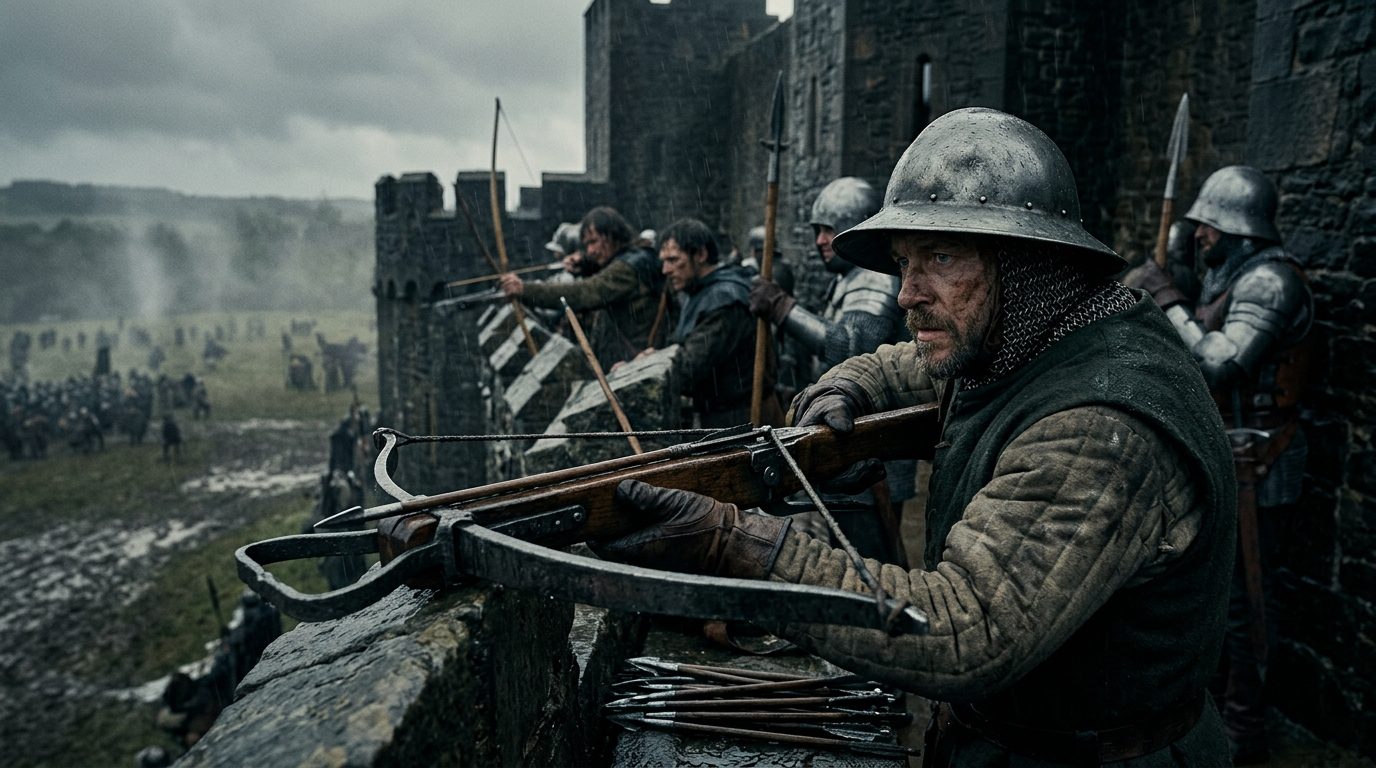
Crossbows Outmatched Longbows in Castle Defense
A **crossbow**man required just 2 weeks of training versus 10 years for a longbowman, making them ideal for garrison defense. The crossbow’s 1,200-pound draw weight could punch through chainmail at 200 yards, and defenders could reload while sheltered behind crenellations. During the defense of Acre in 1291, Genoese crossbowmen fired 50 bolts per minute from castle walls, devastating Mamluk assault forces. The weapon could be left cocked for hours, ready to fire instantly when attackers appeared. Crossbow bolts also penetrated wooden siege shields that deflected arrows, making them superior for anti-siege-engine warfare. Their mechanical advantage meant even injured defenders could operate them effectively.
Source: britannica.com
7. Underground Granaries Enabled Year-Long Siege Endurance
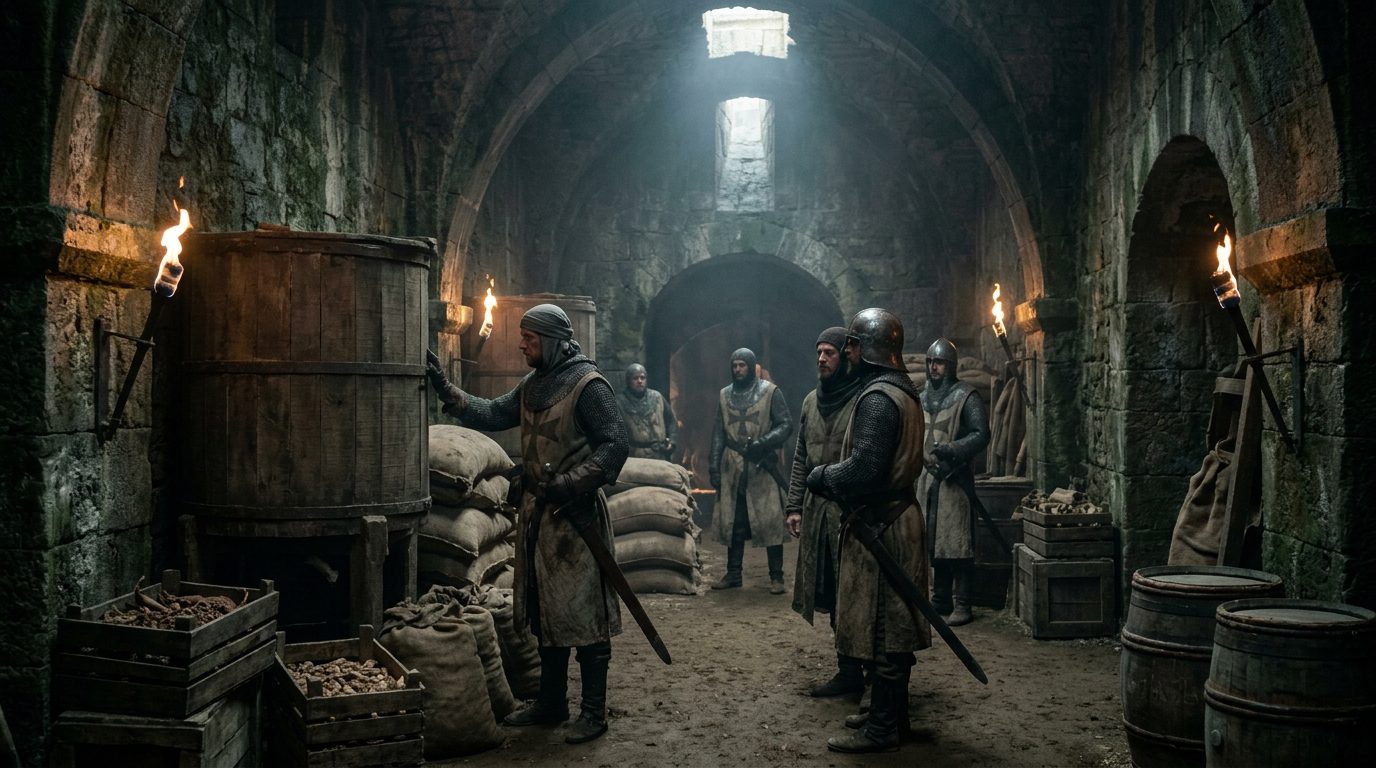
Ancient storage pits preserved food for months.
Crac des Chevaliers in Syria contained storage vaults capable of feeding 2,000 defenders for 5 years without resupply. Built in 1142 by Crusader knights, the fortress featured underground chambers where cool temperatures preserved grain, salted meat, and dried fish indefinitely. Defenders rotated food stocks systematically, consuming older supplies first to prevent spoilage. At Harlech Castle in Wales, provisions stored in 1294 sustained the garrison through a 7-month siege in 1295 without rationing. Strategic food storage transformed siege warfare from a waiting game into a test of which side’s supplies would exhaust first. Many attackers abandoned sieges simply because defenders appeared well-fed while besiegers starved.
Source: history.com
8. Feigned Retreats Lured Attackers Into Killing Zones
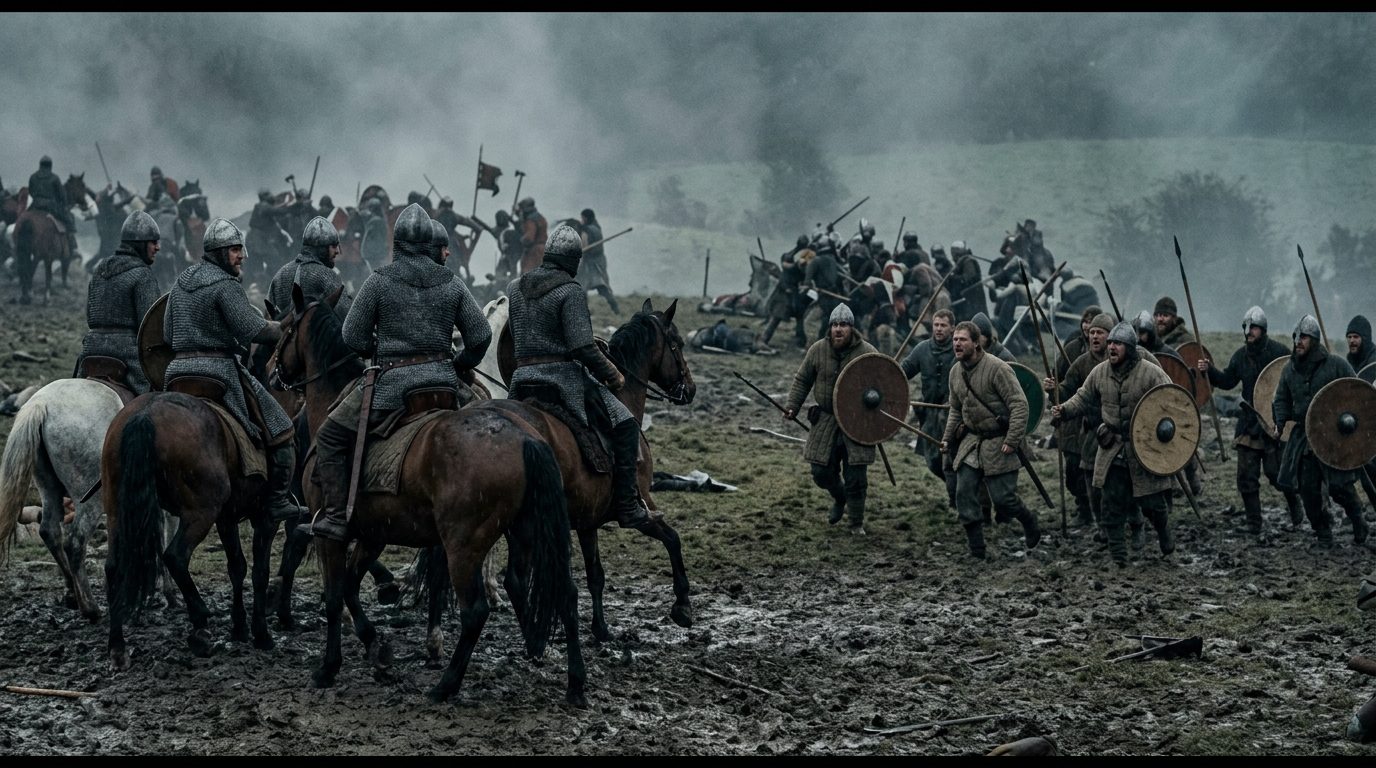
Warriors used tactical retreats to ambush enemies.
At the Battle of Hastings in 1066, Norman cavalry used false retreats twice to break Saxon shield walls, a tactic defenders later adopted for castle warfare. Garrison forces would stage chaotic withdrawals from outer walls, then ambush pursuing attackers in narrow courtyards designed for slaughter. During the siege of Rochester Castle in 1215, defenders pretended to abandon a breached section of wall, then trapped 40 royal soldiers in a bailey where crossbowmen killed them from three sides. The psychological warfare exploited attackers’ eagerness to press advantages, turning battlefield momentum into deadly overconfidence. This tactic required disciplined troops who could retreat convincingly without actually panicking.
Source: britannica.com
9. Beacon Networks Warned of Invasion in Under 12 Hours
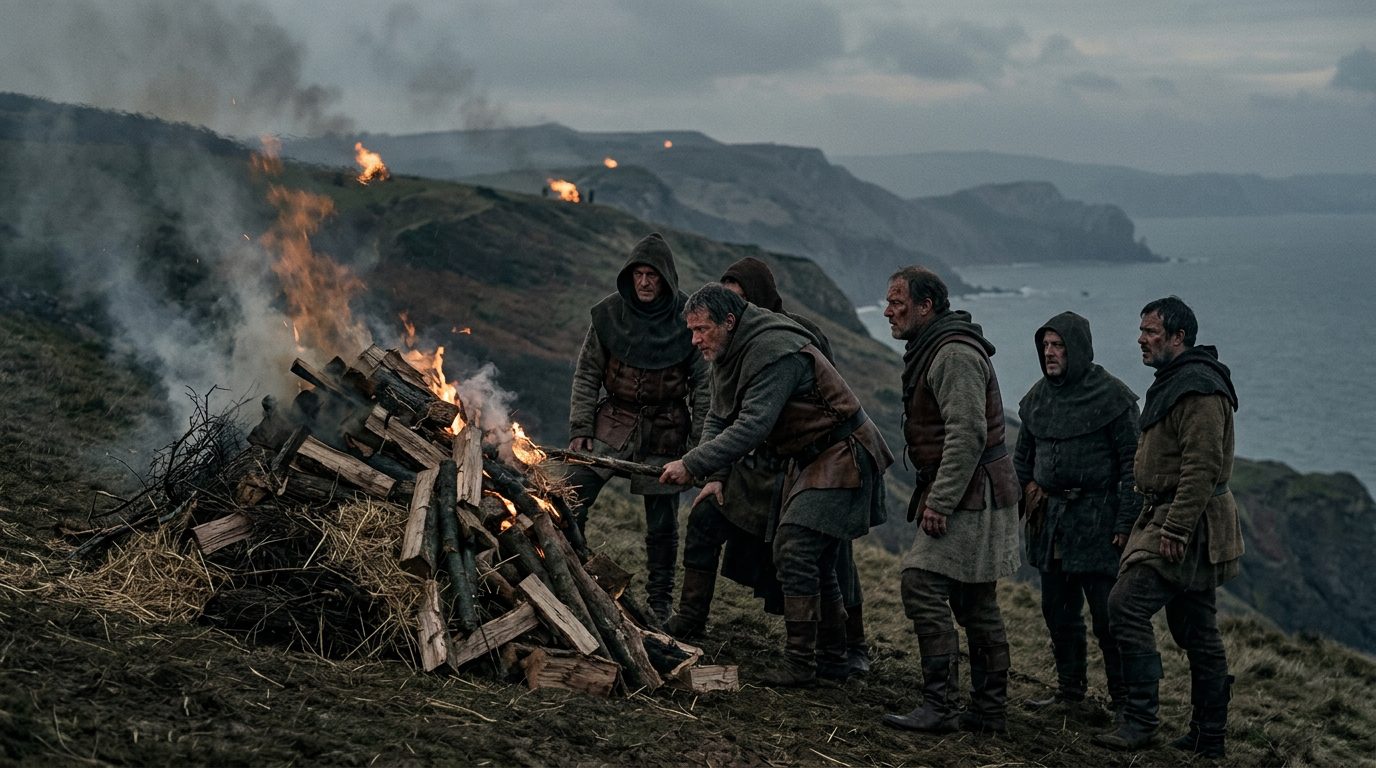
Swift beacon signals alerted defenses to invasion.
England’s south coast beacon system, established during Edward III’s reign in 1327, could alert London of French invasion within half a day. A chain of 73 hilltop fires stretched from Cornwall to Kent, each positioned within sight of the next. When Dover’s beacon lit, the message traveled 300 miles to reach the king before invaders landed. Scotland’s beacon network warned of English raids across 200 miles of border territory, giving castles time to prepare defenses and evacuate civilians. Each beacon station maintained dry wood and pitch ready for instant ignition. This medieval early warning system gave defenders the single most valuable resource in warfare: time to mobilize.
Source: history.com
10. Counter-Mining Detected Underground Sappers With Water Bowls
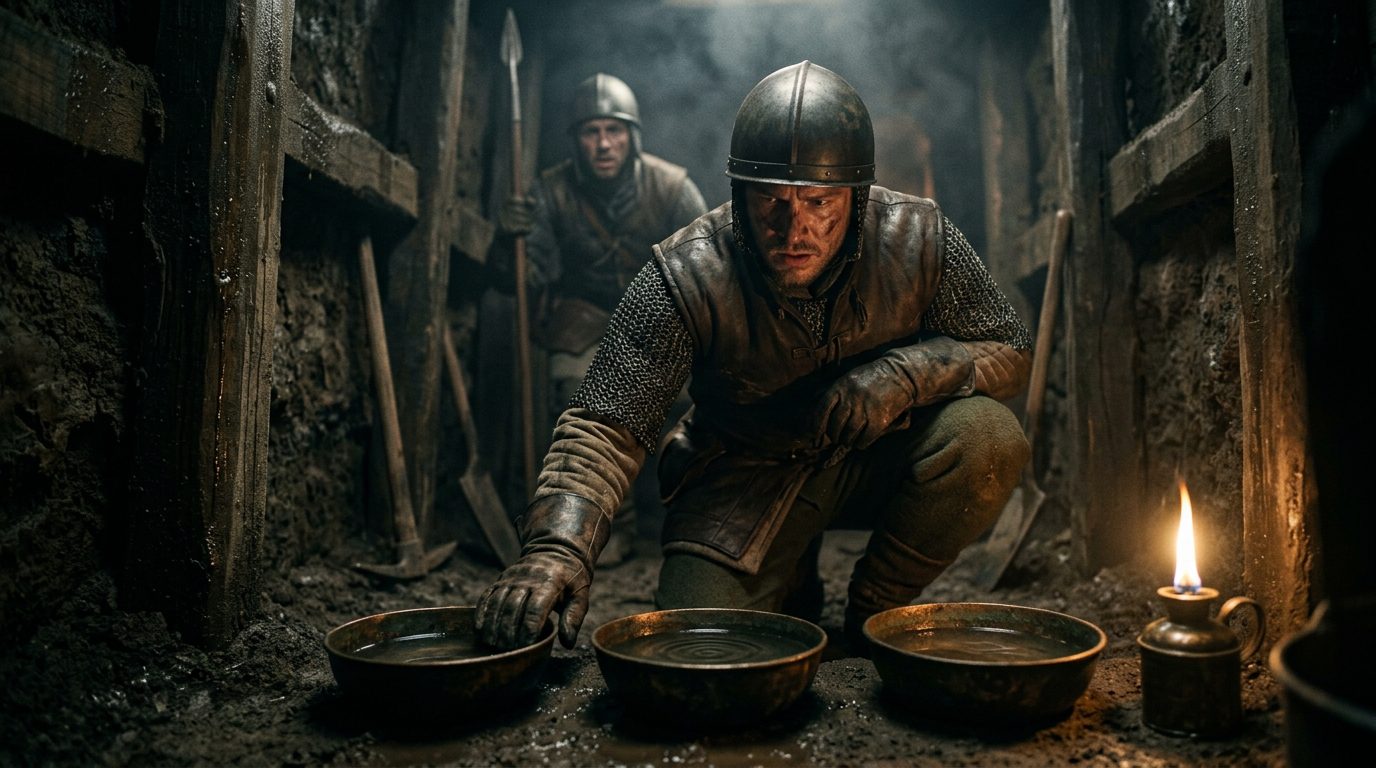
Water bowls detected enemy sappers underground.
Defenders placed bronze bowls filled with water along castle foundations to detect vibrations from enemy tunneling operations. When besiegers dug mines beneath Dover Castle’s walls in 1216, sentries noticed ripples in monitoring bowls 48 hours before the tunnel reached foundations. Defenders then dug counter-mines to intercept enemy sappers, fighting brutal underground battles in cramped tunnels lit by torches. At the siege of Boves in 1185, French defenders pumped smoke into enemy mine shafts, suffocating 30 sappers before they could plant explosives. Some castles built on solid rock foundations made mining impossible, but where geology permitted, counter-mining turned siege warfare into three-dimensional combat beneath the earth.
Source: smithsonianmag.com
Did You Know?
Did you know that medieval defenders sometimes built fake wooden castle sections to trick attackers into wasting ammunition on worthless targets? At Kenilworth Castle, defenders erected convincing but empty tower facades that absorbed weeks of trebuchet bombardment while the real fortifications remained untouched. The most sophisticated medieval defenses weren’t always about stronger walls—they were about making enemies waste resources attacking illusions, a psychological warfare tactic that modern military strategists still study today.