
In 1905, a Tasmanian woman named Fanny Cochrane Smith sang the last known Aboriginal song cycles into a wax cylinder—40,000 years of landscape memory vanished with her voice. When the final speaker of an oral tradition dies, humanity loses irreplaceable archives of knowledge.
1. Tasmanian Aboriginal Song Cycles Encoded 40 Millennia of Memory

Ancient melodies preserving 40,000 years of
Fanny Cochrane Smith died in 1905 carrying the last complete Tasmanian Aboriginal song cycles—oral maps encoding over 40,000 years of landscape knowledge, astronomical observations, and genealogies. British colonization between 1803 and 1876 systematically destroyed Tasmania’s indigenous population from approximately 15,000 to fewer than 300 survivors. These song cycles didn’t just preserve stories; they contained detailed ecological knowledge about 2,000+ plant species, seasonal migration patterns of 47 animal species, and water source locations across the entire island. When Smith’s voice fell silent, archaeologists lost the only translation key to understanding thousands of rock art sites and ceremonial grounds scattered across Tasmania.
Source: britannica.com
2. Yukaghir Love Letters Combined Pictures and Vanished Songs

Ancient Yukaghir courtship through art and music.
The last fluent Yukaghir elder died in the late 19th century in northeastern Siberia, taking with her a unique pictographic writing system used exclusively for love letters and ritual songs. By 1897, Russian ethnographer Vladimir Jochelson documented only 768 surviving Yukaghir people—down from an estimated 9,000 in the 17th century. Their love letters combined abstract symbols representing emotions with accompanying songs that explained each pictograph’s meaning; without the oral component, the 143 preserved pictographic letters became indecipherable puzzles. The ritual songs contained astronomical knowledge calibrated to the Arctic’s extreme seasonal variations, including predictions for aurora borealis activity that modern scientists are now attempting to reconstruct from fragmentary recordings.
Source: smithsonianmag.com
3. Guanche Whistled Language Carried Myths Across Volcanic Peaks
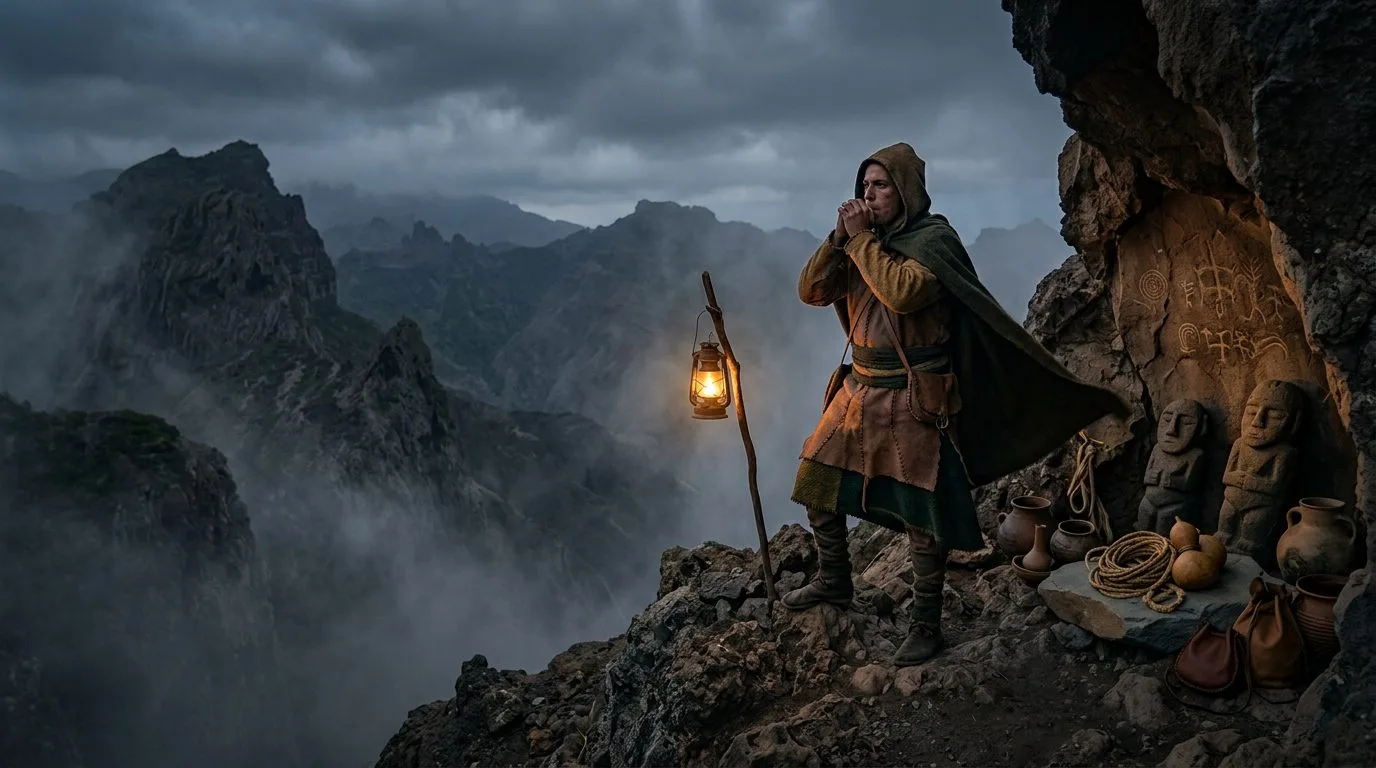
Ancient Guanche whistles echoed across Canary
The last native Guanche speaker died around 1496 following Spanish conquest of the Canary Islands, silencing a whistled language capable of transmitting complex cosmological myths across distances of 5 kilometers between volcanic peaks. Spanish chronicler Alonso de Espinosa documented in 1594 that Guanche priests called ‘faycan’ maintained elaborate origin stories involving star navigation from North Africa, but he dismissed these as primitive superstitions without recording specifics. The whistled Silbo language survived in modified Spanish form, but the original Guanche version encoded ritual poetry describing 17 distinct gods and a sophisticated mummification tradition rivaling ancient Egypt. Archaeological evidence suggests Guanche oral traditions may have preserved 3,000-year-old Berber astronomical knowledge that died completely unreconstructed.
Source: history.com
4. Phrygian Hymns Vanished Beneath Greek Mockery
Phrygian Hymns Vanished Beneath Greek Mockery
The last Phrygian religious hymns disappeared sometime in the 5th century CE, known to us only through dismissive references in Greek texts that ridiculed them as barbaric noise. Greek historian Herodotus wrote around 440 BCE that Phrygian was the world’s oldest language, citing King Midas-era religious poetry that allegedly predated Greek civilization by 800 years. Roman scholar Varro documented around the 1st century BCE that Phrygian priests called ‘Galli’ maintained oracular traditions and ecstatic ritual songs, but he transcribed none of them, considering the language beneath scholarly attention. Modern archaeologists have discovered 395 Phrygian inscriptions, but without the oral performance traditions, they cannot determine how these texts were meant to be sung or what melodies accompanied ceremonies honoring Cybele and other Phrygian deities.
Source: britannica.com
5. Ainu Bear Ceremony Chants Encoded Divine Negotiations
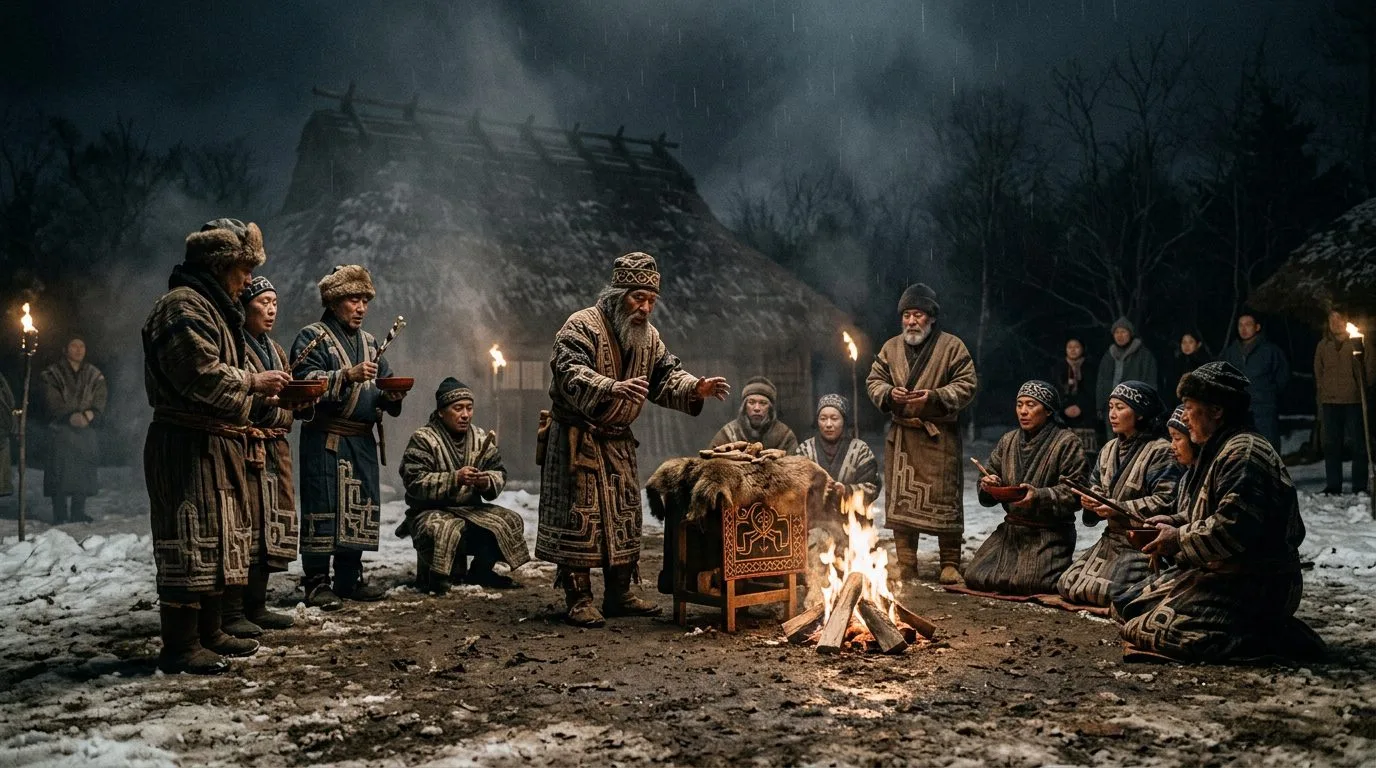
Ainu Bear Ceremony Chants Encoded Divine
The last traditional Ainu ‘Iomante‘ bear ceremony was performed in 1955 in Hokkaido, ending an oral tradition of ritual chants that negotiated with Kamuy spirits through precisely memorized 3,000-line epic poems. Ainu culture maintained oral epics called ‘yukar’ spanning 15 to 20 hours of continuous recitation, containing detailed pharmacological knowledge about 238 medicinal plants unique to northern Japan. By 1903, Japanese assimilation policies had reduced Ainu speakers from approximately 26,000 to fewer than 15,000, and forbidden the teaching of ceremonial language. The bear ceremony chants specifically encoded astronomical observations correlating animal behavior with seasonal changes across 40-year cycles, knowledge that modern ecologists are attempting to reconstruct from incomplete early 20th-century phonograph recordings made by Japanese ethnographer Chiri Mashiho.
Source: britannica.com
6. Etruscan Priestly Texts Existed Only in Roman Contempt
Lost Etruscan wisdom dismissed by Rome
The last Etruscan religious specialists died around 100 CE, taking with them the oral performance traditions of the ‘Libri Rituales’—sacred texts that Romans referenced but never bothered to preserve. Roman emperor Claudius wrote in the mid-1st century CE that he had studied Etruscan divination practices involving the reading of lightning patterns according to texts divided into 16 celestial regions, but he recorded none of the actual ritual formulas. Cicero mentioned in the 1st century BCE that Etruscan ‘haruspices‘ maintained oral traditions of liver divination requiring memorization of 3,000 distinct organ configurations, yet no Roman scholar transcribed these systems. Modern archaeologists possess approximately 10,000 brief Etruscan inscriptions, but without the oral liturgical context, they cannot reconstruct how the elaborate tomb paintings and religious artifacts were actually used in ceremony.
Source: britannica.com
7. Caucasian Albanian Liturgy Died Under Christian Conversion
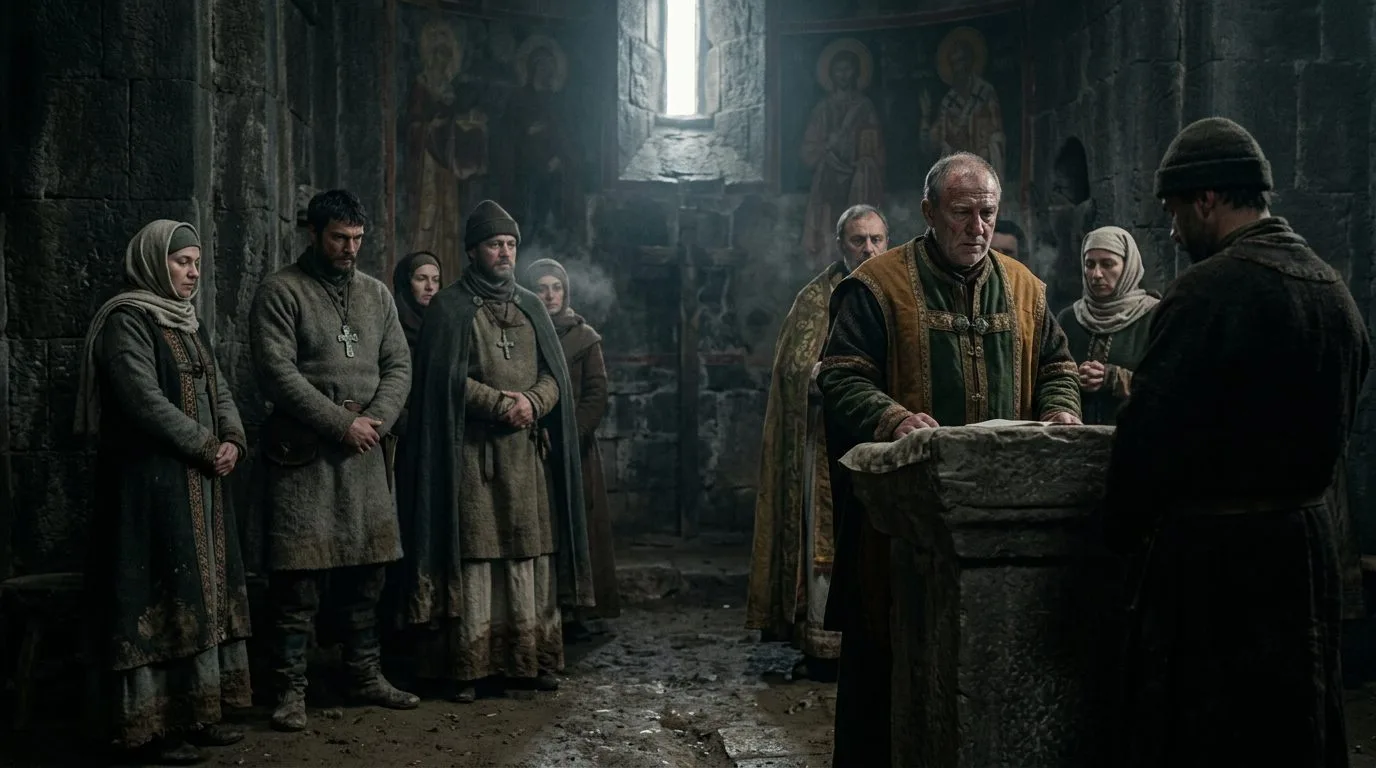
Caucasian Albanian Liturgy Died Under Christian
The last speakers of Caucasian Albanian vanished around 1000 CE following forced Christianization, silencing pre-Christian liturgical traditions that had existed since at least 500 BCE in what is now Azerbaijan. Armenian historian Movses Kaghankatvatsi wrote in the late 7th century CE that Albanian priests maintained oral traditions describing 72 distinct seasonal festivals calibrated to Caspian Sea weather patterns, but he dismissed these as pagan errors requiring elimination. Soviet archaeologists discovered in the mid-20th century a palimpsest containing the only known Caucasian Albanian alphabet beneath later Georgian text, but without oral pronunciation guides, scholars cannot determine how 52 unique letters were vocalized. The lost oral traditions reportedly contained detailed knowledge of silk production techniques, astronomical observations, and medicinal practices that predated Islamic and Christian influence in the Caucasus region.
Source: britannica.com
8. Selk’nam Initiation Rites Vanished With Last Deaths
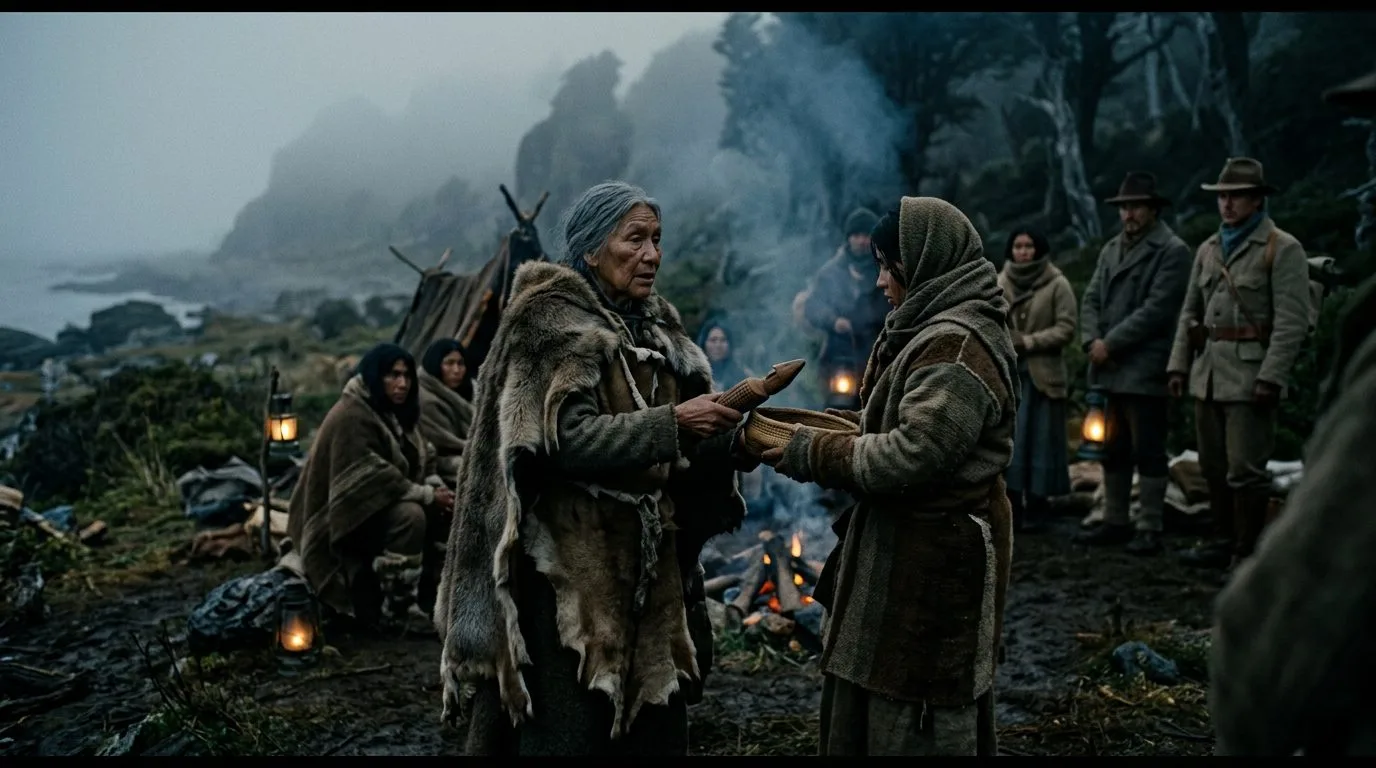
Guajayaiwa ceremony’s final performance in 1923.
Angela Loij died in the mid-20th century as the last initiated Selk’nam woman, ending the ‘Hain’ ceremony tradition that had transmitted origin stories and astronomical knowledge across 10,000 years in Tierra del Fuego. The Hain initiation involved 127 distinct ritual stages performed over 6 months, during which initiates memorized creation myths, ecological knowledge about 83 animal species, and navigation techniques for the Strait of Magellan. Between 1880 and 1920, Argentine and Chilean sheep ranchers systematically killed an estimated 4,000 of the 5,000 remaining Selk’nam, offering bounties of one British pound per indigenous person killed. Austrian priest Martin Gusinde documented fragments between 1919 and 1924, but initiates forbidden by sacred law to share complete ceremonies with outsiders, taking detailed medicinal knowledge about sub-Antarctic plants to their graves.
Source: smithsonianmag.com
9. Hurrian Musical Scales Survived Only as Clay Tablet Mysteries
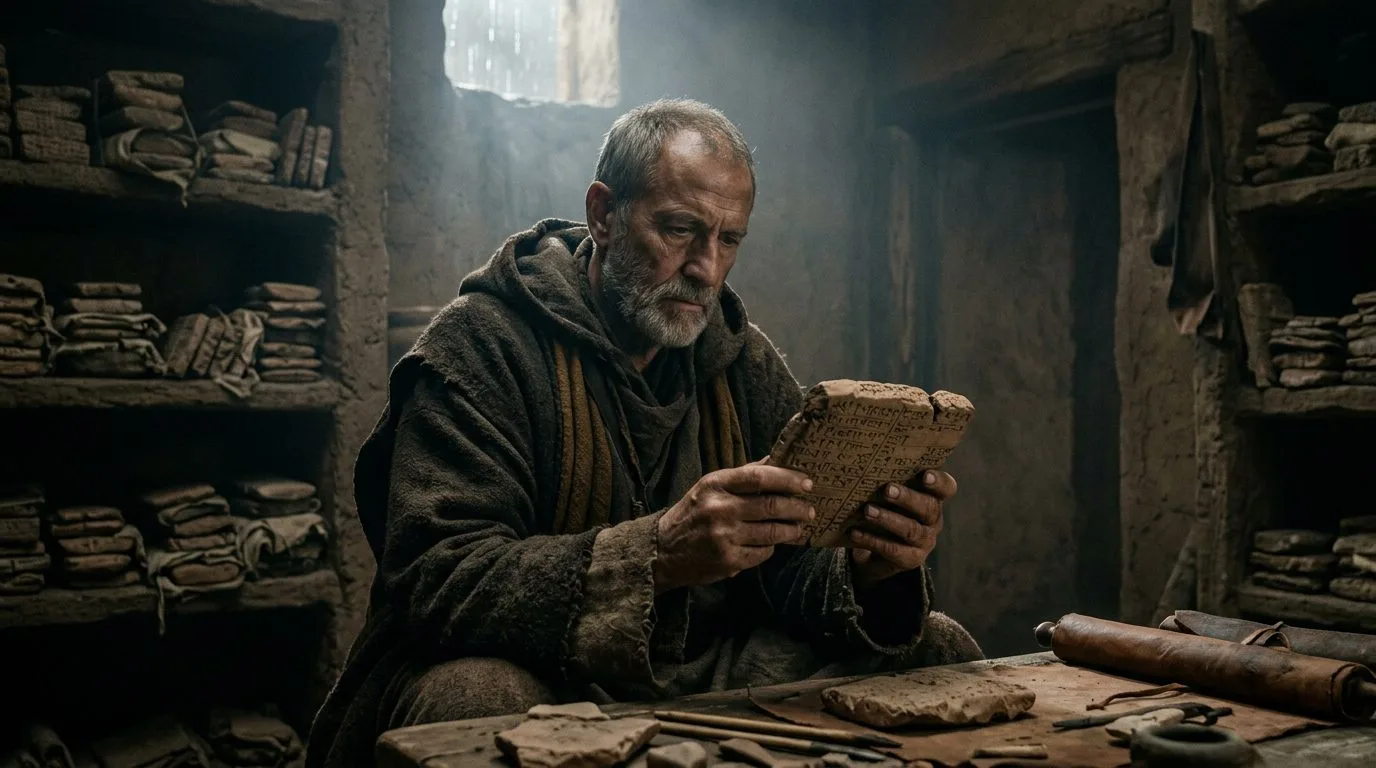
Hurrian Musical Scales Survived Only as Clay
The last Hurrian ritual singers disappeared around 1200 BCE when the Bronze Age collapse destroyed their civilization, leaving behind the world’s oldest musical notation that nobody can accurately perform. Archaeologists discovered in the mid-20th century at Ugarit a cuneiform tablet from approximately 1400 BCE containing a hymn to the goddess Nikkal with musical instructions, but without oral tradition explaining the tuning system, modern reconstructions remain speculative. Ancient Hurrian kingdoms maintained professional musician guilds who memorized elaborate performance techniques for the 9-stringed ‘sammû’ lyre, including vocal ornamentations and rhythmic patterns never written down. Greek music theory that influenced all Western music may have derived from these lost Hurrian traditions, but without the oral component explaining how the 36 technical terms in the Ugarit tablet were actually executed, the connection remains unprovable.
Source: britannica.com
10. Osage Cosmology Nearly Died in Boarding Schools
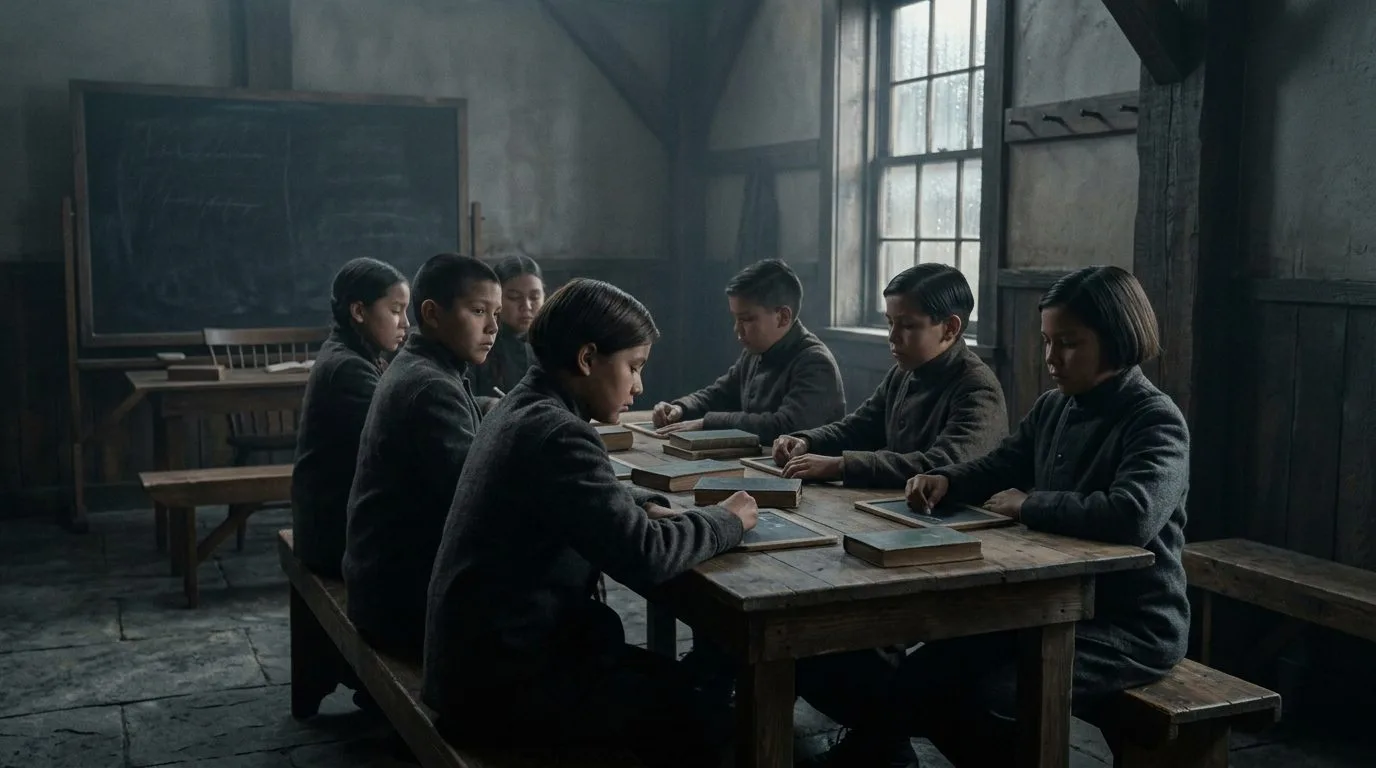
Osage Cosmology Nearly Died in Boarding Schools
Between 1879 and 1934, U.S. government boarding schools nearly extinguished Osage oral traditions by forbidding 3,257 Osage children from speaking their language under threat of physical punishment. The ‘Ni-Ka-Shi-U-Ga-The’ creation story required 7 consecutive nights of recitation totaling approximately 42 hours, containing detailed astronomical observations linking star positions to buffalo migration patterns across 13 distinct seasonal markers. Ethnographer Francis La Flesche recorded between 1914 and 1928 fragmented versions from elders who risked persecution, but many initiates had died in the 1918 influenza pandemic before sharing complete ceremonial knowledge. The oral traditions encoded sophisticated mathematics for calculating solstice positions, medicinal uses for 170 prairie plants, and diplomatic protocols that had maintained peace among 16 tribal nations—knowledge systems that took millennia to develop and nearly disappeared within two generations of forced assimilation.
Source: smithsonianmag.com
Did You Know?
Did you know that when the Hurrian musical scale died around 1200 BCE, humanity lost not just songs but potentially the foundation of all Western music theory—and modern scholars can read the world’s oldest sheet music but cannot authentically play a single note? The Osage creation story requiring 42 hours of continuous recitation contained more astronomical data than many medieval European texts, yet it nearly vanished because children were beaten for speaking their own language in American schools in the early 20th century.