
When a French knight insulted peasant women in 1358, farmers responded by roasting him alive in front of his family. Medieval Europe’s feudal system promised order, but when taxes crushed commoners and famine struck, the pitchforks came out—and the revolts that followed changed history forever.
1. The Jacquerie: French Peasants Roasted Nobles Alive
In May 1358, near the village of Saint-Leu-d’Esserent, French peasants erupted in one of medieval history’s most violent uprisings. The Jacquerie—named after the nobles’ contemptuous term “Jacques Bonhomme” for common farmers—exploded after decades of war taxation and noble military failures during the Hundred Years’ War. Guillaume Cale, a prosperous peasant, emerged as the unlikely leader of approximately 20,000 armed commoners who targeted castellated manor houses across the Île-de-France region. The rebels didn’t simply kill their oppressors; they invented gruesome executions. At Meaux, insurgents captured the Knight of Clermont and allegedly forced him to watch as they gang-raped his wife and daughters before roasting him on a spit like game meat. Within two weeks, Charles II of Navarre crushed the rebellion at Mello on June 10, 1358, slaughtering over 7,000 peasants in a single afternoon. Cale was captured under false pretenses of negotiation, tortured, and beheaded. The savagery on both sides shocked medieval chroniclers like Jean Froissart, who documented atrocities that seemed to violate every code of chivalric warfare. The Jacquerie’s failure demonstrated that spontaneous rage without military organization couldn’t overcome armored knights, yet it planted seeds of class consciousness that would germinate for centuries. The revolt terrified European nobility so profoundly that “Jacquerie” became synonymous with peasant rebellion across the continent, influencing how rulers viewed and suppressed lower-class dissent for generations.
Source: britannica.com
2. English Peasants Beheaded an Archbishop in London
On June 14, 1381, enraged English peasants dragged Archbishop Simon of Sudbury from the Tower of London and hacked off his head with eight axe blows on Tower Hill. The Peasants’ Revolt began in Essex on May 30 when villagers refused to pay the third poll tax in four years—a flat levy of one shilling per person that devastated poor families while barely affecting the wealthy. Wat Tyler, a former soldier, and John Ball, a radical priest who preached “When Adam delved and Eve span, who was then the gentleman?”, led approximately 60,000 rebels who marched on London. The 14-year-old King Richard II met the rebels at Mile End on June 14, granting concessions including the abolition of serfdom, but a radical faction wasn’t satisfied. They stormed the Tower, murdered Sudbury (who was also Lord Chancellor), and paraded his severed head through the streets on a pike. The next day at Smithfield, during negotiations, Mayor William Walworth stabbed Tyler, who died from his wounds. Richard II, displaying remarkable composure for his age, rode forward and declared himself the rebels’ new leader, defusing immediate violence. Within weeks, the crown revoked all concessions, and brutal reprisals swept the countryside—at least 1,500 rebels were executed. Yet the revolt’s psychological impact was immense: it demonstrated that commoners could temporarily overthrow established order, and serfdom gradually declined in England afterward, though more from economic forces than royal promises. The uprising inspired labor movements for centuries and showed that even medieval peasants could articulate sophisticated political demands.
Source: britannica.com
3. Florence’s Wool Workers Seized Government for Three Years
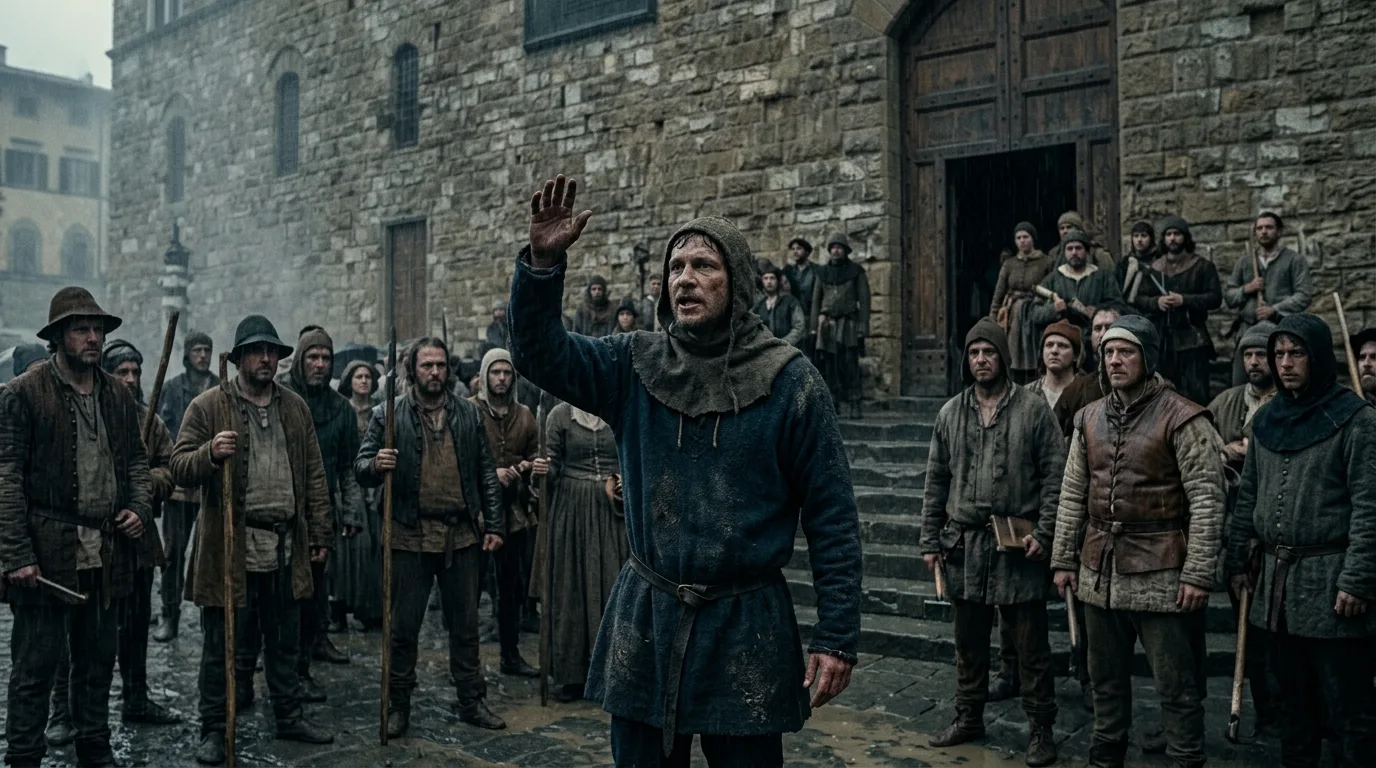
In July 1378, the Ciompi—Florence’s lowest class of wool workers who weren’t even allowed to form guilds—seized control of the Palazzo della Signoria and established history’s first worker-controlled government in a major European city. The revolt erupted on July 20 when approximately 8,000 wool carders, washers, and combers who earned barely enough to survive demanded political representation equal to the established guilds that monopolized Florentine politics. Michele di Lando, a wool carder, became Gonfaloniere of Justice (effectively mayor) and implemented radical reforms including debt forgiveness, guild membership for previously excluded workers, and bans on judicial torture for debt. The ciompi created three new guilds representing dyers, doublet makers, and unskilled workers—a revolutionary expansion of political participation that terrified wealthy merchants across Italy. For three astonishing years, common laborers influenced policy in one of Europe’s richest republics, though internal divisions soon fractured their coalition. By January 1382, the merchant oligarchy had regrouped, banned the new guilds, and executed or exiled ciompi leaders. Michele di Lando, ironically, helped suppress his former comrades to preserve some gains. The revolt demonstrated that urban workers could articulate sophisticated political theories and govern effectively, not just rage mindlessly as nobles assumed. Florence’s experience influenced political thought about class and representation, contributing to Renaissance debates about citizenship and republicanism that would eventually shape modern democracy. The word “ciompi” itself became shorthand for working-class political consciousness throughout Italy.
Source: britannica.com
4. Flemish Peasants Defeated French Knights in Open Battle
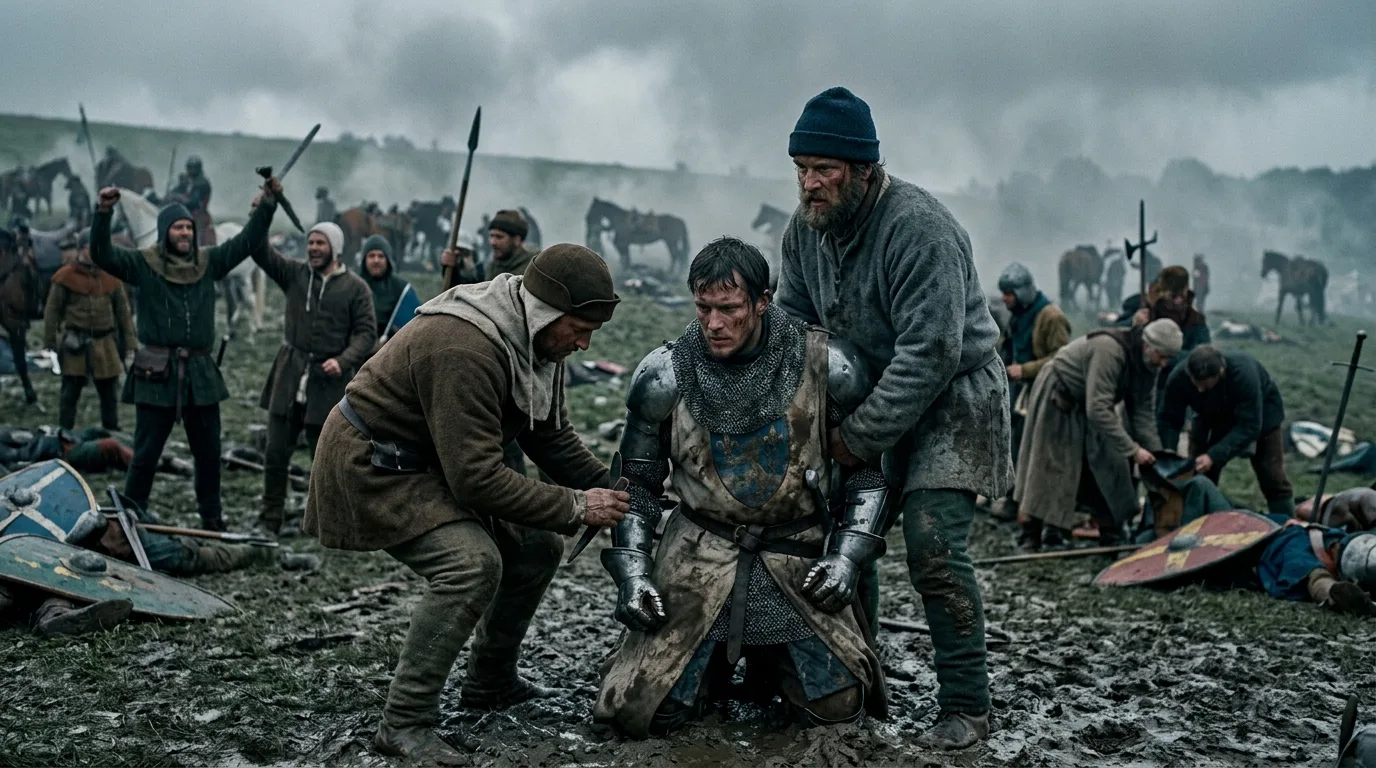
On August 23, 1328, at Cassel in Flanders, Flemish peasant rebels achieved what military experts deemed impossible: they forced King Philip VI of France himself to take the field against commoners. The Flemish revolt began on November 27, 1323, in maritime Flanders when peasants refused crushing taxation imposed by Count Louis I of Flanders, who needed funds for his own extravagant lifestyle and French political ambitions. Led by Nicolaas Zannekin, a prosperous farmer, approximately 15,000 rebels controlled the countryside for five years, administering their own justice and collecting taxes. They won stunning victories against noble forces, including the Battle of Zichem in 1325 where peasant infantry formations demolished mounted knights using pike tactics learned from watching Flemish urban militias. The rebels established a parallel government across western Flanders, proving peasants could do more than riot—they could administer territory. Their success terrified the French crown enough that Philip VI personally led 20,000 men-at-arms northward. At Cassel, despite fierce resistance, French heavy cavalry finally broke the peasant formations after hours of combat; between 13,000 and 20,000 rebels died in the slaughter that followed. Zannekin’s body was reportedly hung on a gibbet as warning. Yet the revolt demonstrated that disciplined peasant infantry with proper weapons could threaten armored nobility, foreshadowing the military revolutions that would eventually end knighthood’s battlefield supremacy. The Flemish experience directly influenced tactics used in later peasant wars across the Low Countries.
Source: britannica.com
5. German Peasants Created a Revolutionary Constitution Before Massacre
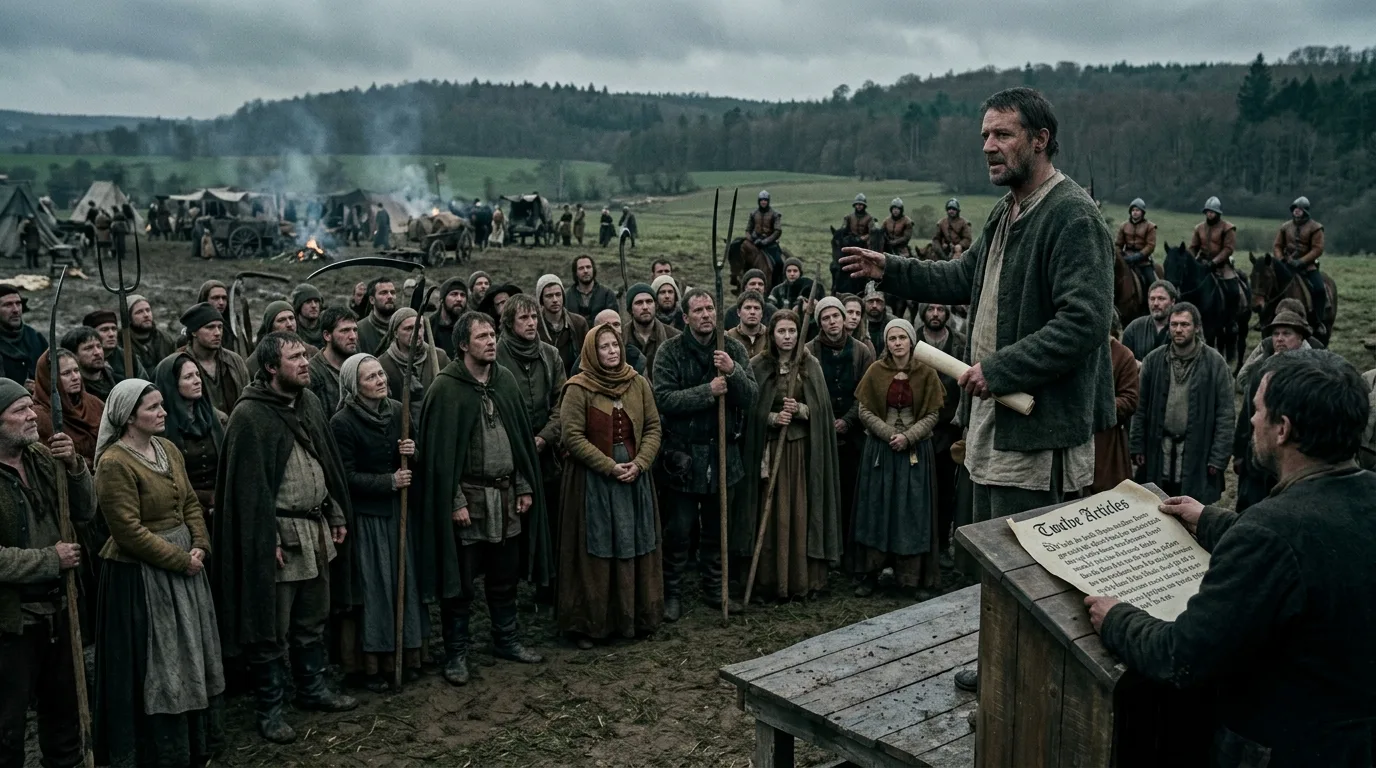
In spring of 1525, German peasants published the Twelve Articles of the Upper Swabian Peasants—history’s first printed list of human rights demands—before being slaughtered by the tens of thousands. The German Peasants’ War exploded across the Holy Roman Empire when approximately 300,000 farmers, inspired by Martin Luther’s reformation theology emphasizing individual conscience, demanded release from serfdom, fair rents, and the right to elect their own pastors. Thomas Müntzer, a radical theologian, preached that God’s kingdom should exist on earth through economic equality, transforming religious reformation into social revolution. The Twelve Articles, printed and distributed widely thanks to Gutenberg’s recent invention, articulated sophisticated political theory: peasants deserved dignity, game laws oppressed the poor unjustly, and death taxes that seized widows’ property violated divine law. By April 1525, rebels controlled substantial territories in Thuringia, Swabia, and Franconia, sacking over 50 monasteries and castles. At Frankenhausen on May 15, 1525, professional soldiers under Philip I of Hesse annihilated Müntzer’s forces—approximately 6,000 peasants died versus six nobles. Müntzer was captured, tortured until he recanted, then beheaded. The reprisals were genocidal in scale: conservative estimates suggest 100,000 peasants died in the war and subsequent executions, with entire villages depopulated. Luther, horrified by the violence, published “Against the Murderous, Thieving Hordes of Peasants,” urging nobles to kill rebels “like mad dogs.” Yet the Twelve Articles influenced constitutional thought for centuries, and the war’s scale demonstrated that religious reformation inevitably challenged political structures—a lesson Europe would relearn bloodily in subsequent centuries.
Source: britannica.com
6. Catalan Serfs Fought for Two Decades to End Feudalism
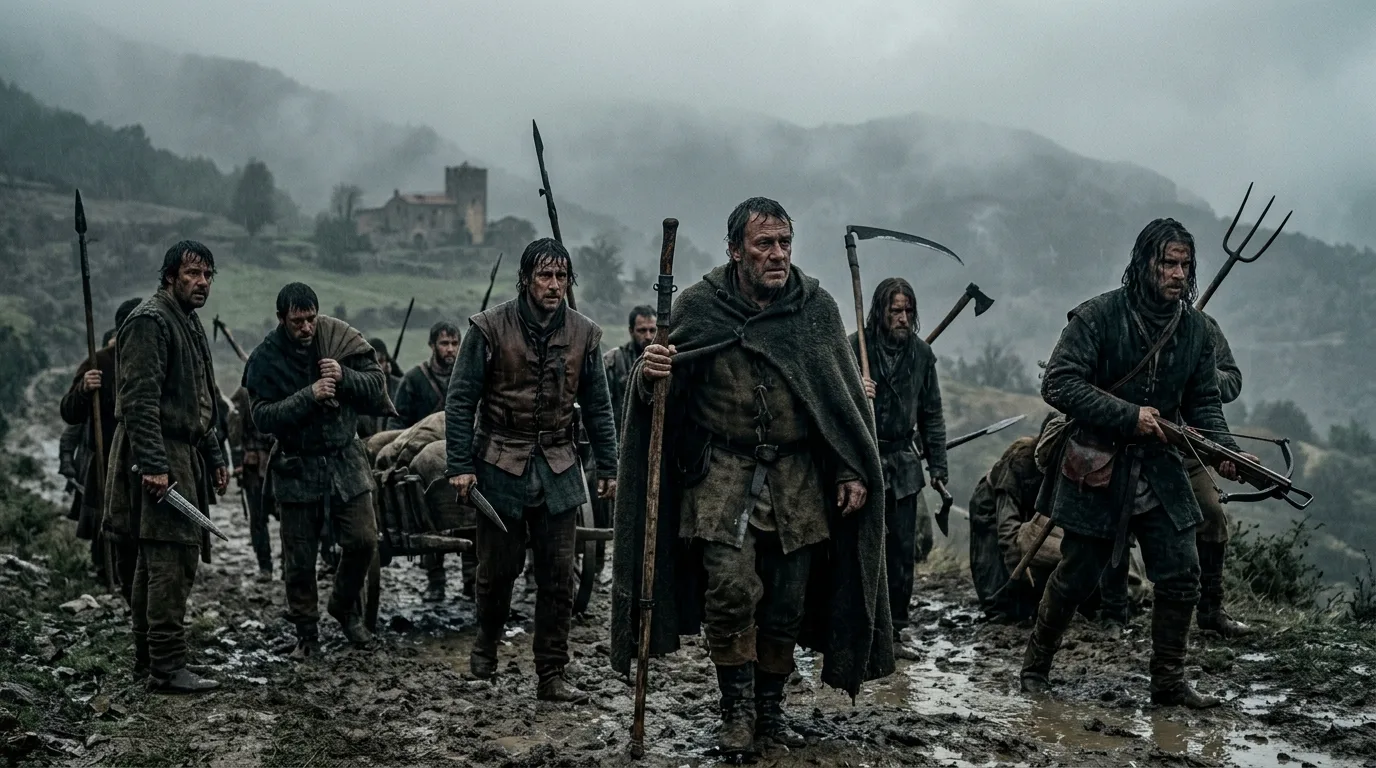
The Remença peasants of Catalonia waged guerrilla warfare for 24 years—from 1462 to 1486—making it medieval Europe’s longest sustained peasant revolt. The name “remença” derived from the redemption payment serfs owed to leave their land, one of the six “evil customs” (mals usos) that bound Catalan peasants more severely than elsewhere in Spain. These included the right of lords to sleep with brides on their wedding night (cugucia), seize property when peasants died without male heirs (intestia), and claim one-third of estates when inheritance occurred (exorquia). Francesc de Verntallat emerged as military leader of approximately 20,000 armed remences who allied strategically with King John II of Aragon against rebellious nobility during the Catalan Civil War. The peasants weren’t seeking revolution but specific legal reforms, and they fought with surprising military sophistication, holding fortified positions in the Pyrenean foothills for years. Ferdinand II of Aragon, after ascending the throne, finally issued the Guadalupe Sentence on April 21, 1486, abolishing the evil customs in exchange for modest payments—a genuine victory that made Catalan peasants among Europe’s freest. The settlement cost serfs 60,000 florins collectively but freed approximately 25,000 families from hereditary bondage. Unlike most peasant revolts that ended in massacre and restoration of old orders, the Remença achieved lasting legal change through sustained resistance combined with strategic alliance-building. Their success demonstrated that peasant movements with clear demands, capable leadership, and political sophistication could actually win, not just rage against the inevitable—a lesson largely forgotten amid the spectacular failures of other revolts.
Source: britannica.com
7. Hungarian Rebels Impaled Their Noble General on an Iron Throne
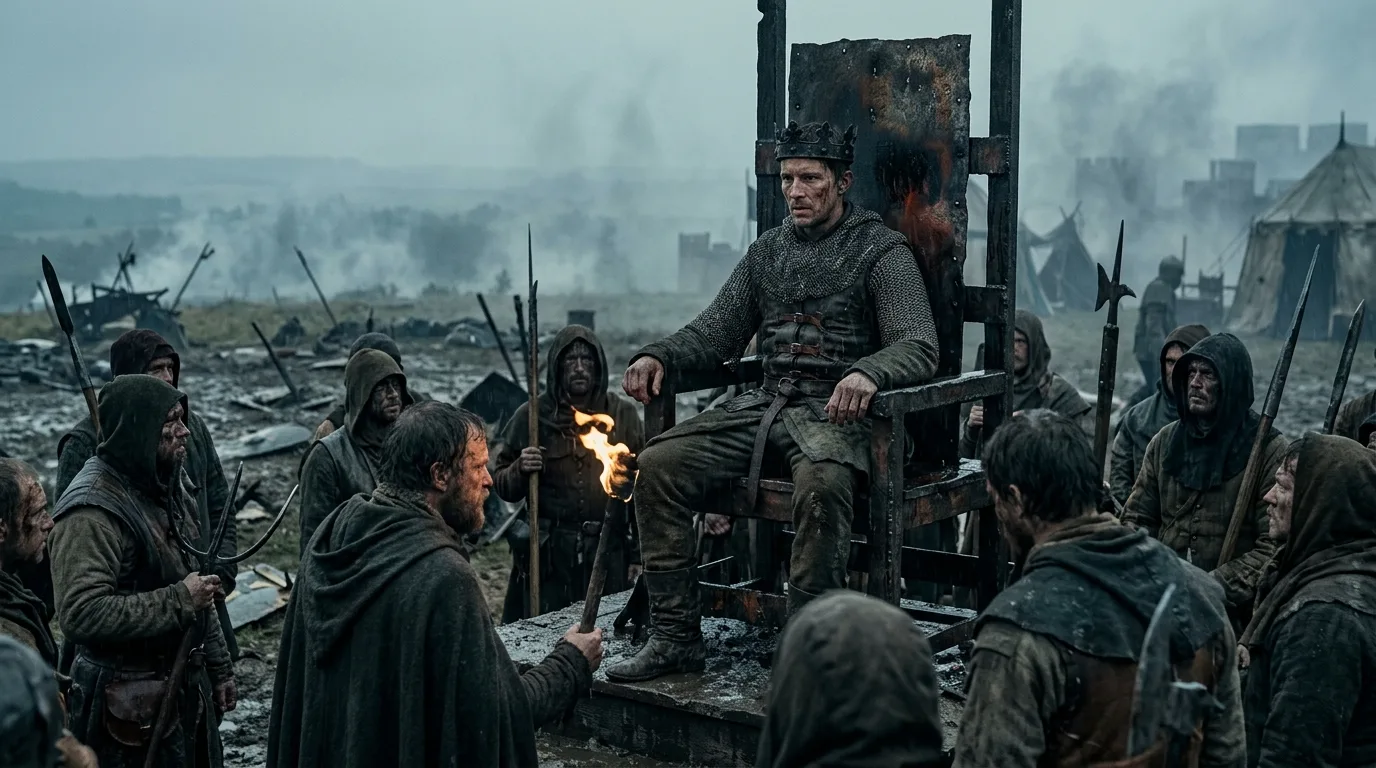
In July 1514, Hungarian peasant rebels captured their own commander—nobleman György Dózsa—after he’d led them in revolution, placed him on a throne of red-hot iron, forced a heated iron crown onto his head, and made his starving followers eat his roasted flesh. Dózsa’s Rebellion began on May 16, 1514, as a crusade against Ottoman Turks, but when harvest time approached and nobles refused to release peasant crusaders, approximately 40,000 armed commoners turned their weapons on Hungarian aristocracy instead. Dózsa, originally a Transylvanian noble and experienced military commander, led rebels to shocking victories, capturing the city of Csanád and slaughtering its garrison of 700 nobles. The rebels implemented brutal class revenge: they impaled nobles on stakes, forced them to joust while naked, and in one instance made a lord eat his own cooked son. By late June, the movement controlled much of the Great Hungarian Plain. At Temesvár on July 15, 1514, professional forces under John Zápolya crushed the main rebel army—over 10,000 peasants died in battle. Dózsa’s torture-execution was designed as theatrical terror: contemporary accounts describe how his lieutenants were forced to bite his burning flesh while he still lived, with those who refused being killed immediately. An estimated 70,000 peasants died in subsequent reprisals. The Hungarian Diet responded by passing the Tripartitum law code in 1514, which enshrined “perpetual servitude” for peasants—making Hungarian serfs among Europe’s most oppressed until the 19th century. The rebellion’s failure directly weakened Hungary enough that Ottoman forces conquered much of the kingdom at Mohács in 1526, just twelve years later.
Source: britannica.com
8. Transylvanian Peasants Formed Europe’s First Worker-Nobility Alliance
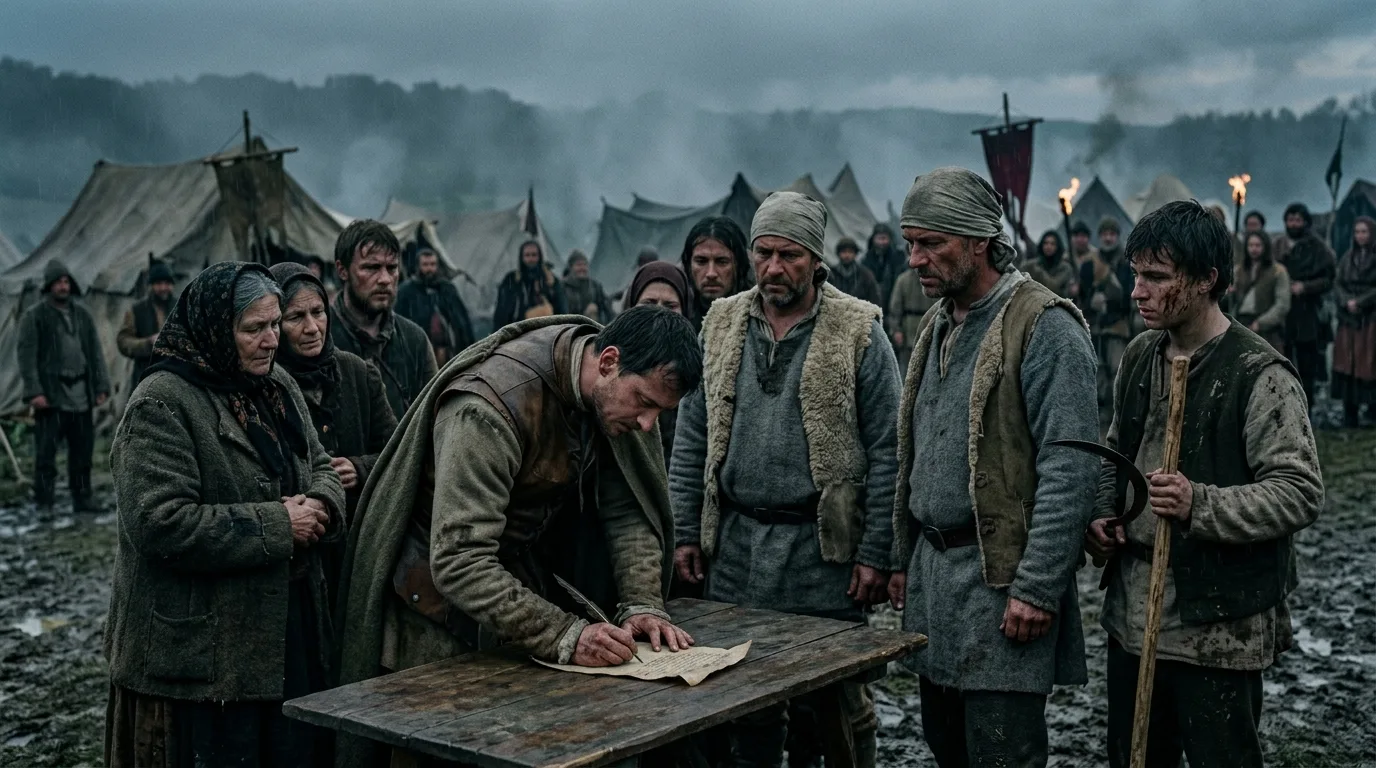
The Bobâlna Revolt of 1437-1438 achieved something unprecedented in medieval Europe: a formal written alliance between peasants and minor nobility against magnates and clergy. In June 1437, Transylvanian peasants and lesser nobles gathered at Bobâlna to protest the Catholic bishop’s demand for overdue tithes during a period of Ottoman raiding and economic crisis. Approximately 12,000 rebels—including poor nobles (jobbagy), Romanian and Hungarian peasants, and even some Saxon townsmen—created the Fraternitas (Brotherhood), swearing mutual loyalty regardless of ethnicity or religion. They drafted demands in Latin and Hungarian, showing sophisticated understanding of feudal law: abolition of extraordinary taxes, freedom to elect priests, and recognition of Orthodox Christianity equal to Catholicism. The movement’s leader, Antal Budai Nagy, was a wealthy peasant who could read and write, demonstrating the revolt’s organization. The alliance briefly controlled much of southern Transylvania, administering justice through elected councils. However, the three privileged “nations” of Transylvania—Hungarian nobles, Saxons, and Székely—formed the Union of Three Nations in September 1437 specifically to crush the revolt. At the Battle of Apahida in January 1438, professional forces defeated the rebels; Budai Nagy was captured and executed, his body quartered and displayed in four cities as warning. The revolt failed militarily but succeeded conceptually: it proved that inter-ethnic class solidarity could overcome traditional divisions. Romanian nationalist historians later claimed it as proto-democratic movement, while Hungarian scholars emphasize its anti-feudal character—both interpretations reflecting how the Bobâlna Revolt transcended simple peasant rage to articulate genuine political alternatives.
Source: britannica.com
9. The Pope Declared Crusade Against German Farmers
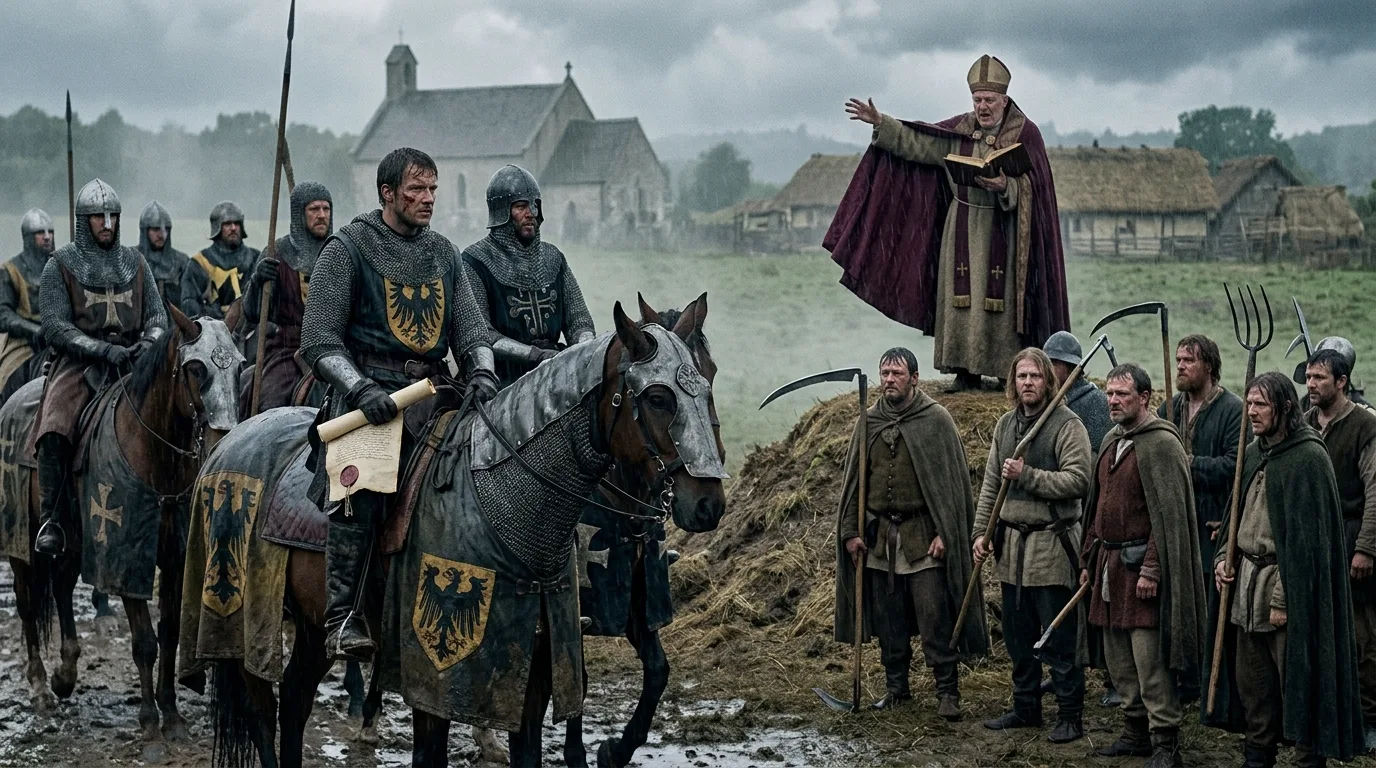
In the early 13th century, Pope Gregory IX authorized a crusade—complete with plenary indulgences normally reserved for fighting Muslims—against the Stedinger, free Frisian peasants who refused to pay tithes to the Archbishop of Bremen. The Stedinger were independent farmers who had reclaimed marshland along the Weser River through backbreaking drainage work, creating prosperous farms on land they considered their own through labor rather than feudal grant. When Archbishop Gerhard II demanded tithes and feudal submission around 1230, approximately 11,000 Stedinger refused, arguing that land they’d made habitable through their own sweat belonged to them, not absentee clergy. The Archbishop responded by excommunicating the entire region and declaring them heretics who practiced witchcraft, worshipped devils, and rejected Christian sacraments—charges almost certainly fabricated to justify military action. Gregory IX’s crusade bull of 1233 promised the same spiritual rewards for killing Stedinger as for liberating Jerusalem, attracting knights from across northern Germany. On May 27, 1234, at Altenesch, crusader forces under Count Henry of Oldenburg annihilated the Stedinger—between 4,000 and 6,000 farmers died, including women and children who’d taken refuge in their fortified churches. The survivors were forcibly subjugated to Bremen’s authority, and their lands redistributed to loyal vassals. The Stedinger Crusade demonstrated the Church’s willingness to weaponize heresy accusations against economic resistance, setting precedent for later suppressions of peasant movements under religious pretexts. It also revealed the fragility of peasant freedom even when backed by legal arguments: without noble allies or military training, free farmers couldn’t withstand professional crusading forces, no matter how just their cause.
Source: britannica.com
10. Danish Peasants Murdered Their King and Abolished Monarchy
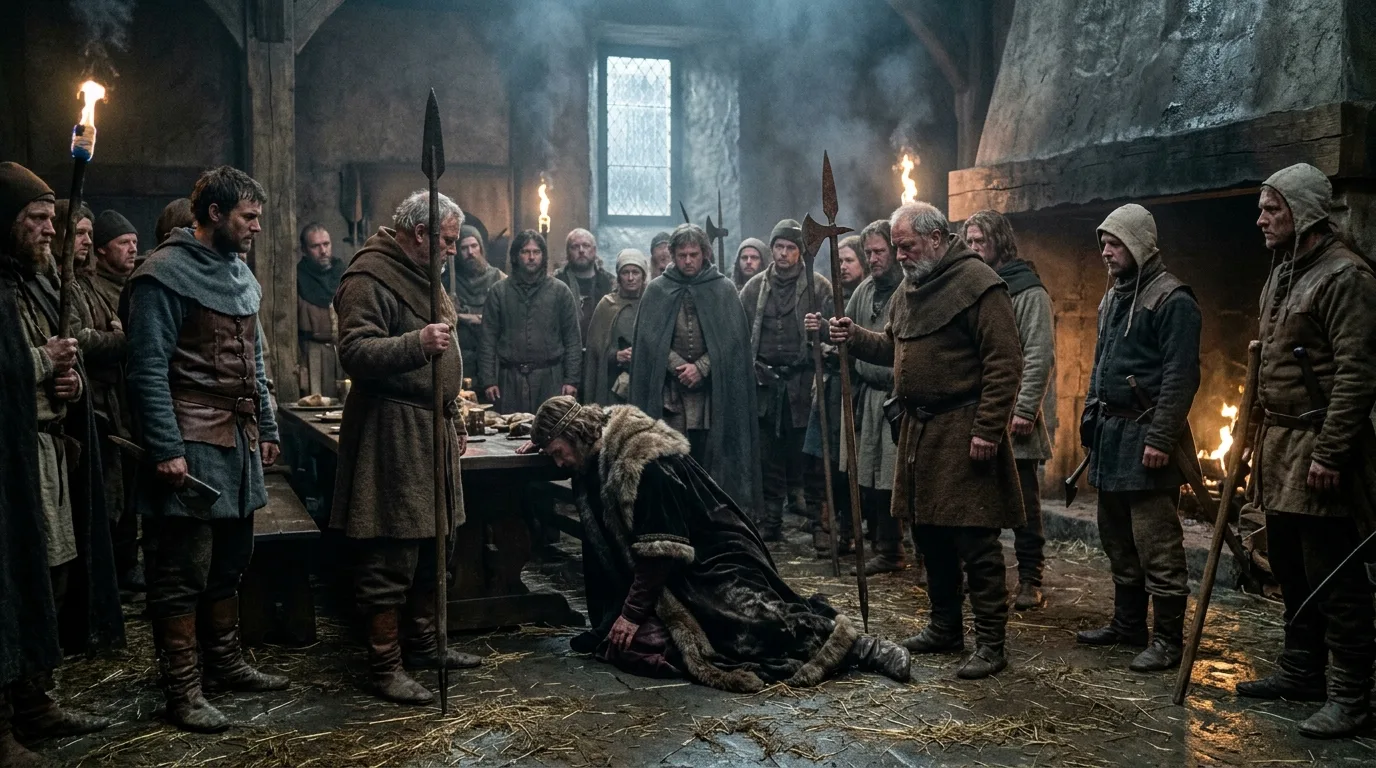
In the mid-14th century, Danish peasants and townsmen committed medieval Europe’s most audacious political act: they murdered their king, Christopher II, and refused to elect a replacement for eight years, creating a brief experiment in non-monarchical governance. The uprising stemmed from Christopher’s disastrous rule, which saw him pawn virtually all royal estates to German nobles and Holstein counts to pay mercenary debts from his wars against the nobility. By the 1330s, approximately 90 percent of Danish crown lands were mortgaged to foreigners, and Christopher had become essentially a king without a kingdom. When he attempted to impose new taxes to redeem his pawned territories, peasants in Zealand and Jutland rose in coordinated revolt during the 1340s. Christopher died suddenly in 1332 (some sources suggest poisoning), and rather than crowning his son Valdemar immediately, the Danish Council and peasant assemblies implemented what historians call the “interregnum”—eight years without a monarch during which local assemblies governed. Approximately 30,000 armed peasants maintained the power vacuum, preventing both Christopher’s heir and foreign claimants from seizing control. They administered rough justice through thing assemblies, traditional Nordic governing councils that predated feudalism. The experiment demonstrated that medieval society could function without kings, though regional strongmen and German counts increasingly filled the power vacuum. By the mid-14th century, however, disorder had become intolerable enough that Valdemar IV was finally crowned, though with substantially reduced royal powers and formal guarantees of peasant rights. The Danish uprising proved medieval people could imagine alternatives to monarchy—a radical achievement that influenced Scandinavian political culture toward constitutionalism and limited kingship in ways that shaped the region’s democratic traditions centuries later.
Source: britannica.com
Did You Know?
Did you know the German Peasants’ War produced history’s first printed human rights document—yet Martin Luther himself urged nobles to slaughter the rebels “like mad dogs”? These ten uprisings weren’t mindless violence but sophisticated political movements with constitutions, alliances, and genuine victories that nobles worked desperately to erase from history. The next time you hear about workers’ rights, remember: peasants were demanding fair wages, elected leadership, and dignity 700 years before modern labor movements—they just paid for it with their lives.