
Ancient Egyptians believed speaking a name gave the dead eternal life. When pharaohs fell from favor, successors erased every cartouche, defaced every statue, and scratched their names from temple walls. These ten rulers suffered damnatio memoriae—official forgetting—yet archaeology dragged them back into the light.
1. Hatshepsut – The Female King Erased by Her Stepson
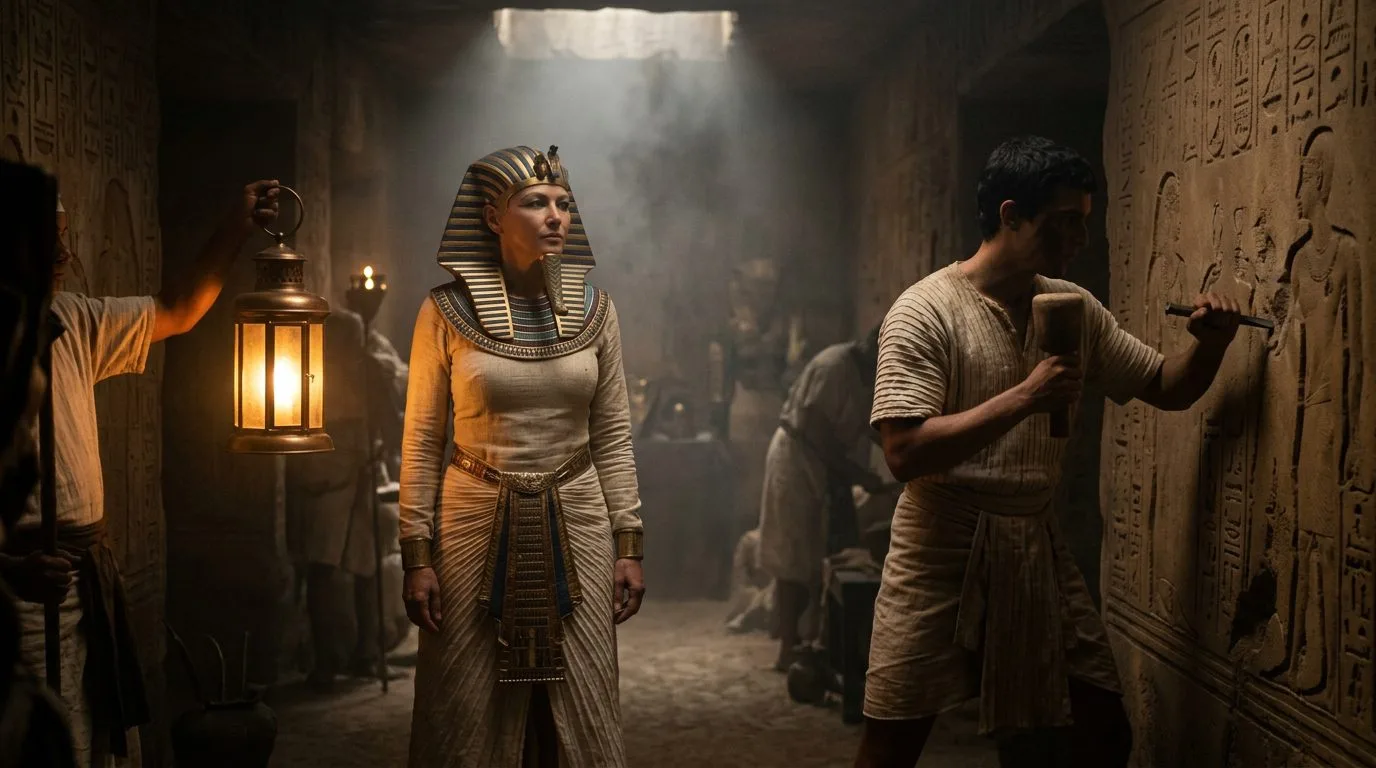
Hatshepsut – The Female King Erased by Her Stepson
Hatshepsut ruled Egypt for 22 years starting in 1479 BCE, declaring herself pharaoh and wearing the ceremonial false beard. After her death, her stepson Thutmose III systematically erased her name from monuments across Egypt, chiseling out her cartouches and replacing them with his own or those of his grandfather Thutmose I. Her magnificent mortuary temple at Deir el-Bahari had its statues smashed and buried in pits, where archaeologists discovered over 200 fragments in the early 20th century. Scholars debate whether this was personal revenge or political necessity to legitimize the male succession line.
Source: britannica.com
2. Akhenaten – The Heretic King Who Abandoned the Gods
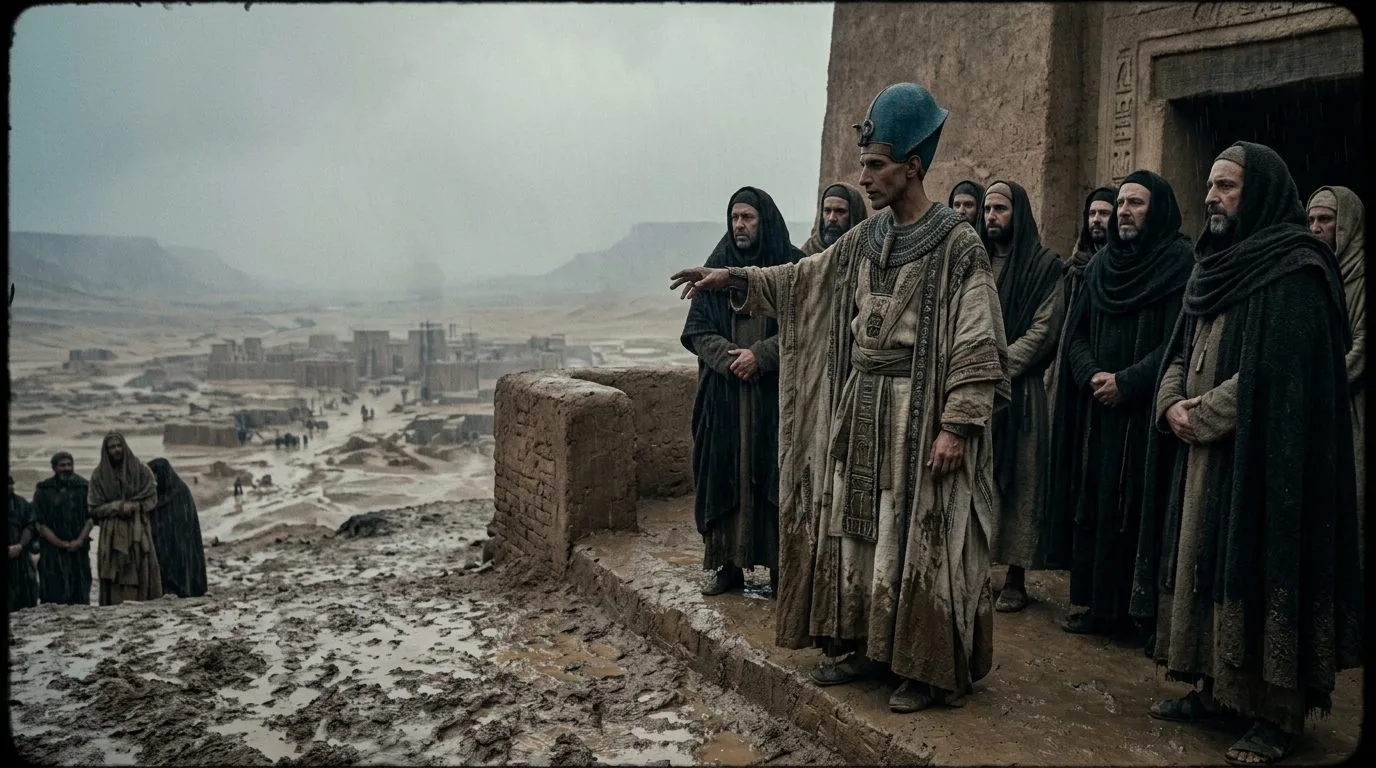
Akhenaten – The Heretic King Who Abandoned
Akhenaten abandoned Egypt’s traditional pantheon in 1353 BCE to worship only Aten, the sun disk, moving his capital to a virgin site called Akhetaten. Within 3 years of his death, his son Tutankhamun reversed the religious revolution and returned to Thebes. Akhenaten’s successor Horemheb erased his name from king lists entirely, attributing Akhenaten’s 17-year reign directly to Amenhotep III. His city was systematically dismantled, with temple blocks recycled as fill material in later construction. Akhenaten became the Forgotten Pharaoh until excavations at Amarna in the late 19th century revealed his radical experiment.
Source: britannica.com
3. Neferneferuaten – The Phantom Ruler After Akhenaten
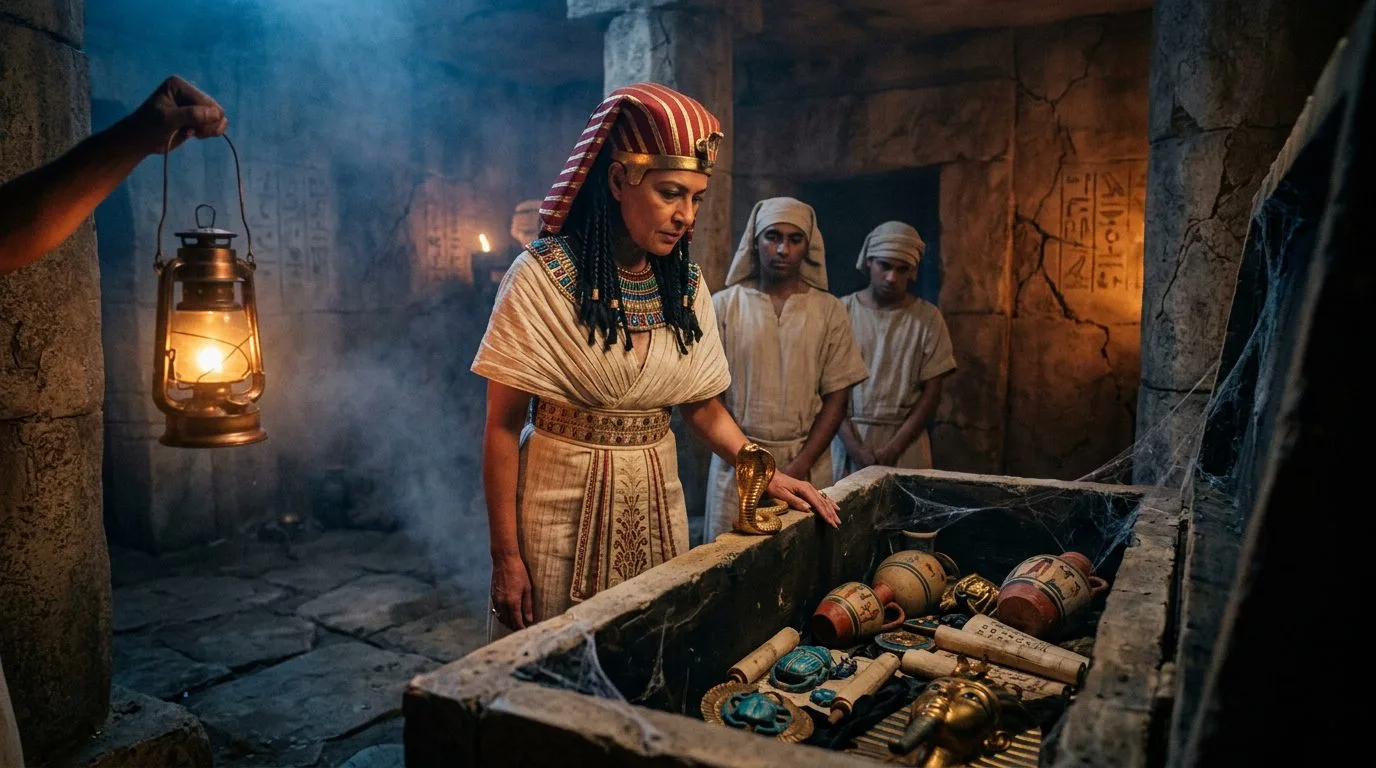
Neferneferuaten
Neferneferuaten ruled for approximately 2 years between 1334 and 1332 BCE during Egypt’s chaotic transition from Akhenaten’s heresy back to traditional religion. This mysterious pharaoh—possibly Nefertiti herself or a daughter—left only fragmentary inscriptions before being completely excised from official records. The name appears in just 4 known cartouches, all deliberately damaged. Egyptologists discovered evidence of this ruler in the mid-20th century when scholar John Harris identified the scattered references. Whether male or female remains disputed, as the erasure was so thorough that even the ruler’s gender became uncertain.
Source: britannica.com
4. Smenkhkare – The Three-Year King Lost to History
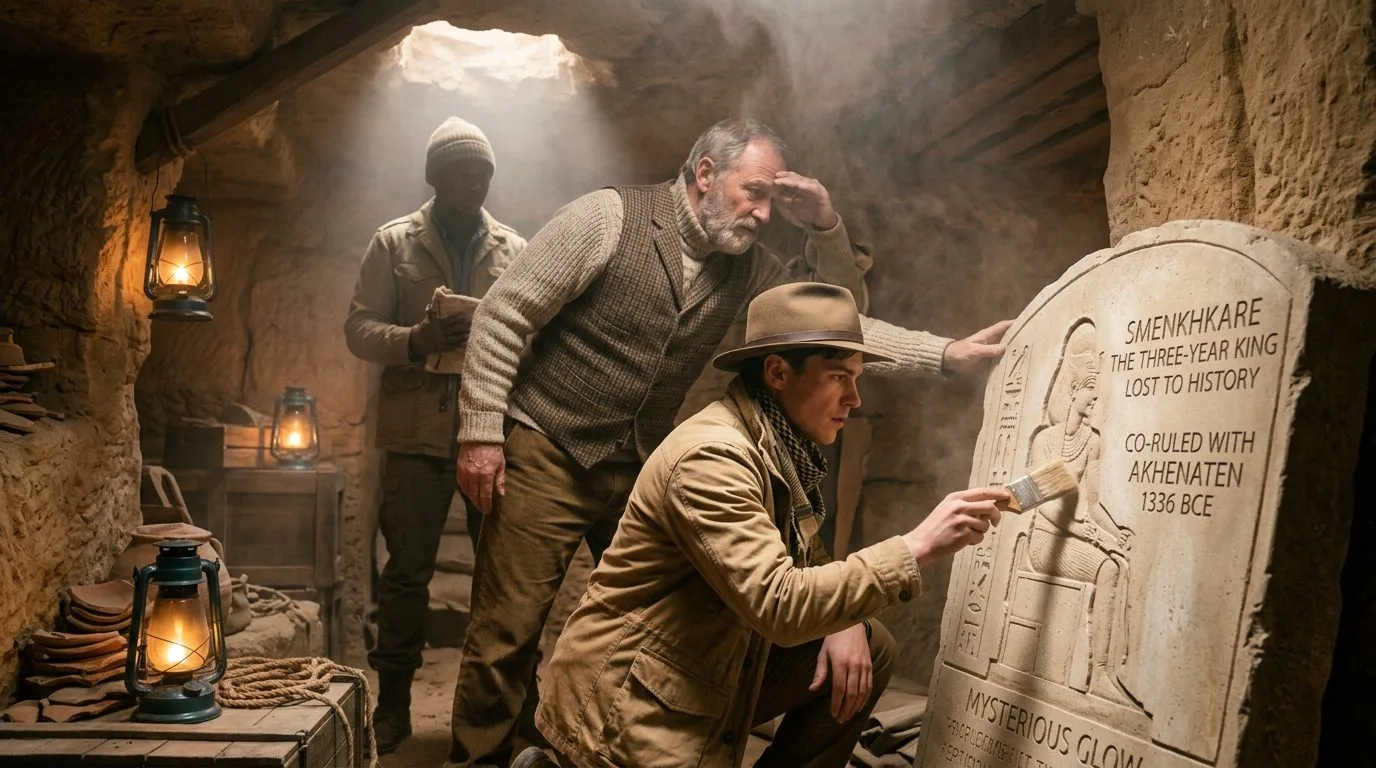
Smenkhkare – The Three-Year King Lost to History
Smenkhkare co-ruled with Akhenaten for roughly 3 years starting around 1336 BCE before vanishing from all subsequent records. His relationship to Akhenaten remains unclear—possibly a younger brother, son, or even Nefertiti adopting a male throne name. Only one wine jar label and a graffito in a Theban tomb preserve his name. The Amarna succession was so thoroughly scrubbed that scholars didn’t identify Smenkhkare as a distinct ruler in the early 20th century. Some Egyptologists argue the name represents Nefertiti’s co-regency rather than a separate male pharaoh, making this one of ancient Egypt’s most confounding mysteries.
Source: britannica.com
5. Ay – The Vizier Whose Tomb Was Stolen
Ay – The Vizier Whose Tomb Was Stolen
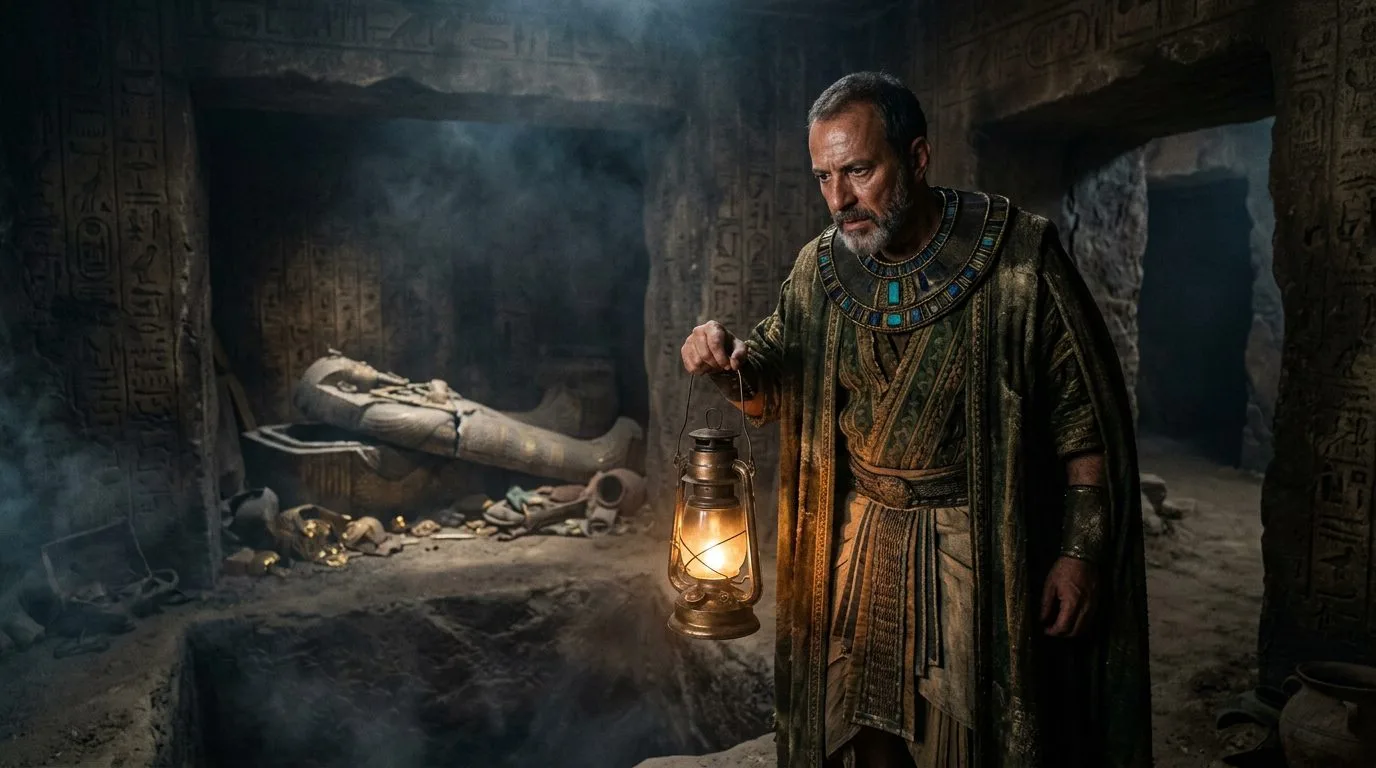
Ay served as vizier before ascending to pharaoh in 1323 BCE at approximately 60 years old, ruling just 4 years after Tutankhamun’s death. His successor Horemheb usurped Ay’s tomb in the Western Valley, plastering over cartouches and installing his own burial equipment. Horemheb also appropriated Ay’s monuments throughout Egypt and excluded him from official king lists, attributing the reign directly to Tutankhamun. Ay’s name survived only because he had supervised Tutankhamun’s burial—his figure appears in that tomb’s wall paintings. The damnatio was so effective that his prenomen Kheperkheperure vanished almost completely from Egyptian records.
Source: britannica.com
6. Amenmesse – The Usurper Deleted From Chronology
Amenmesse – The Usurper Deleted From Chronology
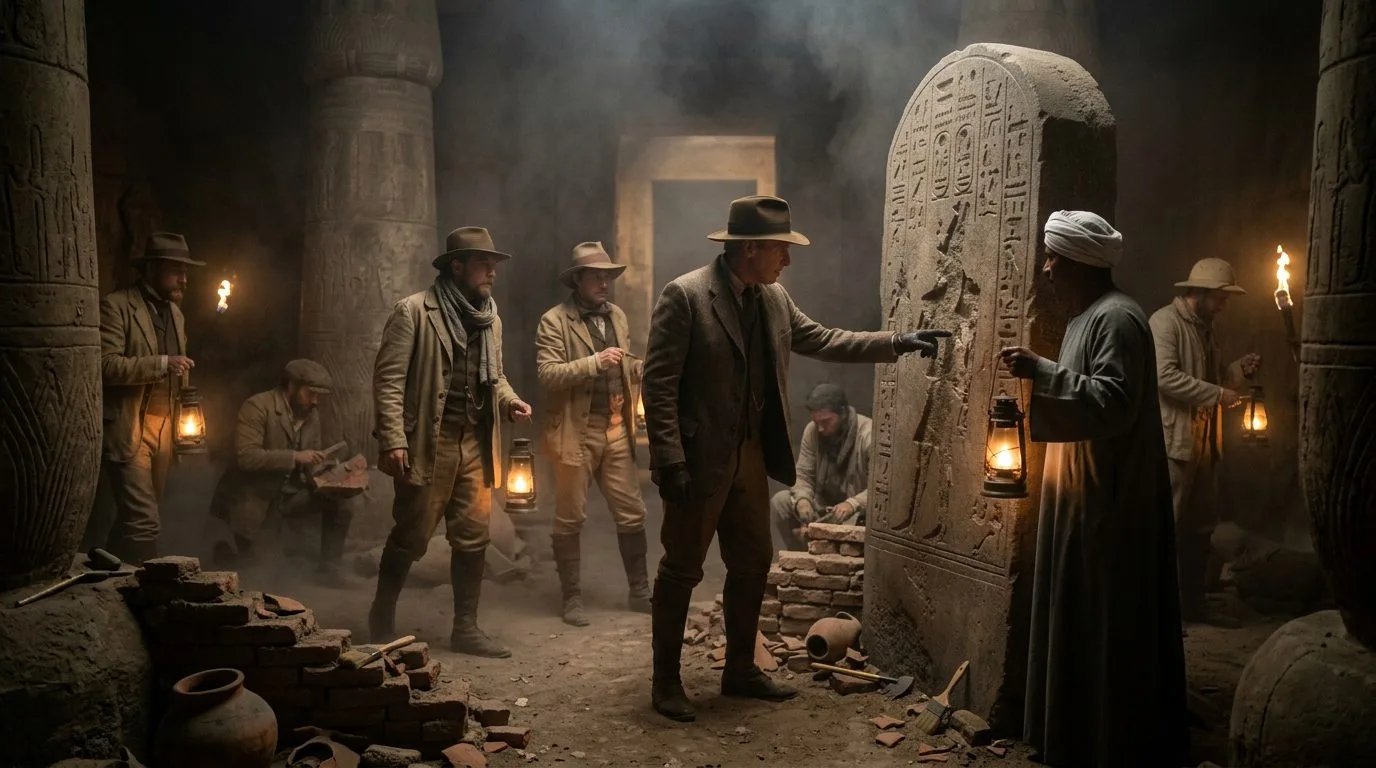
Amenmesse seized the throne around 1203 BCE during the 19th Dynasty, ruling for approximately 3 years while legitimate pharaoh Seti II controlled northern Egypt. After Seti II consolidated power, he systematically erased Amenmesse’s cartouches from temples at Karnak and assigned those regnal years to himself. Amenmesse’s tomb in the Valley of the Kings was vandalized, with his sarcophagus smashed and burial equipment destroyed. The erasure created a chronological puzzle that confused Egyptologists until the late 20th century when scholars reconstructed the civil war period. Not a single complete statue of Amenmesse survives, testament to the thoroughness of his obliteration.
Source: britannica.com
7. Tausret – Egypt’s Last Female Pharaoh Usurped
Tausret – Egypt’s Last Female Pharaoh Usurped
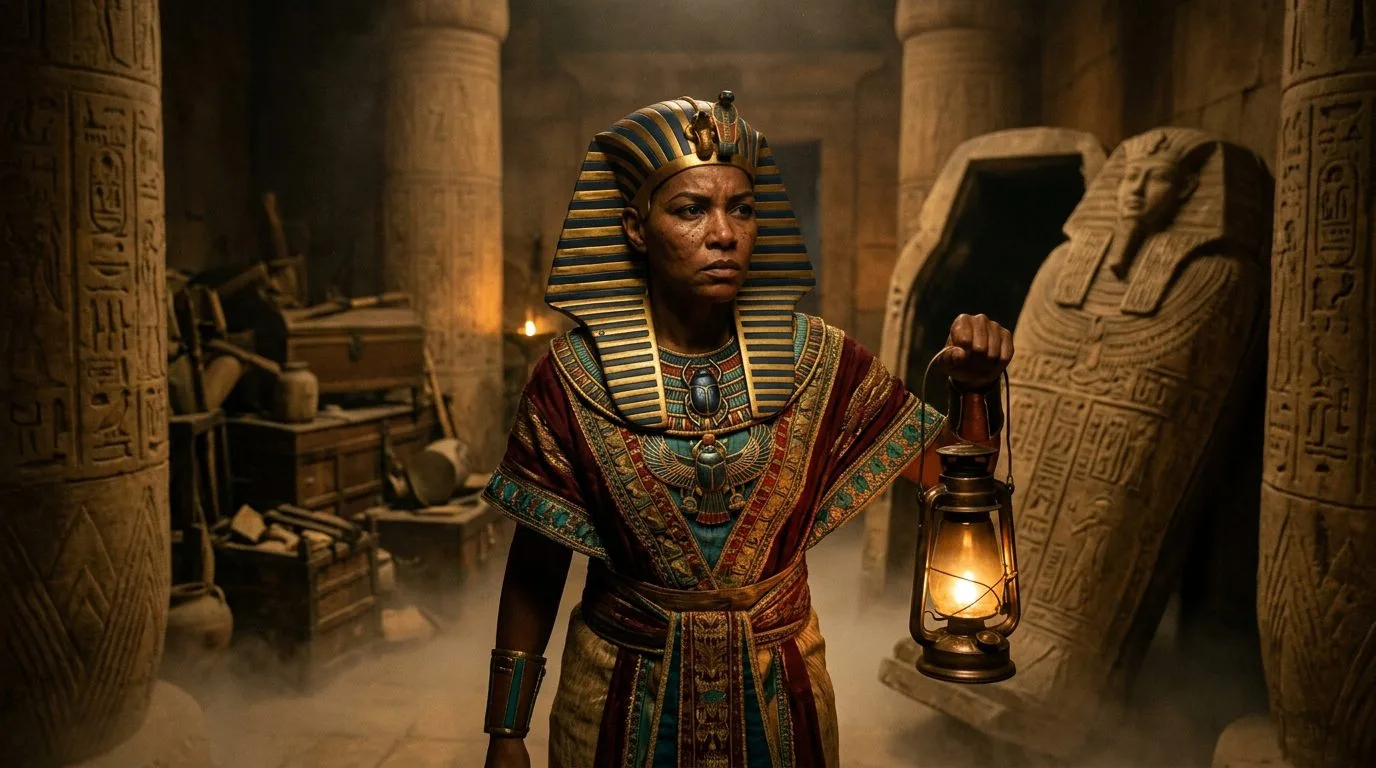
Tausret ruled as Egypt’s last female pharaoh from approximately 1191 to 1189 BCE, initially as regent before claiming full royal titles. After her death, Setnakhte of the 20th Dynasty usurped her mortuary temple at Thebes, plastering over her reliefs and replacing them with his own. Her tomb in the Valley of the Kings was expanded and reassigned to Setnakhte, with her burial equipment scattered. Later king lists omitted her entirely, jumping directly from Seti II to Setnakhte. Only 6 statues bearing her cartouches survived the purge, most with her names deliberately chiseled out.
Source: britannica.com
8. Setnakhte – The Founder Who Rewrote Recent History
Setnakhte – The Founder Who Rewrote Recent History
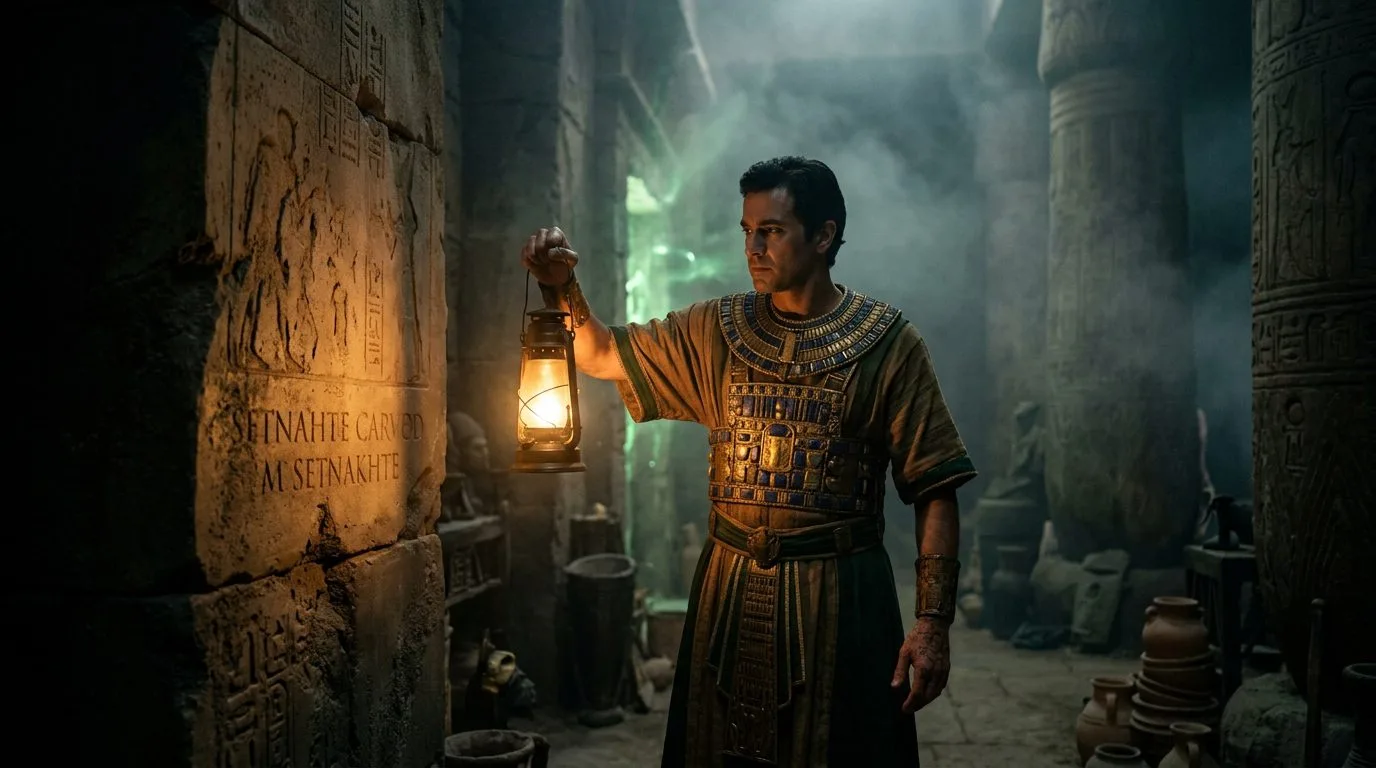
Setnakhte seized power around 1189 BCE, founding the 20th Dynasty by overthrowing the Syrian chancellor Bay who had controlled Egypt during the late 19th Dynasty. Setnakhte erased Bay’s name from every monument, replacing the title ‘Great Chancellor’ with blank space in inscriptions. He also deleted Bay from the historical record so thoroughly that scholars only rediscovered this powerful official in the late 19th century through fragmentary tomb evidence. Setnakhte’s Elephantine Stela claims he ‘expelled the Asiatic’ and ‘cleansed the great throne of Egypt,’ coded language for purging Bay’s 5-year shadow rule.
Source: britannica.com
9. Peribsen – The Second Dynasty King Who Chose Seth
Peribsen – The Second Dynasty King Who Chose Seth
Peribsen ruled around 2700 BCE during Egypt’s Second Dynasty, making the unprecedented decision to replace the Horus falcon atop his serekh with the Seth animal, representing chaos instead of order. After his death, subsequent pharaohs defaced his monuments and removed his name from king lists kept at Abydos. His serekh appears on only 3 surviving artifacts with the Seth symbol intact. The religious controversy he triggered was so severe that later dynasties treated his reign as illegitimate. Modern archaeologists discovered his tomb at Abydos in the early 20th century, revealing that someone had entered and deliberately destroyed his burial equipment in antiquity.
Source: britannica.com
10. Khaba – The Layer Pyramid King Lost to Time
Khaba – The Layer Pyramid King Lost to Time
Khaba ruled during Egypt’s Third Dynasty around 2670 BCE, constructing the Layer Pyramid at Zawyet el-Aryan that stands 20 meters tall today. His name appears on exactly 1 stone vessel and nowhere else—not in the Abydos King List, not in the Turin Canon, not in any temple inscription. The pyramid remained unfinished and his burial chamber empty, suggesting a sudden fall from power. Archaeologists attribute the pyramid to Khaba only through indirect evidence discovered in the early 20th century. Whether he was overthrown, died unexpectedly, or suffered official erasure remains unknown, making him one of Egypt’s most enigmatic vanished rulers.
Source: britannica.com
Did You Know?
Did You Know? The ancient Egyptians believed erasing a name destroyed a person’s soul in the afterlife, yet this very act of erasure preserved these pharaohs in a way they never anticipated. The harder successors worked to obliterate their predecessors, the more archaeologists became obsessed with finding them—turning damnatio memoriae into a perverse form of immortality that outlasted the empires that tried to enforce forgetting.