
When Ramesses and Cleopatra dominate history books, it’s easy to forget Egypt had over 170 documented pharaohs. Some of the most remarkable ruled for ninety-four years, built the first pyramid, or reunited a fractured kingdom after centuries of chaos.
1. Pepi II Neferkare Ruled for 94 Years—Longer Than Any Monarch in History

Ancient Egypt’s longest-reigning pharaoh Pepi II
Pepi II ascended Egypt’s throne at age six in 2278 BCE and ruled until approximately 2184 BCE—a staggering 94-year reign that remains unmatched in recorded history. His copper statue, discovered at Hierakonpolis, shows him as a young boy, captured in a moment frozen for millennia. By the time of his death, Pepi II had outlived multiple generations of officials, creating administrative chaos as younger courtiers had no memory of Egypt under any other ruler. His unprecedented longevity ironically contributed to the Old Kingdom’s collapse, as the elderly pharaoh could no longer maintain central authority over increasingly independent provincial governors.
Source: britannica.com
2. Thutmose II Bridged Two Powerful Reigns Yet Left Almost No Monuments
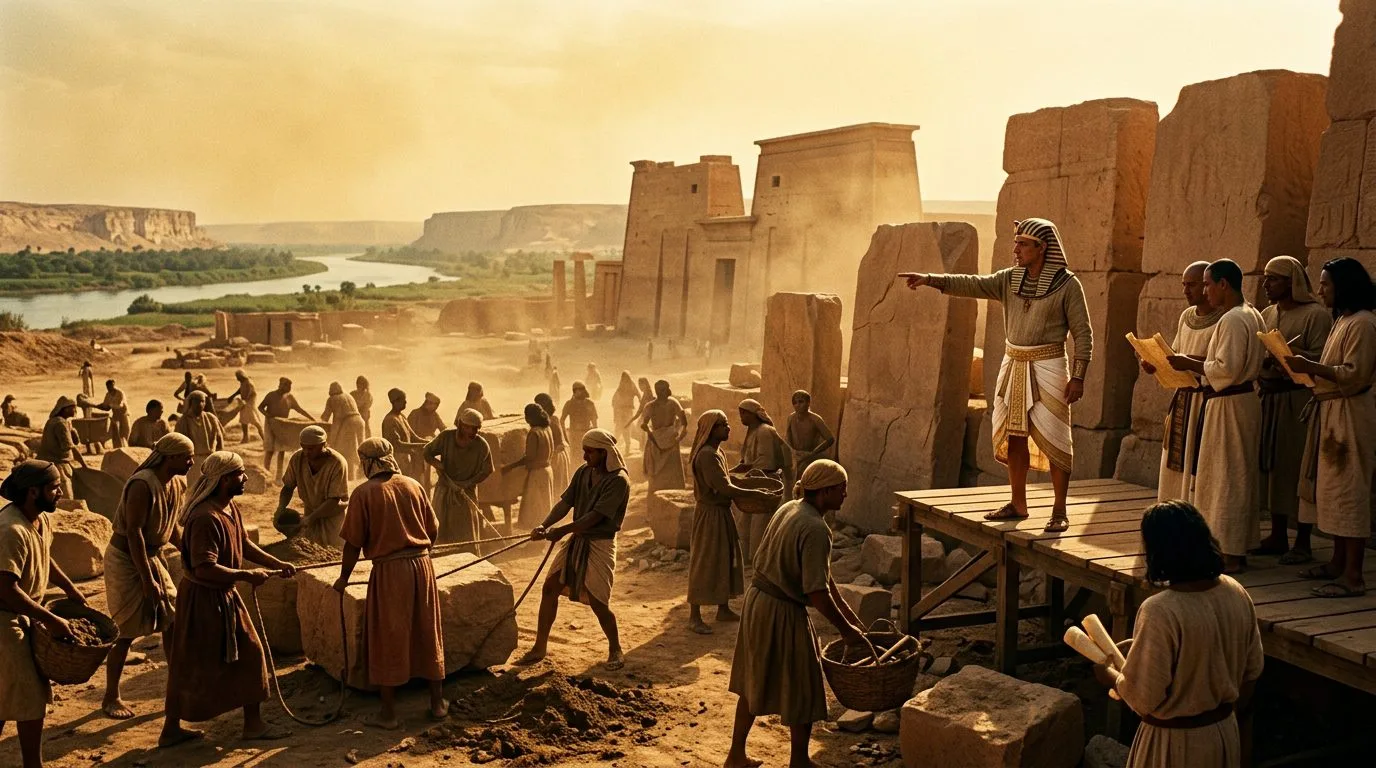
Thutmose II: Egypt’s overlooked pharaoh between
Sandwiched between his powerful father Thutmose I and his legendary wife Hatshepsut, Thutmose II ruled Egypt from approximately 1493 to 1479 BCE yet left remarkably few traces. Only one known statue of him survives, and his brief thirteen-year reign produced almost no major construction projects. Egyptologists long debated whether he was sickly or simply overshadowed—his mummy shows he died around age thirty with skin lesions suggesting illness. His primary historical significance lies in marrying his half-sister Hatshepsut and fathering Thutmose III, who would become one of Egypt’s greatest warrior pharaohs. Thutmose II represents how dynastic politics sometimes elevated competent but unremarkable rulers into positions of immense power.
Source: britannica.com
3. Djoser Built the First Pyramid a Century Before Khufu’s Famous Monument
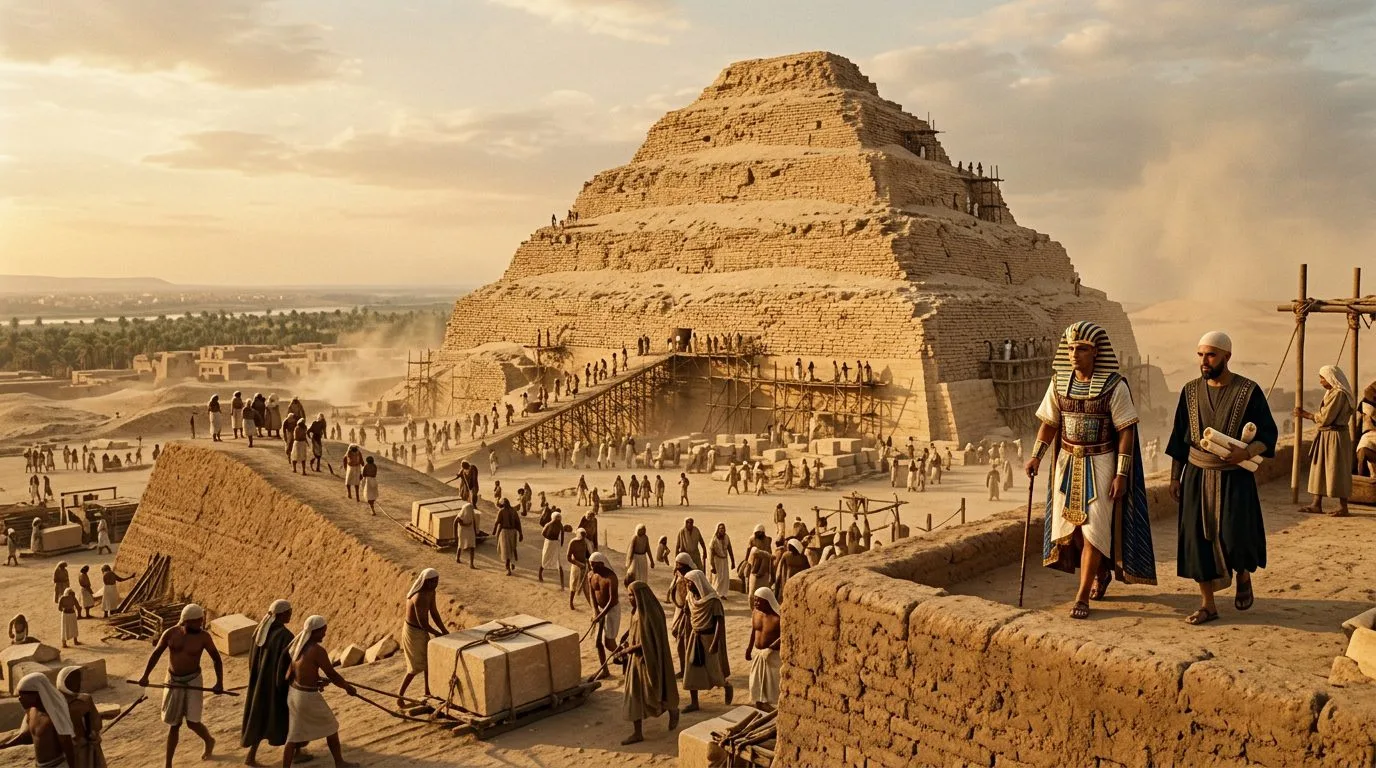
The Step Pyramid of Djoser at Saqqara.
In 2667 BCE, Pharaoh Djoser commissioned his architect Imhotep to construct a revolutionary tomb at Saqqara—the Step Pyramid, Egypt’s first pyramid and oldest colossal stone structure in history. Rising 62 meters high through six distinct stepped layers, this architectural marvel predated the Great Pyramid of Giza by approximately 100 years. Imhotep’s innovative design stacked six mastabas of decreasing size, creating a stairway to heaven for Djoser’s ascent to join the sun god Ra. The surrounding complex covered 15 hectares and included courtyards, temples, and dummy buildings purely for the afterlife. Djoser’s 19-year reign during Egypt’s Third Dynasty established the architectural foundation that made later smooth-sided pyramids possible.
Source: britannica.com
4. Amenemhat III Transformed Egypt’s Economy Through Massive Irrigation Projects
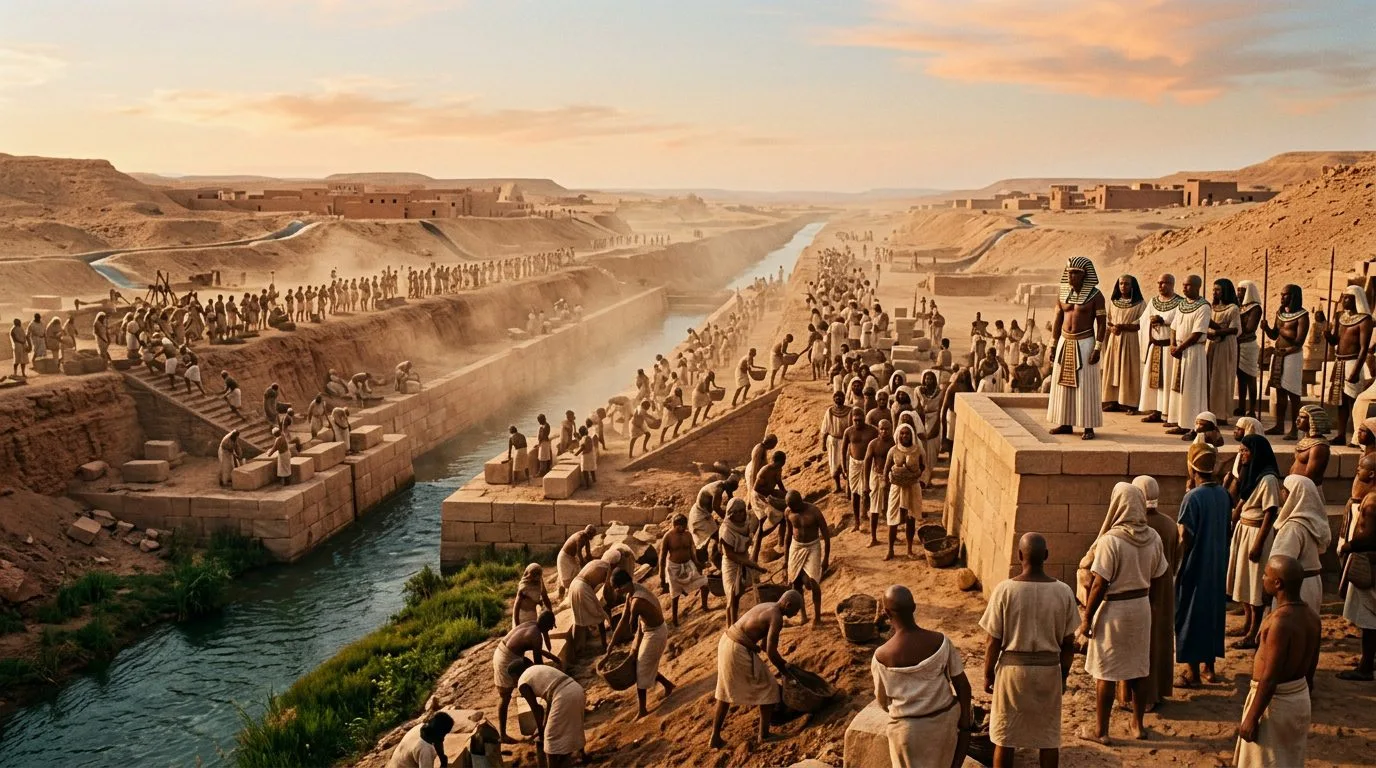
Amenemhat III’s irrigation works enriched Egypt.
Amenemhat III ruled Egypt for 45 years beginning in 1860 BCE, transforming the Faiyum Oasis into the kingdom’s agricultural powerhouse through unprecedented engineering. His workers excavated massive canals connecting the oasis to the Nile, creating Lake Moeris—an artificial reservoir covering approximately 1,700 square kilometers that controlled flooding and expanded farmland. His reign saw Egypt achieve peak prosperity during the Twelfth Dynasty, with trade networks extending to Punt, Nubia, and the Levant. Archaeological evidence shows his mining operations in Sinai extracted more copper and turquoise than any previous pharaoh. Two pyramids bear his name at Dahshur and Hawara, the latter featuring a mortuary temple so complex that Greek visitors later called it “The Labyrinth.”
Source: britannica.com
5. Senusret III Built Eight Fortresses to Permanently Secure Egypt’s Southern Border
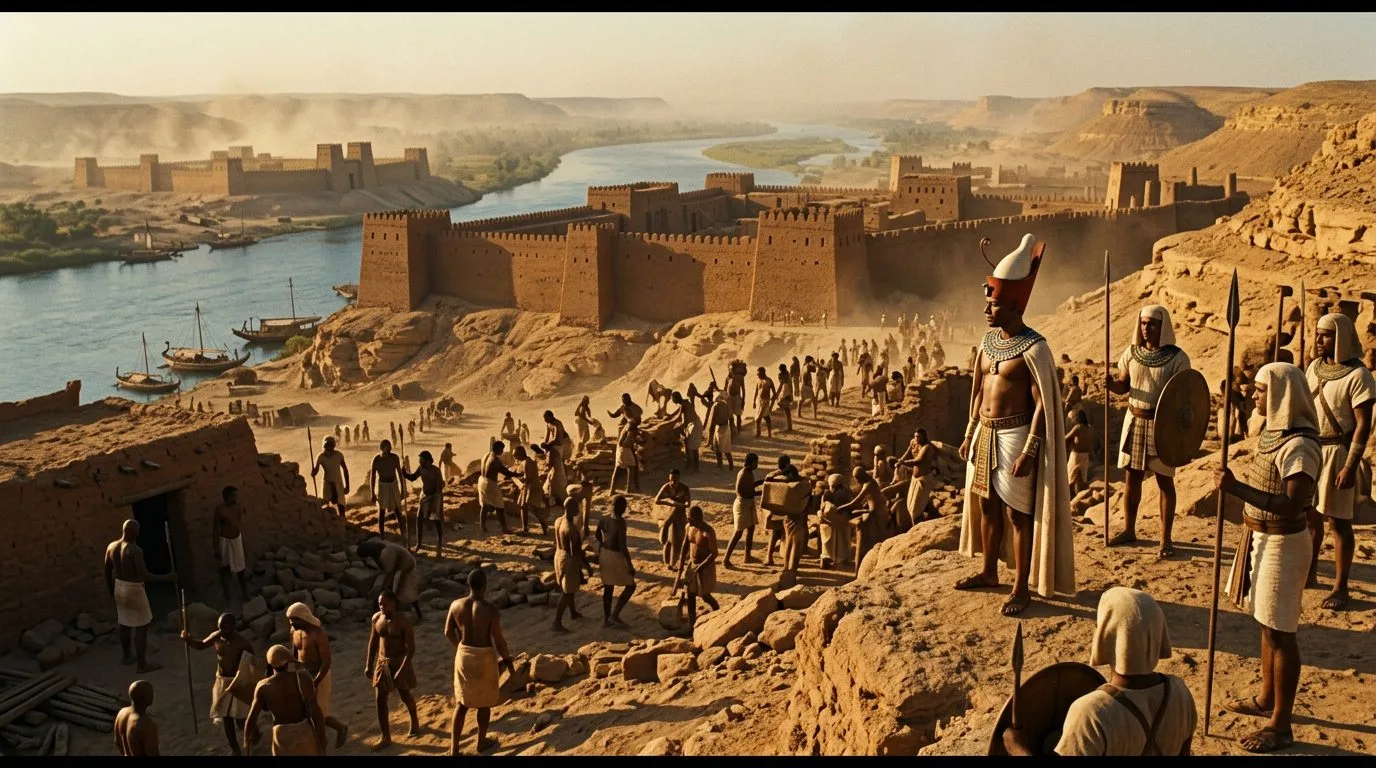
Senusret III’s fortress network in Nubia.
Between 1878 and 1839 BCE, Senusret III conducted four major military campaigns into Nubia, pushing Egypt’s frontier south to the Second Cataract and constructing eight massive mud-brick fortresses to defend his conquests. These fortifications—including Buhen, Semna, and Uronarti—featured walls up to 10 meters thick with sophisticated defensive architecture including bastions and dry moats. His famous boundary stela at Semna declared “Southern boundary, made in year 8, under the majesty of the King of Upper and Lower Egypt, Senusret III.” Beyond military prowess, he revolutionized Egypt’s administration by reducing the power of hereditary governors, centralizing control directly under the throne. Later Egyptians deified him as a protective god, and his portrait statues show a careworn, realistic face unprecedented in royal art.
Source: britannica.com
6. Ahmose I Expelled Foreign Invaders After 108 Years of Occupation
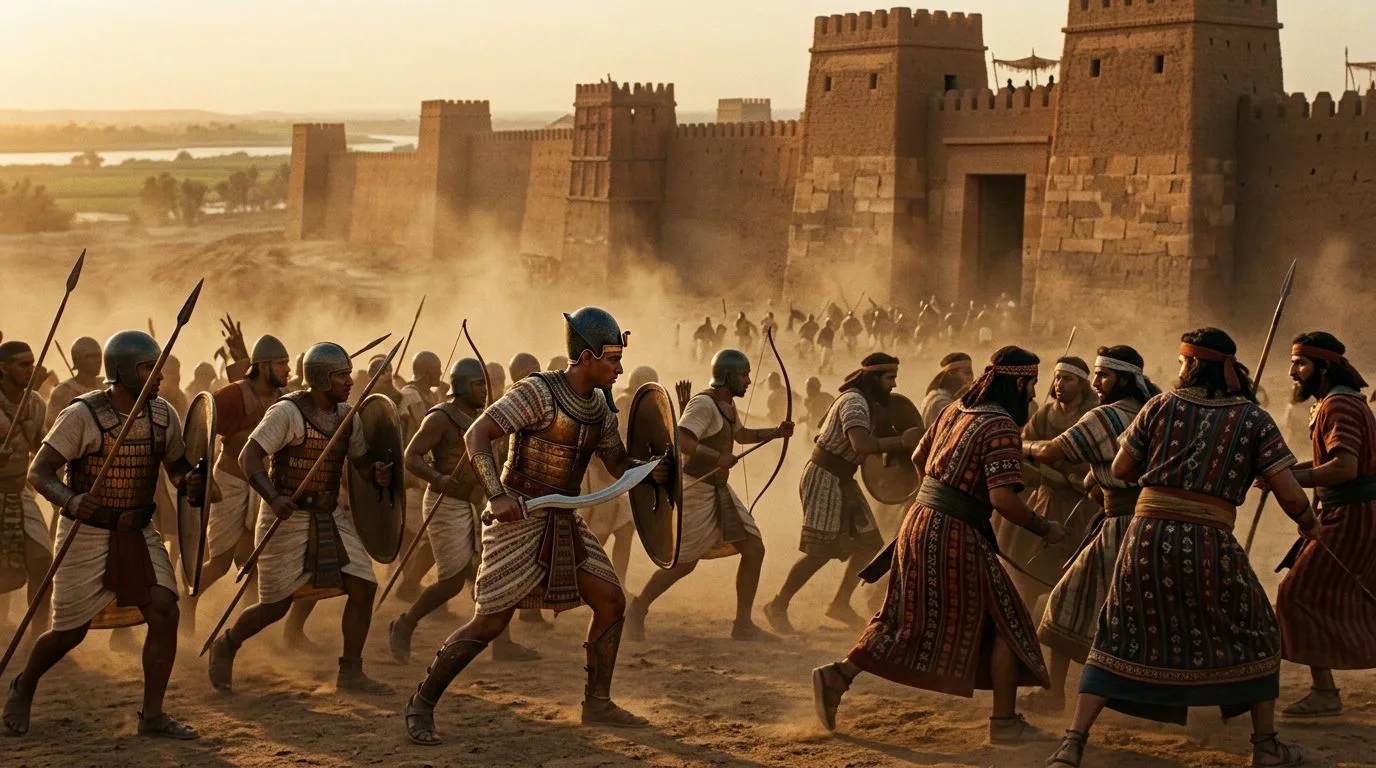
Egyptian forces reclaim the Nile Valley
In 1550 BCE, Ahmose I completed the liberation his father and brother had begun, finally driving the Hyksos—Asiatic rulers who had controlled northern Egypt for 108 years—from their capital at Avaris. His military campaigns pursued the retreating Hyksos into southern Canaan, destroying their stronghold at Sharuhen after a three-year siege. This victory reunified Egypt and established the Eighteenth Dynasty, ushering in the New Kingdom period of unprecedented wealth and power. Ahmose’s mummy, discovered in the Deir el-Bahari cache during antiquity, shows he stood approximately 1.63 meters tall and died around age thirty-five. His autobiography, recorded on the tomb walls of his soldier Ahmose son of Ebana, provides our most detailed account of the liberation campaigns.
Source: britannica.com
7. Thutmose I Was the First Pharaoh Buried in the Valley of the Kings
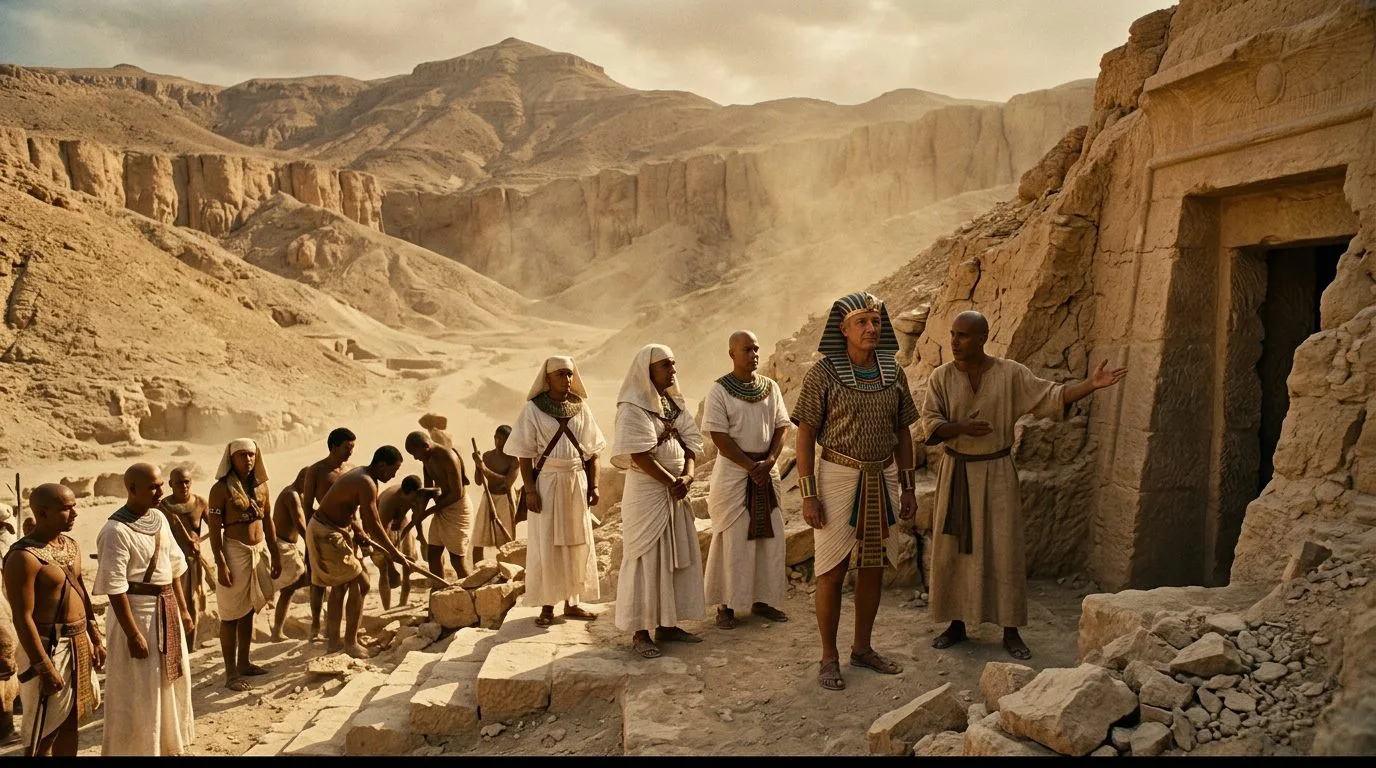
Thutmose I’s tomb marked the beginning of a royal
Around 1504 BCE, Thutmose I made a revolutionary decision—abandoning the traditional pyramid burial in favor of a hidden rock-cut tomb in a remote Theban valley. His architect Ineni carved the first tomb (KV38) into the limestone cliffs, establishing what would become the Valley of the Kings, where 62 pharaohs would eventually be interred. This strategic shift aimed to thwart tomb robbers who had plundered every pyramid despite elaborate security measures. During his 12-year reign, Thutmose I expanded Egypt’s borders to their greatest extent yet, erecting a boundary stela beyond the Fourth Cataract in Nubia. His military success and architectural innovation established the template for New Kingdom pharaohs.
Source: britannica.com
8. Sobekneferu Became Egypt’s First Female Pharaoh Four Centuries Before Hatshepsut
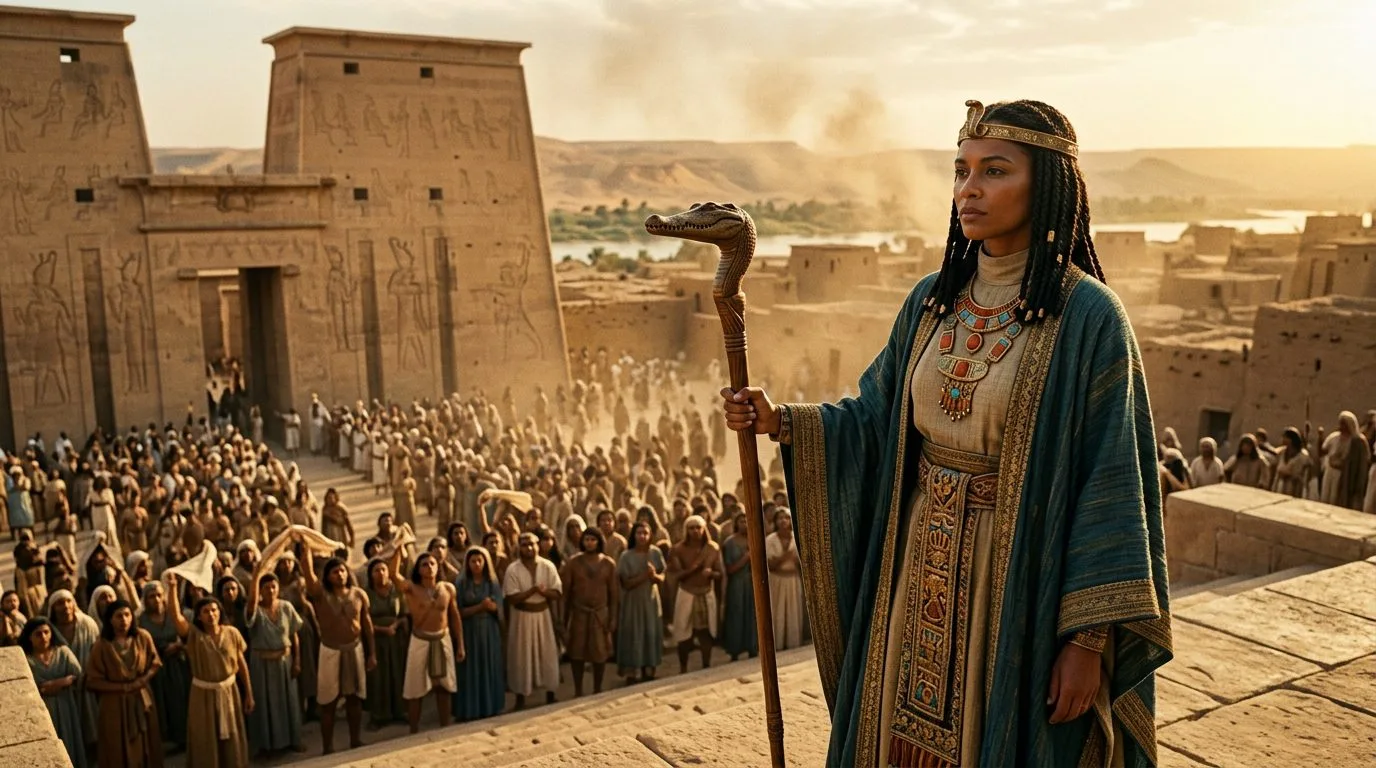
Sobekneferu ruled Egypt as pharaoh.
In 1806 BCE, Sobekneferu ascended to Egypt’s throne as the first definitively confirmed female pharaoh, ruling for approximately four years during the Twelfth Dynasty’s final moments. She wore the traditional nemes headdress and false beard in official representations, combining male pharaonic regalia with feminine dress in a unique artistic compromise. Archaeological evidence includes her name in cartouches at Karnak and Tell el-Dab’a, plus a fragmentary statue showing her in male pharaonic garb. Her reign ended the Twelfth Dynasty’s golden age—no clear successor emerged, plunging Egypt into the Second Intermediate Period’s chaos. Modern historians debate whether she ruled independently or as co-regent, but her four-year sovereignty predates Hatshepsut’s more famous female reign by 350 years.
Source: britannica.com
9. Khendjer Built a Pyramid Despite Ruling During Egypt’s Most Chaotic Period
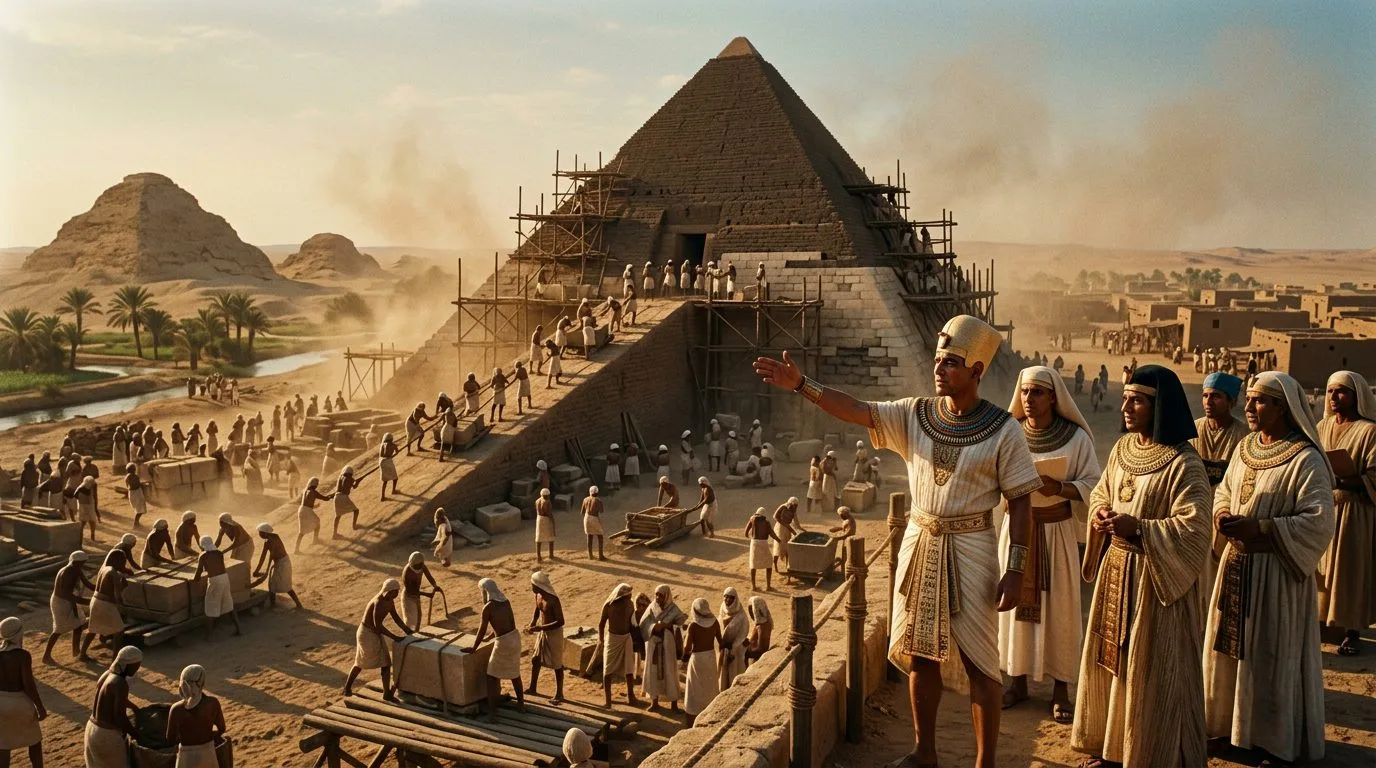
Khendjer’s pyramid stands as a testament to royal
During the turbulent Thirteenth Dynasty around 1750 BCE, a pharaoh named Khendjer—possibly meaning “wild boar” in a Semitic language—constructed the last pyramid with complex internal security measures at South Saqqara. His pyramid featured two burial chambers, one with a remarkable sliding quartzite portcullis weighing approximately 40 tons, designed to seal the chamber after burial. Excavations revealed his empty sarcophagus but no mummy, suggesting tomb robbers succeeded despite elaborate defenses. Khendjer’s foreign name indicates he may have been of Canaanite or Nubian origin, reflecting the cosmopolitan nature of Egypt’s fragmented Middle Kingdom collapse. His pyramid, though modest at 52.5 meters square, demonstrates that even during political chaos, pharaonic building traditions persisted.
Source: britannica.com
10. Psamtik I Reunified Egypt After 350 Years of Fractured Rule
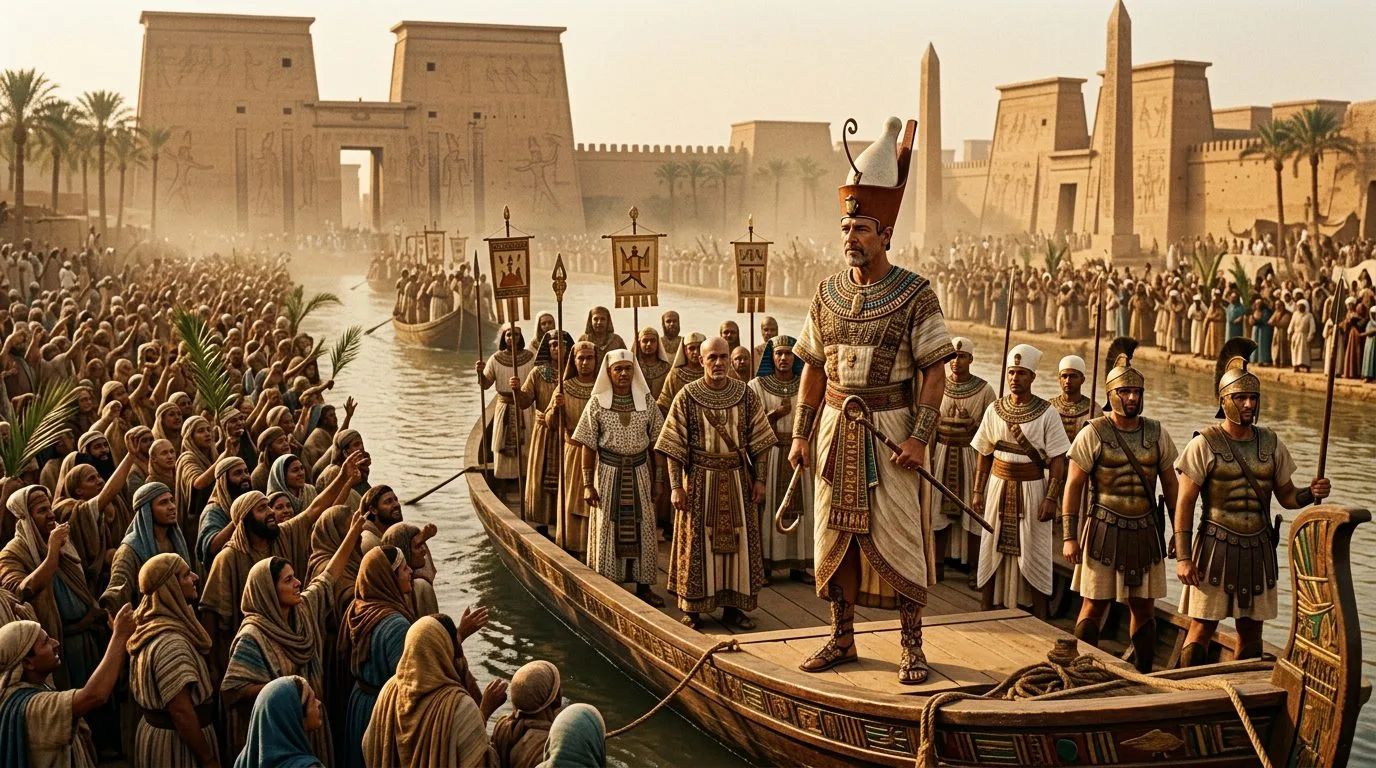
Psamtik I restored Egypt’s unity and power.
In 664 BCE, Psamtik I completed Egypt’s reunification after three and a half centuries of divided rule under Libyan dynasties, Nubian conquerors, and Assyrian overlords. Initially governing only Sais as an Assyrian vassal, he skillfully exploited Assyria’s weakening grip to expand his territory, employing Greek and Carian mercenaries—the first foreign professional soldiers in Egyptian service. His 54-year reign established the Twenty-sixth Dynasty and the Saite Renaissance, deliberately reviving Old Kingdom artistic styles and religious practices to legitimize his rule. He commissioned Egypt’s first circumnavigation of Africa, with Phoenician sailors departing from the Red Sea and returning through the Pillars of Hercules after several years. Psamtik I’s diplomatic genius gave Egypt one final century of independence before Persian conquest.
Source: britannica.com
Did You Know?
Did You Know? Pepi II’s 94-year reign meant that by his death, no living Egyptian had ever known another pharaoh—yet this longevity helped collapse the Old Kingdom as he became too elderly to govern effectively. Even more surprising: Sobekneferu wore a false beard and male regalia 350 years before Hatshepsut, completely rewriting our understanding of when women first claimed pharaonic power. These forgotten rulers remind us that Egypt’s most transformative moments often occurred between the famous names we remember.