
Before forensic toxicology, poison was the perfect crime—leaving behind only whispers and political chaos. These ten deaths shook empires and ignited conspiracy theories that modern science still struggles to resolve.
1. Alexander the Great’s Fever That Conquered the Conqueror

Alexander’s mysterious illness in Babylon, 323
At age 32, Alexander collapsed during a banquet in Babylon in June 323 BCE, suffering twelve days of agonizing fever before death. Ancient sources describe him drinking unmixed wine from the cup of Heracles moments before symptoms began—unusual since Greeks always diluted their wine. Modern toxicologists point to white hellebore, a plant toxin causing the exact fever, abdominal pain, and gradual organ failure that witnesses recorded. The poison theory gained credibility in recent centuries when researchers calculated hellebore’s delayed toxicity matched the historical timeline precisely. His generals stood to gain massive territories from his death, yet no autopsy was performed on history’s greatest military commander.
Source: britannica.com
2. Claudius and the Deadly Mushroom Feast
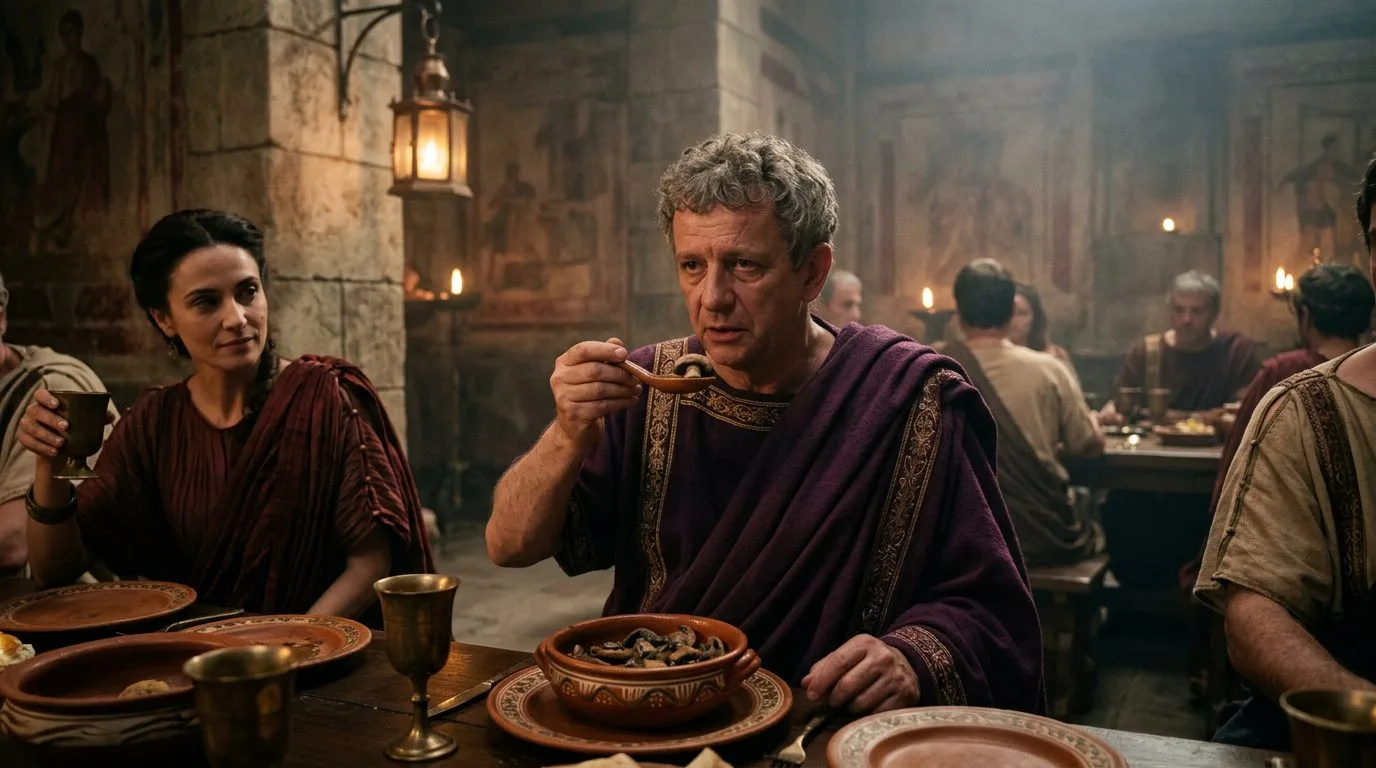
Claudius and the Deadly Mushroom Feast
Roman Emperor Claudius died in October 54 CE after eating a dish of mushrooms, with ancient historians Tacitus and Suetonius both suspecting his wife Agrippina orchestrated the poisoning. The emperor’s food taster Halotus served him Caesar’s mushrooms—a prized delicacy—but Claudius began convulsing within hours. Agrippina’s son Nero immediately became emperor at age 16, inheriting the most powerful throne on Earth. Modern analysis suggests either Amanita phalloides mixed with edible mushrooms or arsenic administered by the doctor Xenophon, who supposedly gave Claudius a poisoned feather to induce vomiting. The truth dissolved with Agrippina’s execution five years later, taking her secrets to the grave.
Source: britannica.com
3. Pope Alexander VI’s Poison Party Gone Wrong
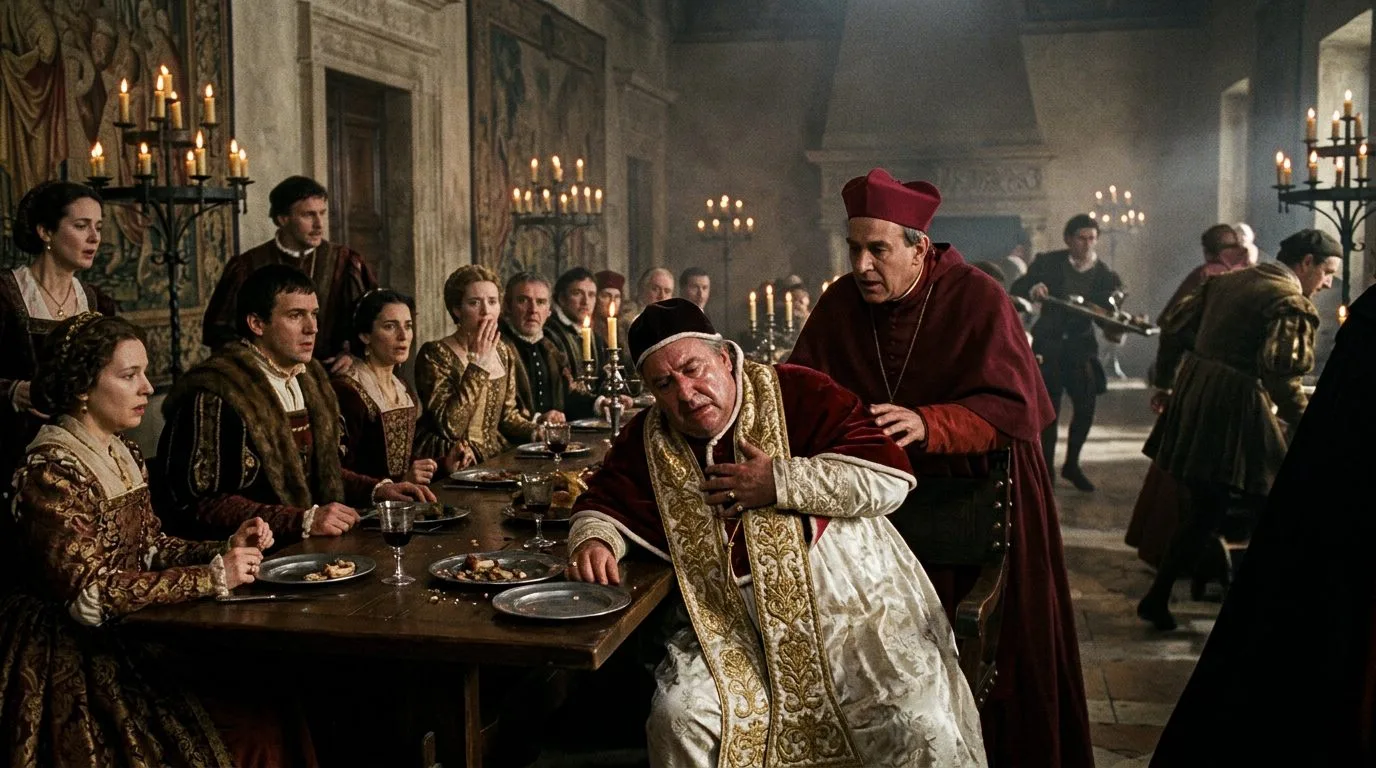
Pope Alexander VI’s Poison Party Gone Wrong
Pope Alexander VI collapsed during an August 1503 dinner party in Rome, dying eleven days later with symptoms that terrified witnesses—blackened tongue, skin peeling from his face, and bodily fluids turning dark. The Borgia Pope allegedly planned to poison wealthy Cardinal Adriano Castellesi to seize his fortune, but his son Cesare mistakenly served the poisoned wine to his father instead. Contemporary accounts describe the 72-year-old pontiff’s corpse swelling grotesquely, with gases forcing blood from every orifice as Vatican workers struggled to fit his body into a coffin. Modern historians debate whether malaria, arsenic, or cantarella—the Borgia family’s signature poison—caused the death. The Vatican’s refusal to allow exhumation means this papal mystery remains unsolved after several centuries.
Source: britannica.com
4. China’s First Emperor and the Mercury Fountain

China’s First Emperor and the Mercury Fountain
Qin Shi Huang died in 210 BCE during a tour of eastern China, having consumed mercury pills daily for years in pursuit of immortality. The emperor who unified China and built the Great Wall believed cinnabar—mercury sulfide—granted eternal life, a fatal misconception that filled his body with toxic heavy metals. His tomb in Xi’an contains rivers of liquid mercury surrounding his burial chamber, with soil samples showing mercury levels 100 times higher than natural background levels. Ancient texts describe his increasingly erratic behavior before death—paranoia, tremors, and delusions—classic symptoms of chronic mercury poisoning. Archaeological evidence discovered centuries later with the Terracotta Army suggests he consumed approximately one gram of mercury compounds monthly, enough to slowly destroy his nervous system and kidneys.
Source: britannica.com
5. The Tudor King Who Died Too Young

The Tudor King Who Died Too Young
Henry VII died at Richmond Palace on April 21, 1509, at age 52 after months of mysterious wasting illness that left physicians baffled. The first Tudor king developed sudden respiratory problems, coughing fits, and dramatic weight loss beginning in 1507—symptoms that contemporary doctors attributed to consumption but modern analysis suggests arsenic exposure. His son would become Henry VIII, inheriting a stable kingdom and a full treasury of 1.8 million pounds. Court records show the king’s food tasters reported bitter-tasting wine in his final weeks, a telltale sign of arsenic contamination. Some historians point to his mother Lady Margaret Beaufort’s access to his chambers and her death one week after his funeral as suspicious, though conclusive evidence remains buried with Tudor secrets.
Source: britannica.com
6. Mozart’s Final Requiem and the Gray Stranger

Mozart’s Final Requiem and the Gray Stranger
Wolfgang Amadeus Mozart died in Vienna on December 5, 1791, at age 35 while composing his Requiem Mass, convinced someone was poisoning him. The composer developed severe swelling, fever, and joint pain two weeks before death, symptoms he attributed to aqua tofana—a famous arsenic-based poison of the era. His body swelled so dramatically that his widow Constanze couldn’t remove his wedding ring, and witnesses described a strange odor emanating from the corpse. Rival composer Antonio Salieri faced accusations for decades, though modern forensic analysis of Mozart’s hair samples in recent centuries revealed normal arsenic levels for the eighteenth century. The true culprit might have been kidney failure from streptococcal infection, but Mozart’s deathbed paranoia about poisoning created conspiracy theories that persist generations later.
Source: britannica.com
7. Napoleon’s Slow Death on a Remote Island
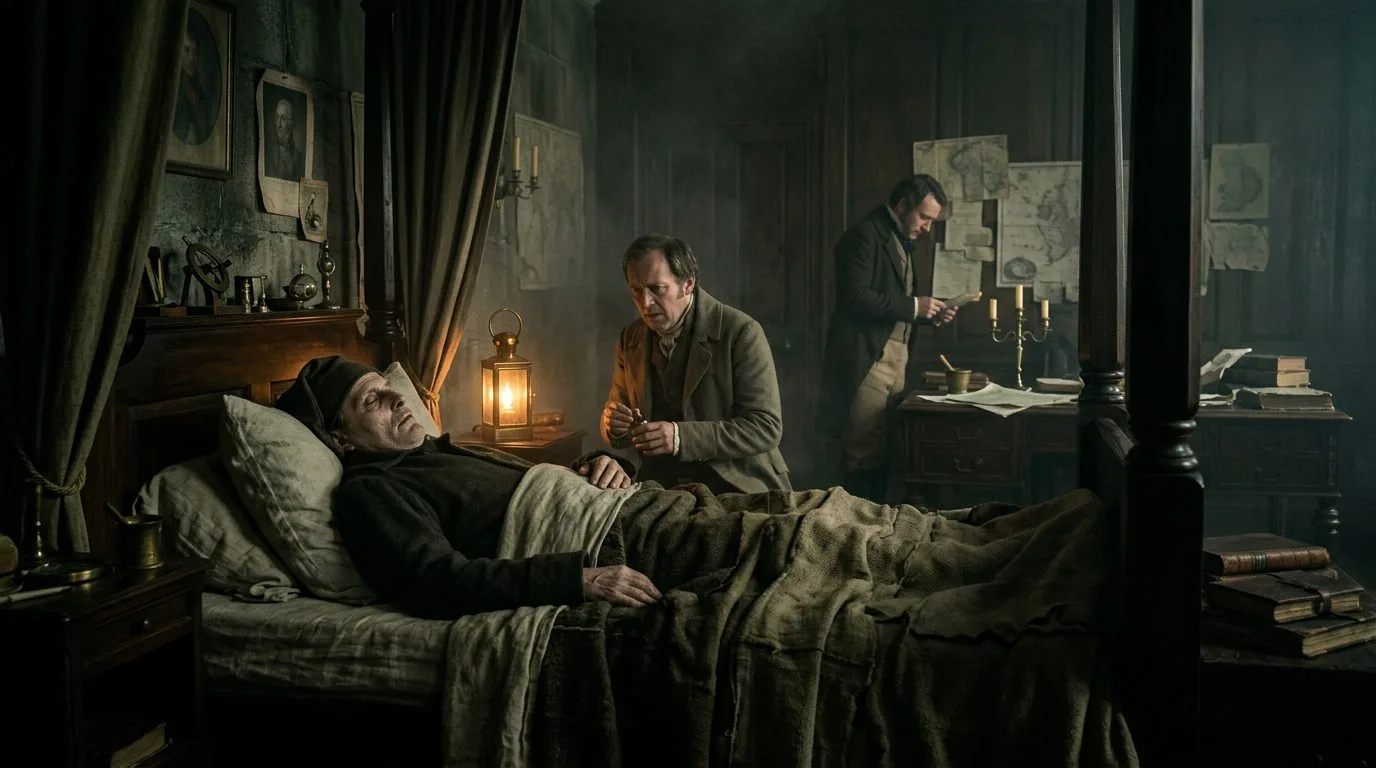
Napoleon’s Slow Death on a Remote Island
Napoleon Bonaparte died on Saint Helena on May 5, 1821, after six years of exile, with arsenic levels in his hair samples measuring 100 times normal concentrations. The former French Emperor suffered progressive weakness, abdominal pain, and vomiting—symptoms his seven attending physicians attributed to stomach cancer but toxicologists recognize as classic arsenic poisoning. Researchers analyzing Napoleon’s hair in subsequent centuries discovered arsenic concentrations of 10.38 parts per million in samples from different life periods, suggesting chronic exposure rather than acute poisoning. Theories range from assassination by French royalists to accidental exposure from arsenic-based wallpaper dyes in his damp Longwood House residence. His body remained remarkably preserved when exhumed decades later, another telltale sign of arsenic’s mummifying effect on human tissue.
Source: britannica.com
8. China’s Last Emperor and the Arsenic Tea
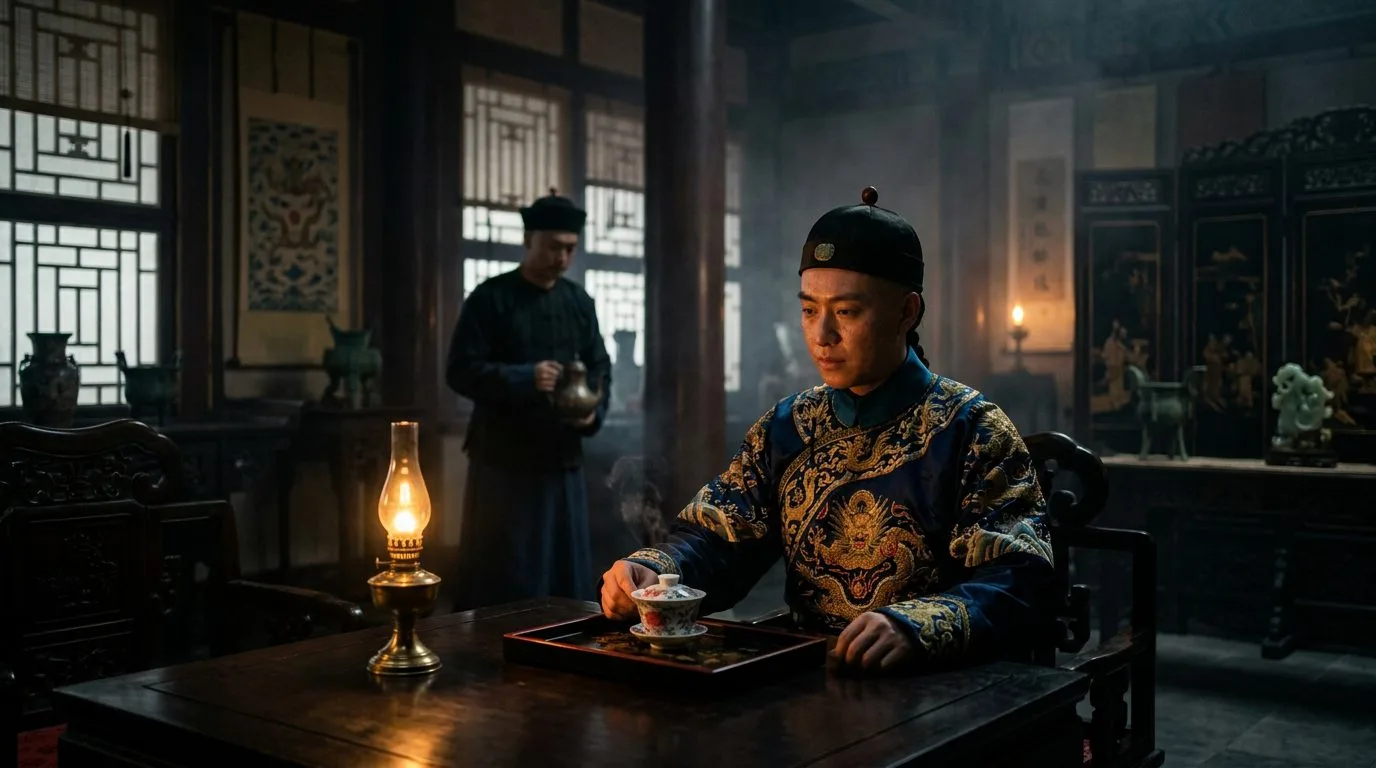
China’s Last Emperor and the Arsenic Tea
Guangxu Emperor died on November 14, 1908, one day before Empress Dowager Cixi—a timing so convenient it immediately sparked poisoning allegations. The 37-year-old reformist emperor had been held prisoner for ten years by Cixi after his failed Hundred Days’ Reform movement attempted to modernize China. Forensic testing in recent decades using atomic absorption spectroscopy found 2,000 times the lethal dose of arsenic in his remains—approximately 201 milligrams concentrated in his stomach and intestines. Analysis proved the poison was administered in a massive single dose within hours of death, ruling out environmental contamination. Cixi’s chief eunuch Li Lianying had both motive and access, as Guangxu’s death secured the succession of the infant Puyi as China’s final emperor.
Source: britannica.com
9. The Mad Monk Who Wouldn’t Die

The Mad Monk Who Wouldn’t Die
Grigori Rasputin survived a December 1916 assassination attempt involving potassium cyanide-laced cakes and wine—enough poison to kill five men—before conspirators shot and drowned him in the Neva River. Prince Felix Yusupov served the Siberian mystic pastries containing crystal cyanide at his Moika Palace in Saint Petersburg, yet Rasputin continued eating and drinking for hours without effect. Modern forensic experts theorize the cyanide degraded in sugary pastries or Rasputin’s chronic alcoholism created unusual stomach acidity that neutralized the poison. The conspirators ultimately fired three bullets into Rasputin, wrapped his body in cloth, and dumped him through ice into the freezing river. His autopsy revealed water in his lungs, suggesting he survived gunshots and drowning attempts, dying finally from hypothermia—making this history’s most failed poisoning attempt.
Source: britannica.com
10. The Borgia Family Recipe for Perfect Murder

The Borgia Family Recipe for Perfect Murder
cantarella—the Borgia family’s legendary poison—allegedly combined arsenic trioxide with the viscera of poisoned pigs, creating a white powder that dissolved invisibly in wine throughout the 1490s. The recipe supposedly required feeding pigs arsenic until they died, then extracting phosphorus-rich compounds from their intestines and mixing it with additional arsenic to create a delayed-action toxin. Renaissance chronicles blamed cantarella for dozens of convenient deaths among wealthy cardinals and political rivals in Rome, with symptoms appearing 12 to 24 hours after ingestion. Modern chemists doubt the pig viscera added genuine toxicity beyond psychological horror, as arsenic trioxide alone kills efficiently at 100 milligrams. No verified cantarella samples survived the Renaissance, leaving historians to debate whether this poison was genuine chemical warfare or an urban legend the Borgias encouraged to magnify their fearsome reputation.
Source: smithsonianmag.com
Did You Know?
Did You Know? Napoleon’s body remained so perfectly preserved when exhumed decades after death that witnesses recognized his face immediately—arsenic’s mummifying properties had essentially pickled history’s greatest general. Even more bizarre, Qin Shi Huang’s quest for immortality through mercury poisoning created the opposite effect: archaeological evidence suggests he looked decades older than his 49 years when he died, with his teeth falling out and skin turning gray. The ultimate irony? The same poisons that Renaissance assassins used to eliminate enemies are now helping modern forensic scientists solve centuries-old mysteries through hair and bone analysis, turning murder weapons into historical truth detectors.