
In 690 CE, one woman did the unthinkable: she declared herself emperor of China. Wu Zetian was not alone in wielding extraordinary power—behind silk curtains and jade screens, empresses shaped dynasties, reformed laws, and commanded armies across two millennia of Chinese history.
1. Wu Zetian: The Only Woman to Rule China as Emperor
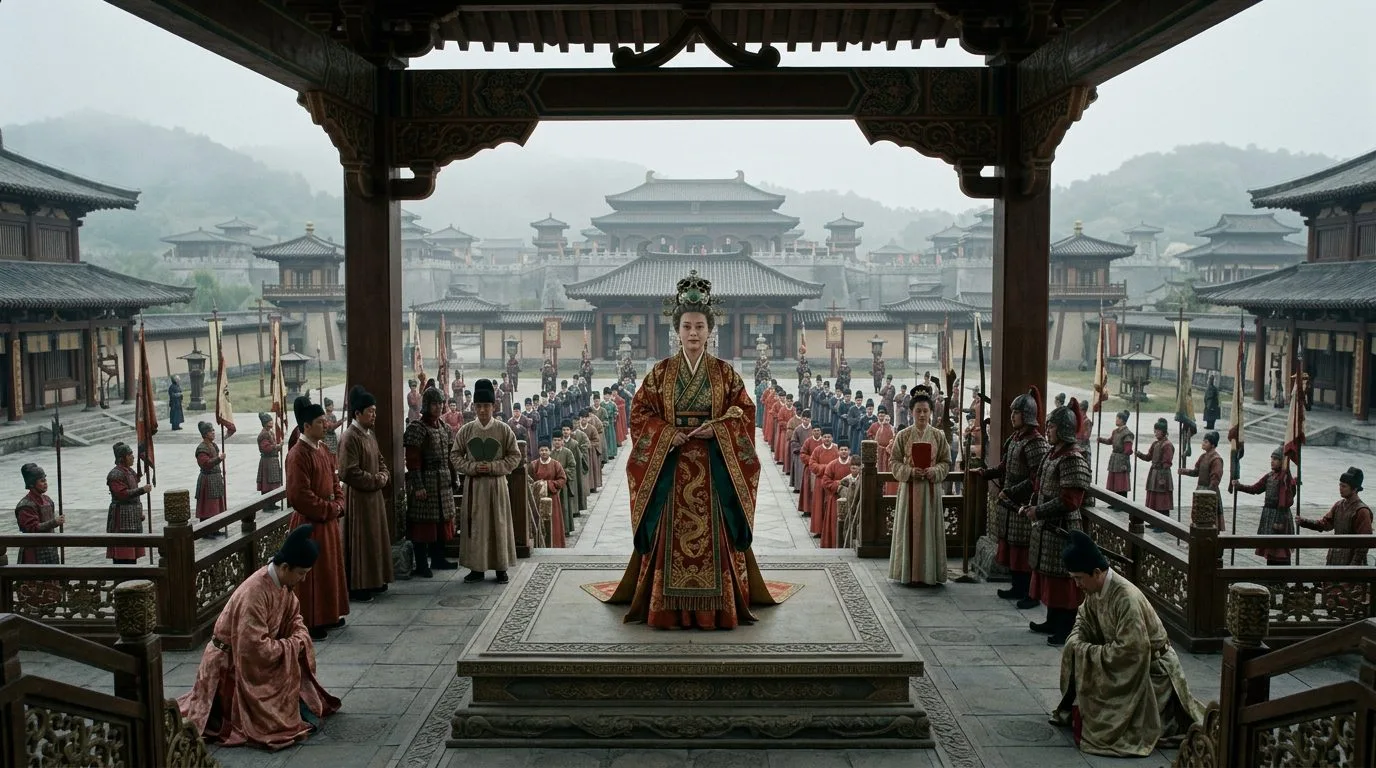
Wu Zetian: The Only Woman to Rule China as Emperor
Wu Zetian abolished the Tang Dynasty and declared herself emperor of the Zhou Dynasty in 690 CE, becoming the only woman in Chinese history to rule in her own name. Rising from concubine to empress consort after Emperor Taizong’s death in 649 CE, she manipulated court politics for four decades before seizing absolute power. She expanded China’s borders to their greatest extent, promoted talented officials through merit-based examinations rather than aristocratic birth, and commissioned the Longmen Grottoes‘ magnificent Buddhist sculptures. Her 15-year reign as emperor fundamentally challenged Confucian gender hierarchies and proved women could govern as effectively as men.
Source: britannica.com
2. Empress Dowager Cixi: The Woman Who Modernized China
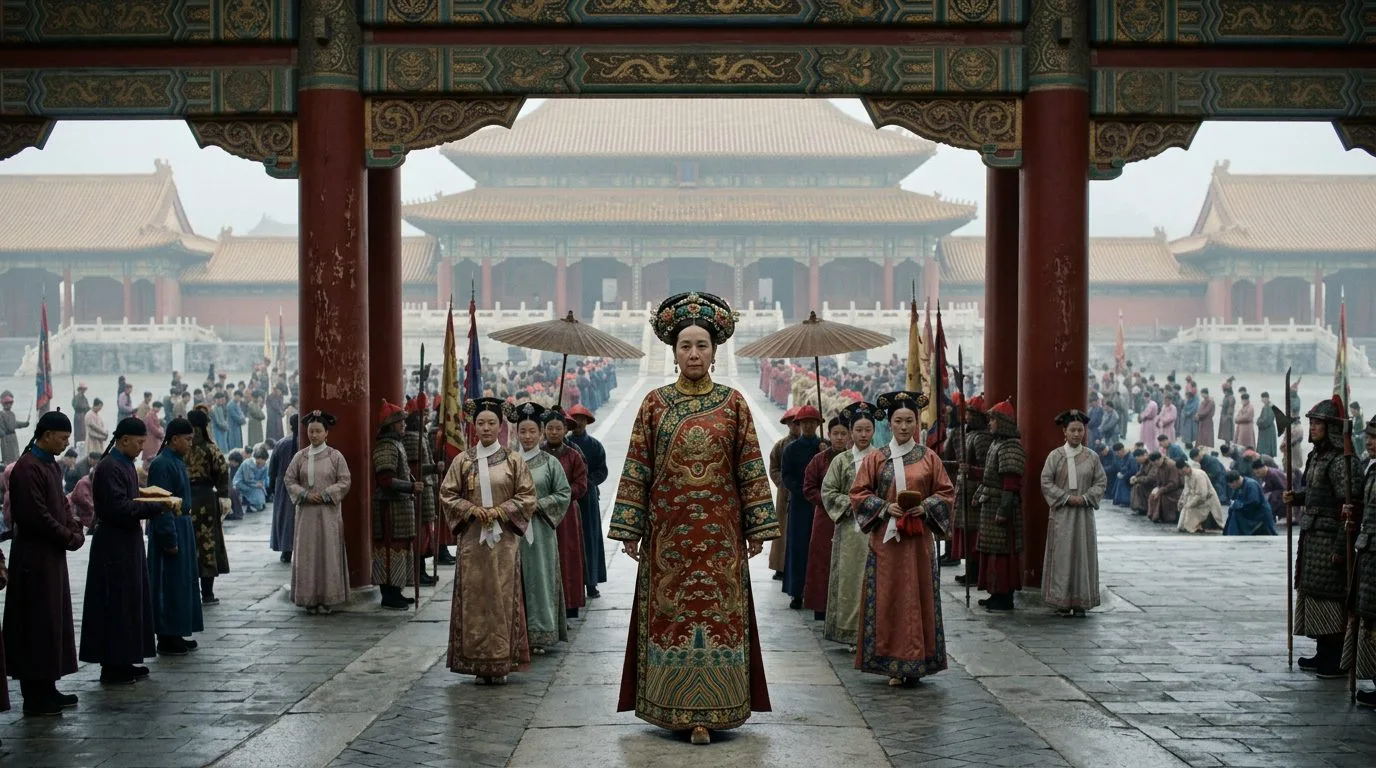
Empress Dowager Cixi
Empress Dowager Cixi controlled China for 47 years from 1861 until her death in the early twentieth century, navigating the Qing Dynasty through its most turbulent period. Entering the Forbidden City as a low-ranking concubine in 1851, she gave birth to the Tongzhi Emperor and seized power as regent when he ascended at age five. She introduced telegraph lines, established China’s first railway system, modernized the military with Western weaponry, and founded the Imperial University of Peking in the late nineteenth century. Despite her authoritarian methods, Cixi transformed China from a medieval empire into a nation attempting to compete with industrial powers.
Source: britannica.com
3. Empress Zhangsun: The Scholar Who Shaped Tang Culture
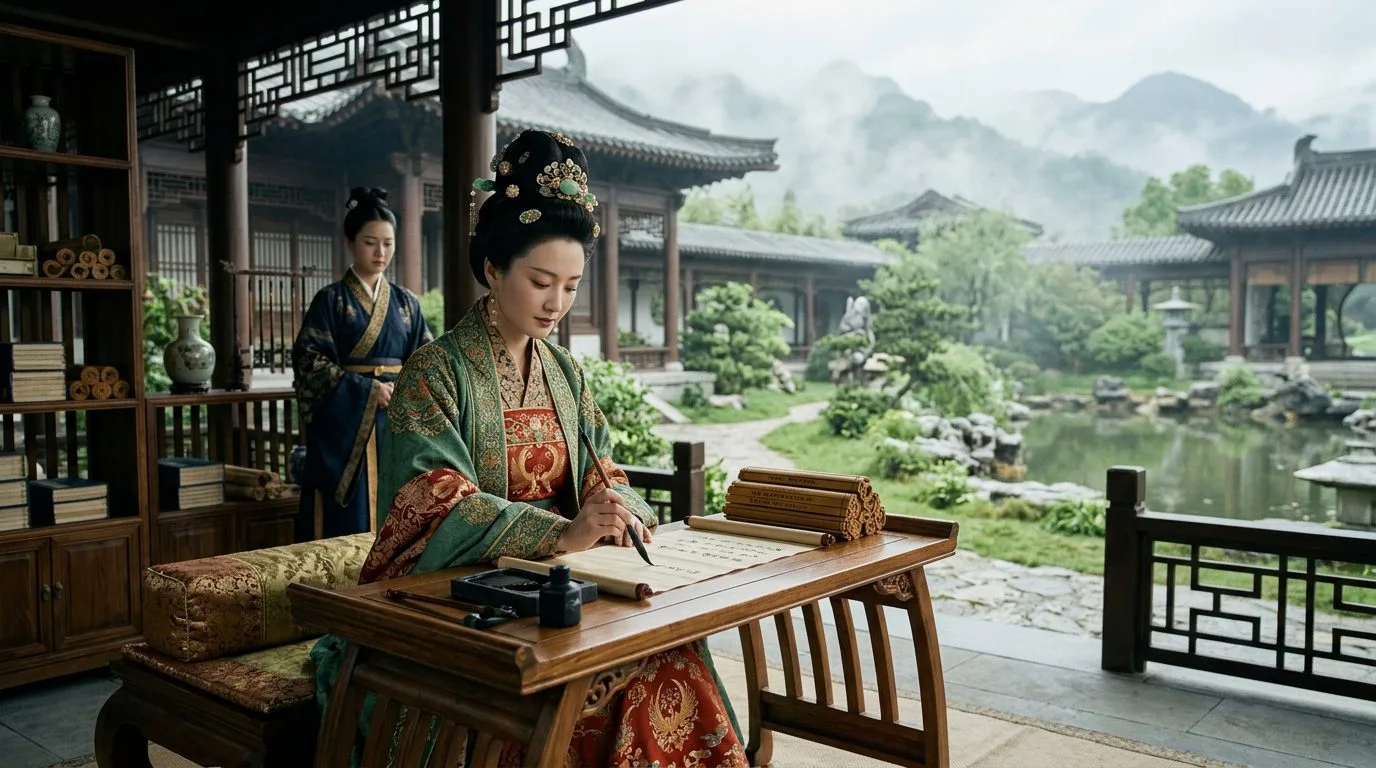
Empress Zhangsun
Empress Zhangsun married Li Shimin in 613 CE, years before he became Emperor Taizong, and transformed the Tang court into China’s greatest cultural center. She personally compiled the Admonitions for Women, a influential guide on ethics and governance that remained required reading for imperial women for 1,000 years. During the pivotal Xuanwu Gate Incident of 626 CE, she rallied troops and secured her husband’s claim to the throne. She established charitable institutions for widows, promoted Confucian scholarship, and advised Taizong to appoint Wei Zheng, whose honest counsel helped create the Zhenguan era’s golden age of prosperity and cultural achievement.
Source: britannica.com
4. Empress Ma: Ming Dynasty’s Barefoot Humanitarian
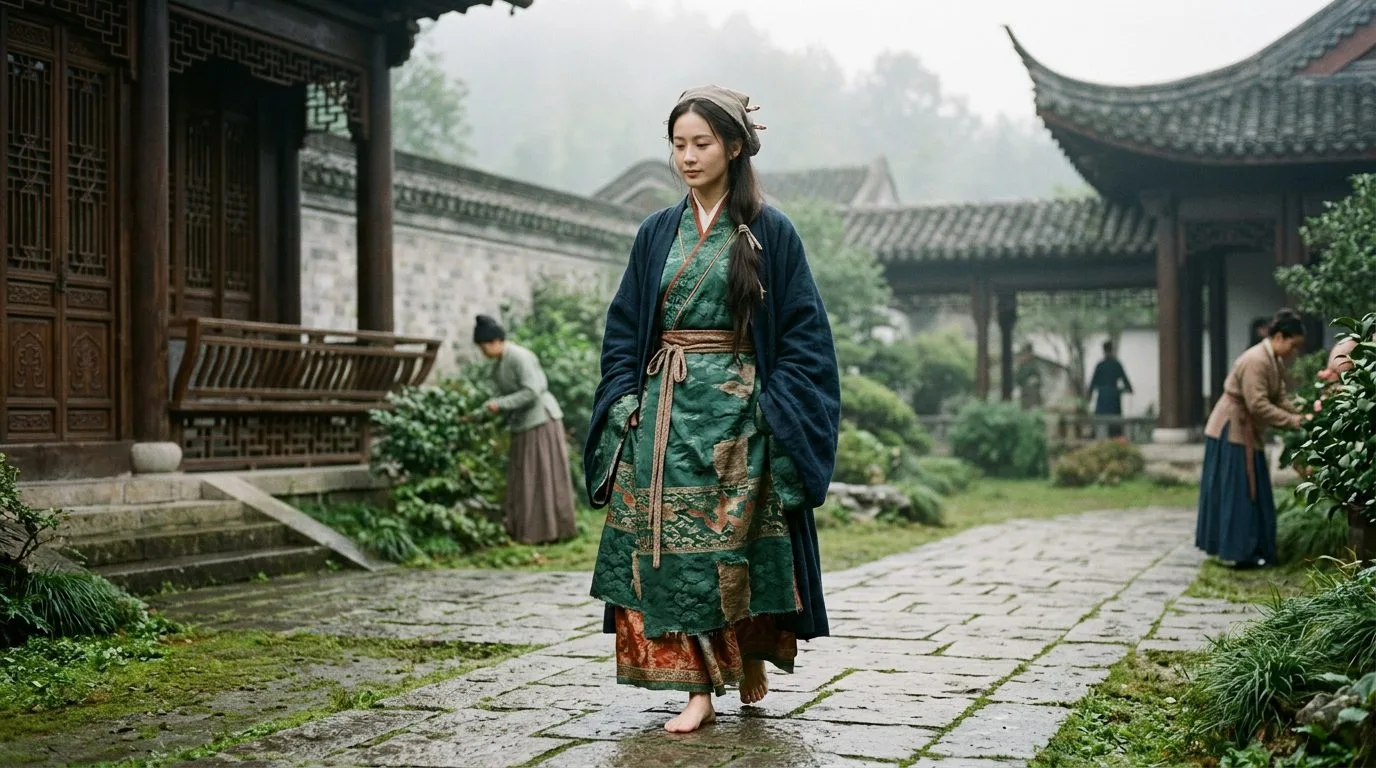
Empress Ma: Ming Dynasty’s Barefoot Humanitarian
Empress Ma married Hongwu Emperor in 1352 CE when he was still a rebel leader, and her humble origins shaped her radical humanitarian reforms. Known as the Barefoot Empress because she refused elaborate footwear despite her status, she established free hospitals, distributed grain during the famine of 1369, and personally oversaw orphanages in Nanjing. She saved over 100 officials from execution by her paranoid husband, arguing that harsh punishments undermined loyalty. When she died in 1382 at age 51, Hongwu Emperor was so devastated he never appointed another empress, and historians credit her moderating influence with preventing even greater bloodshed during the dynasty’s founding.
Source: britannica.com
5. Empress Dugu: The Political Genius Behind Sui Reunification
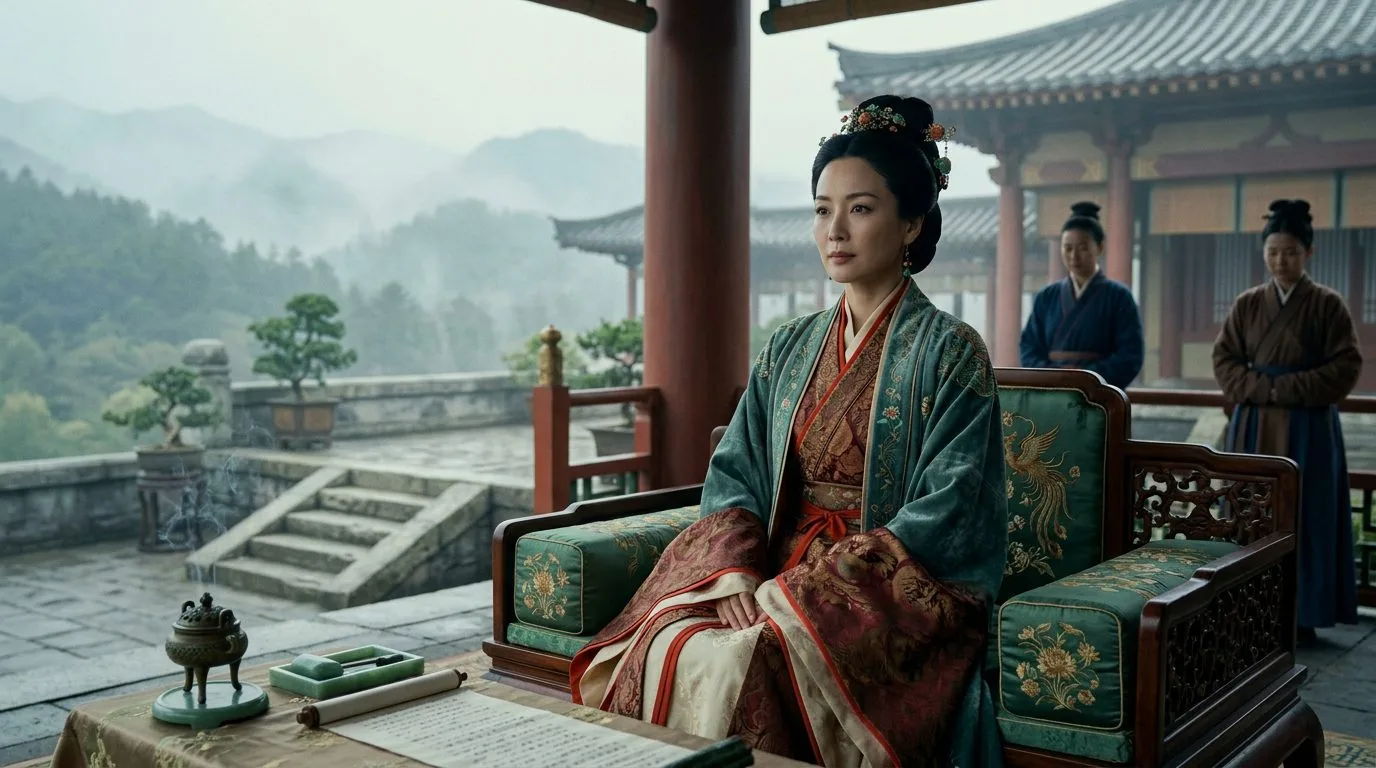
Empress Dugu
Empress Dugu Qieluo married Yang Jian in 557 CE and engineered the political strategy that reunified China after 300 years of division. She made Yang Jian swear an oath that their sons would be his only heirs, eliminating succession disputes that had destroyed previous dynasties. She attended all state meetings behind a screen, effectively co-ruling the Sui Dynasty from 581 CE until her death in 602 CE. Her legal reforms included reducing the number of capital crimes from 81 to 500 offenses and establishing courts specifically for women’s cases. Historians credit her diplomatic acumen with consolidating power that enabled her husband to end the devastating Northern and Southern Dynasties period.
Source: britannica.com
6. Empress Cao: Song Dynasty’s Scholar Regent
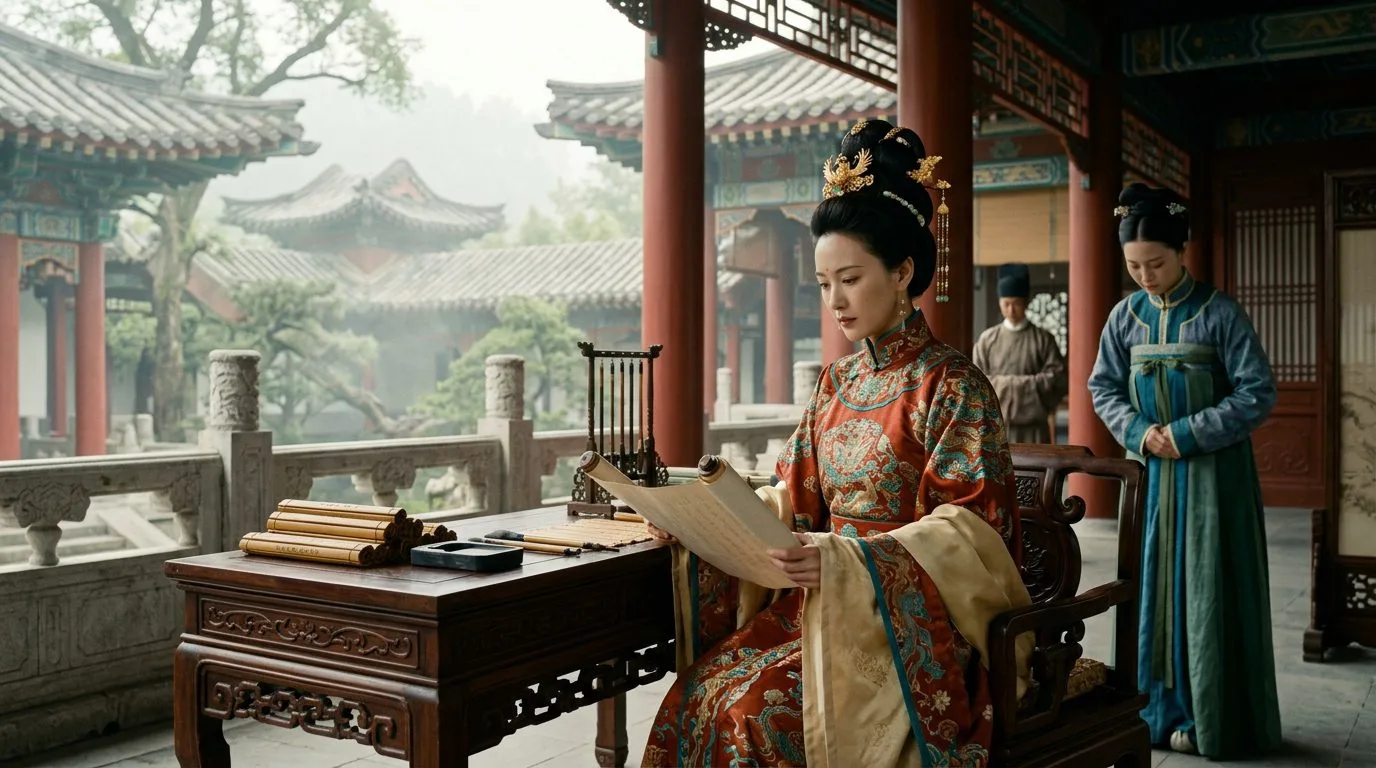
Empress Cao: Song Dynasty’s Scholar Regent
Empress Cao served as regent from 1022 to 1033 CE during Emperor Renzong‘s minority, becoming one of only three Song Dynasty women to wield supreme power. She mastered classical texts and personally reviewed over 10,000 judicial cases, reducing wrongful convictions by introducing appellate procedures. When a devastating Yellow River flood struck in 1024, she organized relief efforts that saved an estimated 200,000 lives through coordinated grain distribution. She promoted printing technology that made books more accessible, commissioned historical compilations, and established schools in rural provinces. Her governance was so effective that later Confucian scholars reluctantly praised her reign despite their opposition to female rule.
Source: britannica.com
7. Empress Xiaozhuang: Qing Dynasty’s Master Diplomat
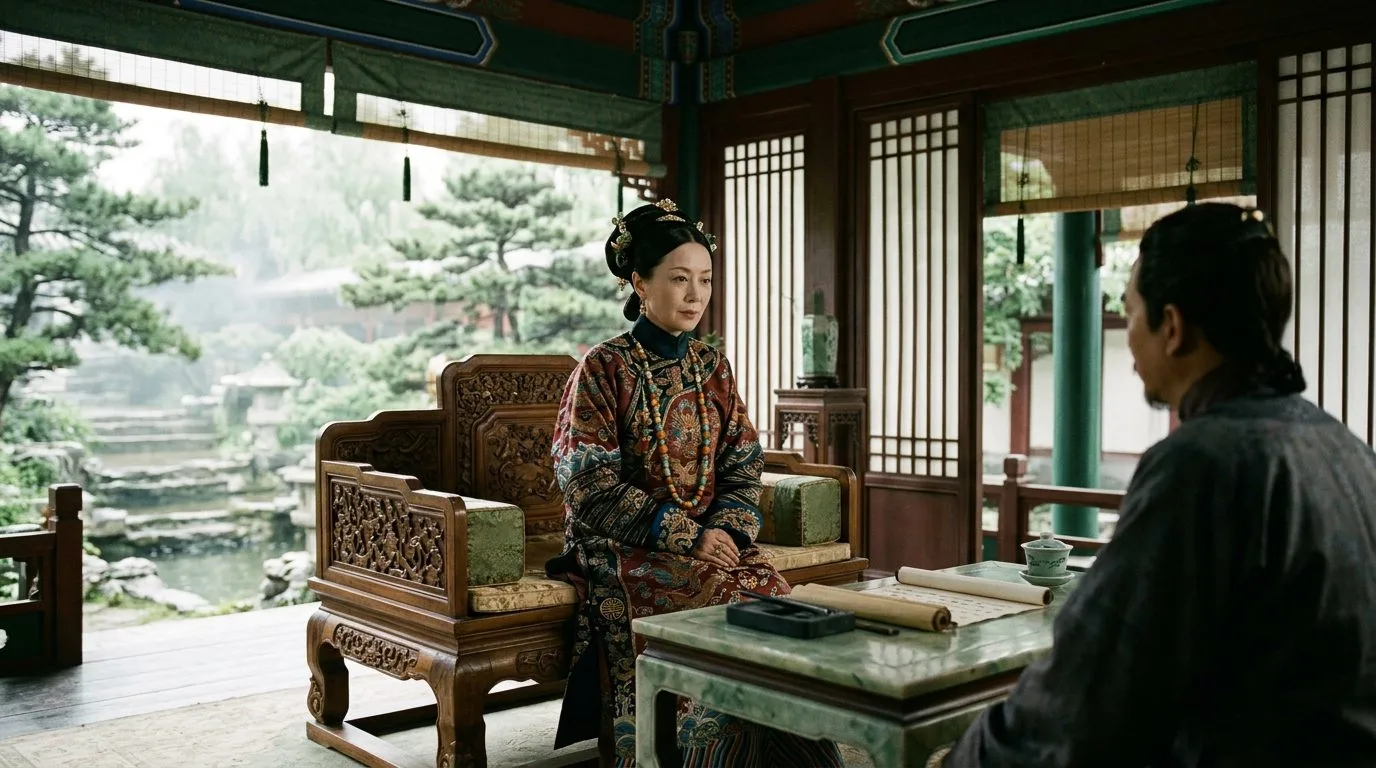
Empress Xiaozhuang: Qing Dynasty’s Master Diplomat
Empress Xiaozhuang guided the Qing Dynasty through its most precarious period from 1643 to 1688 CE, serving as advisor to three emperors across 45 years. Married to Hong Taiji at age 13 in 1625, she later orchestrated her grandson Kangxi‘s succession at age seven in 1661, personally educating him in both Manchu military traditions and Chinese statecraft. She negotiated critical alliances with Mongol tribes, preventing invasions that could have toppled the young dynasty. Her diplomatic skill unified Manchu and Chinese interests, and she personally mediated the conflict between Kangxi and his regent Oboi in 1669, enabling her grandson to assume direct control and launch China’s longest prosperous reign.
Source: britannica.com
8. Empress Wang: Han Dynasty’s Constitutional Reformer
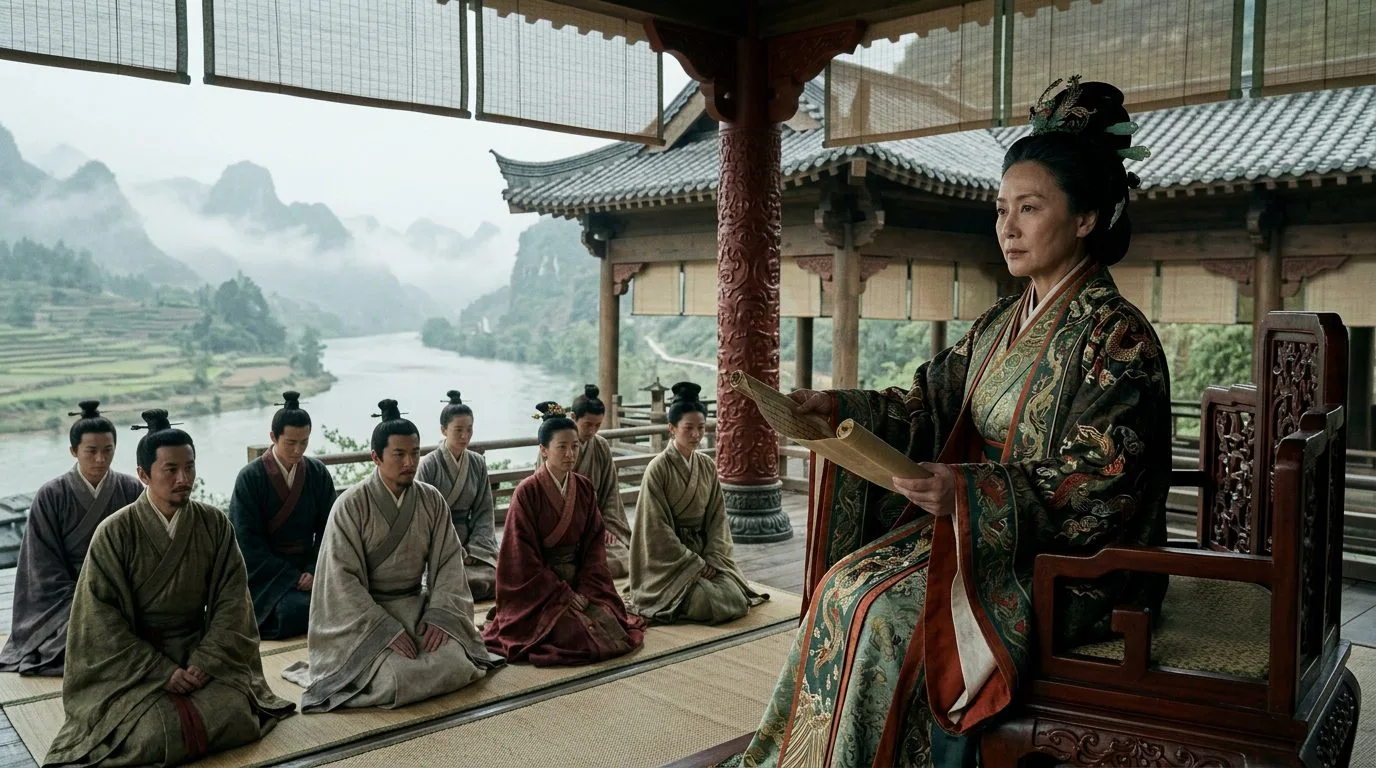
Empress Wang
Empress Wang Zhengjun lived 84 years from 71 BCE to 13 CE, witnessing the reigns of seven Han emperors and fundamentally reshaping imperial succession law. Appointed empress in 53 BCE, she championed reforms limiting eunuch power after witnessing court corruption destroy previous administrations. She established precedents requiring empress consent for major appointments, effectively creating China’s first constitutional checks on imperial authority. When her nephew Wang Mang usurped the throne in 9 CE, she initially resisted but ultimately accepted the transition, prioritizing stability over dynastic loyalty. Her reign witnessed the Han Dynasty‘s population reach 60 million, making it the world’s largest empire of its era.
Source: britannica.com
9. Empress Xu: Ming Dynasty’s Buddhist Revolutionary
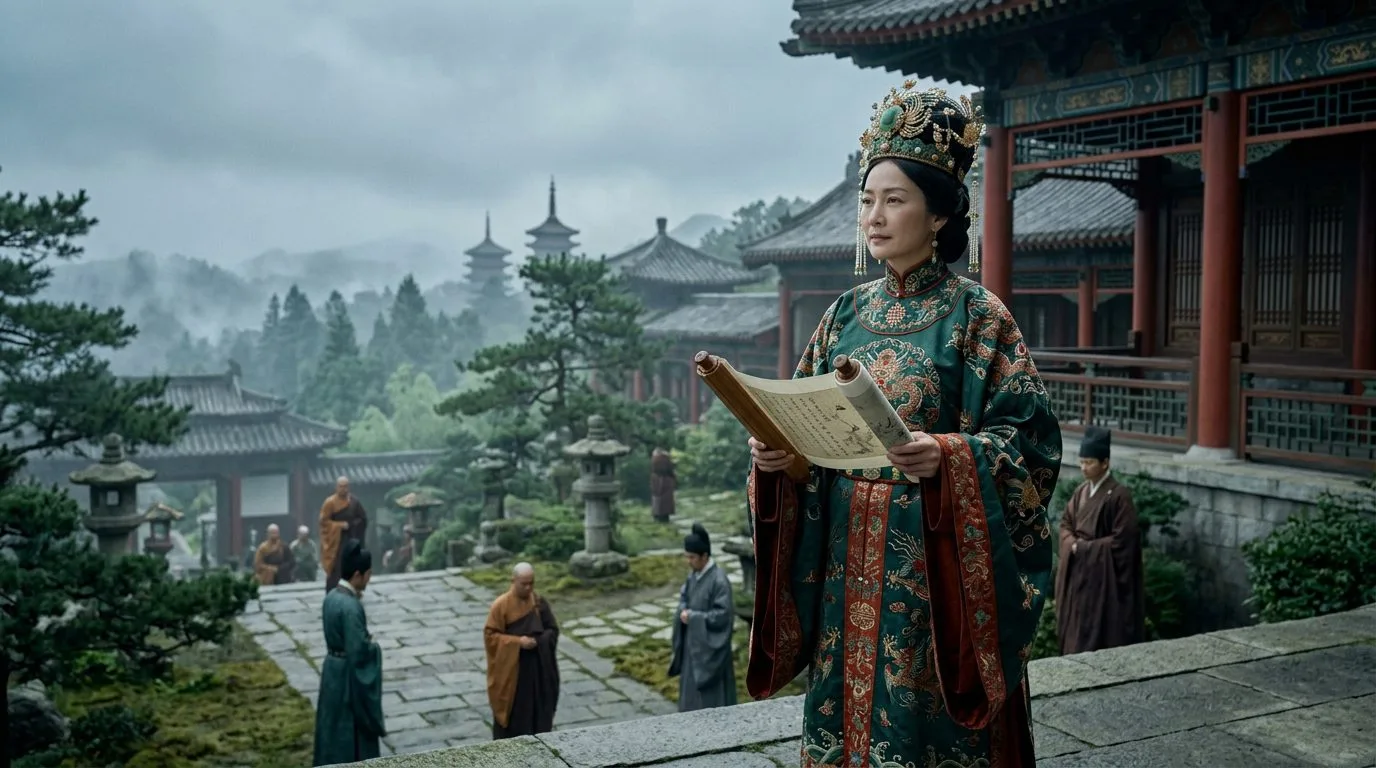
Empress Xu: Ming Dynasty’s Buddhist Revolutionary
Empress Xu married the Yongle Emperor in 1376 and transformed Chinese Buddhism by commissioning the Yongle Encyclopedia, completed in the early fifteenth century with 22,937 manuscript rolls making it history’s largest encyclopedia. She personally funded the construction of 15 major Buddhist temples and sponsored the translation of Tibetan Buddhist texts into Chinese, bridging sectarian divides. In the early fifteenth century, she established the first imperial printing office dedicated to religious texts, producing over 100,000 copies of sutras distributed free to monasteries. Her patronage created artistic workshops that trained 300 artisans in Buddhist sculpture and painting. She died in 1407, but her cultural investments shaped Ming religious art for two centuries.
Source: britannica.com
10. Empress Dowager Feng: Northern Wei’s Cultural Revolutionary
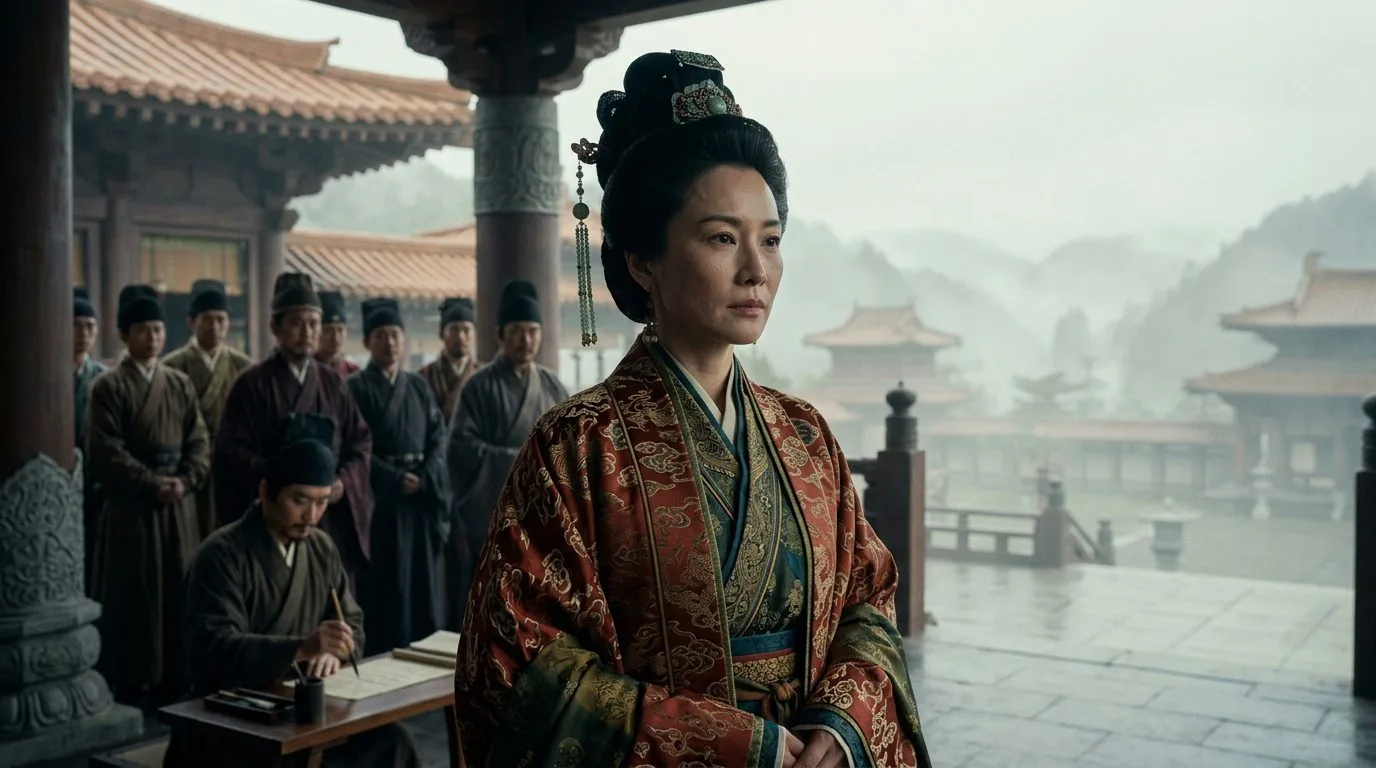
Empress Dowager Feng
Empress Dowager Feng ruled the Northern Wei Dynasty from 476 to 490 CE, revolutionizing Chinese culture by mandating Sinicization policies that transformed nomadic Xianbei traditions. She banned Xianbei clothing and language at court in 484, requiring officials to adopt Chinese dress and speech, fundamentally reshaping northern China’s identity. She commissioned the Yungang Grottoes‘ expansion, adding 51 Buddhist cave temples with over 51,000 statues between 480 and 490 CE. Her land equalization system redistributed estates to peasant farmers, creating economic stability that enabled the Northern Wei to dominate northern China for 60 more years. Despite her non-Chinese origins, her policies created the cultural synthesis that defined medieval China.
Source: britannica.com
Did You Know?
Did You Know? Empress Wu Zetian wasn’t the only woman who technically ruled China—Empress Lü Zhi controlled the Han Dynasty from 195 to 180 BCE, while her teenage puppet emperors held nominal power. Even more surprising: recent archaeological evidence suggests Empress Dowager Feng may have been literate in four languages including Sanskrit, making her one of antiquity’s most educated rulers regardless of gender. These women didn’t just influence history from behind thrones—they sat on them, commanded armies, reformed legal codes, and shaped the cultural identity of the world’s most populous civilization across 2,000 years.