
Long before Cleopatra, Egypt and Mesopotamia were ruled by queens who commanded armies, authored poetry, and built monuments that still stand today. These women weren’t consorts—they were pharaohs, high priestesses, and dynasty founders who changed history.
1. Hatshepsut – Egypt’s Female Pharaoh Who Ruled for Two Decades
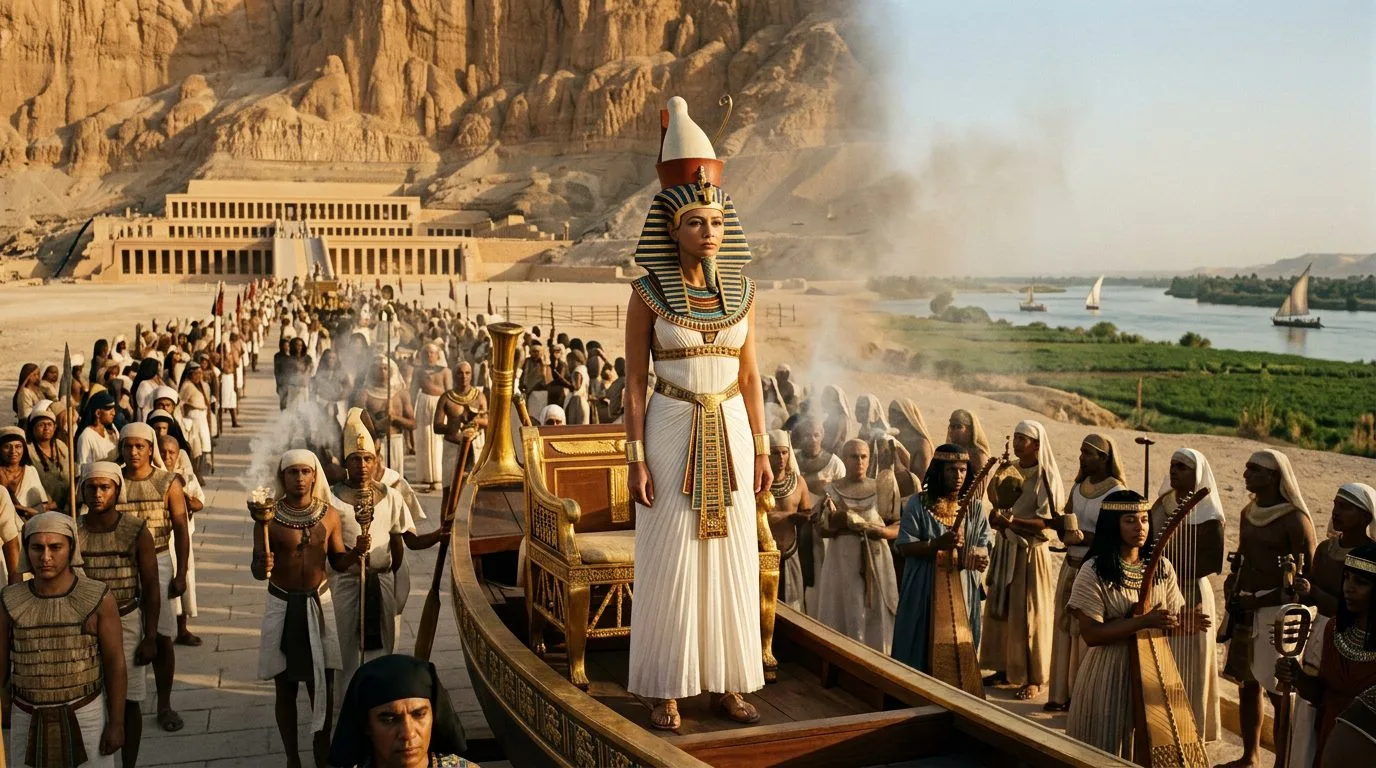
Hatshepsut
Hatshepsut declared herself pharaoh around 1473 BCE and ruled Egypt for 22 years, one of the longest reigns of any woman in ancient times. Born the daughter of Thutmose I, she initially served as regent for her young stepson but soon donned the false beard and royal regalia of a male king. Her reign brought unprecedented prosperity through trade expeditions to Punt that returned with myrrh trees, gold, and exotic animals. She commissioned over 200 building projects including the magnificent mortuary temple at Deir el-Bahari, which still stands as one of ancient Egypt’s architectural masterpieces. After her death around 1458 BCE, someone—possibly her successor Thutmose III—systematically erased her images and cartouches from monuments, attempting to remove her from history entirely.
Source: britannica.com
2. Enheduanna – World’s First Named Author and Akkadian Princess
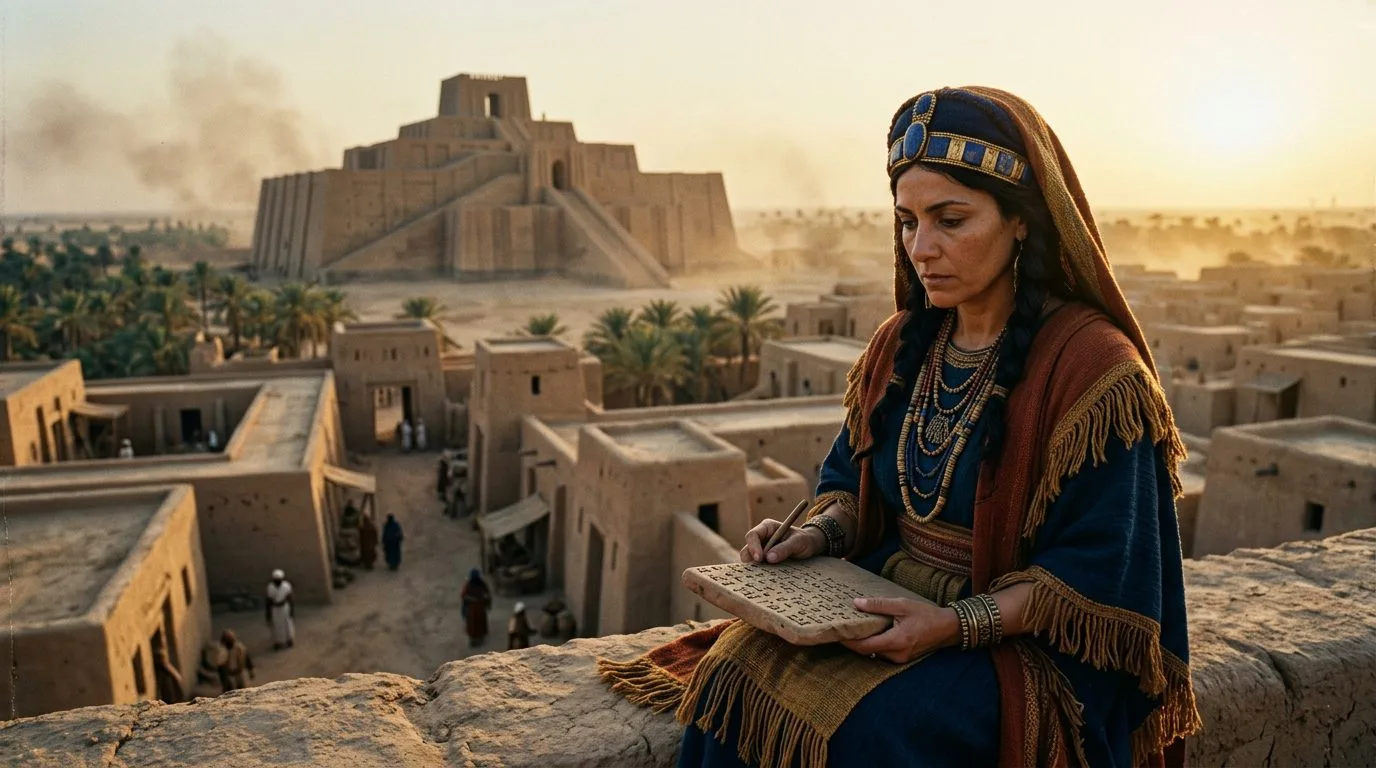
Enheduanna
Enheduanna became high priestess of the moon god Nanna at Ur around 2285 BCE, but her true legacy lies in the 42 temple hymns and three standalone poems she composed in cuneiform. As daughter of Sargon of Akkad, she wielded both religious and political power across southern Mesopotamia for over 40 years. Her most famous work, “The Exaltation of Inanna,” describes her banishment from Ur and subsequent restoration to power, making it simultaneously a religious text and personal autobiography. She didn’t just write prayers—she invented the literary form of first-person devotional poetry that would influence religious writing for millennia. Multiple copies of her hymns survived antiquity, proof that her works were studied and copied for 500 years after her death around 2250 BCE.
Source: britannica.com
3. Nefertiti – The Beautiful Queen Who May Have Ruled Egypt
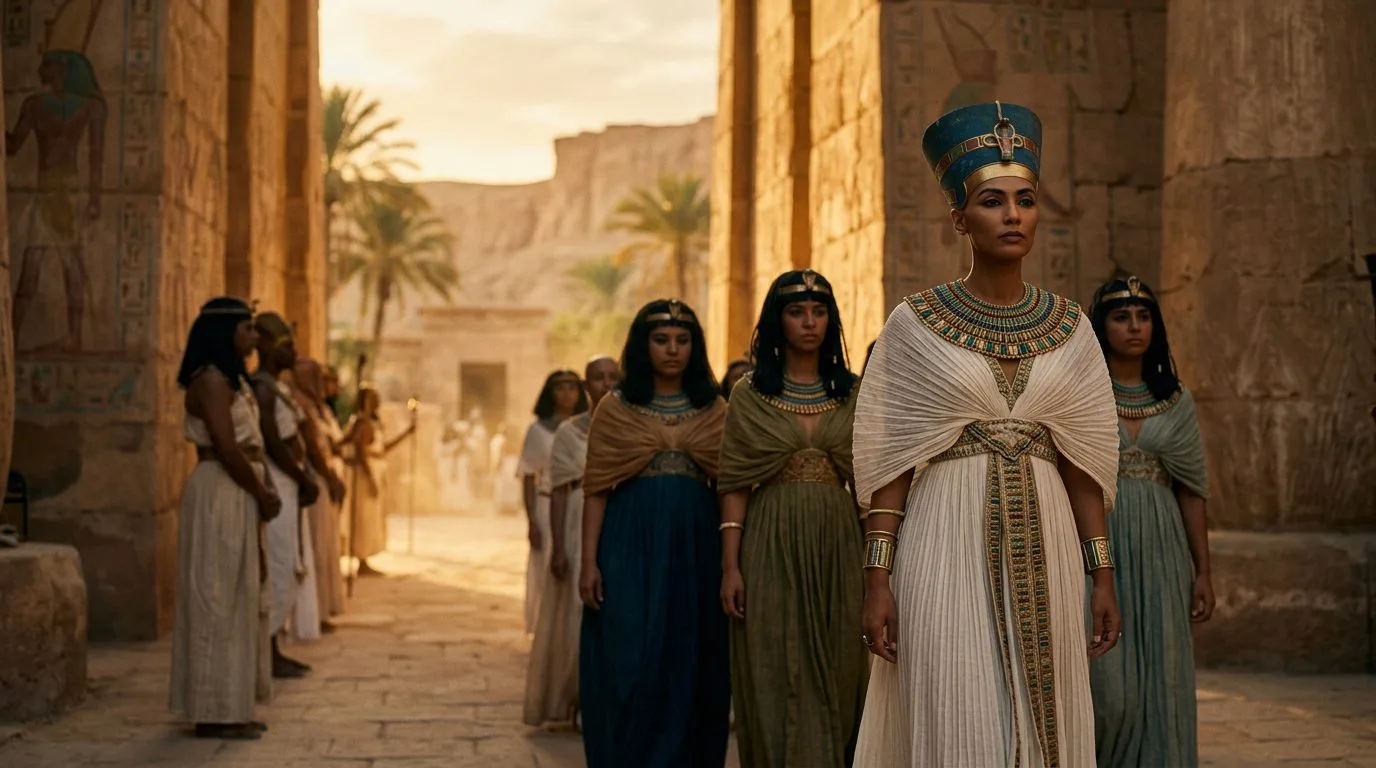
Nefertiti
Nefertiti‘s famous limestone bust, created around 1345 BCE, shows only half of her story—the other half involves possibly ruling Egypt as pharaoh under the name Neferneferuaten. As great royal wife to Akhenaten, she appears in temple reliefs performing rituals traditionally reserved for kings, including smiting Egypt’s enemies with a mace. She bore six daughters during the reign of Akhenaten and co-ruled during the radical Amarna period when Egypt abandoned its traditional gods for monotheistic sun worship. Around year 12 of Akhenaten’s reign, Nefertiti vanishes from official records, leading some scholars to believe she either died or assumed pharaonic power under a new name. Her eldest daughter Meritaten appears prominently in later records, suggesting a powerful female succession during these tumultuous years.
Source: britannica.com
4. Puabi – Sumerian Queen Buried with Extraordinary Treasures
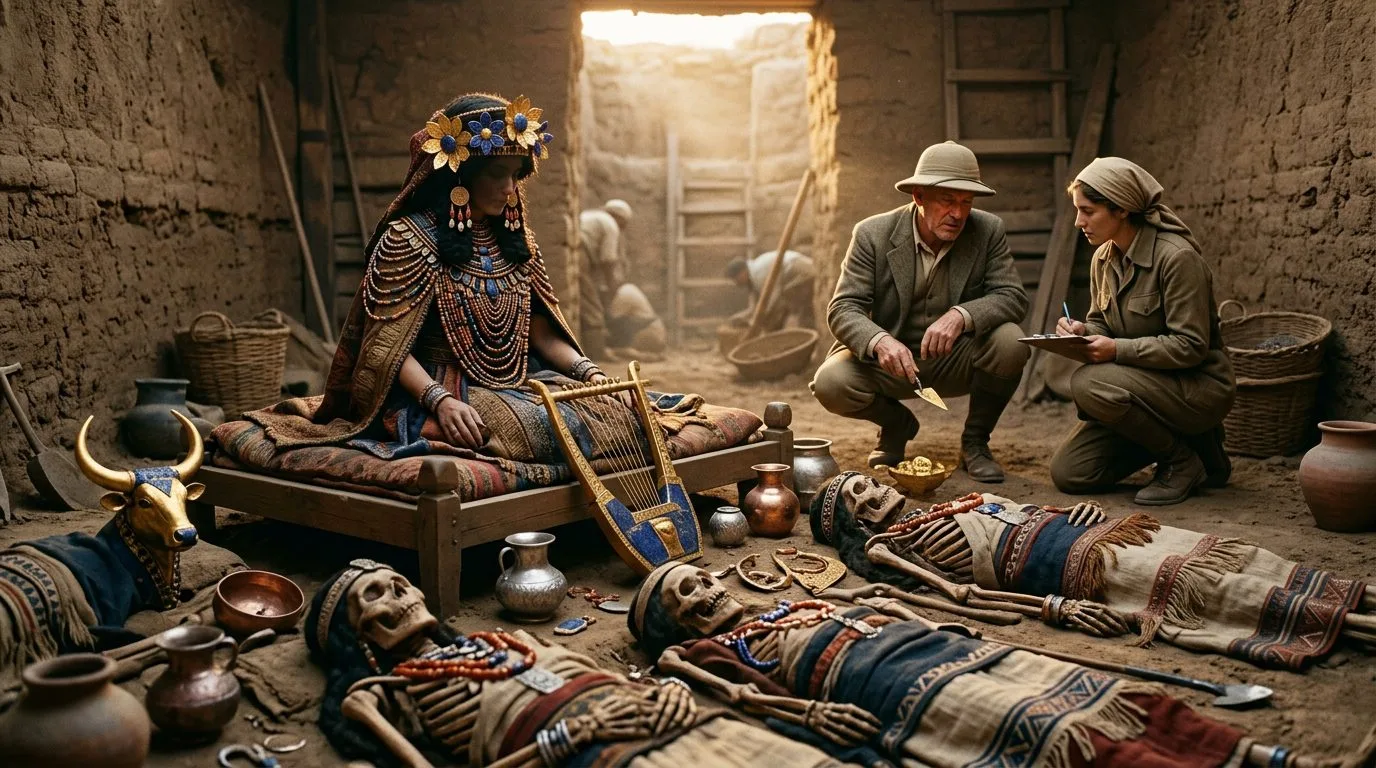
Puabi
When archaeologist Leonard Woolley excavated the Royal Cemetery of Ur in the 1920s, he discovered Queen Puabi‘s tomb exactly as it was sealed around 2450 BCE, filled with treasures that redefined our understanding of Sumerian wealth. Her burial chamber contained a solid gold headdress weighing nearly 9 pounds, crafted from gold leaves, carnelian beads, and lapis lazuli imported from Afghanistan over 1,200 miles away. Sixty-three attendants were buried alongside her—soldiers, musicians, and handmaidens who apparently drank poison to accompany their queen into the afterlife. Unlike other royal tombs at Ur, Puabi’s remained unlooted, preserving her golden cup, cosmetic containers, and the famous “Ram in a Thicket” figurine. Her cylinder seal identifies her explicitly as “nin” or queen, unusual because most Sumerian rulers were identified through their husbands.
Source: britannica.com
5. Tiye – The Commoner Who Became Egypt’s Most Powerful Queen Mother
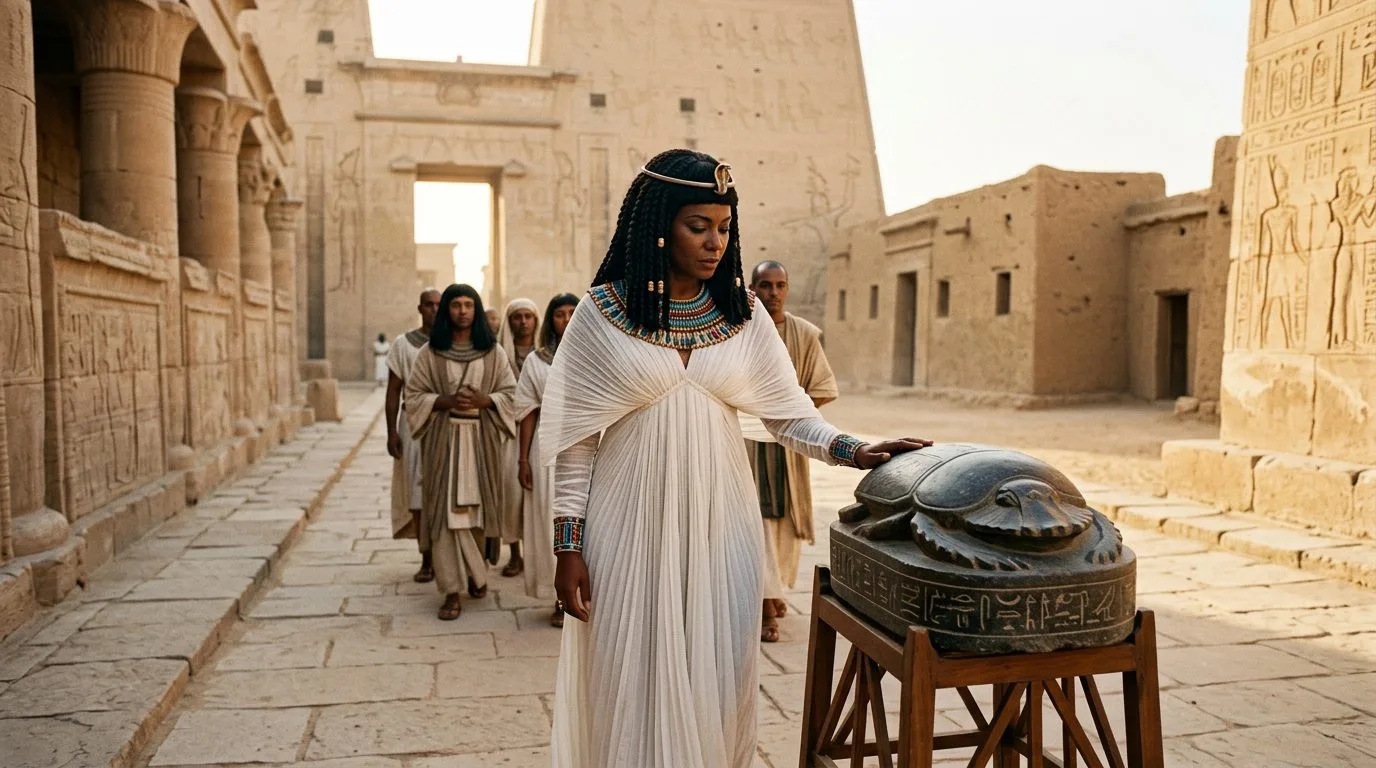
Tiye
Tiye married Amenhotep III around 1390 BCE despite lacking royal blood, and her husband honored her by issuing commemorative scarabs announcing their marriage—an unprecedented gesture for a non-royal bride. Her parents Yuya and Thuya held important positions but weren’t royalty, making her rise to power remarkable in a society obsessed with bloodlines. She bore at least seven children including the future Akhenaten and appeared on official monuments standing equal in size to her husband, signaling her unusual political authority. After Amenhotep III’s death around 1353 BCE, she served as advisor to her son during his revolutionary religious reforms, with diplomatic correspondence from foreign kings addressing her directly. Her famous portrait head, carved from yew wood with silver and gold inlays, shows her wearing a Nubian-style wig that emphasized her possible southern heritage.
Source: britannica.com
6. Sammuramat (Semiramis) – Assyrian Queen Regent Who Commanded Armies
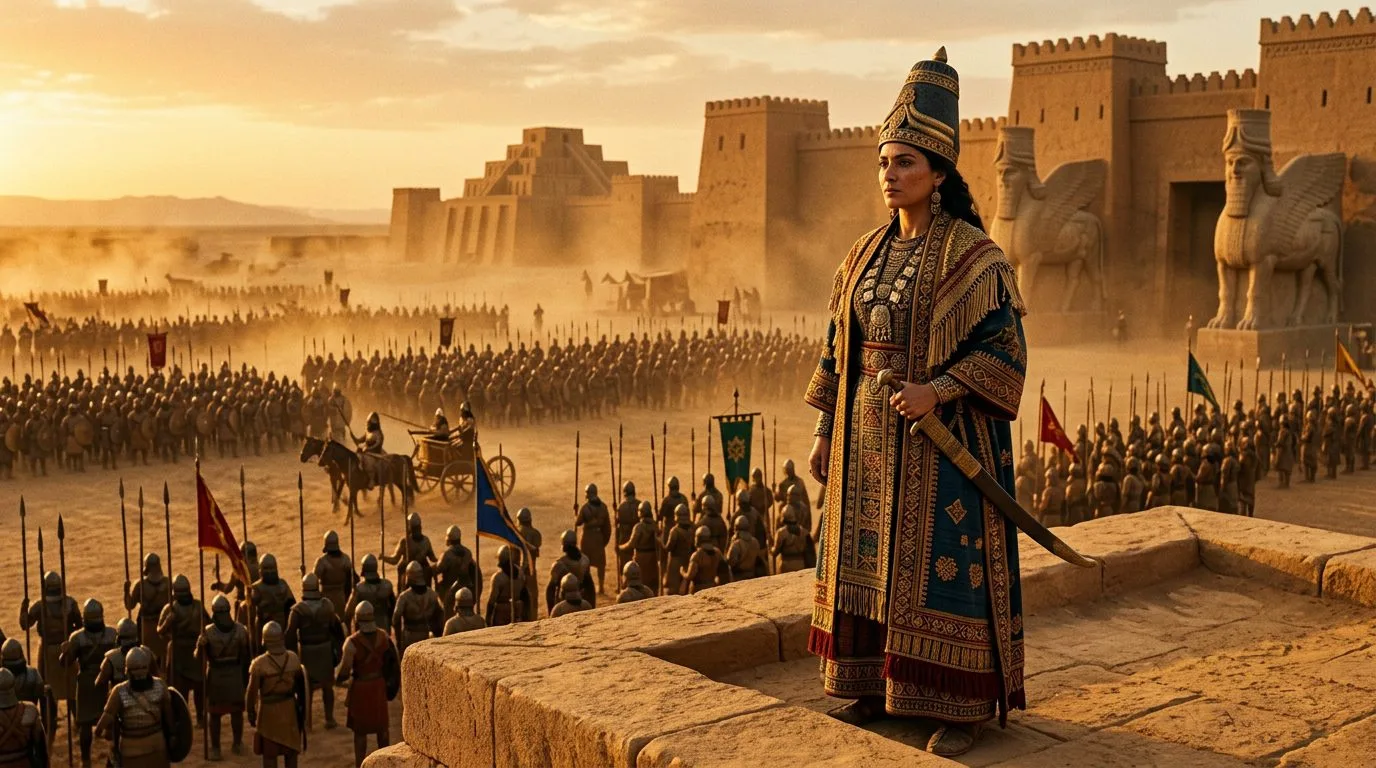
Sammuramat (Semiramis)
Sammuramat ruled the Neo-Assyrian Empire as regent from 811 to 808 BCE after her husband Shamshi-Adad V died, making her one of the few women to command the ancient world’s most powerful military force. A boundary stone from her reign proves she led at least one military campaign, unusual recognition for a queen in Assyrian records that typically ignored royal women. She appears in the dedication of a stele at Ashur, listed alongside her son Adad-nirari III as joint ruler—extraordinary for a culture where queens remained politically invisible. Later Greek historians transformed her into the legendary Semiramis, crediting her with building Babylon’s Hanging Gardens and conquering territories from Egypt to India. While these legends exaggerated her achievements, they were rooted in genuine historical memory of a queen who commanded armies and shaped imperial policy during her regency.
Source: britannica.com
7. Sobekneferu – Egypt’s First Confirmed Female Pharaoh
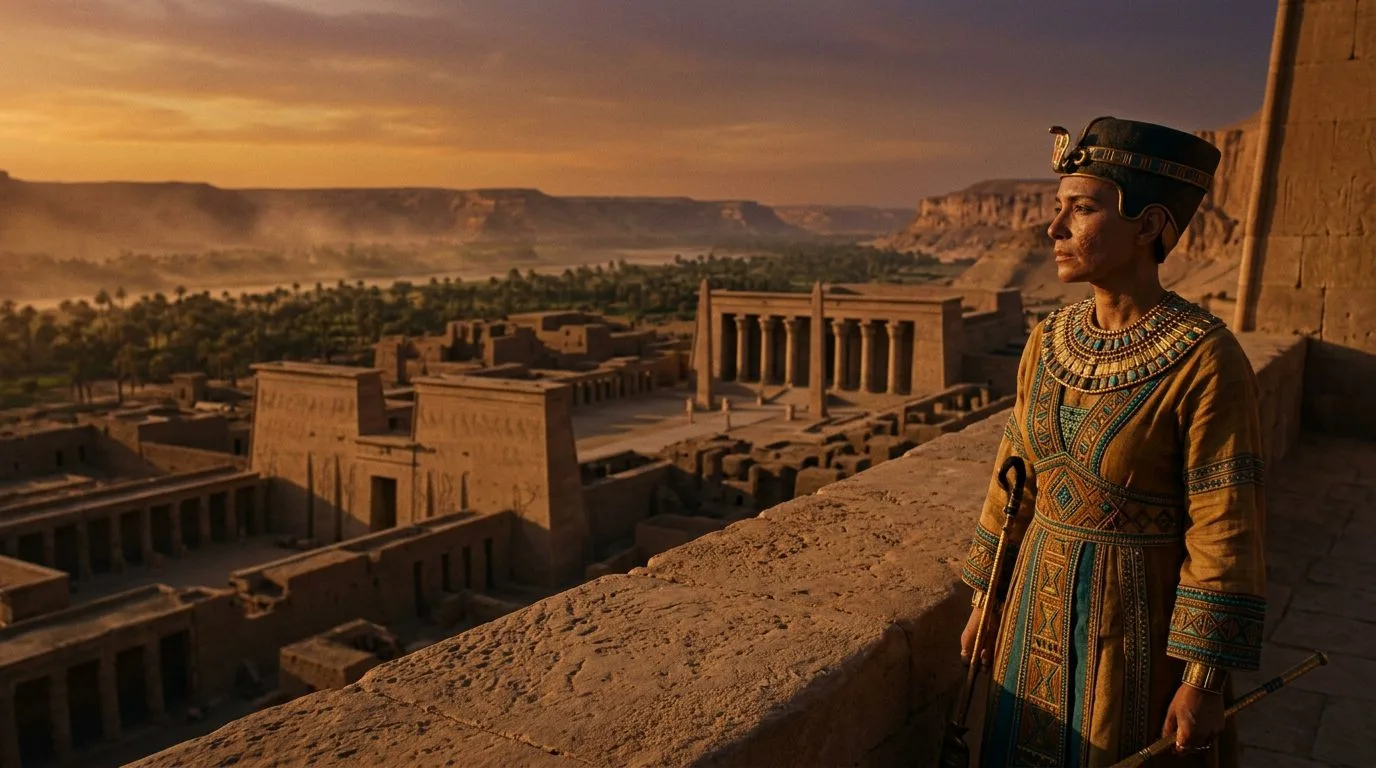
Sobekneferu
Sobekneferu ascended Egypt’s throne around 1806 BCE as the last ruler of the Twelfth Dynasty, becoming the first woman whose pharaonic status is confirmed by contemporary evidence. She ruled for approximately 4 years after her brother Amenemhat IV died without a male heir, legitimizing her claim through her father Amenemhat III‘s bloodline. Her name means “the beauty of Sobek,” and she appears in king lists with full pharaonic titulary including both male and female grammatical forms. Three statues from her reign survive, showing her wearing the traditional nemes headdress and royal kilt while retaining a female body, creating a deliberate visual statement about female kingship. She likely died around 1802 BCE without producing an heir, ending the Middle Kingdom’s greatest dynasty and plunging Egypt into the chaos of the Second Intermediate Period.
Source: britannica.com
8. Kubaba – The Tavern Keeper Who Founded a Mesopotamian Dynasty
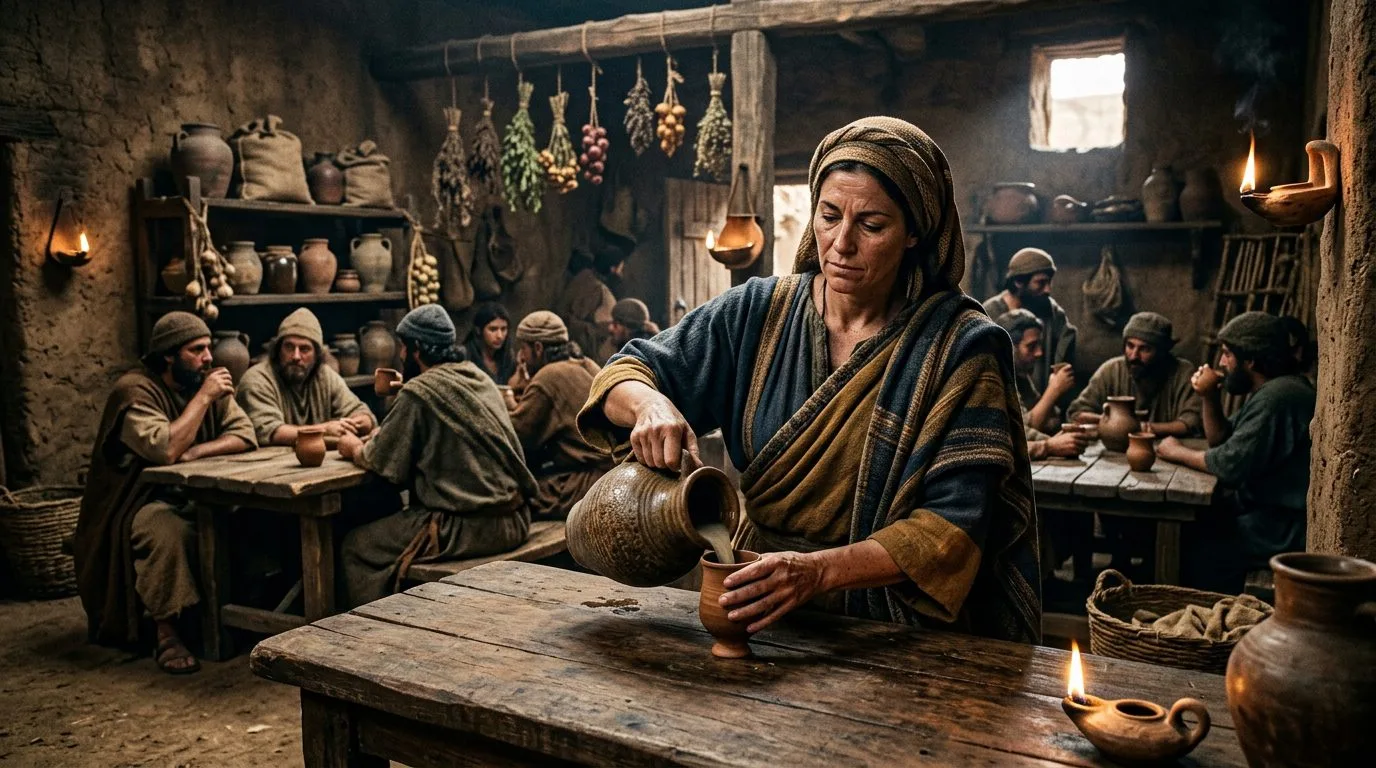
Kubaba
The Sumerian King List records that Kubaba, originally a tavern keeper, became king of Kish around 2450 BCE and founded a dynasty that ruled for 100 years. She’s the only woman listed as a legitimate ruler in the King List, which spans thousands of years of Mesopotamian history and typically dismissed female rulers as illegitimate. Her occupation as tavern keeper wasn’t lowly—such establishments served as important commercial and social centers where business deals were negotiated and political alliances formed. Later Mesopotamian texts transformed her into the goddess Kubau, protector of kings and cities, suggesting her reign left a powerful cultural memory. She ruled for 100 years according to the King List, though this number is likely symbolic, representing a long and successful reign that established her descendants on the throne of Kish.
Source: britannica.com
9. Ahhotep I – Egyptian Warrior Queen Who Defended Her Kingdom
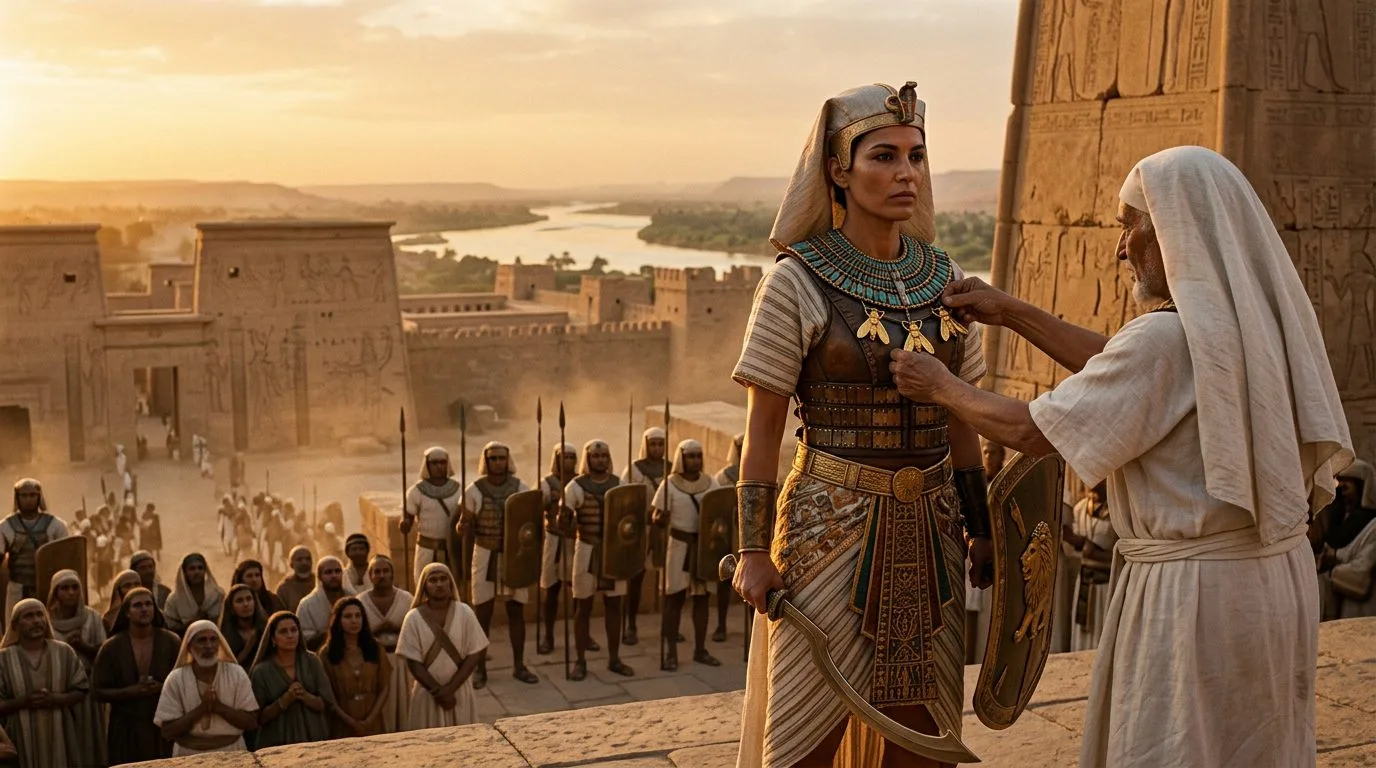
Ahhotep I
Ahhotep I received the “Golden Flies of Valor,” Egypt’s highest military honor, for personally defending Thebes against the Hyksos invaders around 1560 BCE while her son Ahmose was too young to rule. Her tomb, discovered in the 19th century, contained a ceremonial battle axe, daggers, and a necklace featuring three golden fly pendants—decorations given only to soldiers who showed exceptional bravery in combat. She served as regent for over 10 years during the crucial final phase of Egypt’s war of liberation, maintaining army morale and securing the southern border. A stele erected by her son Ahmose I credits her with “assembling fugitives” and “bringing back rebels,” suggesting she personally quashed internal uprisings. Her coffin bears 17 royal titles including “King’s Wife” and “King’s Mother,” but most significantly “Mistress of the Shores of Hau-nebut,” indicating she controlled foreign territories.
Source: britannica.com
10. Shub-ad – Royal Lady of Ur Whose Tomb Revealed Ancient Splendor
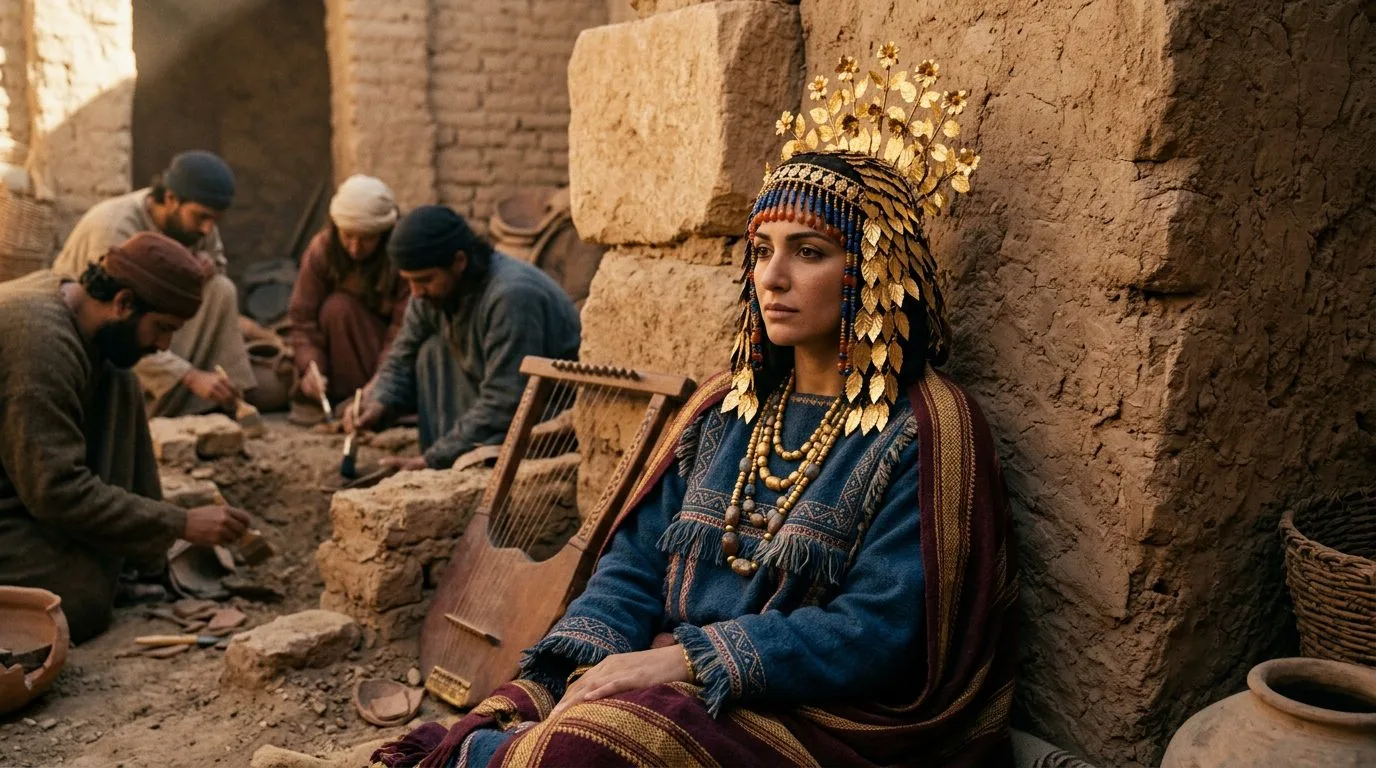
Shub-ad
Shub-ad’s tomb at Ur, excavated in the 1920s alongside Queen Puabi’s burial, contained her body adorned with a golden headdress featuring delicate beech and willow leaves crafted from hammered gold around 2600 BCE. Her cylinder seal identifies her as “Shub-ad, queen,” though some scholars debate whether she held independent power or was a consort to an unknown king. Unlike Puabi, Shub-ad was buried with 25 attendants rather than 63, suggesting a slightly lower status within Ur’s complex royal hierarchy. Her headdress alone contained over 9 feet of gold ribbon woven with carnelian and lapis beads in patterns that took modern jewelers months to understand and recreate. The simultaneous burial of multiple royal women at Ur between 2600 and 2450 BCE suggests a unique period when female royalty held unprecedented religious and political authority in Sumerian society.
Source: britannica.com
Did You Know?
Queen Puabi and Shub-ad were buried with attendants who drank poison willingly, yet no ancient text explains why dozens of people chose death to serve their queens in the afterlife. Even more surprising: Kubaba went from running a tavern to founding a century-long dynasty, proving that ancient Mesopotamia occasionally valued merit over birthright. These weren’t just powerful women—they were rulers whose authority commanded such devotion that their stories survived 4,000 years of attempts to erase them.