
When we think of Renaissance masters, names like Michelangelo and Leonardo dominate. But what about Sofonisba Anguissola, who painted King Philip II of Spain? At least 10 extraordinary women painted alongside the masters—yet their names were deliberately erased from history books.
1. Sofonisba Anguissola Became Court Painter to the King of Spain
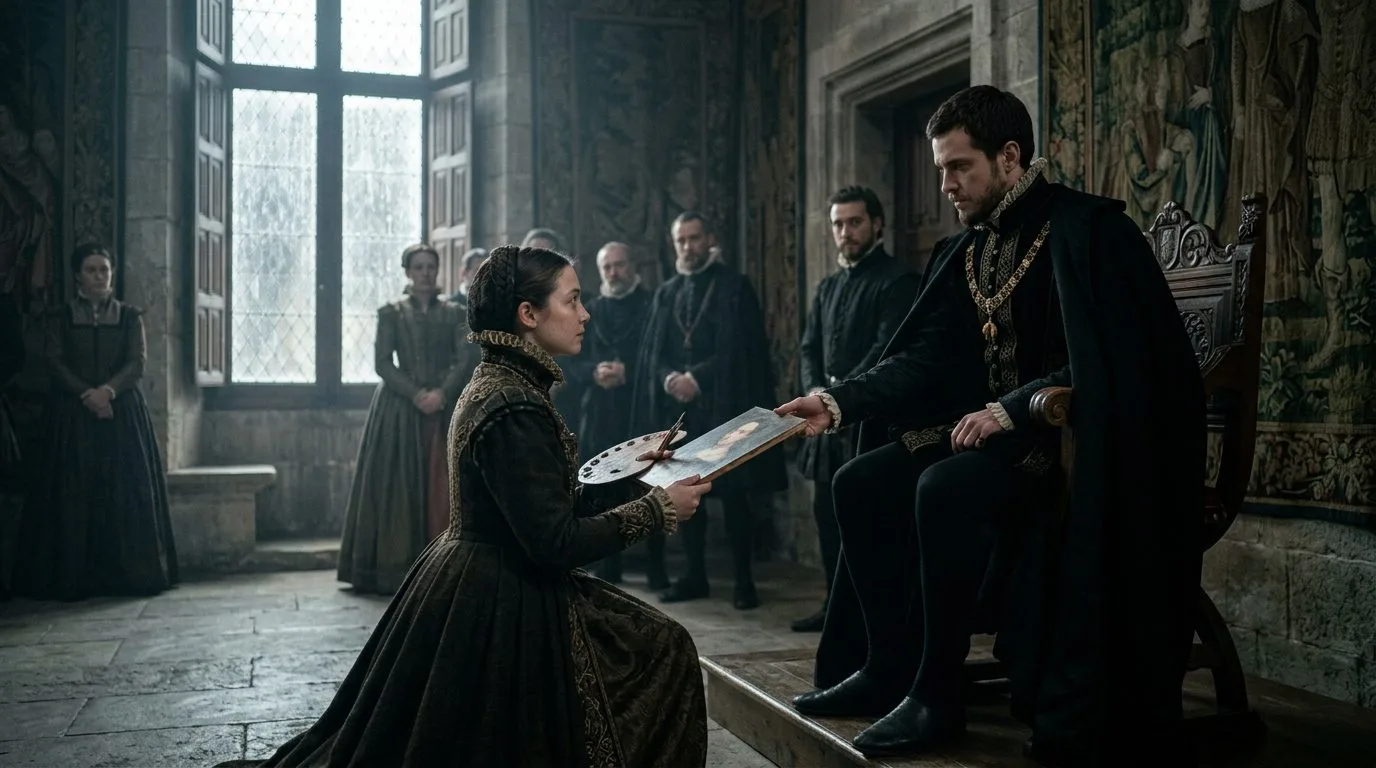
Sofonisba Anguissola served as court painter to
In 1559, Sofonisba Anguissola achieved what no woman before her had: she became official court painter to King Philip II of Spain. Born in Cremona around 1532, she mastered the art of portraiture so completely that Michelangelo himself requested to see her work. She painted over 50 self-portraits during her lifetime, documenting her rise from provincial Italian artist to the most celebrated female painter in Europe. Her influence was so profound that Anthony van Dyck made a special pilgrimage to Palermo in the early 17th century to meet the elderly master, sketching her portrait and recording their conversation. Unlike most women artists of her era, Anguissola achieved international fame during her lifetime, not posthumously.
Source: britannica.com
2. Artemisia Gentileschi Painted Herself as a Biblical Heroine Beheading Her Rapist
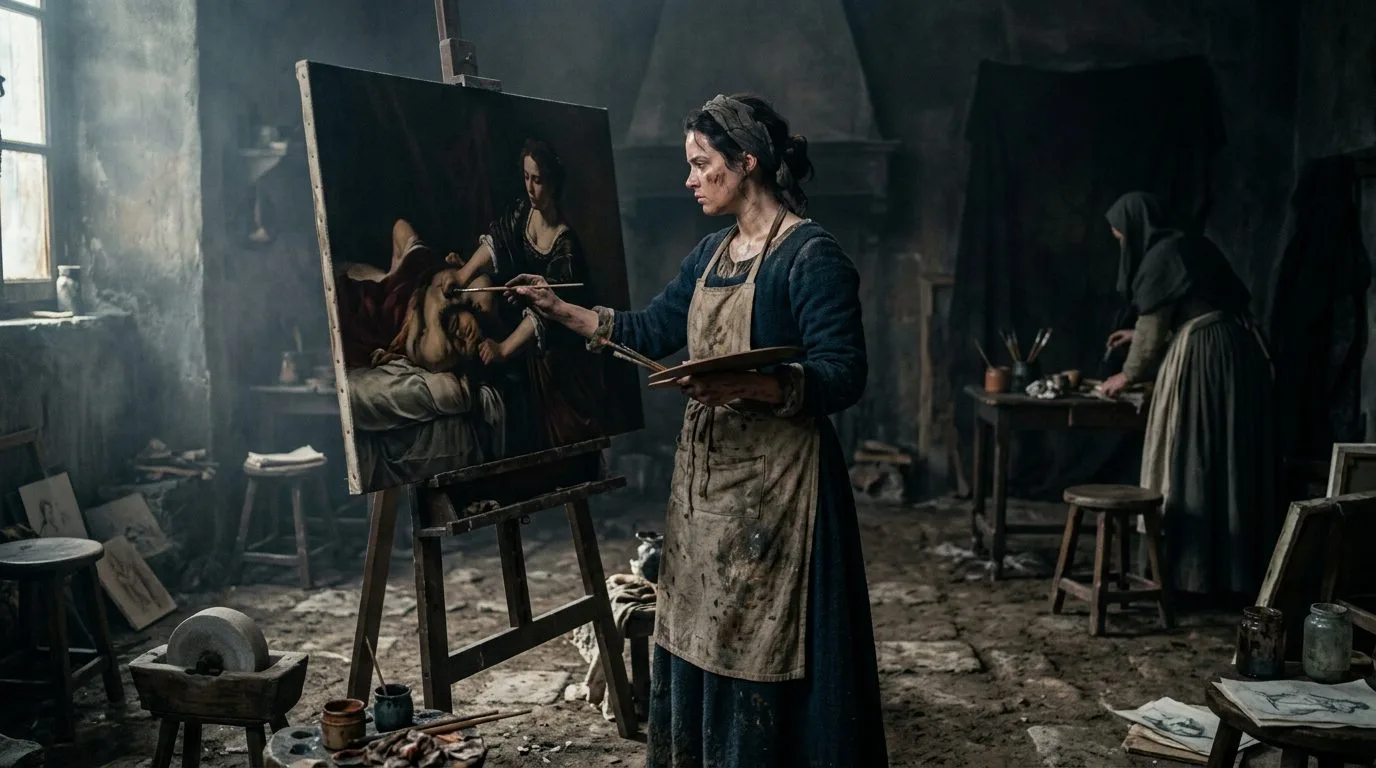
Artemisia’s defiant self-portrait as Judith.
Artemisia Gentileschi created the most visceral painting of the Renaissance in 1612: Judith Slaying Holofernes, depicting a woman decapitating a man with unflinching brutality. Born in Rome in 1593, she became the first woman accepted into Florence’s prestigious Accademia delle Arti del Disegno in 1616. After being raped by her tutor Agostino Tassi in 1611, she endured a humiliating seven-month trial where she was tortured with thumbscrews to verify her testimony. Her paintings of powerful women—Judith, Susanna, Cleopatra—became both artistic masterpieces and personal statements of female strength. She commanded fees equal to male artists and worked for the Medici family, King Charles I of England, and Philip IV of Spain.
Source: britannica.com
3. Lavinia Fontana Ran the First Woman-Owned Professional Art Workshop
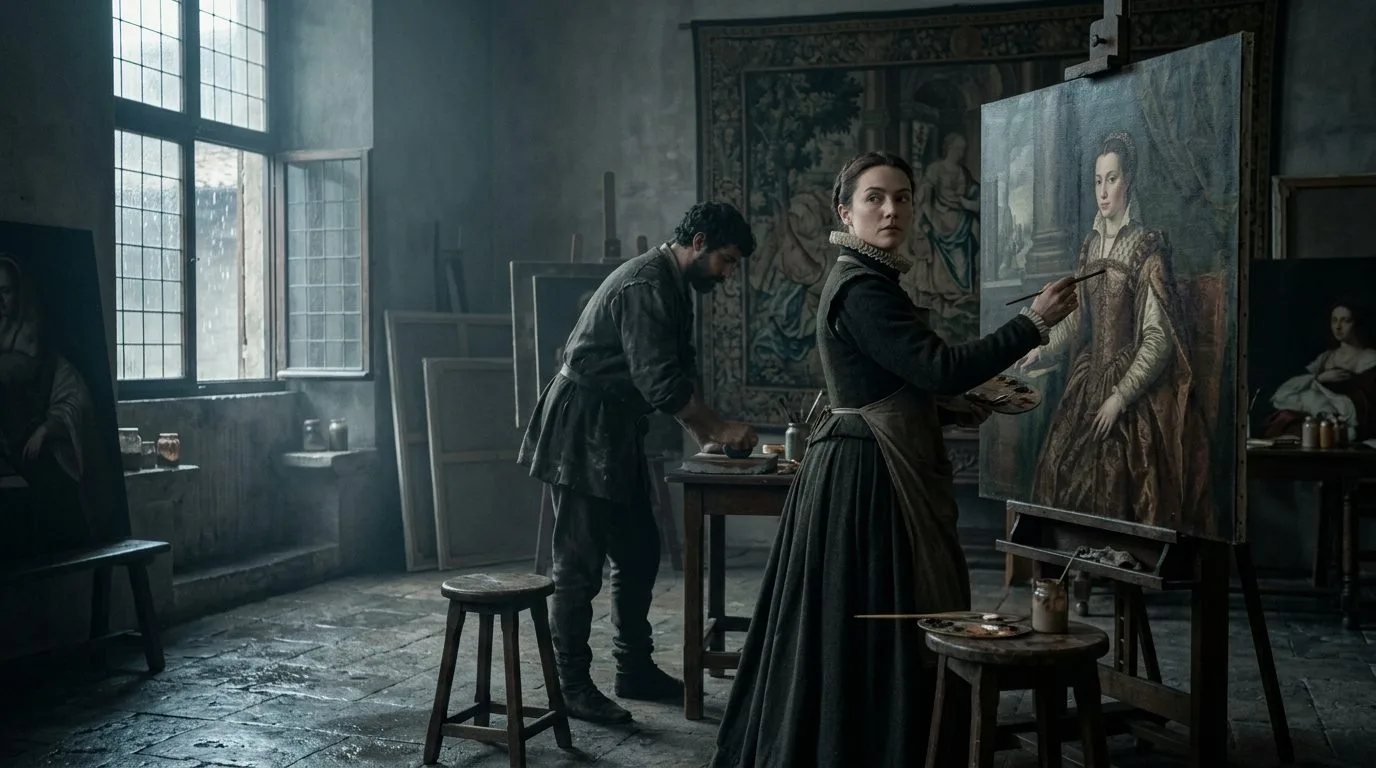
Lavinia Fontana’s studio in Bologna, Italy.
In 1577, Lavinia Fontana did something revolutionary: she married painter Gian Paolo Zappi on the condition that he become her studio assistant rather than vice versa. Born in Bologna in 1552, she became the first woman to operate an independent professional workshop, eventually supporting her husband and 11 children with her commissions. She painted over 135 documented works, including large-scale public altarpieces that were typically forbidden to women artists. In 1603, Pope Clement VIII invited her to Rome as official portraitist to the papal court, making her the first woman to paint nudes from life. Her painting Noli me tangere, completed in 1581, hangs in the Uffizi Gallery today.
Source: britannica.com
4. Properzia de’ Rossi Carved Biblical Scenes Into Peach Pits
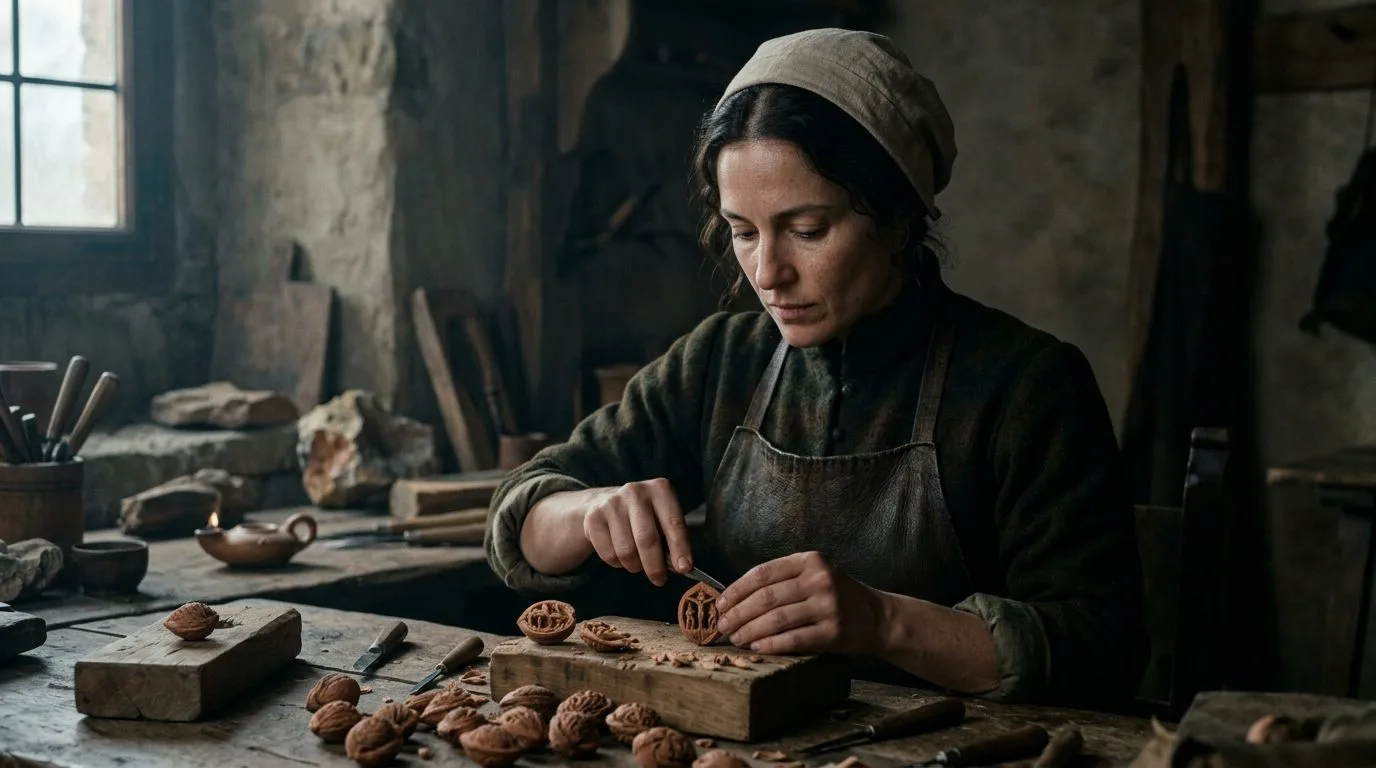
Properzia de’ Rossi Carved Biblical Scenes Into
Properzia de’ Rossi achieved the impossible: becoming a recognized sculptor in 16th-century Italy, a field so physically demanding that women were actively excluded. Born in Bologna around 1490, she first gained fame for her microscopic carvings on cherry and peach stones, creating entire biblical scenes on surfaces smaller than a thumbnail. In 1525, she received a major commission to create marble reliefs for the façade of San Petronio Basilica in Bologna—the first woman sculptor to receive such prestigious public work. Her masterpiece Joseph and Potiphar’s Wife demonstrates extraordinary skill in marble relief carving. Giorgio Vasari included her in his Lives of the Artists in the mid-16th century, though he dismissively attributed her talent to lovesickness rather than skill.
Source: britannica.com
5. Fede Galizia Pioneered Still Life Painting Before It Was Fashionable
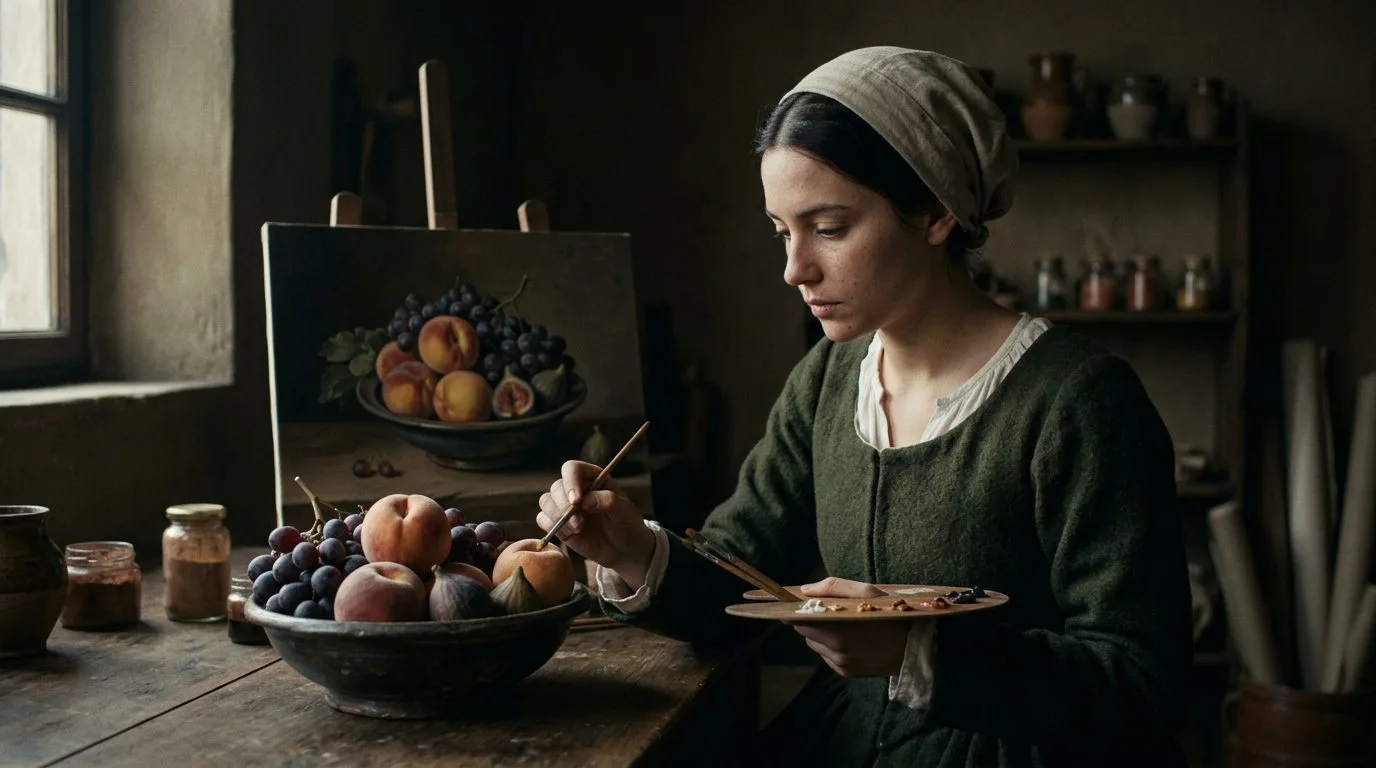
Fede Galizia’s revolutionary still lifes
Fede Galizia painted fruit so realistically that viewers reportedly tried to pluck peaches from her canvases. Born in Milan around 1578, she created some of the earliest independent still life paintings in European art history, predating the Dutch golden age masters by decades. Her early 17th-century painting Still Life with Peaches is considered one of the first pure still lifes in Western art—not a background detail, but the entire subject. She completed over 63 documented works before her death in 1630, specializing in portraits of religious figures and crystalline arrangements of fruit. By age 17, she was already receiving commissions from Emperor Rudolf II and the Spanish court.
Source: britannica.com
6. Plautilla Nelli Led a Convent of Artist Nuns in Florence
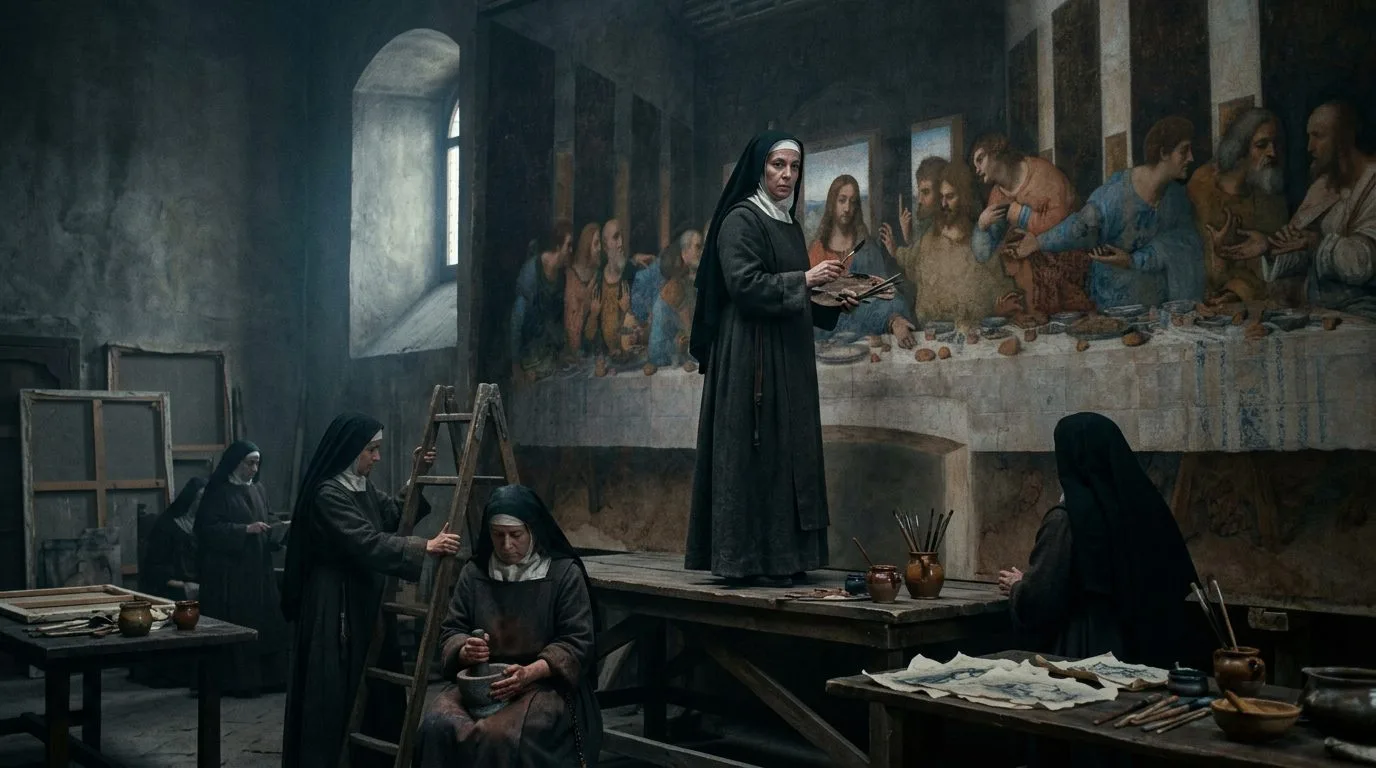
Renaissance nun artist directing her creative
Plautilla Nelli never received formal training, yet she created the largest painting by a woman in 16th-century Florence: a 23-foot-wide Last Supper completed around 1568. Born Pulisena Margherita Nelli in 1524, she entered the Dominican convent of Santa Caterina at age 14, where she taught herself to paint by studying prints and drawings. She became the first documented female artist in Florence, running an all-female workshop of nun-artists who supported their convent through painting sales. Her Last Supper, recently restored in recent centuries after decades of neglect, reveals a radical detail: she included women among Christ’s disciples. Giorgio Vasari praised her work in the mid-16th century, noting she would have achieved even greater things had she been allowed to study male anatomy.
Source: smithsonianmag.com
7. Catharina van Hemessen Created the First Self-Portrait at an Easel
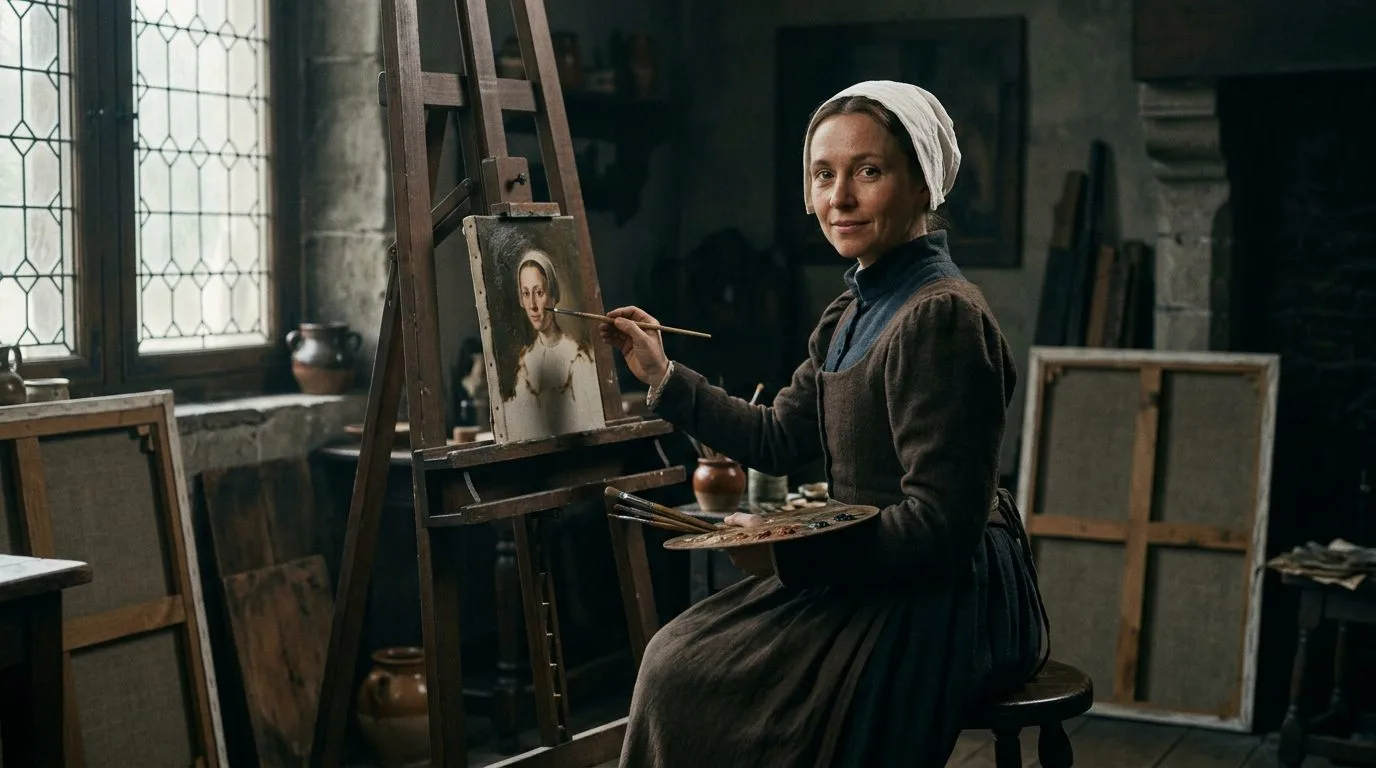
Catharina van Hemessen at her easel, 1548.
In 1548, Catharina van Hemessen painted herself at her easel, brush in hand, creating the first known self-portrait of an artist actively working. Born in Antwerp around 1528, she became one of the earliest Flemish women to sign her paintings with full name and date. Her mid-16th-century portrait of a young woman playing the virginal demonstrates remarkable skill in capturing intimate domestic moments—a revolutionary subject at the time. She served as court painter to Mary of Hungary, regent of the Netherlands, from 1556 until Mary’s death in 1558. At age 26, she married organist Chrétien de Morien, and the couple received a generous pension from Mary, allowing van Hemessen to paint independently.
Source: britannica.com
8. Levina Teerlinc Was Paid More Than Hans Holbein by the English Court
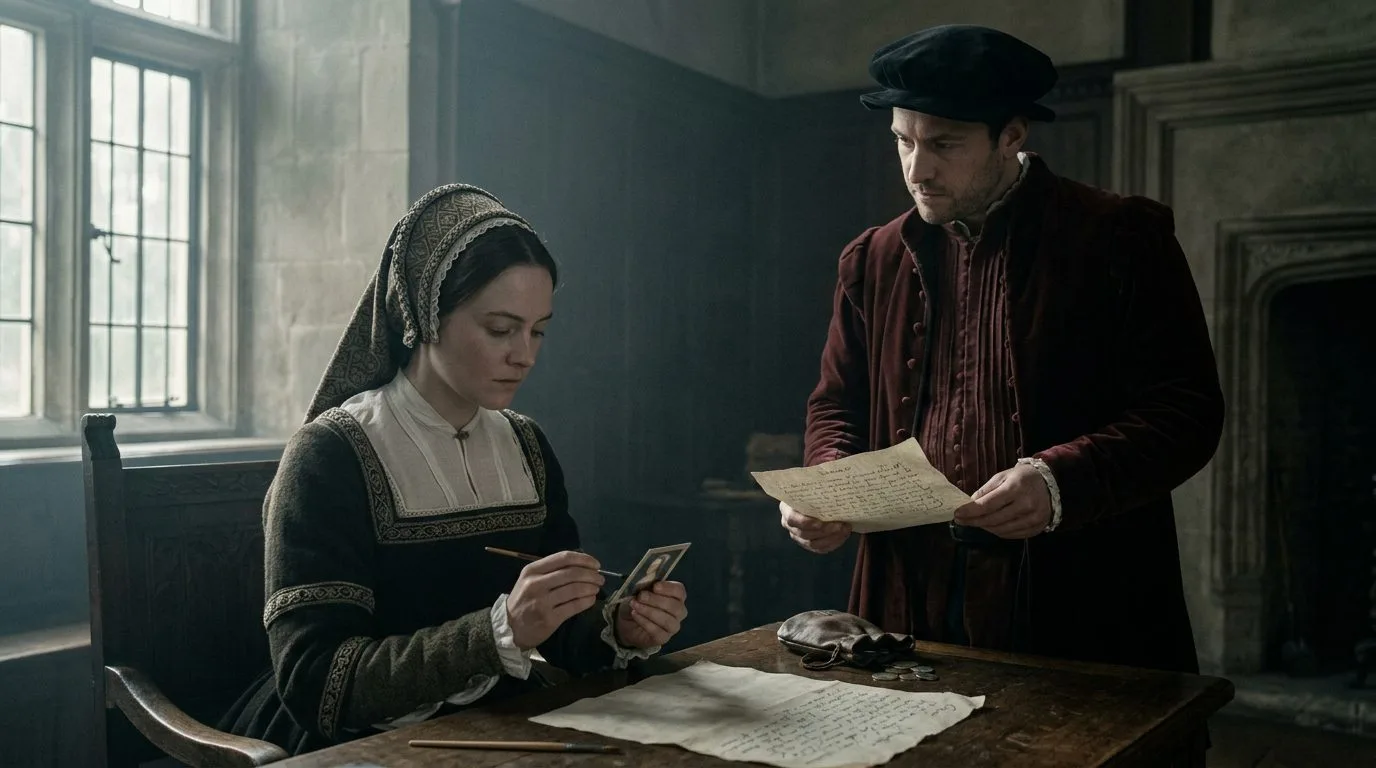
Portrait artist Levina Teerlinc at work.
Levina Teerlinc earned an annual salary of £40 from the English court starting in 1546—more than the famous Hans Holbein the Younger ever received. Born in Bruges around 1510, she specialized in miniature portraits and illuminated manuscripts, serving four English monarchs: Henry VIII, Edward VI, Mary I, and Elizabeth I. She created the elaborate New Year’s gift portraits that royalty exchanged, working for the court for over 40 years until her death in 1576. Despite completing hundreds of miniatures, only one can be definitively attributed to her today: a portrait of Elizabeth I from the mid-16th century. Her father, Simon Bening, was the most famous manuscript illuminator in Europe, but Levina surpassed even his court success.
Source: britannica.com
9. Marietta Robusti Dressed as a Boy to Study Art With Her Father Tintoretto
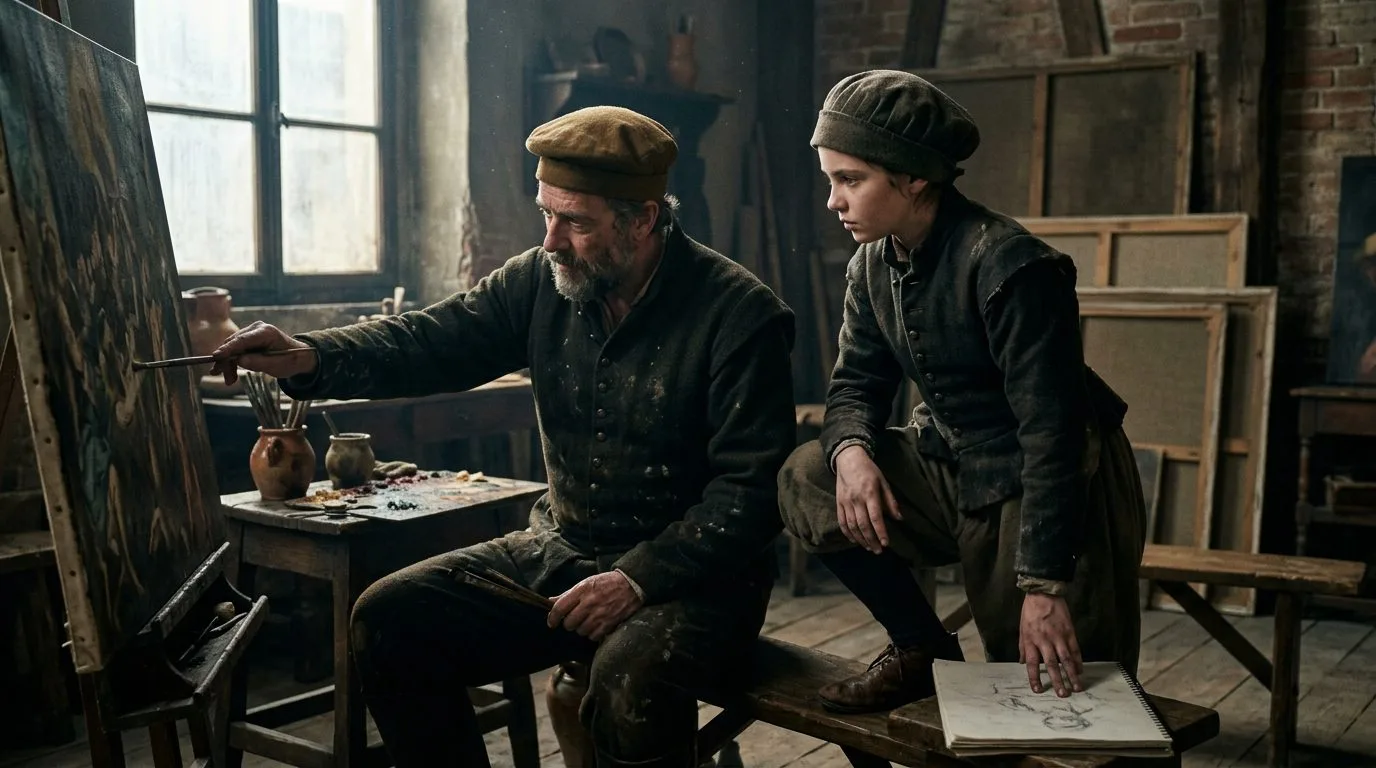
Young Marietta disguised as a boy in her father’s
Marietta Robusti was so talented that her father, the great Tintoretto, allegedly dressed her as a boy so she could accompany him to his commissions and learn without scandal. Born in Venice around 1560, she became such an accomplished portraitist that Emperor Maximilian II and King Philip II of Spain both requested her at their courts—requests Tintoretto refused because he couldn’t bear to part with his daughter. She specialized in portraits of Venetian nobility and created several self-portraits, though most are now lost. She joined Venice’s painters’ guild in her own right, an extraordinary achievement for a woman in the mid-16th century. Her premature death at age 30 in 1590 was mourned throughout Venice, with contemporaries claiming she had surpassed her famous father’s portrait skills.
Source: britannica.com
10. Diana Scultori Became the First Woman to Publish Prints Under Her Own Name
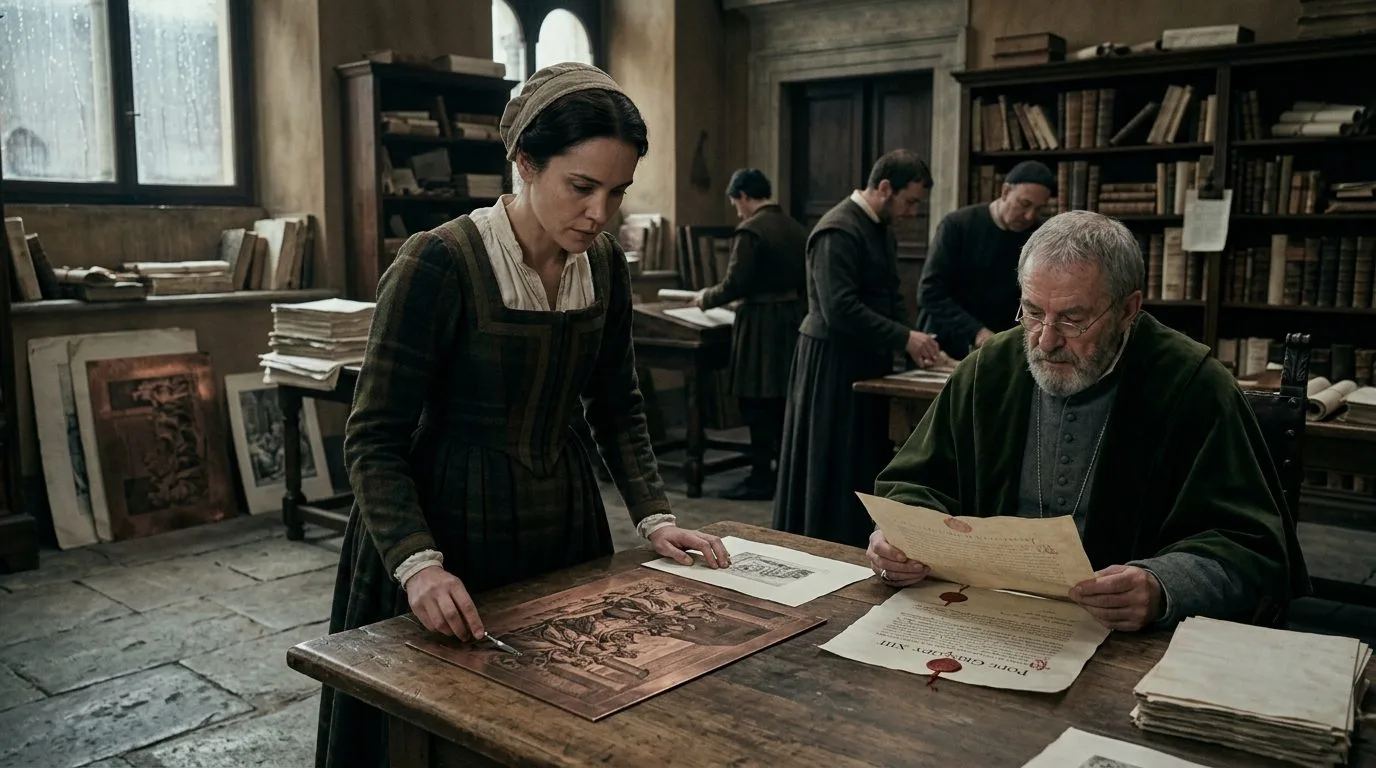
Diana Scultori made history as the first woman to
In 1575, Diana Scultori obtained a papal privilege from Pope Gregory XIII giving her exclusive rights to sign, publish, and sell her own engravings—the first woman in history to receive such authorization. Born in Mantua around 1547 into a family of sculptors, she mastered the demanding technique of engraving, reproducing works by Raphael, Giulio Romano, and others for wider distribution. She signed her prints ‘Diana Mantuana,’ boldly claiming her professional identity without reference to father or husband. Her late 16th-century engraving The Holy Family demonstrates exceptional technical skill in line work and tonal gradation. She managed her own printing workshop in Rome, selling directly to collectors and establishing a business model that wouldn’t become common for women until centuries later.
Source: britannica.com
Did You Know?
Did you know that Sofonisba Anguissola’s success was so threatening that later art historians attributed her paintings to male artists? For centuries, works by these 10 women were deliberately relabeled with men’s names or marked ‘anonymous’—not because their quality was questioned, but because acknowledging female genius contradicted the narrative that art was a masculine domain. The Renaissance wasn’t just shaped by men; it was fundamentally redefined by women who painted, sculpted, and engraved their way into history despite every institutional barrier designed to stop them.