
A Byzantine empress rewrote Roman law while another woman commanded armies against emperors. Medieval Europe wasn’t just ruled by kings—these ten brilliant women wielded power, created masterpieces, and challenged every assumption about their era.
1. Hildegard of Bingen – The Visionary Who Composed Heaven’s Music
Hildegard of Bingen
Hildegard of Bingen experienced her first divine vision at age three and spent the next 78 years transforming medieval thought. Born in 1098 in the Rhineland, she founded two monasteries, composed 77 sacred songs still performed today, and wrote treatises on medicine that prescribed remedies centuries ahead of their time. Her Scivias manuscript, completed in 1151, contained 26 prophetic visions rendered in brilliant illuminations. Pope Eugene III personally validated her visions in 1147, granting her authority to preach publicly—a privilege almost unknown for women. She diagnosed illnesses, challenged corrupt clergy in four preaching tours, and maintained correspondence with emperors and popes as an equal.
Source: britannica.com
2. Eleanor of Aquitaine – The Queen Who Ruled Two Kingdoms
Eleanor of Aquitaine
Eleanor inherited the Duchy of Aquitaine at age 15 in 1137, making her the wealthiest heiress in Europe, controlling lands larger than the French king’s own domain. She married King Louis VII of France, then scandalized Europe by divorcing him in 1152 and marrying Henry II of England eight weeks later. She bore eight children, personally led troops during the Second Crusade, and spent 16 years imprisoned by her own son after supporting a rebellion in 1173. Released at age 67, she ruled England as regent, negotiated her son Richard’s ransom of 150,000 marks, and at 80 crossed the Pyrenees to fetch a granddaughter for a Spanish marriage alliance. She died in 1204 having outlived all but two of her children.
Source: britannica.com
3. Christine de Pizan – Europe’s First Professional Woman Writer
Christine de Pizan
Widowed at 25 in 1389 with three children and a mother to support, Christine de Pizan picked up her pen and became Europe’s first woman to earn her living by writing. Born in Venice in 1364, she produced 41 works including poetry, political treatises, and military handbooks commissioned by French nobility. Her 1405 masterwork The Book of the City of Ladies defended women’s intellectual capacity against centuries of misogynist scholarship, citing 300 historical examples of female achievement. She personally supervised the creation of lavish illuminated manuscripts, selling them to dukes and queens for substantial fees. When civil war erupted in France, her poem celebrating Joan of Arc‘s victories—written in the early 15th century—was the last work she wrote before retiring to a convent.
Source: britannica.com
4. Matilda of Tuscany – The Warrior Countess Who Defied Emperors
Matilda of Tuscany
Matilda of Tuscany commanded armies across 40 years of warfare, personally leading cavalry charges while controlling territory stretching from Lombardy to Lazio. Born in 1046, she inherited vast domains at age nine and spent her life defending the papacy against Holy Roman Emperors. In 1077, Emperor Henry IV stood barefoot in snow for three days outside her castle at Canossa, begging Pope Gregory VII’s forgiveness while Matilda mediated. She donated her entire inheritance to the Church in 1102, sparking 200 years of legal disputes. Contemporary chronicles describe her riding armored into battle at age 43, rallying troops that numbered over 30,000 soldiers. She died in 1115, and in the early 17th century became the first woman entombed in St. Peter’s Basilica.
Source: britannica.com
5. Julian of Norwich – The Mystic Whose Visions Revealed Divine Love
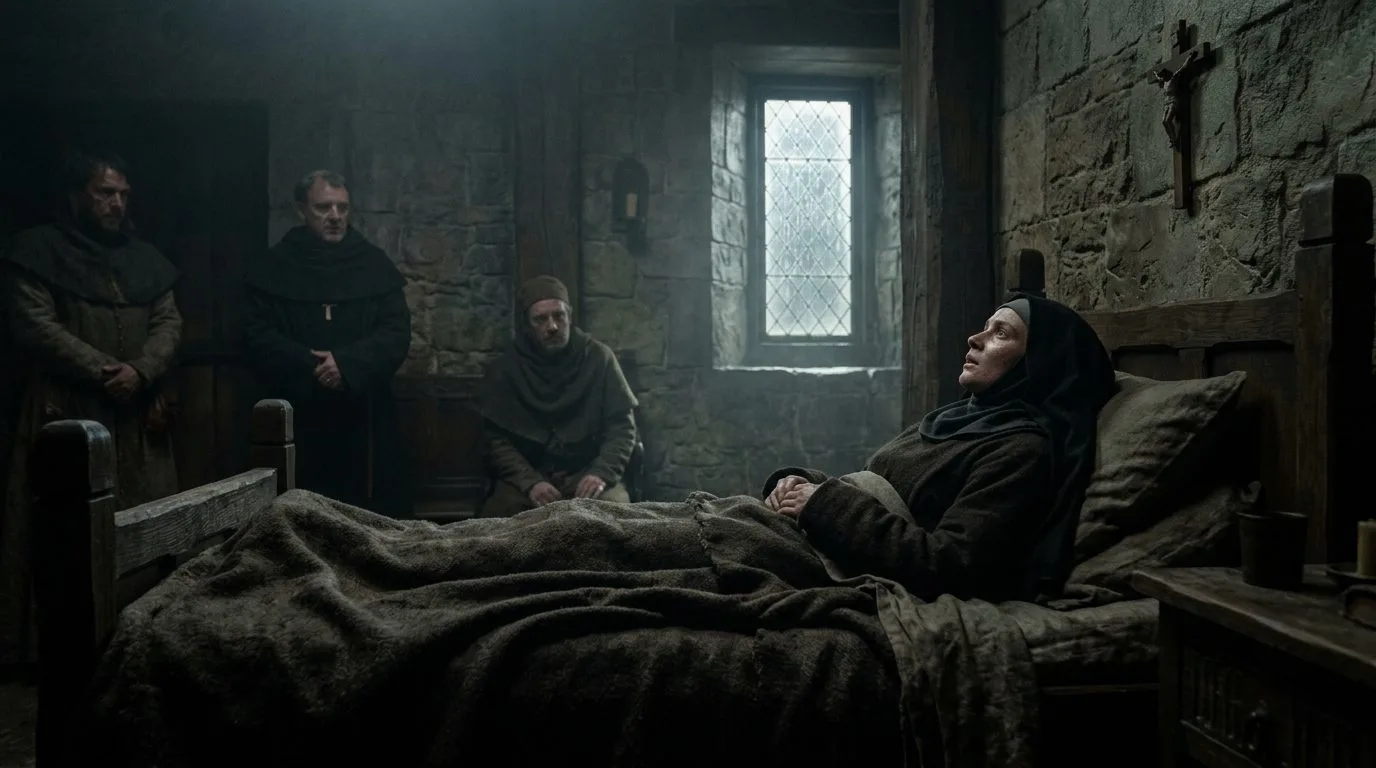
Julian of Norwich
During a near-fatal illness in May 1373, Julian of Norwich received 16 visions over five hours that revolutionized Christian theology. At age 30, she believed she was dying when Christ appeared to her in Norwich, England, revealing truths she spent 20 years contemplating in her anchorite cell. Her Revelations of Divine Love, completed around 1393, became the first book in English written by a woman. She introduced the concept of God as mother—radical language that challenged masculine theological frameworks. Her famous line “All shall be well, and all shall be well, and all manner of thing shall be well” offered hope during the Black Death’s aftermath. She lived enclosed in her cell attached to St. Julian’s Church for at least 38 years, counseling visitors through her window.
Source: britannica.com
6. Empress Theodora – From Actress to Imperial Lawmaker
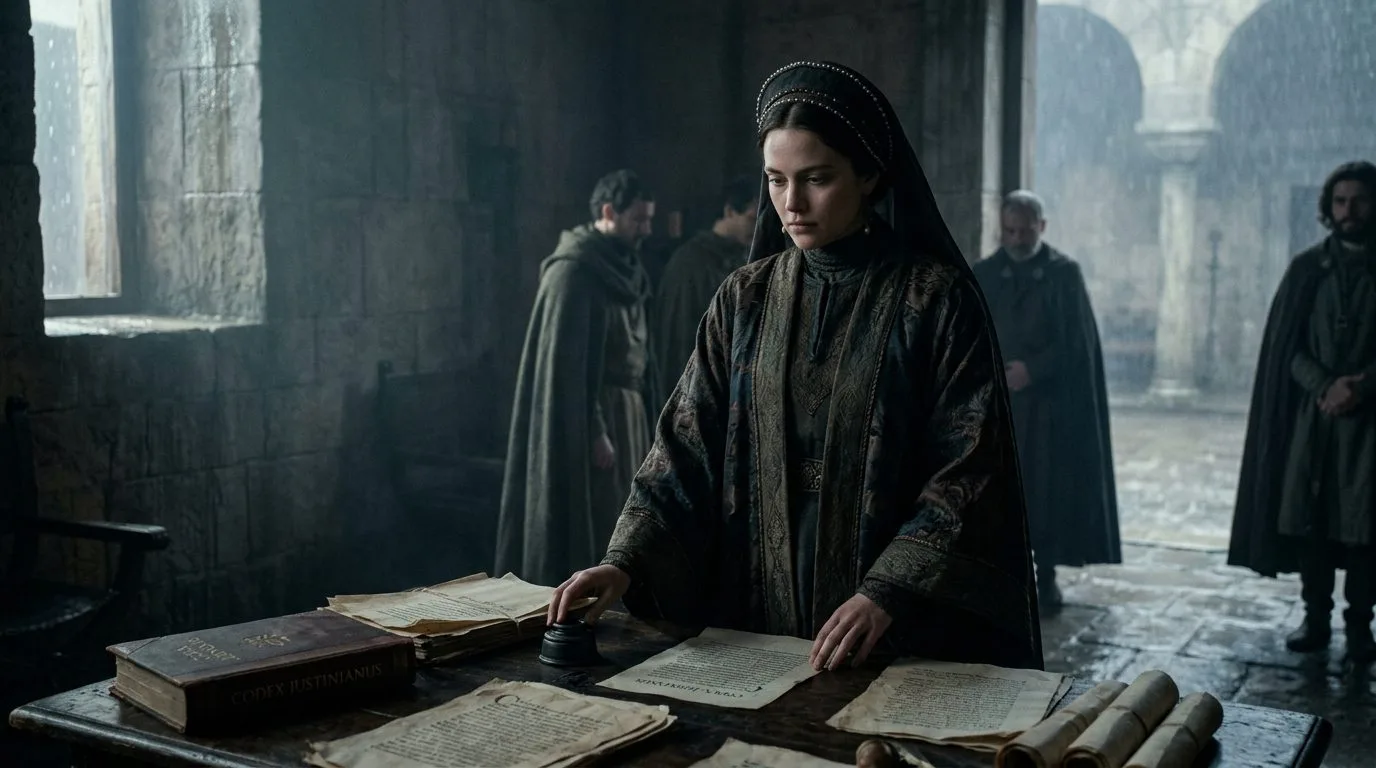
Empress Theodora
Theodora rose from performing on Constantinople’s stages to co-ruling the Byzantine Empire alongside Justinian I from 527 until her death in 548. Born around 500, she transformed Roman law, expanding women’s property rights, banning forced prostitution, and allowing women to divorce abusive husbands. During the Nika Riots of 532, when advisors urged flight, she declared she would rather die in imperial purple than flee—her resolve saved Justinian’s throne and led to 30,000 rioters’ deaths. She established a convent where former prostitutes could rebuild their lives, personally funded its operations, and secured legal protections for sex workers. The Hagia Sophia’s glittering mosaics immortalize her wearing a crown, jewels, and an expression of absolute authority that matched her husband’s.
Source: britannica.com
7. Hroswitha of Gandersheim – The Playwright Who Rewrote Roman Comedy
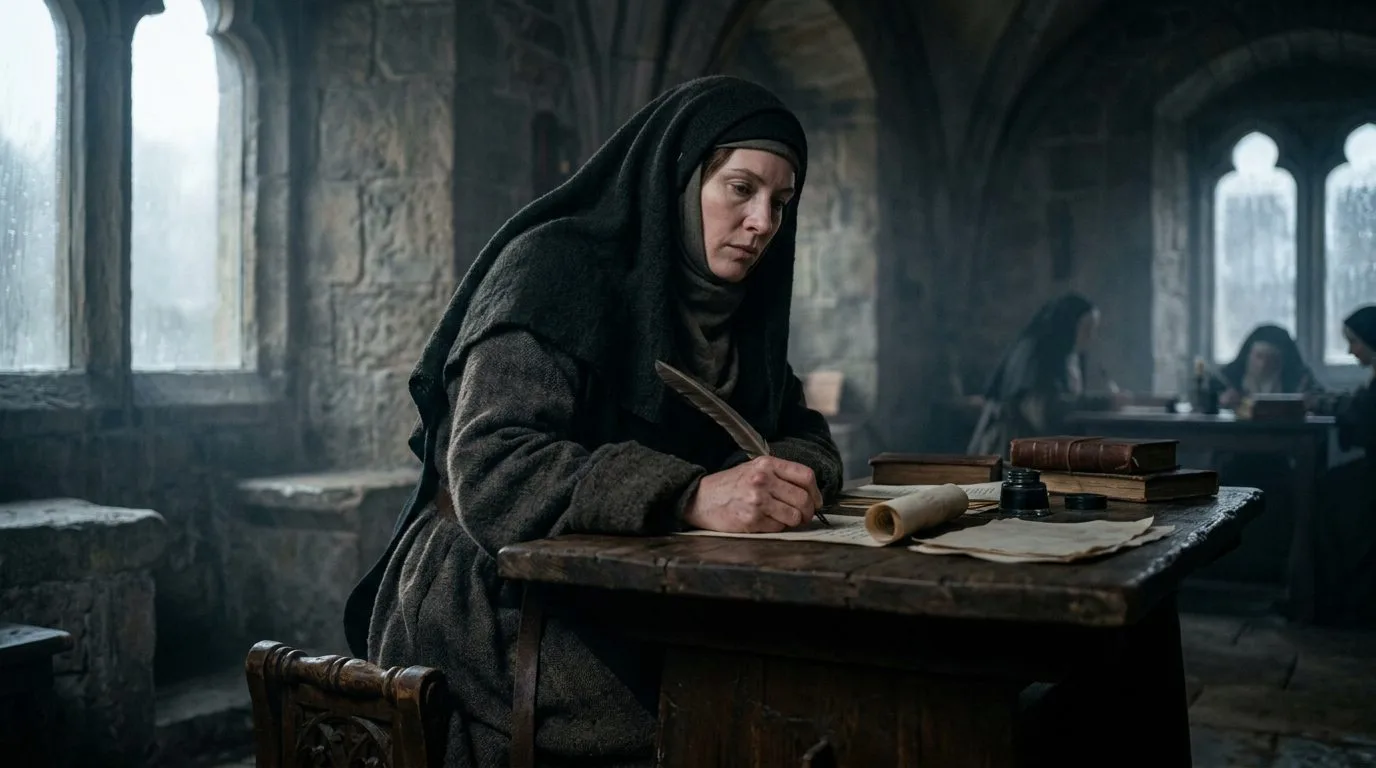
Hroswitha of Gandersheim
Hroswitha of Gandersheim became the first known dramatist of medieval Europe, composing six plays in Latin verse during the mid-10th century to provide Christian alternatives to pagan Roman comedies. Born around 935 into Saxon nobility, she entered Gandersheim Abbey where she had access to an extraordinary library containing classical texts forbidden elsewhere. Her plays featured female martyrs outwitting Roman emperors, converted prostitutes achieving sainthood, and virtuous women defeating lecherous men through wit and faith. She also wrote eight narrative poems, two historical epics totaling 3,000 lines, and prefaces defending her literary ambitions. Her works vanished after her death around 973, only rediscovered in the late 15th century when humanist Conrad Celtes found a manuscript that revolutionized understanding of medieval intellectual life.
Source: britannica.com
8. Isabella of Castile – The Queen Who Funded a New World
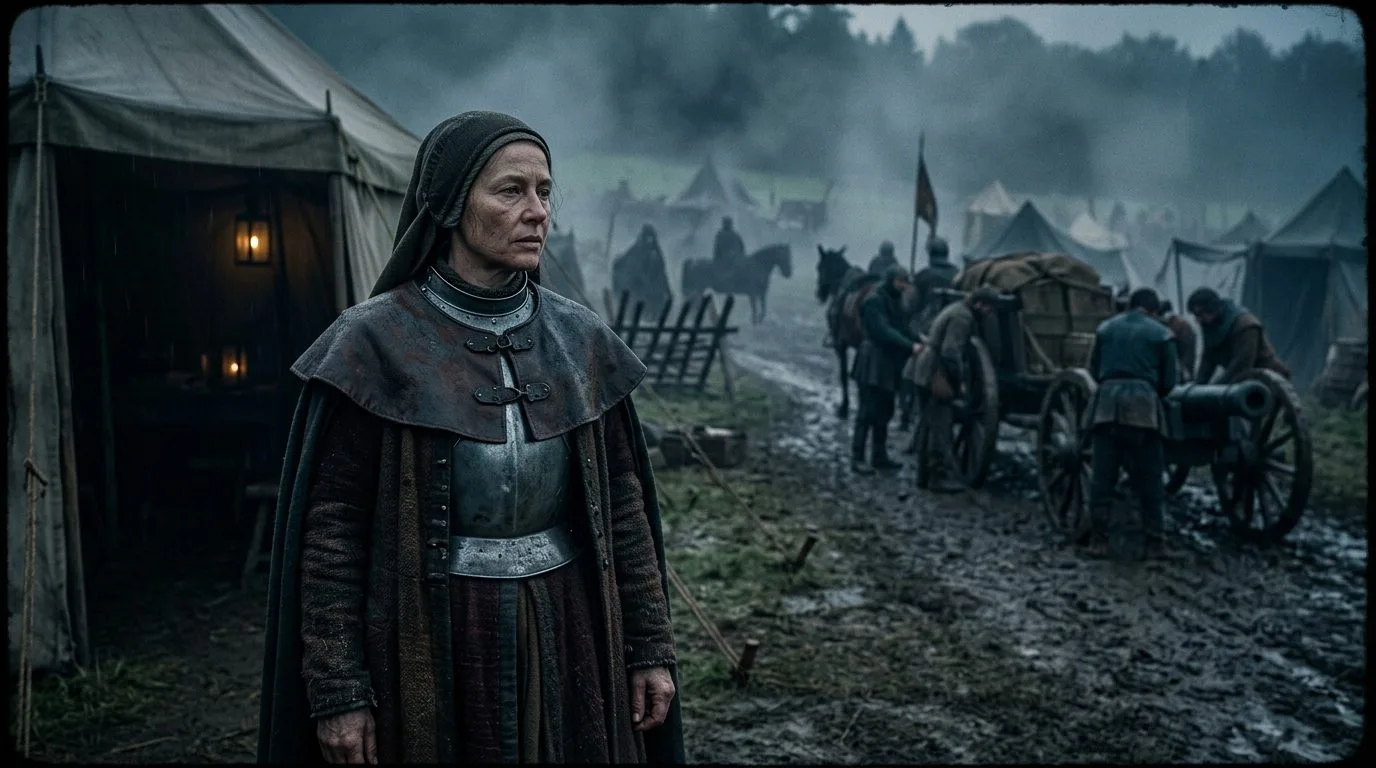
Isabella of Castile
Isabella seized Castile’s throne in 1474 through a brief civil war, then transformed Spain from fractured kingdoms into a unified global power. Born in 1451, she married Ferdinand of Aragon in 1469, creating a partnership that conquered Granada in 1492 after a ten-year siege, ending 781 years of Muslim rule in Iberia. That same year, she pawned her crown jewels to fund Christopher Columbus‘s expedition, investing 1,140,000 maravedis that would reshape world history. She established the Spanish Inquisition in 1478, expelled 200,000 Jews in 1492, and bore five children while personally commanding military campaigns. She died in 1504, having commissioned universities, reformed the Church, and built an empire that would dominate two continents.
Source: britannica.com
9. Margery Kempe – The Mystic Who Wrote Her Own Life Story
Margery Kempe
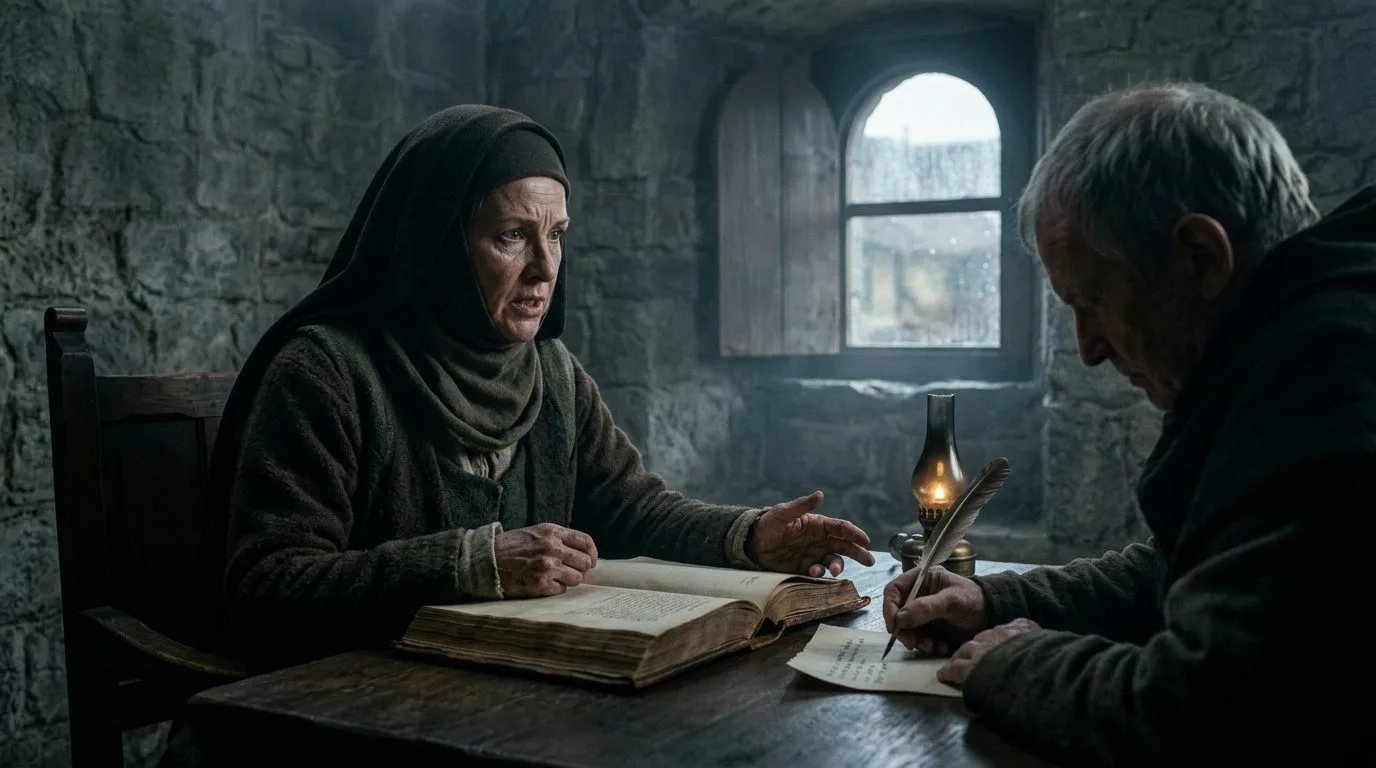
Margery Kempe dictated the first autobiography in English in the early 15th century, creating a 60,000-word account of her spiritual visions, 14 pregnancies, and pilgrimages across three continents. Born in Lynn, England around 1373, she experienced her first vision during postpartum psychosis after her first child’s birth. She convinced her husband to join her in a vow of chastity after 20 years of marriage, then embarked on pilgrimages to Jerusalem, Rome, and Santiago de Compostela. Her loud weeping during religious services—sometimes lasting hours—got her arrested for Lollardy, interrogated by bishops, and banned from churches. She survived accusations of heresy, shipwrecks, robbery, and being mistaken for a prostitute while traveling alone through Europe in her sixties.
Source: britannica.com
10. Mechthild of Magdeburg – The Beguine Who Challenged Church Corruption
Mechthild of Magdeburg
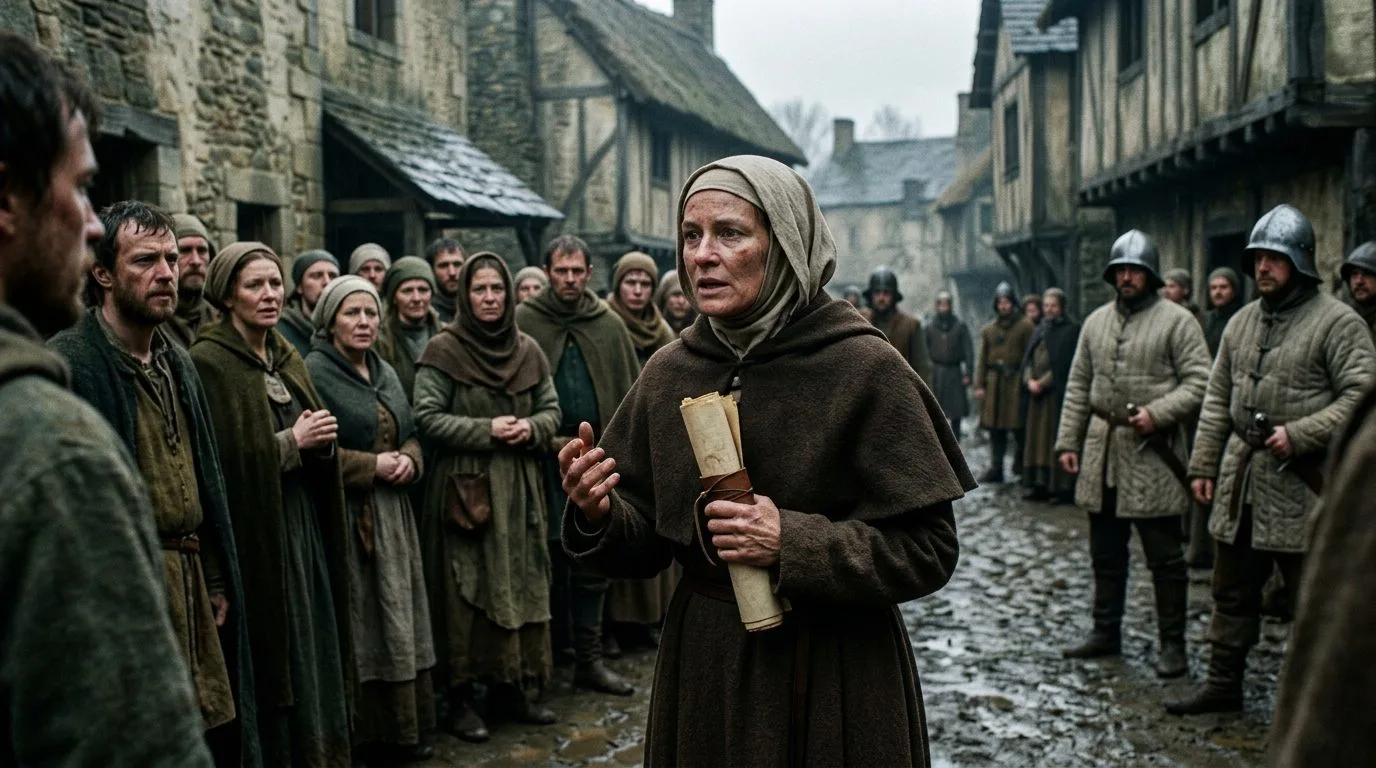
Mechthild of Magdeburg wrote The Flowing Light of the Godhead between 1250 and 1280, creating mystical poetry so boldly critical of Church corruption that she fled persecution. Born around 1207 to Saxon nobility, she joined the Beguines—lay religious women who lived in independent communities without monastic rules. Her visions began at age 12, and at 23 she moved to Magdeburg where she lived in poverty for 40 years. Her writings mixed ecstatic love poetry addressed to God with scathing attacks on corrupt clergy, declaring “Holy Church is sick in her commandments.” When clerics threatened to burn her book, she fled to Helfta convent at age 63. Her work influenced Dante’s Divine Comedy and survives in a single 14th-century manuscript discovered in Switzerland.
Source: britannica.com
Did You Know?
Did You Know? Theodora’s legal reforms in 6th-century Byzantium gave women more property rights than English women would possess until many centuries later. Even more surprising, Hroswitha’s plays were performed in the 10th century but then lost for 500 years, meaning medieval nuns were staging feminist comedies while Renaissance scholars thought no one had written drama since ancient Rome. These women didn’t just shape their own era—they challenged assumptions about female capability that persist today.