
The samurai warrior class disappeared in 1868, yet their ethical code still shapes Japan—from corporate loyalty to martial arts worldwide. These ten bushido principles weren’t battlefield rules; they were a social contract that transformed an entire civilization.
1. Gi (Righteousness) - The Moral Compass That Allowed Samurai to Kill
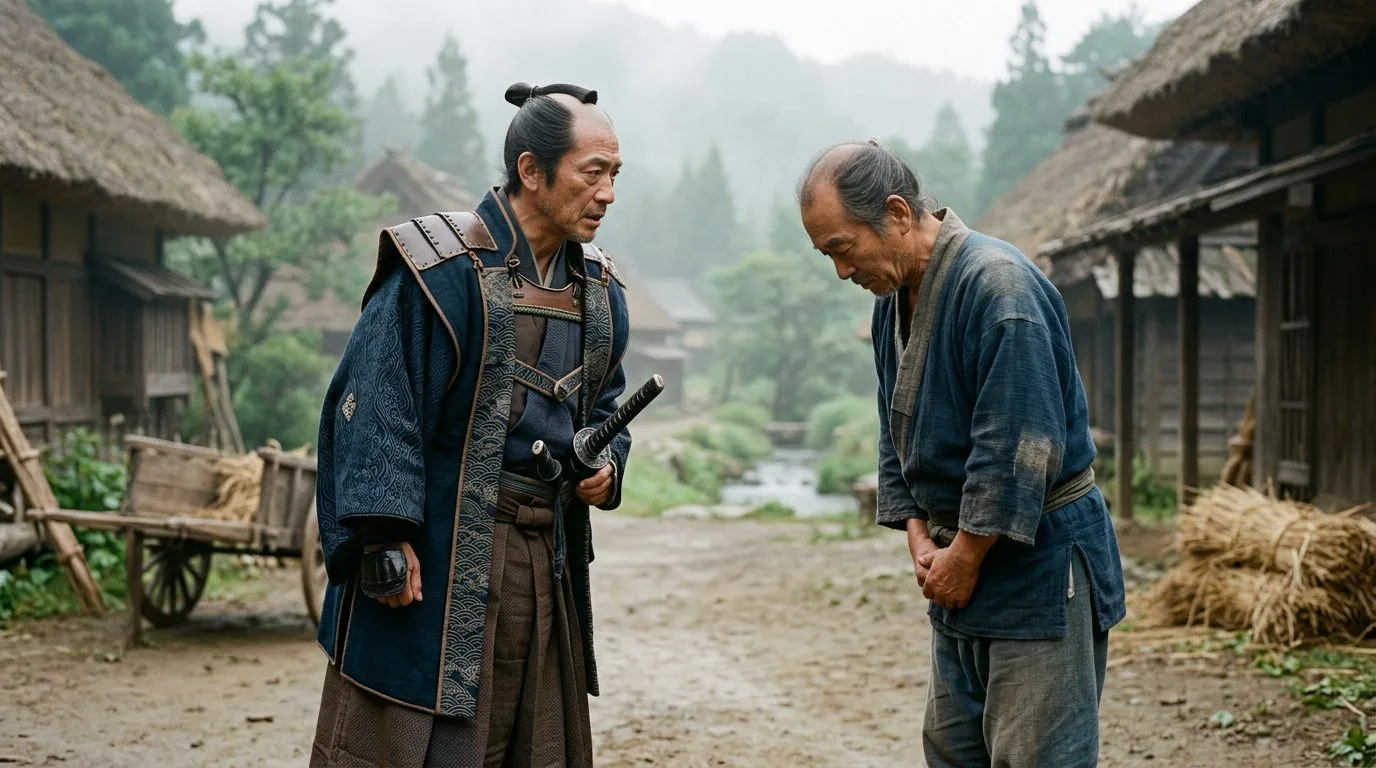
Gi (Righteousness)
Samurai could legally execute commoners for perceived disrespect until the early Meiji period, yet gi demanded they exercise this power only when morally justified. The concept originated from Confucian teachings imported during the 7th century and required warriors to distinguish between legal authority and ethical correctness. Tokugawa Ieyasu famously executed his own son in the late 16th century after determining the young man’s rebellion violated gi, despite his paternal love. This principle created the paradox of compassionate killers—warriors who would spare enemies showing honorable conduct while ruthlessly eliminating those who fought dishonorably. Modern Japanese business ethics still reference gi when executives resign over company scandals, accepting personal responsibility even without legal culpability.
Source: britannica.com
2. Yu (Courage) - Training to Welcome Death From Age Seven
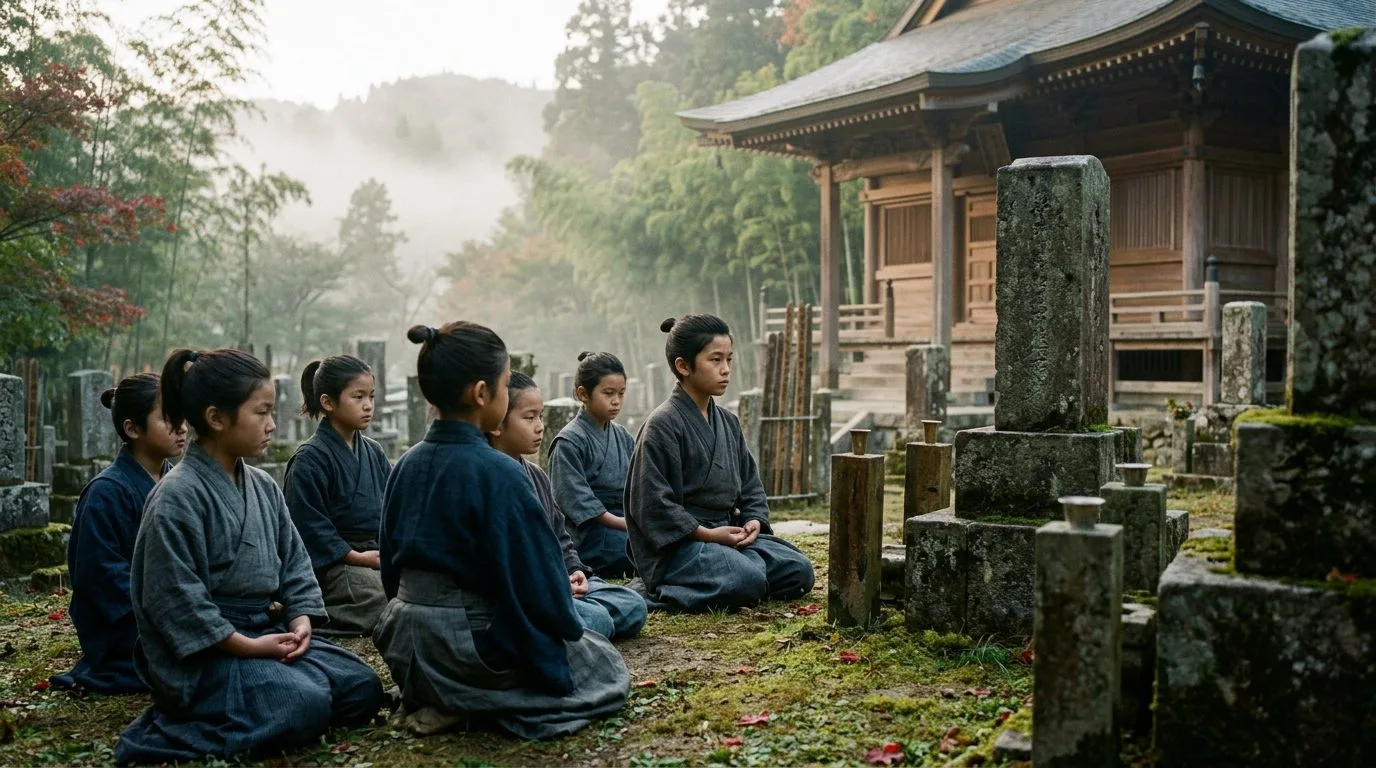
Yu (Courage)
Samurai children began yu training at seven years old by meditating in graveyards overnight and observing executions to conquer fear of death. The 1615 Battle of Osaka saw 16-year-old Sanada Yukimura lead a suicide charge against Tokugawa forces with 3,000 warriors, achieving legendary status despite inevitable death. Yu wasn’t reckless bravery—it demanded calculated risk assessment where dying meaninglessly was considered cowardice. Warriors practiced a mental technique called “dying before going into battle,” psychologically accepting death each morning to eliminate hesitation in combat. This mindset produced the kamikaze pilots centuries later; approximately 3,800 Japanese pilots flew suicide missions during the final years of World War II, viewing their actions through the lens of yu.
Source: history.com
3. Jin (Benevolence) - Why Samurai Built Schools and Orphanages
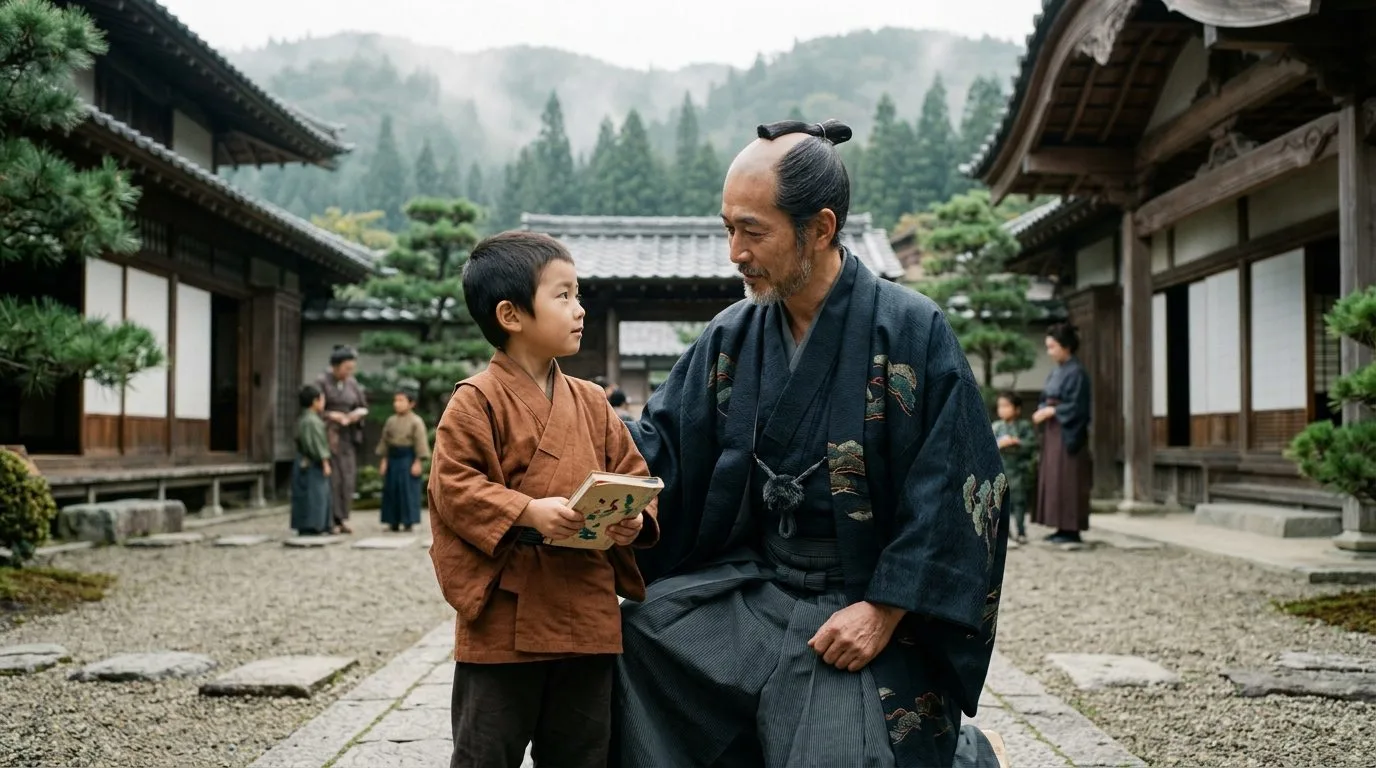
Jin (Benevolence)
The seemingly contradictory virtue of jin required warriors to show compassion, leading samurai to establish over 250 domain schools across Japan by the mid-18th century that educated commoners for free. Uesugi Yozan, an 18th-century samurai lord, sold his own armor and weapons during the Tenmei famine to buy rice for starving peasants, embodying jin despite personal sacrifice. This principle forbade striking first in duels and mandated that samurai provide financial support to defeated enemies’ families. The famous swordsman Miyamoto Musashi spared 33 opponents during his 60 recorded duels in the early 17th century, allowing them to live after demonstrating superior skill. Modern Japan’s low crime rates and emphasis on corporate welfare for employees trace directly to jin’s cultural penetration beyond the samurai class.
Source: britannica.com
4. Rei (Respect) - The 48 Different Ways to Bow
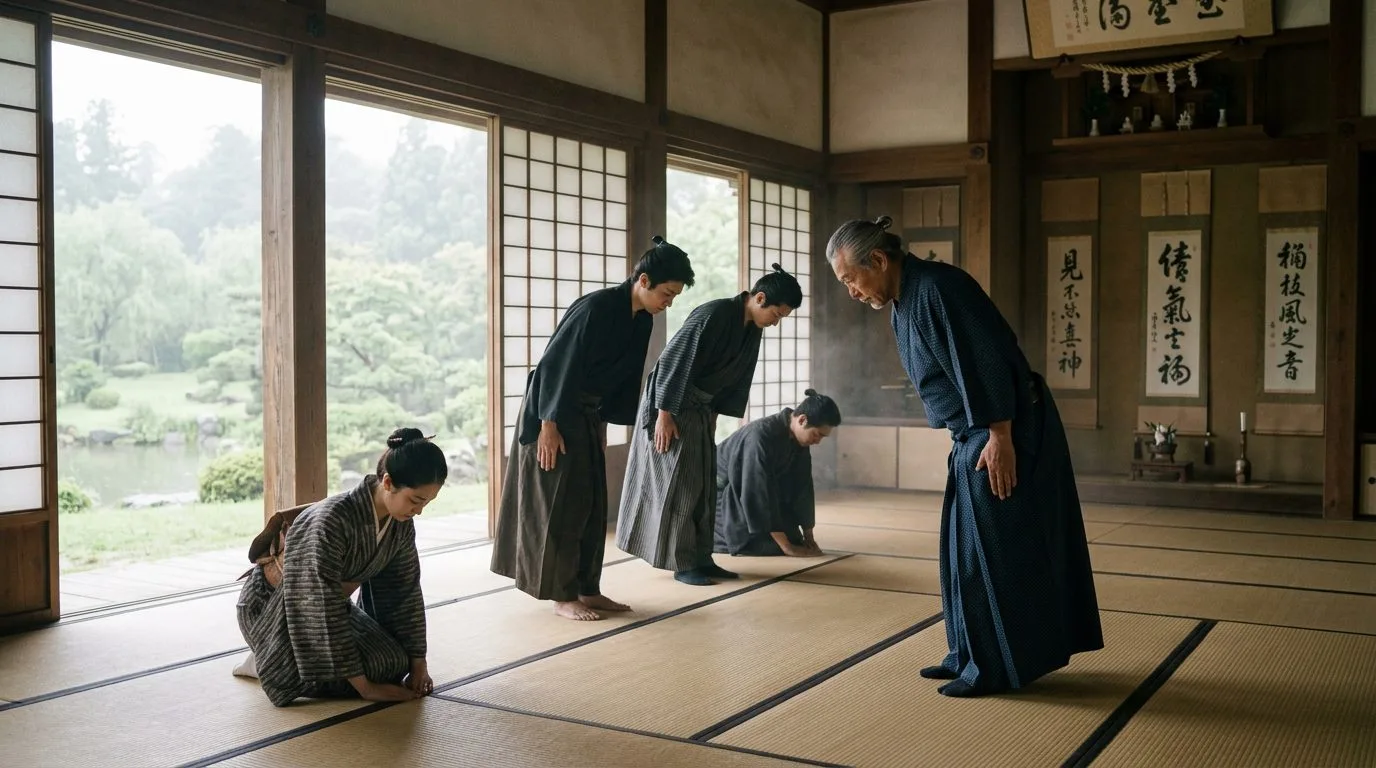
Rei (Respect) - The 48 Different Ways to Bow
Rei codified exactly 48 distinct bowing angles and durations based on social hierarchy, with errors potentially resulting in death during the Edo period (1603-1868). Samurai spent hours daily practicing tea ceremony movements—each gesture prescribed to the centimeter—because sloppy etiquette suggested a sloppy sword technique. The 1701 Ako incident began when daimyo Asano Naganori drew his blade in Edo Castle after a protocol instructor repeatedly humiliated him over minor rei violations, triggering a vendetta that killed 63 people. Even battlefield conduct followed rei; warriors announced their name, lineage, and accomplishments before engaging opponents of equal rank. Today’s Japanese business card exchange ritual, where cards are presented with both hands and studied carefully, directly descends from samurai rei protocols that treated every social interaction as a potential matter of life or death.
Source: britannica.com
5. Makoto (Honesty) - When Your Word Was More Binding Than Contracts
Makoto (Honesty)
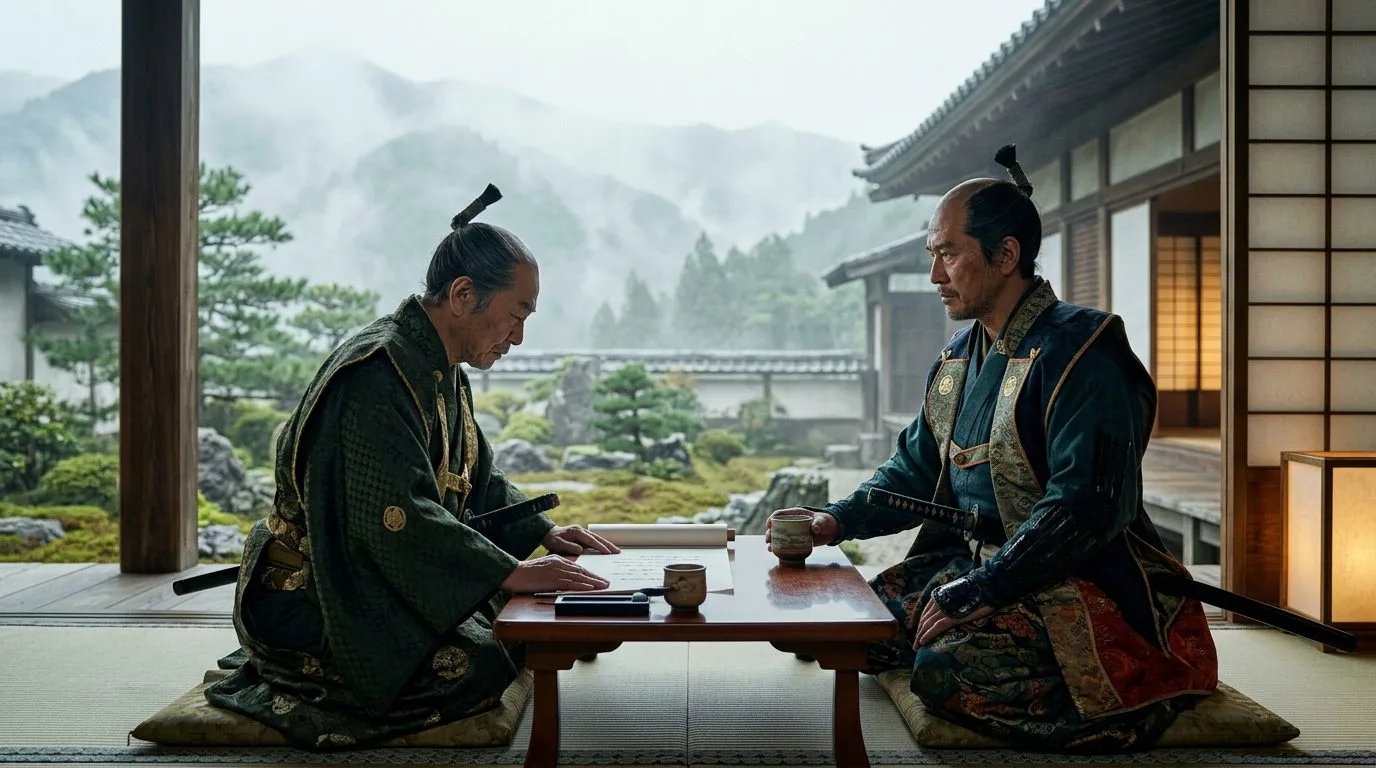
Samurai conducted business deals worth millions of koku (rice units) with only verbal agreements because makoto made lying more shameful than death itself. The principle was so absolute that samurai who accidentally gave false information—even through innocent mistake—were expected to commit seppuku to restore their honor. During the 1560 Battle of Okehazama, Tokugawa Ieyasu honored a verbal promise to support Imagawa Yoshimoto despite knowing the army faced certain defeat, losing 300 men but preserving his reputation for makoto. Written contracts were considered insulting between samurai, suggesting the other party might be dishonorable enough to lie. This cultural legacy makes modern Japan one of the few developed nations where verbal business agreements remain legally enforceable, and where politicians routinely resign over broken campaign promises rather than face accusations of dishonesty.
Source: history.com
6. Meiyo (Honor) - Why Entire Families Died Over Insults
Meiyo (Honor)
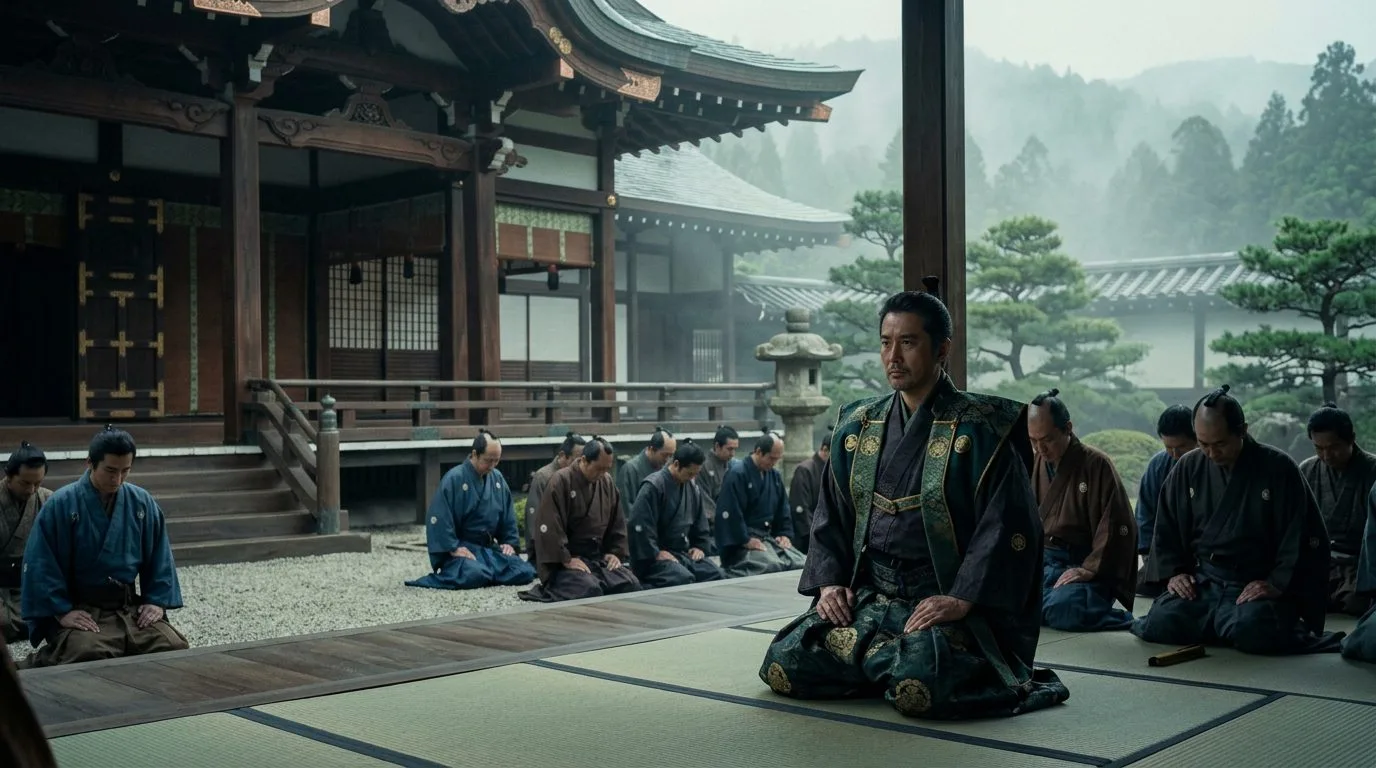
Meiyo extended beyond the individual samurai to encompass seven generations of ancestors and descendants, making honor violations catastrophically expensive. When Lord Asano wounded a court official in 1701, the shogunate ordered his entire clan disbanded, stripping 321 samurai and approximately 2,000 family members of their status and livelihoods. Samurai obsessively maintained detailed genealogies proving their lineage because honor was inherited—a single ancestor’s cowardice could taint descendants for centuries. The concept created Japan’s revenge culture; the 47 ronin spent two years planning their early 18th-century vendetta killing to restore their master’s meiyo, knowing execution awaited them. Corporate Japan still operates on meiyo principles—when Toshiba’s accounting scandal emerged in the early 21st century, eight executives resigned simultaneously, accepting collective responsibility for the company’s dishonor despite individual innocence.
Source: britannica.com
7. Chugi (Loyalty) - Following Your Master Into Death
Chugi (Loyalty) - Following Your Master Into Death
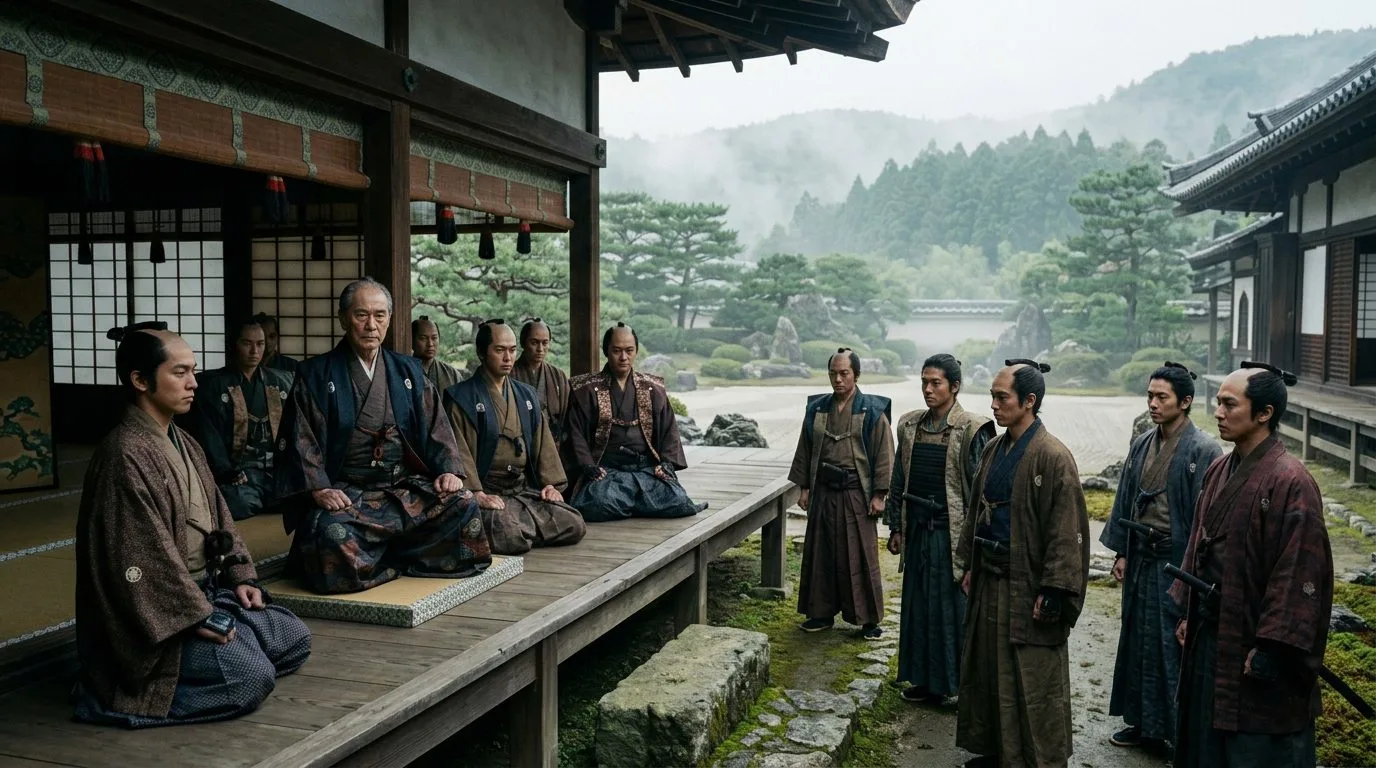
Chugi demanded such absolute loyalty that when daimyo Nabeshima Naoshige died in the early 17th century, eleven of his retainers immediately committed junshi (suicide) to follow him in death, despite the practice being officially discouraged. The principle created a feudal bond stronger than family—samurai were expected to kill their own relatives if ordered by their lord, and approximately 2,000 warriors changed sides during the 1600 Battle of Sekigahara based solely on their master’s allegiance shifts. Tokugawa Ieyasu specifically outlawed junshi in the mid-17th century after realizing the practice was bleeding Japan’s warrior class unnecessarily, yet it continued underground for another century. Chugi’s legacy appears in Japan’s lifetime employment system, where workers historically never changed companies, and in the yakuza practice of yubitsume (finger-cutting) to demonstrate loyalty. The early 1970s ritual suicide of author Yukio Mishima deliberately invoked traditional chugi to the Emperor.
Source: history.com
8. Seppuku Protocols - The Three-Hour Ritual Requiring 18 Witnesses
Seppuku Protocols
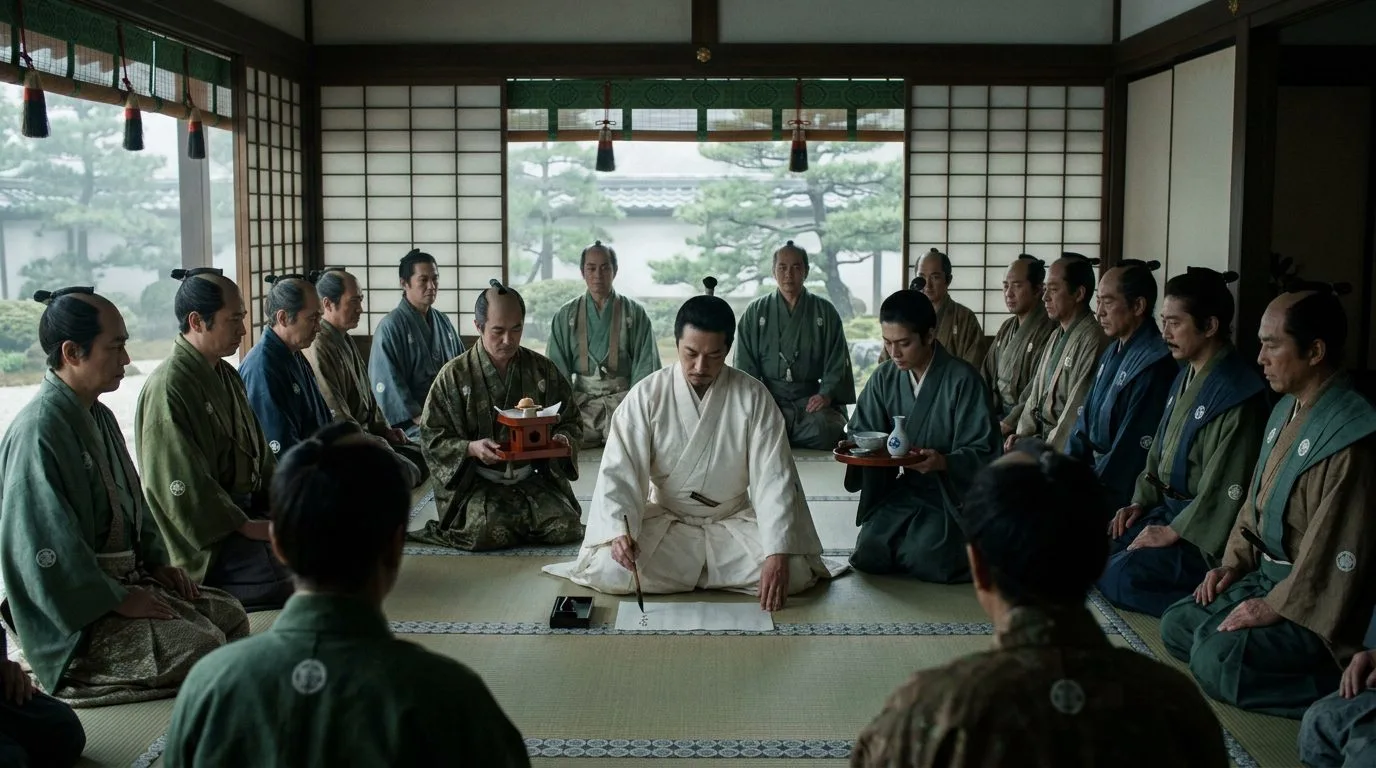
Proper seppuku required the condemned samurai to compose a death poem, bathe ceremonially, dress in white robes, and consume a final meal while 18 witnesses verified correct procedure—the entire ritual consuming approximately three hours. The condemned used a specially shortened blade called a tanto, making a precise left-to-right cut across the abdomen, then an upward stroke toward the sternum before a trusted kaishakunin (second) beheaded them mid-cut to prevent screaming. Kusunoki Masashige, before dying in 1336, performed seppuku alongside 60 loyal warriors simultaneously in a mass ritual that became legendary. Women performed a modified version called jigai, cutting the throat rather than the abdomen, with their legs bound to maintain dignified posture in death. The practice was legally abolished in the early Meiji period, though General Nogi Maresuke performed it in the early 20th century after Emperor Meiji’s death, and scattered incidents continued into the late 20th century.
Source: britannica.com
9. Kanshi (Admonishment) - The Duty to Criticize Your Master
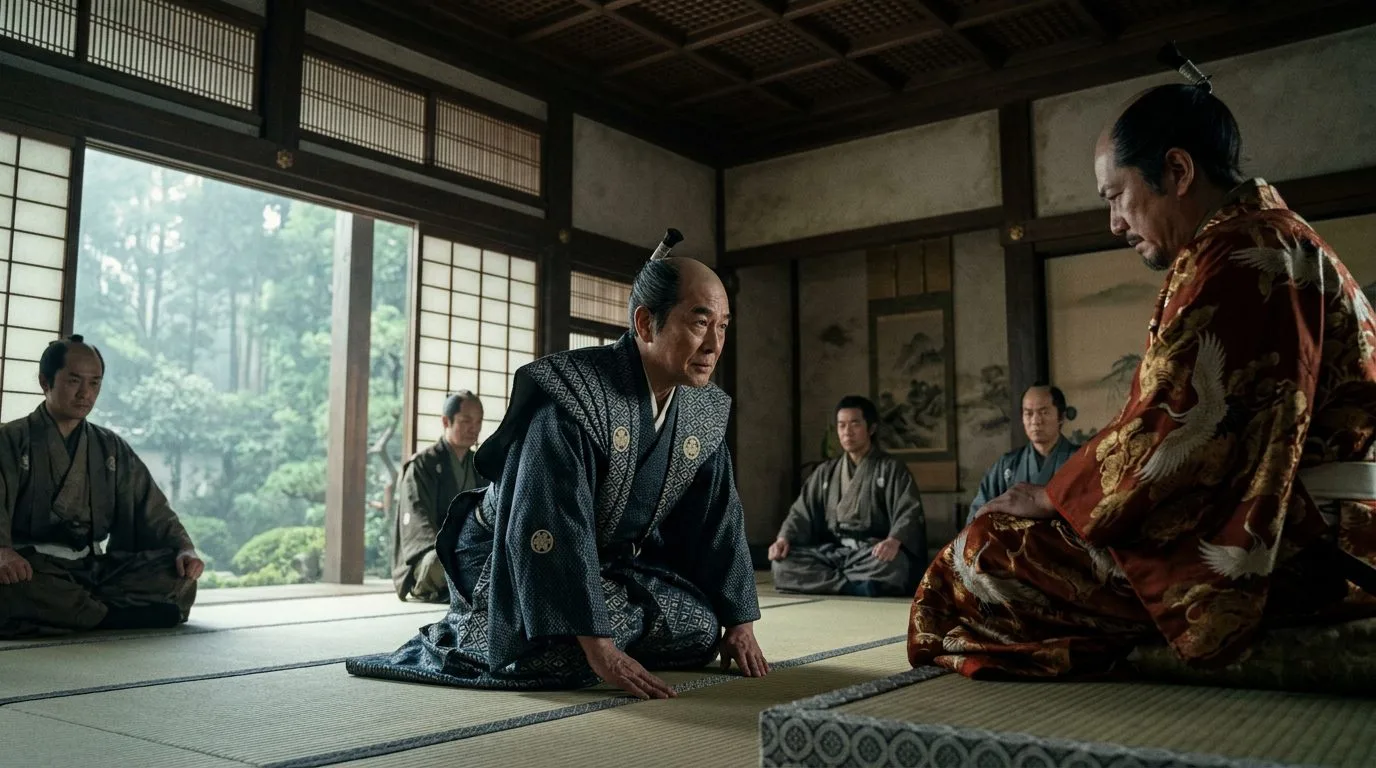
Kanshi (Admonishment)
Kanshi created the dangerous obligation to publicly correct a lord’s mistakes, even knowing such criticism might result in execution—making it bushido’s most paradoxical virtue. Ooka Tadasuke, serving as a magistrate under Shogun Tokugawa Yoshimune during the early 18th century, repeatedly challenged his master’s policies through kanshi, surviving only because his advice proved correct. The principle required samurai to attempt remonstration three times using escalating directness—first through subtle hints, then clear statements, finally through dramatic gestures like shaving one’s head or threatening seppuku. During the 1467 Onin War, multiple samurai committed kanshi-inspired suicide after their lords ignored warnings about disastrous military strategies, using their deaths as ultimate protest. This tradition created Japan’s modern whistleblower culture, though corporate kanshi today typically results in social ostracism rather than ceremonial beheading.
Source: britannica.com
10. Frugality Codes - Samurai Who Lived Poorer Than Peasants
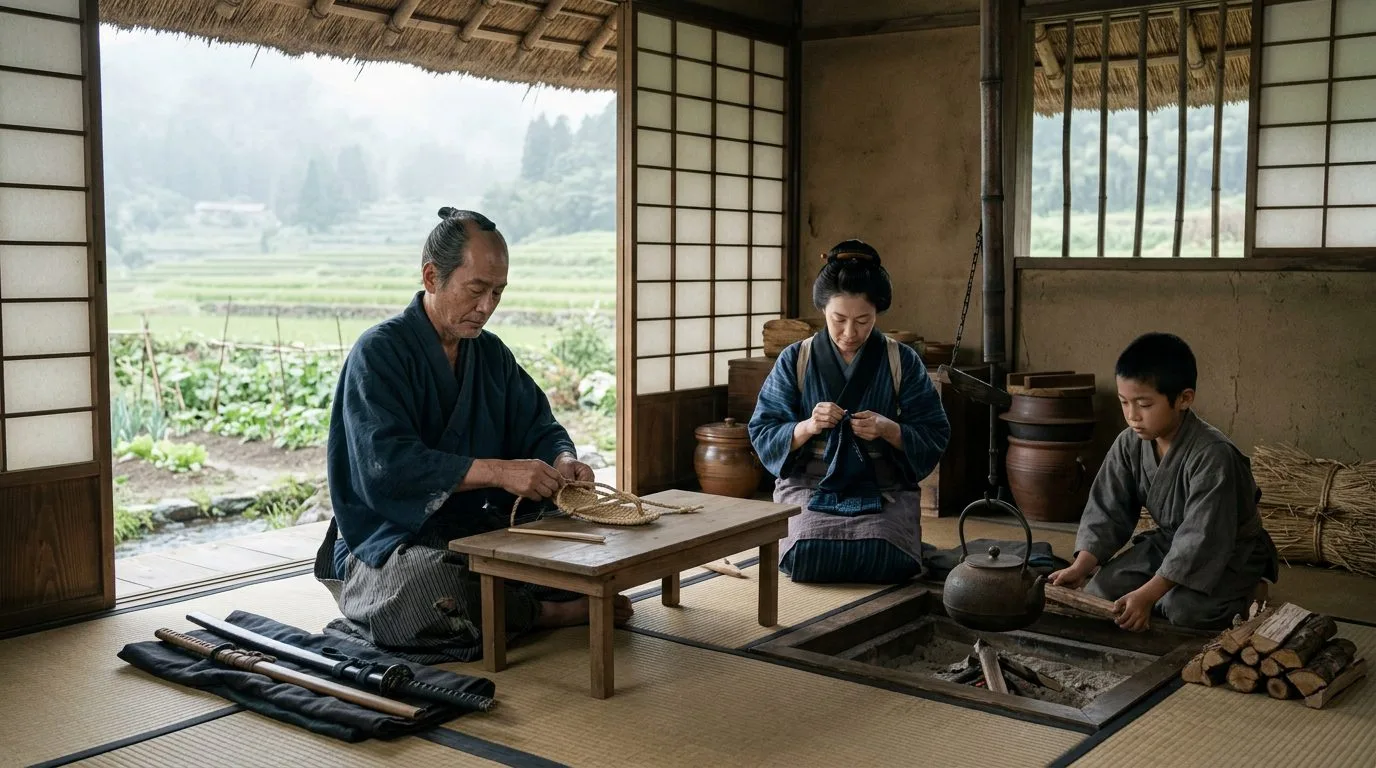
Frugality Codes
Bushido frugality codes forbade samurai from displaying wealth, with many high-ranking warriors living in deliberate poverty despite incomes exceeding 10,000 koku annually (enough to feed 10,000 people for a year). The famous swordsman Miyamoto Musashi never owned a house, sleeping in temples and caves while writing “The Book of Five Rings” in the mid-17th century, though he could have claimed lordship over domains. Samurai were prohibited from eating more than two meals daily during the Edo period, with daimyo conducting surprise inspections to catch retainers violating austerity rules. The principle held that luxury weakened martial spirit—samurai caught using silk clothing or elaborate decorations faced forced retirement and confiscation of stipends. This cultivated indifference to material comfort created Japan’s modern aesthetic of wabi-sabi (beauty in simplicity), and explains why Japanese executives traditionally earn only 11 times their lowest-paid workers’ salary, versus higher multiples in Western corporations.
Source: history.com
Did You Know?
Did you know the samurai code of honor technically forbade samurai from becoming skilled swordsmen? Bushido texts argued that obsessive weapons training suggested a warrior lacked confidence in their moral virtue—true samurai were supposed to win through spiritual strength, with combat skills being almost secondary. This created a bizarre contradiction where Japan’s legendary warriors were culturally discouraged from practicing the very techniques that kept them alive, revealing how bushido was always more about social control than practical battlefield effectiveness.