
In 1157 BCE, Egyptian scribes recorded a catastrophic event, then systematically destroyed the tablets. What terrified them? Organized slaves had nearly toppled a pharaoh. History’s greatest empires faced coordinated uprisings that threatened their existence—rebellions so dangerous they were erased from memory.
1. Egyptian Quarry Workers Brought Ramesses III to His Knees
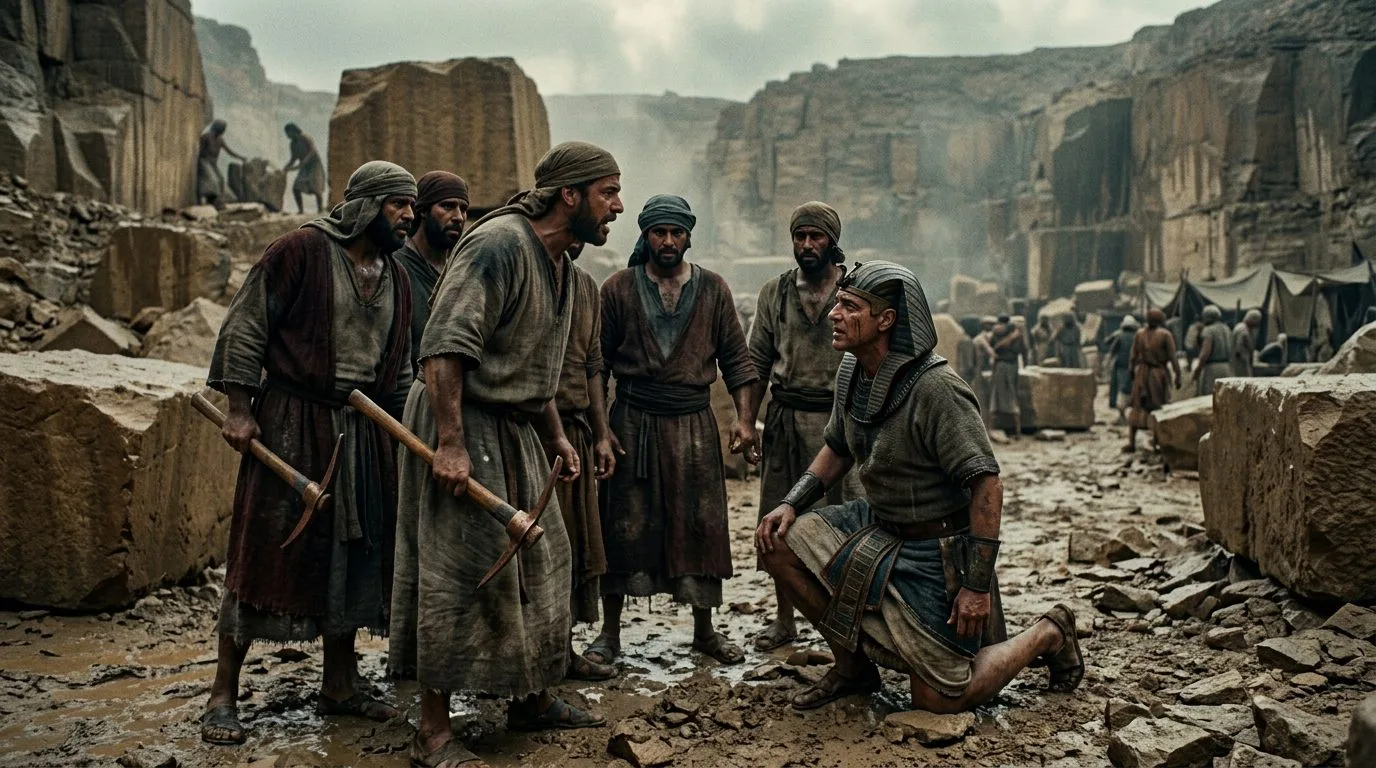
Egyptian Quarry Workers Brought Ramesses III to

Workers striking at Ramesses III’s quarries
In 1157 BCE, over 10,000 quarry workers at Deir el-Medina executed history’s first recorded labor strike, which escalated into armed revolt. These weren’t technically slaves but corvée laborers—distinction without difference—forced to build royal tombs without payment for eighteen months. Workers seized the Valley of the Kings, holding Ramesses III‘s unfinished tomb hostage until scribes arrived with grain rations. The pharaoh’s officials paid immediately, fearing the revolt would spread to the 30,000 workers constructing his mortuary temple. Royal annals recorded the event as ‘the year of the hyenas,’ then tomb inscriptions describing it were systematically chiseled away.
Source: britannica.com
2. Sumerian Debt Slaves Burned the Contract Archives
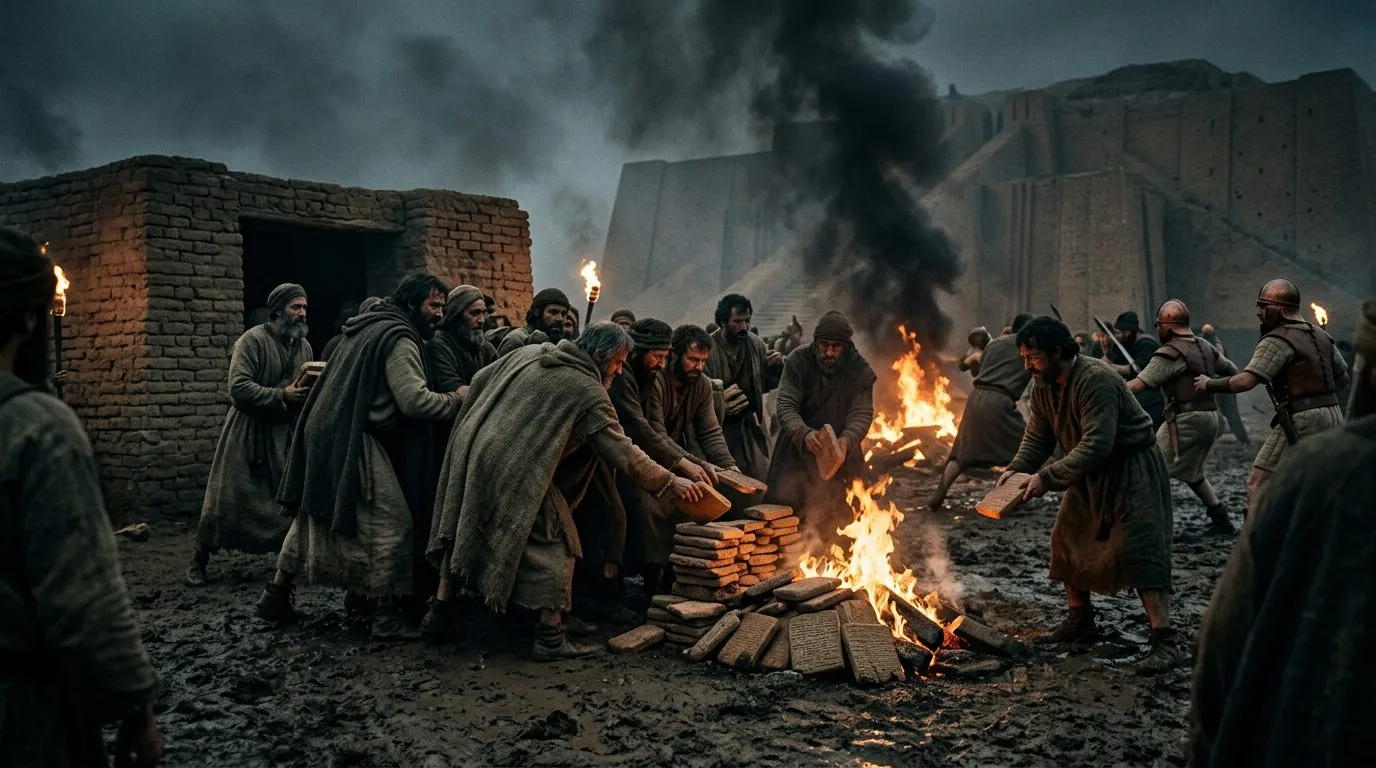
Sumerian Debt Slaves Burned the Contract Archives
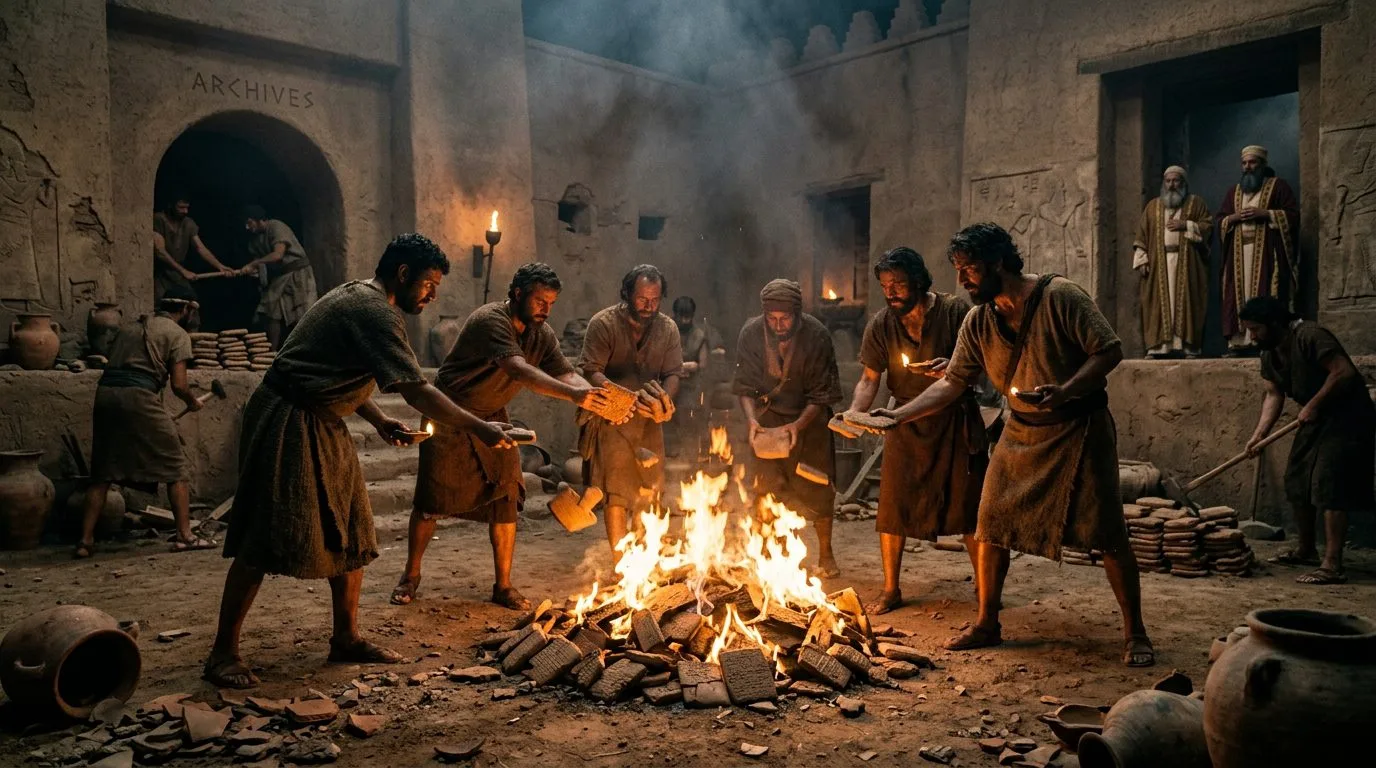
Sumerian Debt Slaves Burned the Contract Archives
Around 2380 BCE in the city-state of Lagash, debt-bonded laborers stormed the temple complex and destroyed thousands of clay tablets recording their obligations. cuneiform records from neighboring Umma describe ‘the fire that ate the contracts,’ when approximately 5,000 enslaved farmers overthrew the énsi (governor) Lugalanda. The rebels installed Urukagina, who immediately proclaimed history’s first known debt amnesty, the ‘amargi’ decree—literally ‘return to mother.’ For seven years, debt slavery was abolished in Lagash until the city fell to Umma’s armies. Sumerian king lists never mentioned Urukagina’s reign.
Source: britannica.com
3. Spartan Helots Chose Earthquake Day for Revolution

Spartan Helots Chose Earthquake Day for Revolution
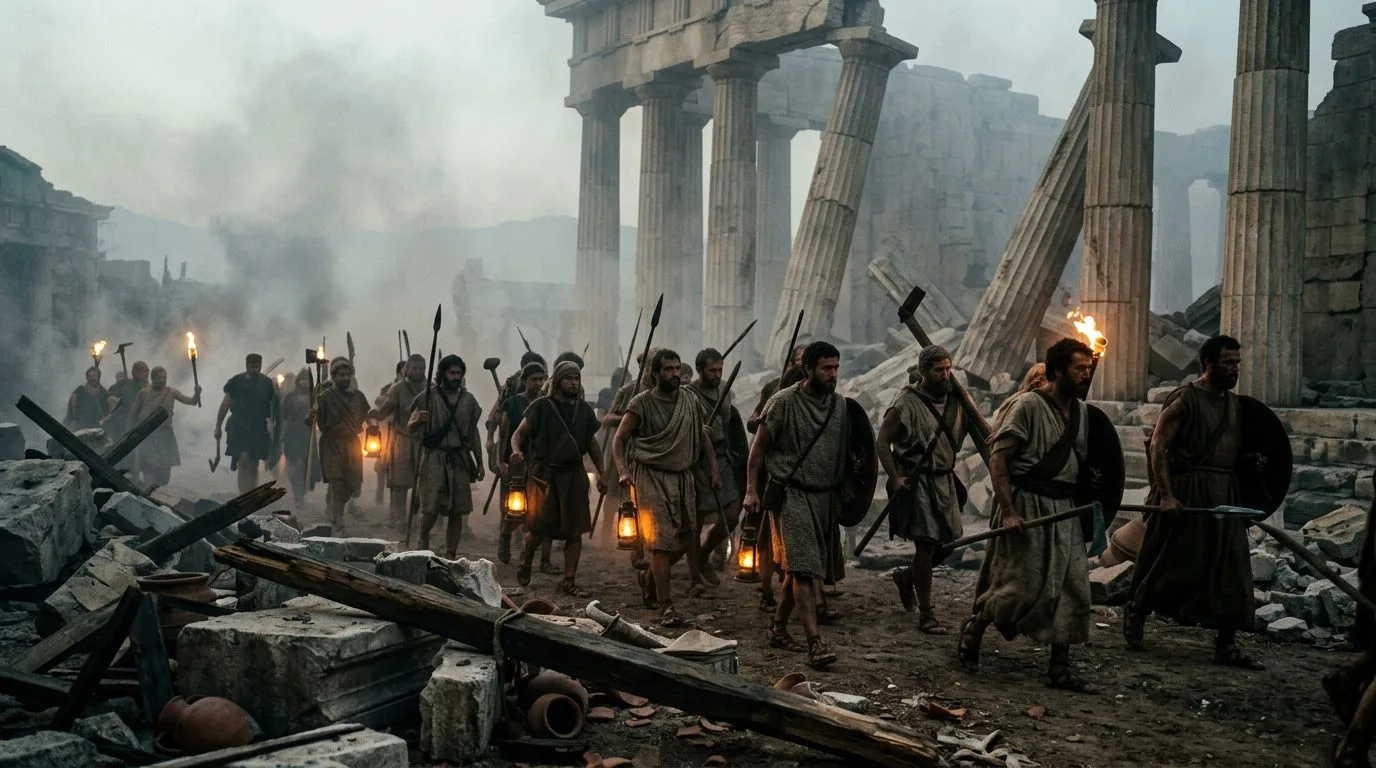
Spartan Helots Chose Earthquake Day for Revolution
In 464 BCE, a devastating earthquake killed over 20,000 Spartans, and the helots immediately recognized their opportunity. These enslaved Greeks, outnumbering Spartan citizens seven to one, launched a coordinated uprising across Messenia within hours of the disaster. Led by a helot named Thibron, roughly 40,000 rebels fortified themselves on Mount Ithome, withstanding Spartan sieges for nearly four years. Sparta required Athenian military assistance to suppress the revolt—the beginning of tensions leading to the Peloponnesian War. Thucydides mentioned it briefly; Spartan historians pretended it never happened.
Source: britannica.com
4. Syrian Slave Eunus Crowned Himself King of Sicily

Syrian Slave Eunus Crowned Himself King of Sicily
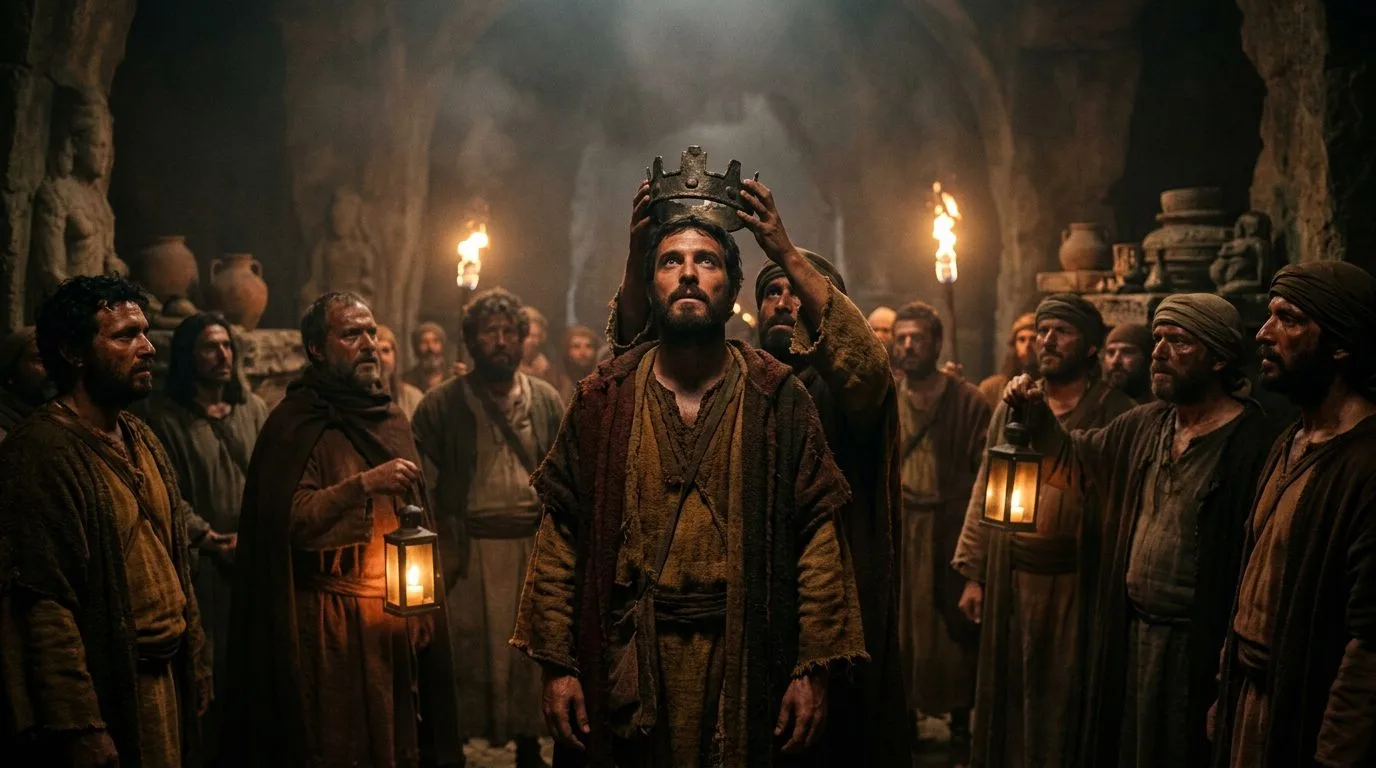
Syrian Slave Eunus Crowned Himself King of Sicily
In 135 BCE, a Syrian slave and self-proclaimed prophet named Eunus led 70,000 enslaved workers in seizing most of Sicily during the First Servile War. Eunus declared himself King Antiochus, minted coins, and established a functioning government in Enna that controlled the island for three years. His army defeated multiple Roman legions before Consul Publius Rupilius deployed 17,000 troops to starve them out. Rome executed 20,000 rebels, then systematically destroyed references to Eunus in official records. Most details survived only through the Greek historian Diodorus Siculus, whom Romans considered unreliable.
Source: britannica.com
5. Zanj Rebels Built a Rival Empire in Iraq’s Marshlands
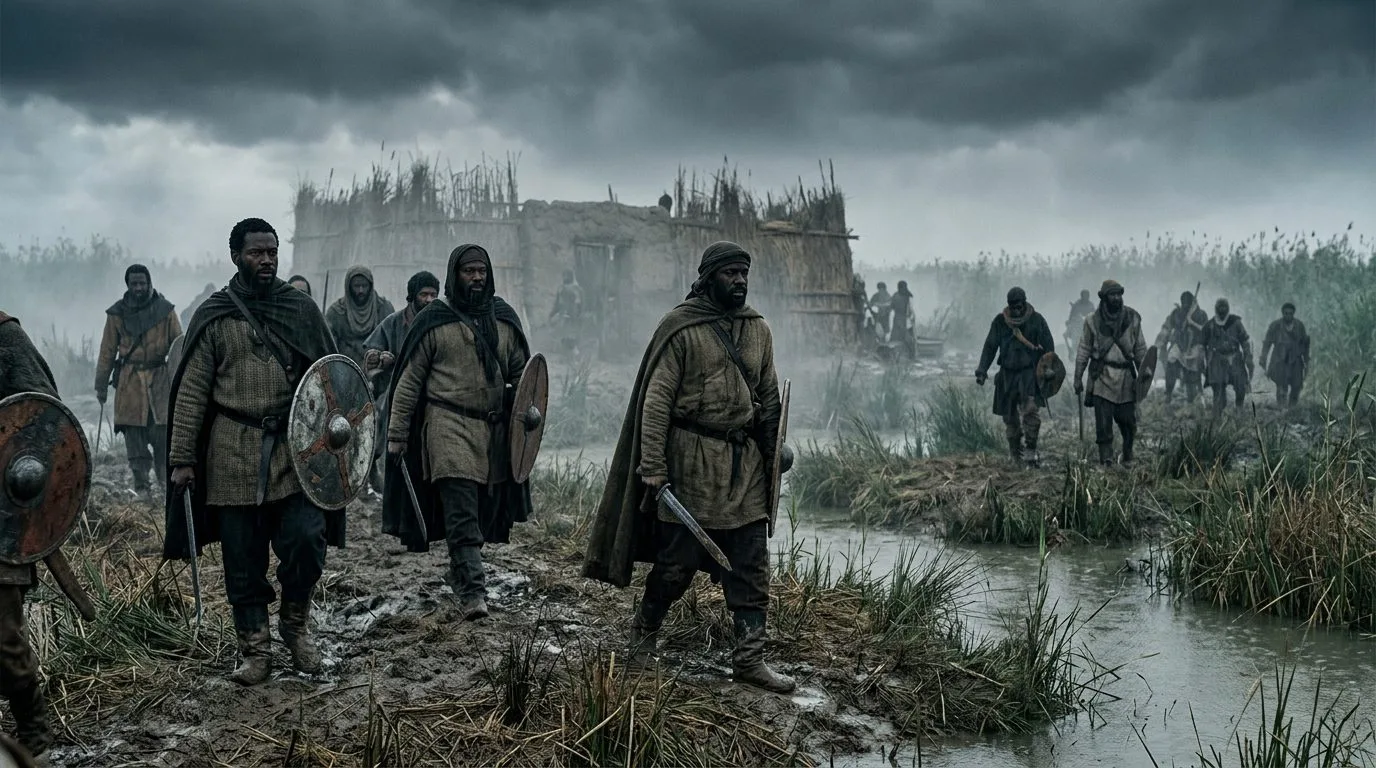
Zanj Rebels Built a Rival Empire in Iraq’s
From 869 to 883 CE, enslaved East African workers—the Zanj—constructed a militarized state in southern Iraq that nearly destroyed the Abbasid Caliphate. Led by Ali ibn Muhammad, approximately 500,000 rebels captured Basra, Iraq’s second-largest city, and held it for fourteen years. They established their own capital, al-Mukhtara, complete with administration, currency, and a standing army of 50,000 soldiers. The rebellion required Caliph al-Mu’tamid’s entire military resources to suppress, costing an estimated 2 million lives. Abbasid chroniclers afterward portrayed it as a minor criminal disturbance rather than the existential crisis it represented.
Source: britannica.com
6. Korean Nobi Turned Buddhist Temple Into Fortress
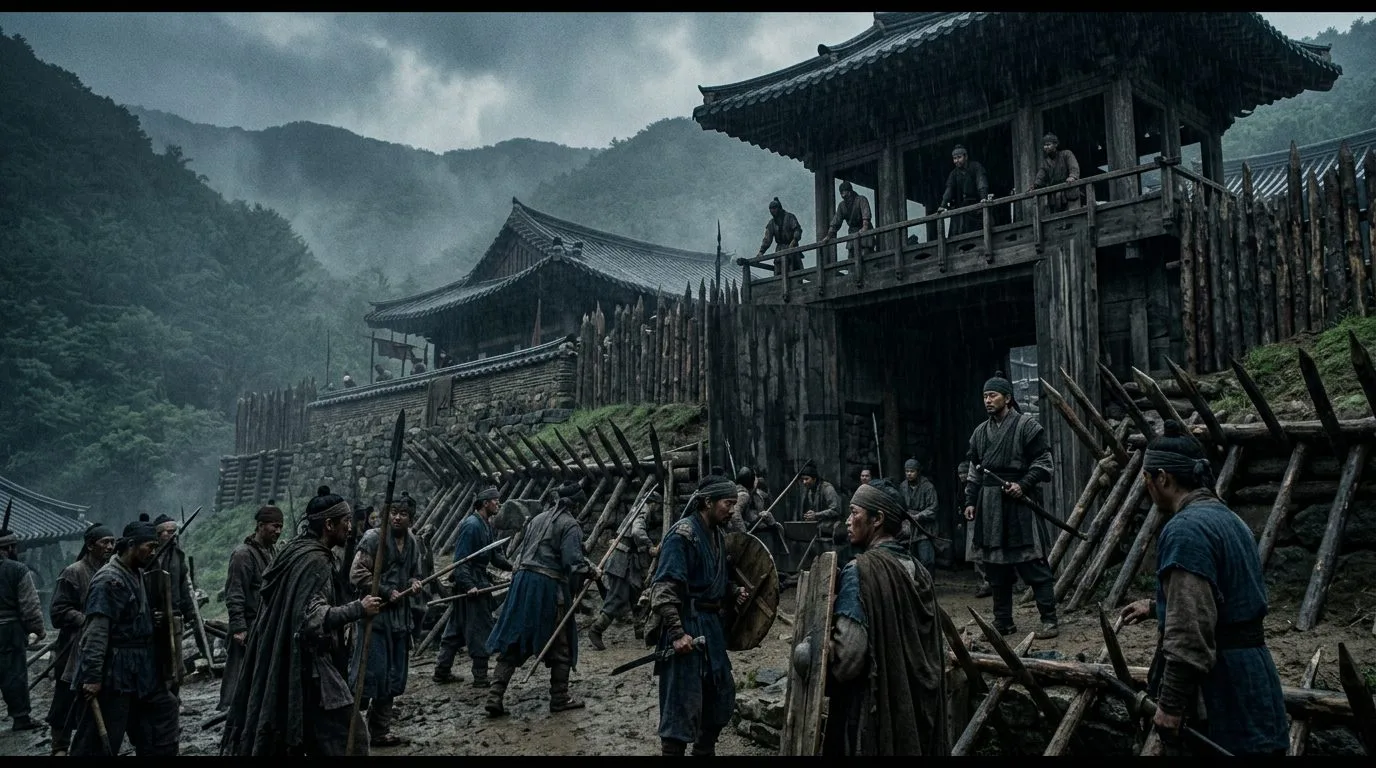
Korean Nobi Turned Buddhist Temple Into Fortress
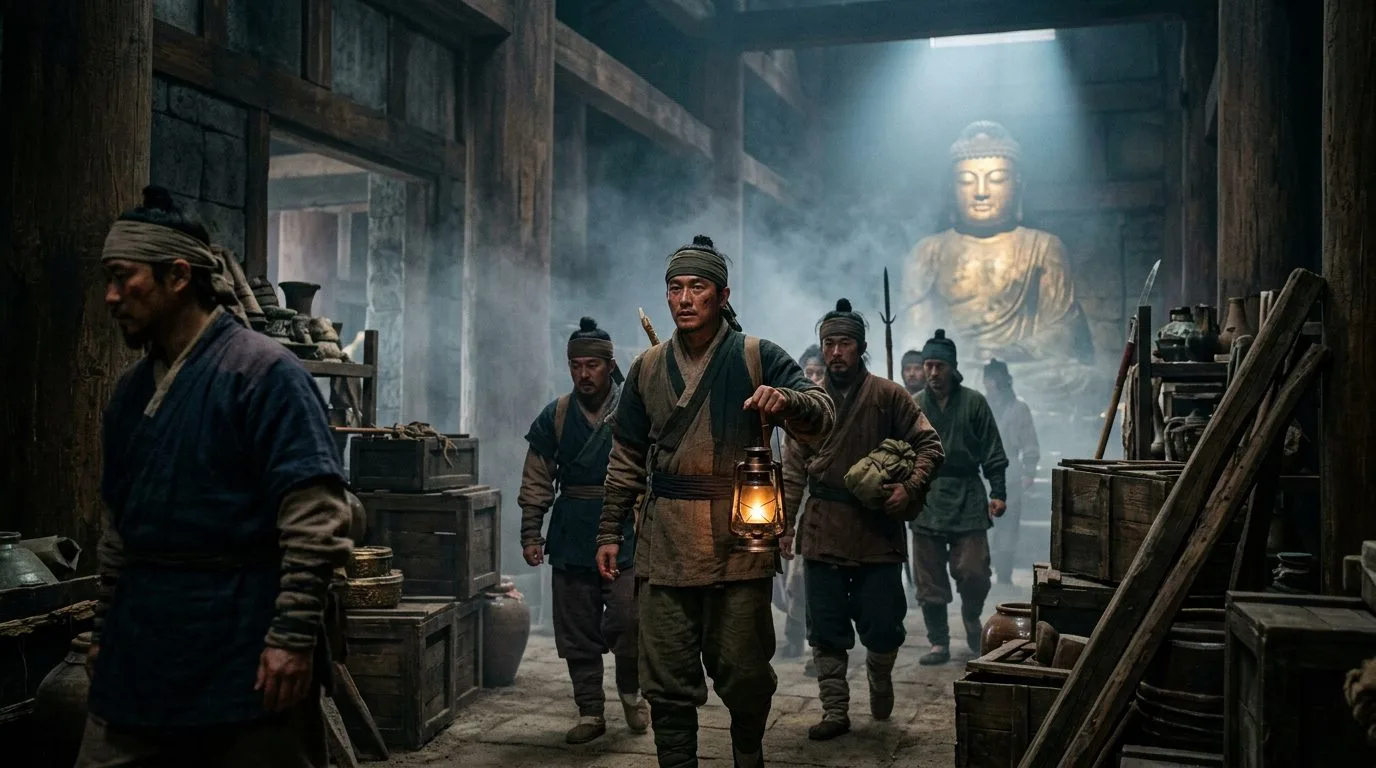
Korean Nobi Turned Buddhist Temple Into Fortress
In 1198 CE, hereditary slaves called nobi—comprising nearly 30 percent of Korea’s population—seized control of the Hwangnyong Temple complex in the Goryeo kingdom. Led by a slave named Manjeok, over 6,000 rebels fortified the sprawling Buddhist compound and demanded the abolition of hereditary bondage status. Manjeok’s forces controlled the region for eight months, defeating government troops three times before betrayal by a collaborator enabled their defeat. King Sinjong executed the leaders but quietly reformed inheritance laws to prevent similar uprisings. The Goryeosa chronicle devoted exactly four sentences to an event that paralyzed the kingdom.
Source: britannica.com
7. Enslaved Tang Soldiers Took the Emperor’s Palace
Enslaved Tang Soldiers Took the Emperor’s

Enslaved Tang Soldiers Took the Emperor’s Palace
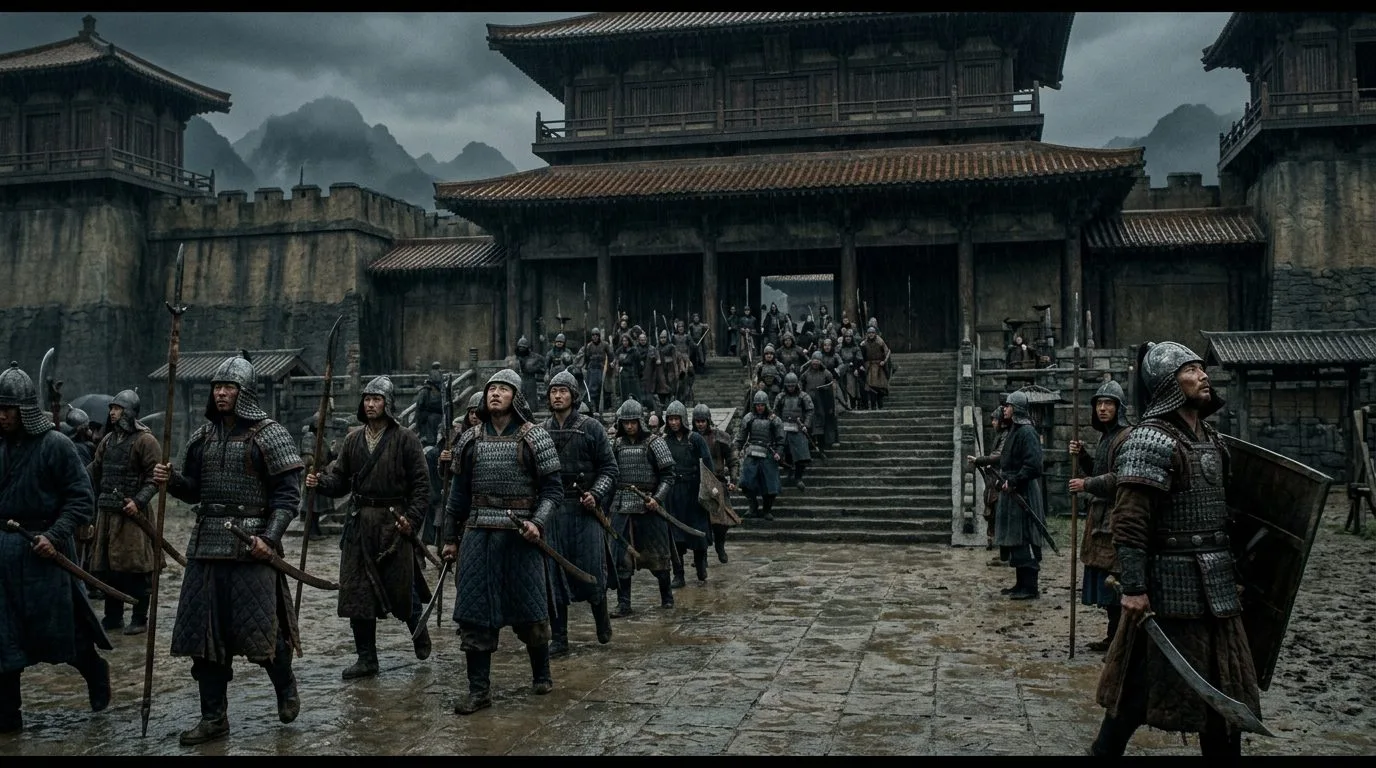
In 756 CE, approximately 15,000 slave soldiers—buqu—stationed in Chang’an mutinied during the An Lushan Rebellion, briefly capturing the Tang imperial palace. These warriors were technically owned by aristocratic families but trained as elite cavalry, creating a dangerous contradiction. Led by a commander named Wang Yuanzhi, the mutineers held the capital for forty-two days while Emperor Xuanzong fled south. The rebellion collapsed when Wang was assassinated, but Tang authorities immediately reclassified all buqu as ‘indentured guards’ in official records. References to the mutiny itself vanished from court histories within a generation.
Source: britannica.com
8. Nubian Captives Nearly Ended Egypt’s New Kingdom
Nubian Captives Nearly Ended Egypt’s New
Nubian Captives Nearly Ended Egypt’s New Kingdom
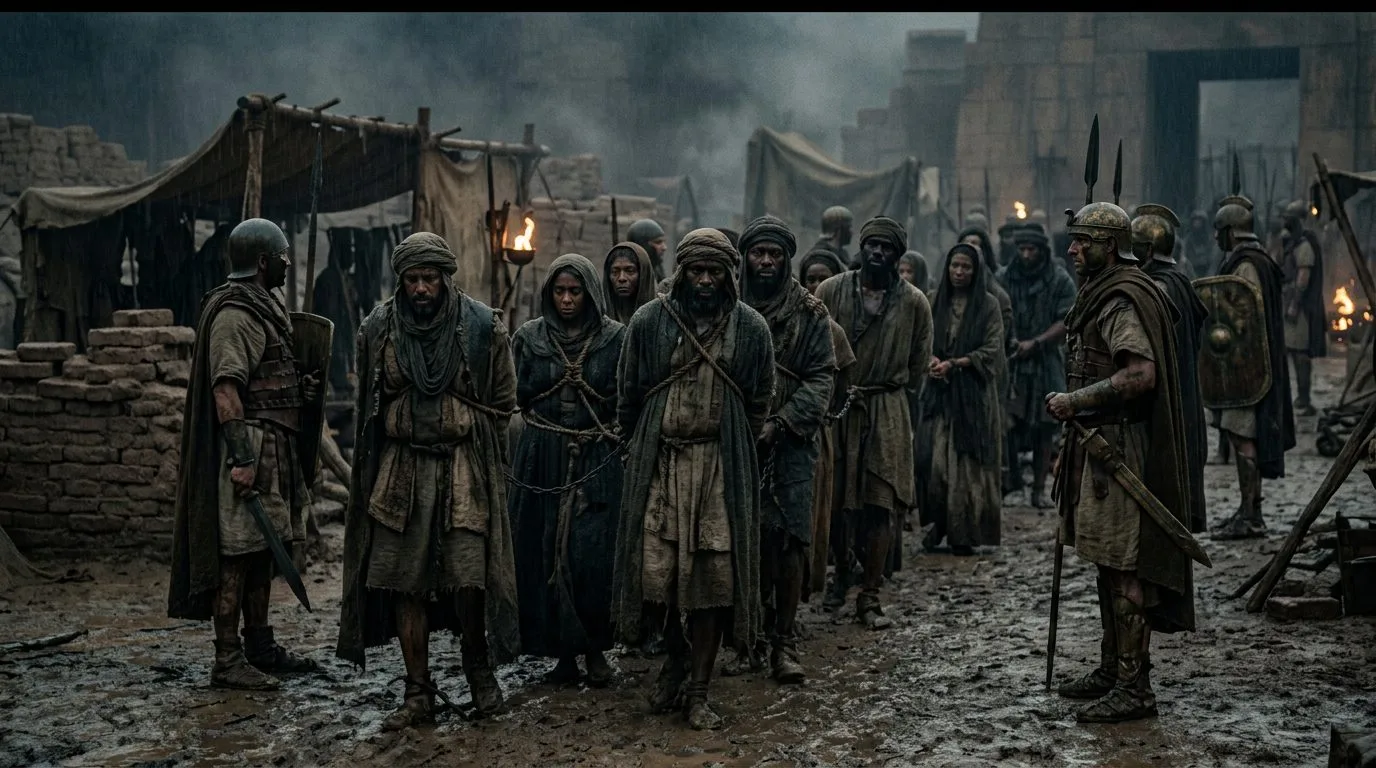
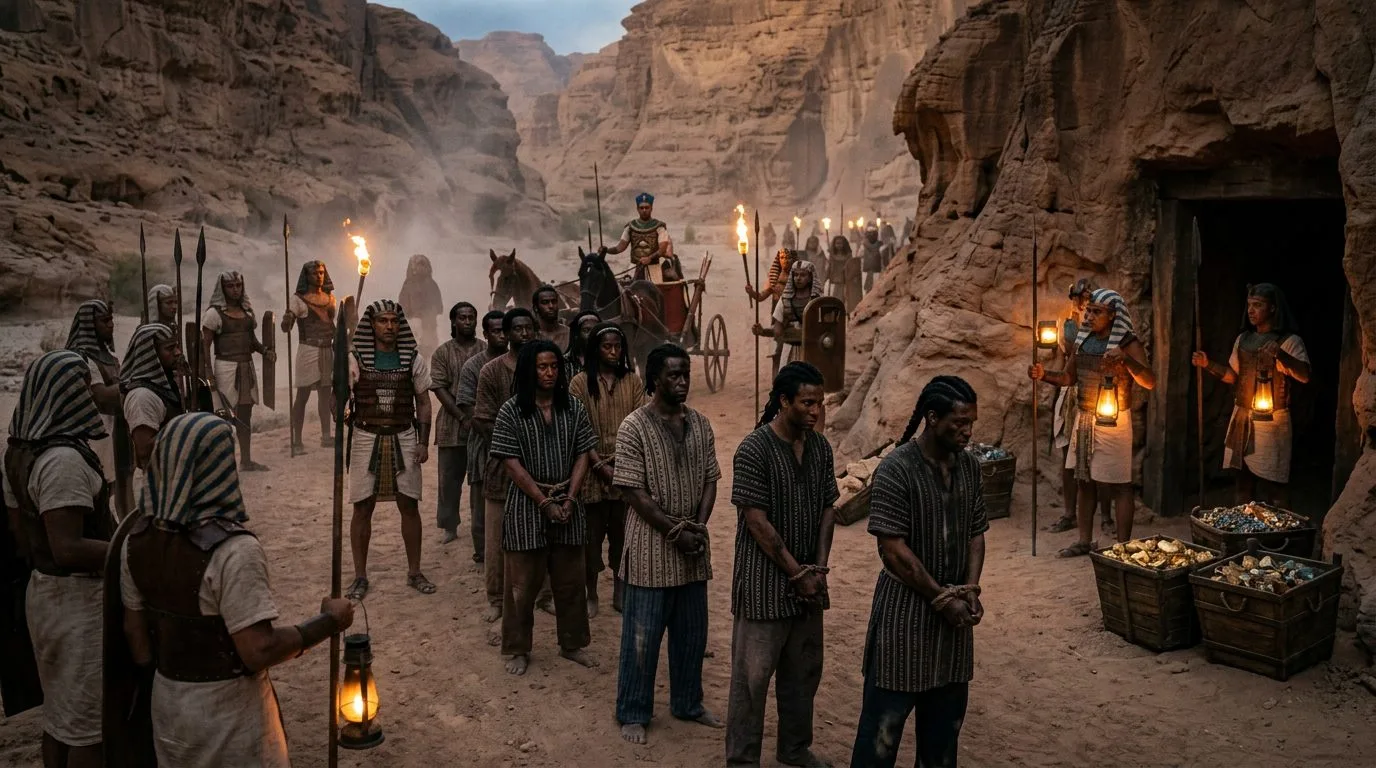
Around 1295 BCE, during Seti I‘s reign, enslaved Nubian gold miners in the Eastern Desert coordinated a mass uprising that threatened Egypt’s economy. These 8,000 workers controlled access to the Wadi Hammamat mines, which produced 75 percent of Egypt’s gold supply. The revolt lasted eleven months before royal troops could suppress it, requiring Seti to personally lead three military expeditions. One fragmentary stela describes ‘the year of southern fire,’ but systematic defacement of the inscription suggests deliberate historical suppression. The rebellion forced permanent garrisoning of mining regions at enormous cost.
Source: britannica.com
9. Thracian Slaves Held Macedonia’s Mines for Ransom

Thracian Slaves Held Macedonia’s Mines for
Thracian Slaves Held Macedonia’s Mines for Ransom
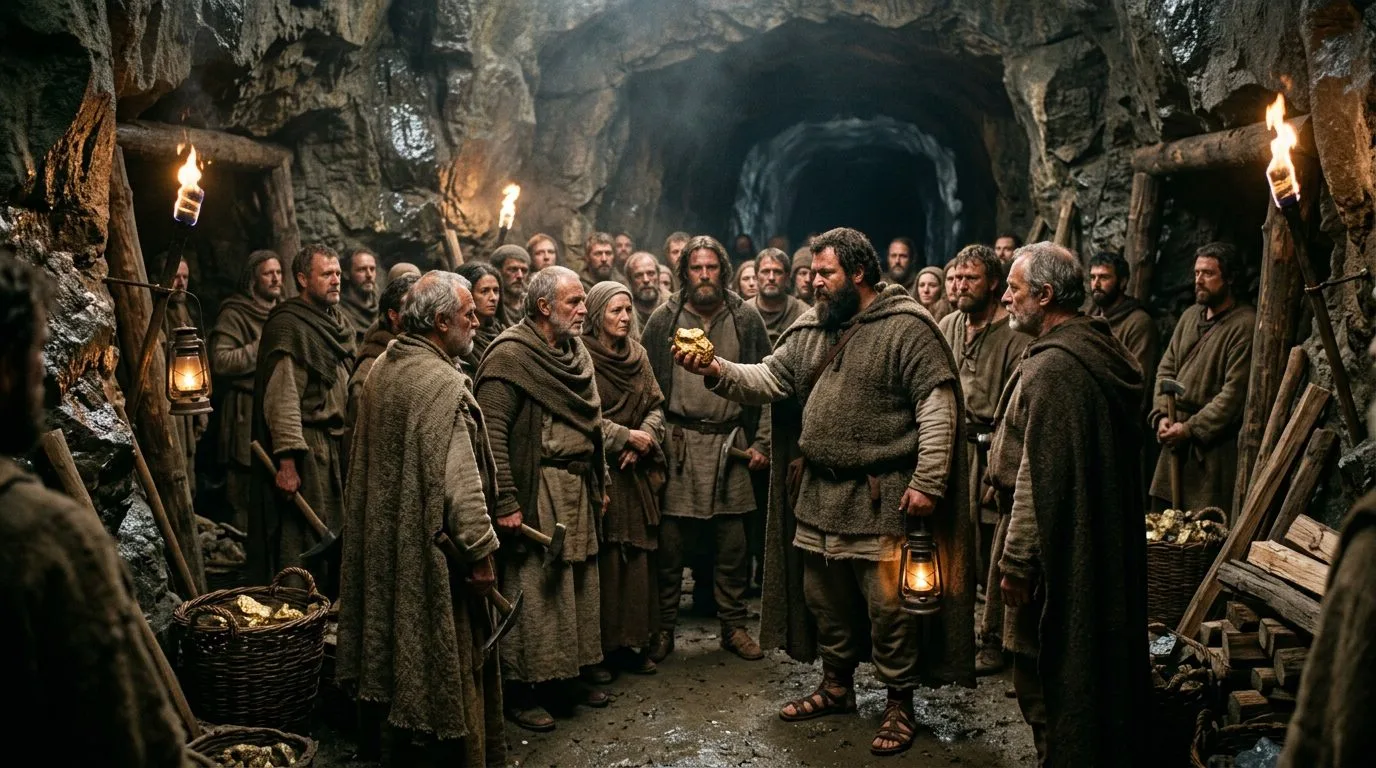
In 356 BCE, the same year Alexander the Great was born, enslaved Thracian miners seized the Pangaion gold mines that financed Philip II‘s military expansion. Approximately 12,000 rebels controlled Macedonia’s primary revenue source, demanding freedom and safe passage to Thrace. The uprising lasted nine months before Philip personally negotiated—unusually—granting limited autonomy to mine workers rather than executing rebels. Macedonian court historians attributed Philip’s concessions to ‘administrative reorganization,’ never mentioning the rebellion that forced his hand. The mines produced 1,000 talents of gold annually, making this leverage impossible to ignore.
Source: britannica.com
10. Dalmatian Miners Created Rome’s First Labor Union
Dalmatian Miners Created Rome’s First Labor
Dalmatian Miners Created Rome’s First Labor Union
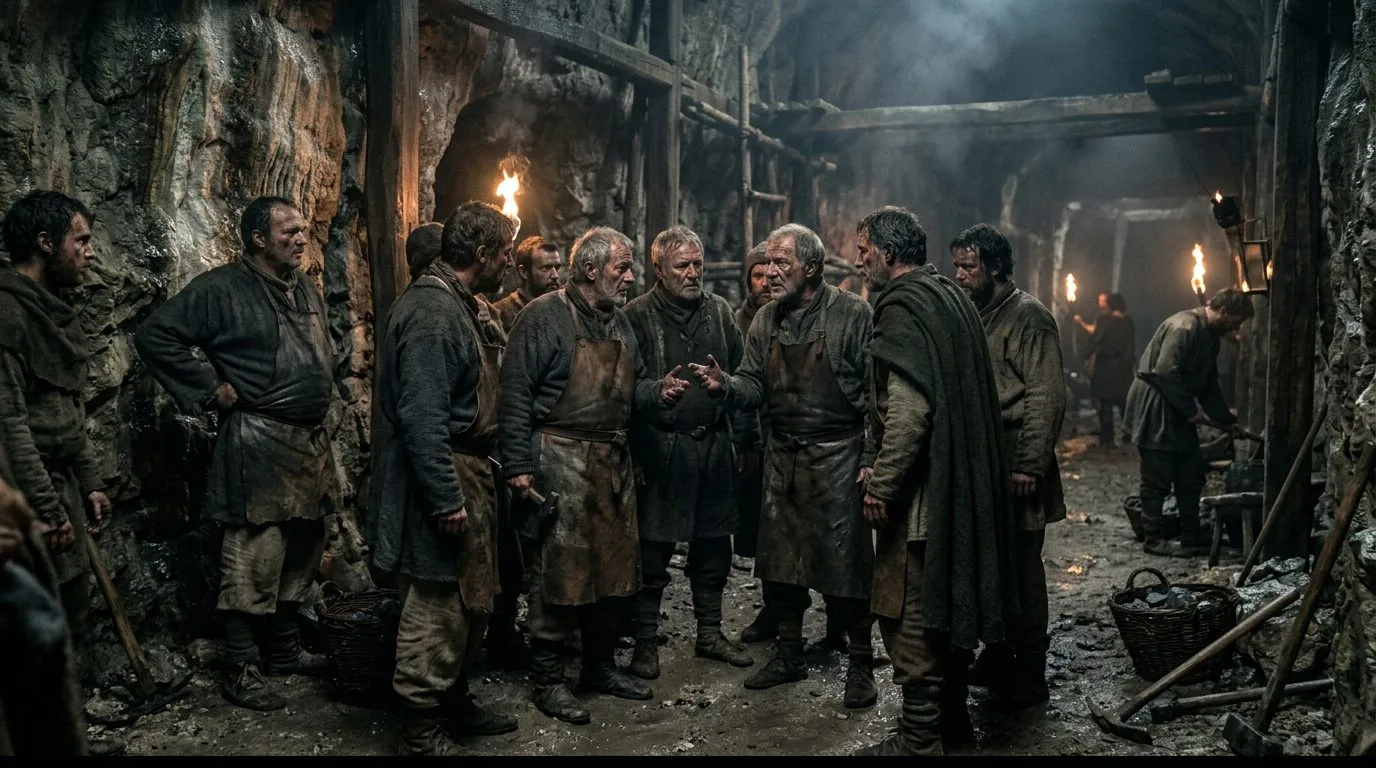
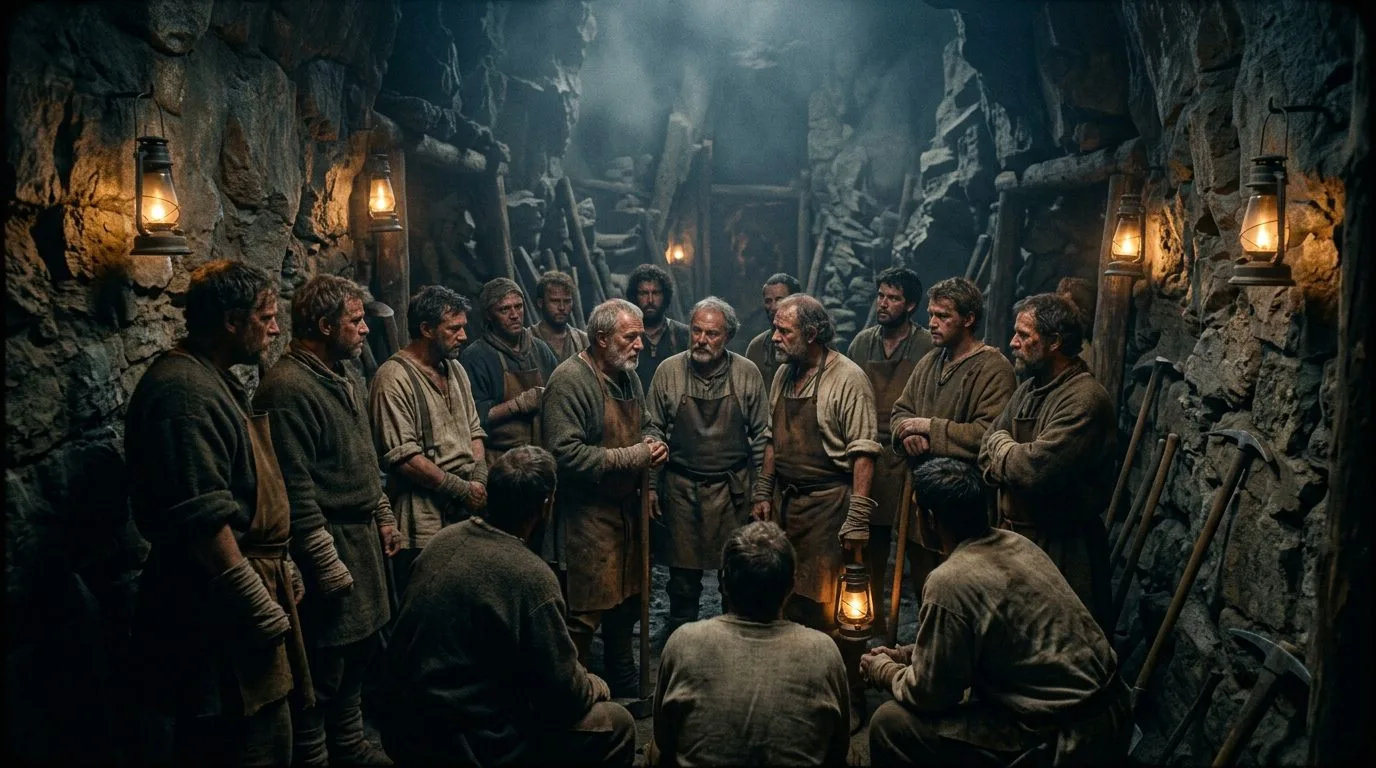
In 119 CE, enslaved workers in Emperor Hadrian‘s Dalmatian silver mines organized history’s first documented labor collective, the ‘collegium metallicorum.’ Over 4,000 miners coordinated work stoppages, demanding specific hours, rest periods, and injury compensation—revolutionary concepts. The uprising forced Hadrian to grant unprecedented concessions, including limiting shifts to six hours and establishing a victim compensation fund. Roman officials carefully framed these changes as imperial benevolence rather than concessions to slave pressure. The collegium’s charter survived on a single bronze tablet, discovered in antiquity in the region of modern-day Bosnia.
Source: britannica.com
Did You Know?
The Zanj rebels in Iraq actually maintained their independent state longer than the Confederate States of America existed—fourteen years versus four—yet most history curricula never mention them. Meanwhile, Sumerian debt slaves invented the concept of ‘jubilee’ debt forgiveness 4,400 years ago, a practice that influenced Judaic law and eventually Biblical tradition. Perhaps most striking: enslaved workers achieved the world’s first regulated work hours not in Industrial Revolution England, but in Roman Dalmatia under Hadrian, where desperate miners forced an empire to acknowledge that human endurance has limits—even when that humanity was legally denied.