
The Age of Exploration wasn’t driven by curiosity—it was driven by profit margins. Behind every colonial map lay a corporate charter worth killing for. These ten monopolies sparked wars, toppled governments, and redrew the world’s borders.
1. The Dutch Banda Islands Massacre: When Nutmeg Cost 15,000 Lives

The Dutch Banda Islands Massacre
In 1621, Dutch Governor-General Jan Pieterszoon Coen ordered the systematic extermination of the Bandanese people to secure the world’s only nutmeg supply. The Dutch East India Company’s forces killed approximately 15,000 islanders—nearly 90 percent of the population—on the remote Banda Islands in modern Indonesia. Coen enslaved the survivors and replaced them with Dutch plantation workers to maintain absolute control over nutmeg production. A single pound of nutmeg sold in Europe for 68,000 times its purchase price in the Banda Islands, making it literally worth more than gold. This genocide established the VOC’s spice monopoly that would fund Dutch global expansion for two centuries.
Source: britannica.com
2. The Opium Wars: Britain’s Drug Monopoly That Humiliated China
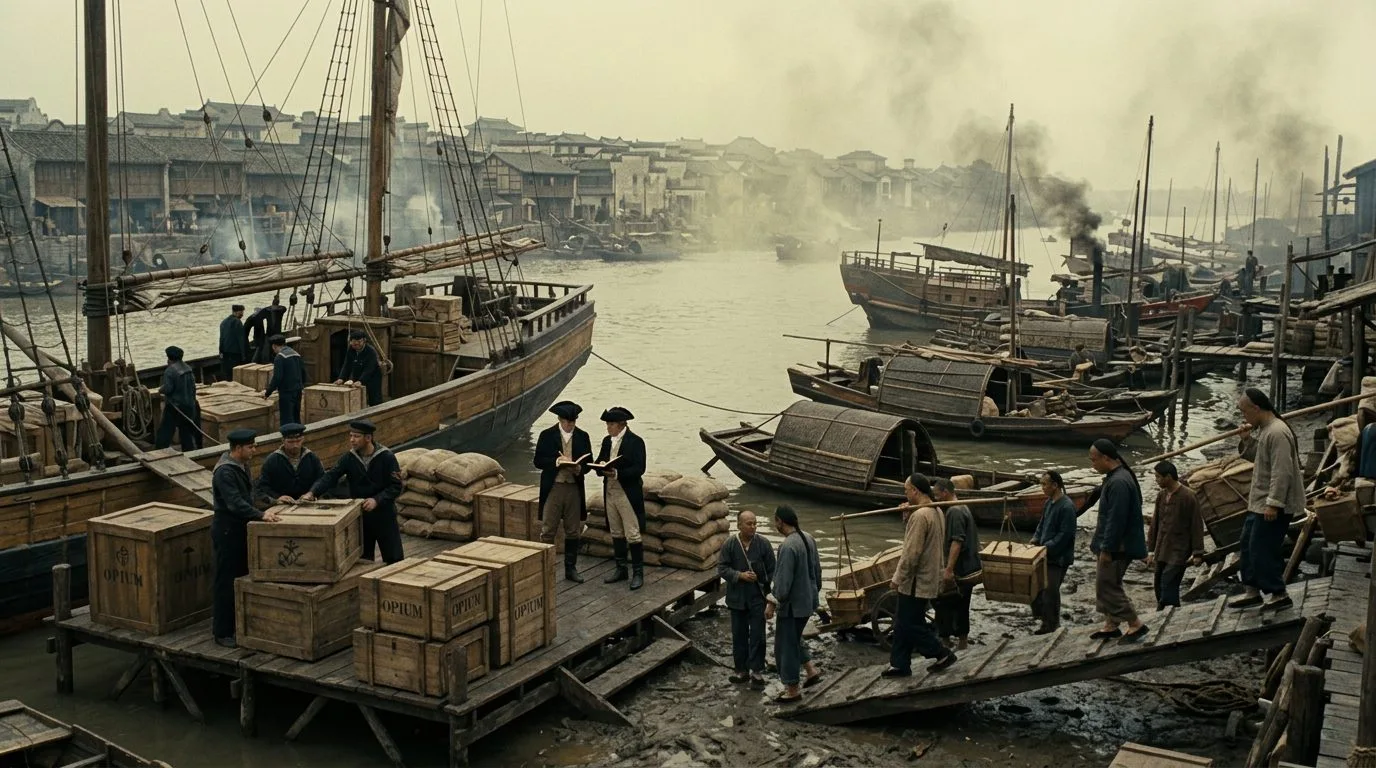
The Opium Wars
The English East India Company manufactured a deliberate drug addiction crisis to reverse its trade deficit with China. By 1838, the company was smuggling 40,000 chests of opium annually into China—enough to addict roughly 12 million Chinese citizens. When the Qing Dynasty’s Commissioner Lin Zexu destroyed 20,000 chests worth £2 million in Canton, Britain declared war in 1839 to protect its opium monopoly. The British Royal Navy’s 16 warships crushed China’s outdated fleet, forcing the Treaty of Nanking in 1842, which ceded Hong Kong and opened five treaty ports. The Second Opium War in 1856 further devastated China, legalizing the drug trade and extracting 8 million silver taels in reparations.
Source: history.com
3. Portugal’s Pepper Monopoly: The Violent Birth of Global Trade Routes
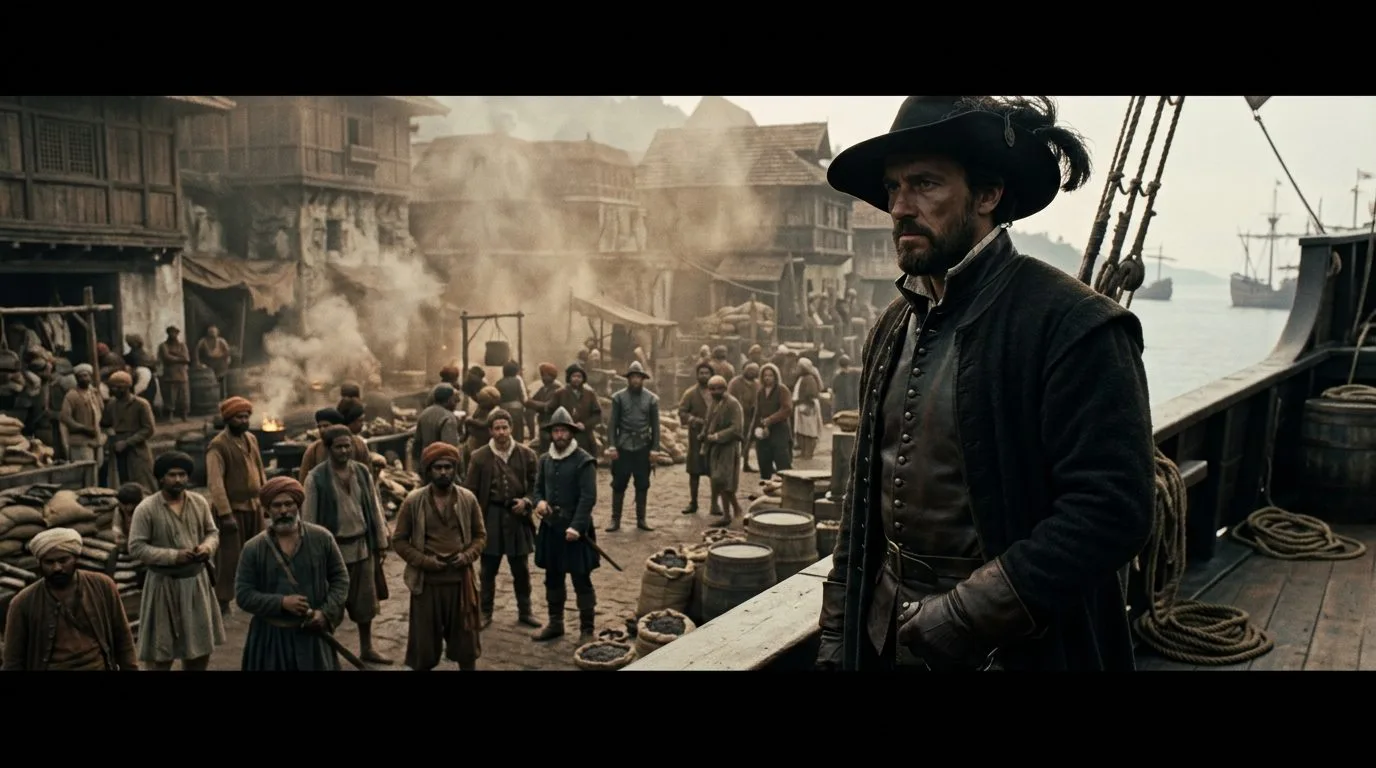
Portugal’s Pepper Monopoly
Vasco da Gama’s 1498 arrival in Calicut sparked a century-long Portuguese campaign to monopolize the Indian Ocean pepper trade through systematic naval terrorism. Portuguese Admiral Afonso de Albuquerque captured Goa in 1510, Malacca in 1511, and Hormuz in 1515, creating a fortified trade network that controlled every major spice route. The Portuguese Crown decreed that any non-Portuguese ship carrying pepper would be sunk on sight, enforcing this policy by burning Arab dhows with their crews still aboard. Between 1500 and 1600, Portugal extracted roughly 2.5 million cruzados annually from pepper sales—equivalent to half the Crown’s total revenue. This monopoly collapsed only when Dutch and English rivals built superior fleets.
Source: britannica.com
4. Potosí’s Silver Mountain: The Monopoly That Funded an Empire and Spawned Pirates
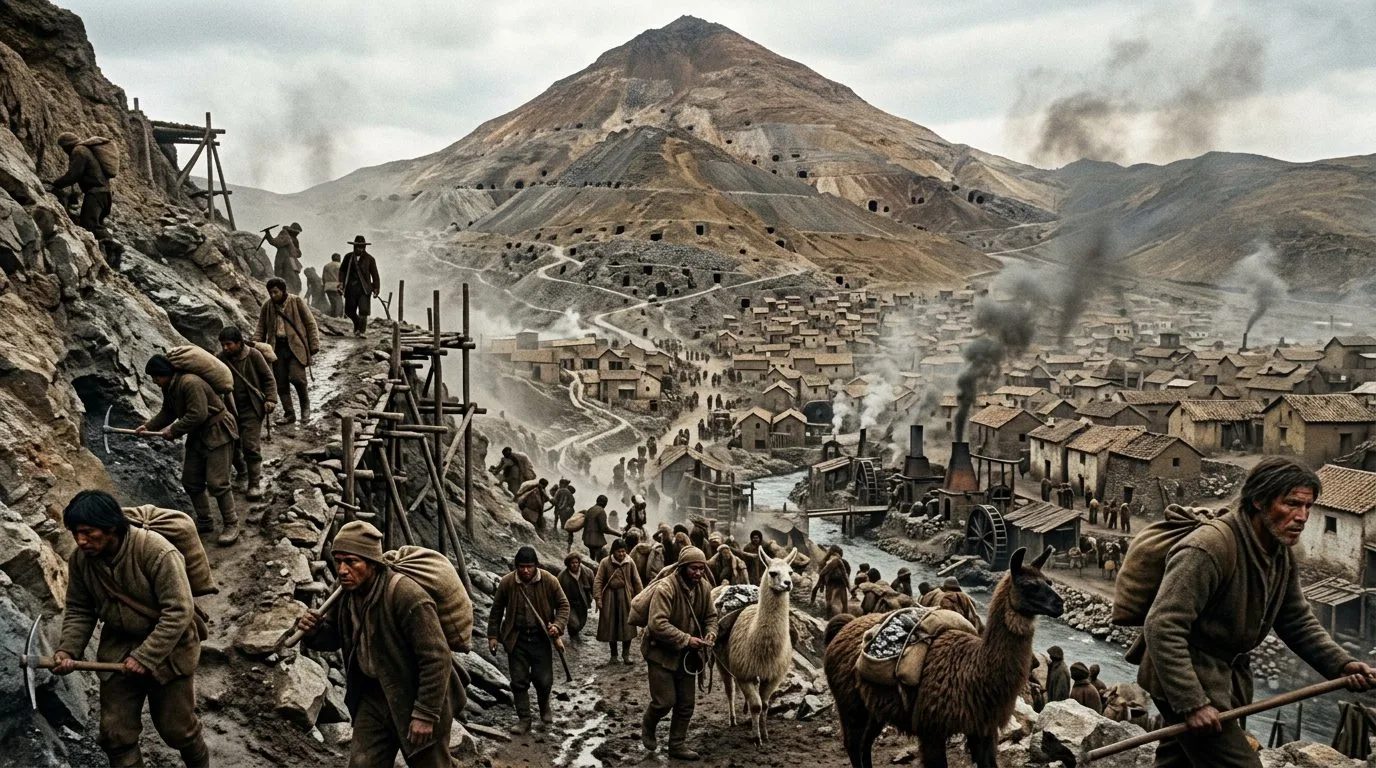
Potosí’s Silver Mountain
The discovery of silver at Cerro Rico in Potosí in 1545 created the richest monopoly in human history—and turned the Caribbean into a war zone. Spain extracted approximately 45,000 tons of silver from Potosí between 1545 and 1660, representing roughly 80 percent of the world’s silver supply. The Spanish Crown claimed one-fifth of all silver as royal tax, generating wealth that funded wars across Europe. This monopoly made Spanish treasure fleets irresistible targets: English privateer Francis Drake captured the Nuestra Señora de la Concepción in 1579, seizing 80 pounds of gold and 26 tons of silver in a single raid. The competition for Spain’s silver monopoly directly sparked Anglo-Spanish naval warfare that culminated in the 1588 Armada.
Source: smithsonianmag.com
5. Hudson’s Bay Company: The Fur Monopoly That Ignited a Continental War

Hudson’s Bay Company
King Charles II’s 1670 charter granted the Hudson’s Bay Company monopoly rights over 1.5 million square miles—roughly one-twelfth of Earth’s land surface—triggering a century of Anglo-French proxy wars. The HBC’s control of the lucrative beaver pelt trade, which supplied 90 percent of European hat-making felt, made it worth fighting for. French traders from New France launched armed raids on HBC posts, capturing York Factory in 1694 and holding it for three years. The competition escalated into Queen Anne’s War in 1702, where control of fur-trading territories became a primary objective alongside European disputes. The 1713 Treaty of Utrecht finally recognized British monopoly rights, but violent skirmishes continued until 1763.
Source: britannica.com
6. Venice’s Glass Monopoly: When Industrial Secrets Became Capital Crimes
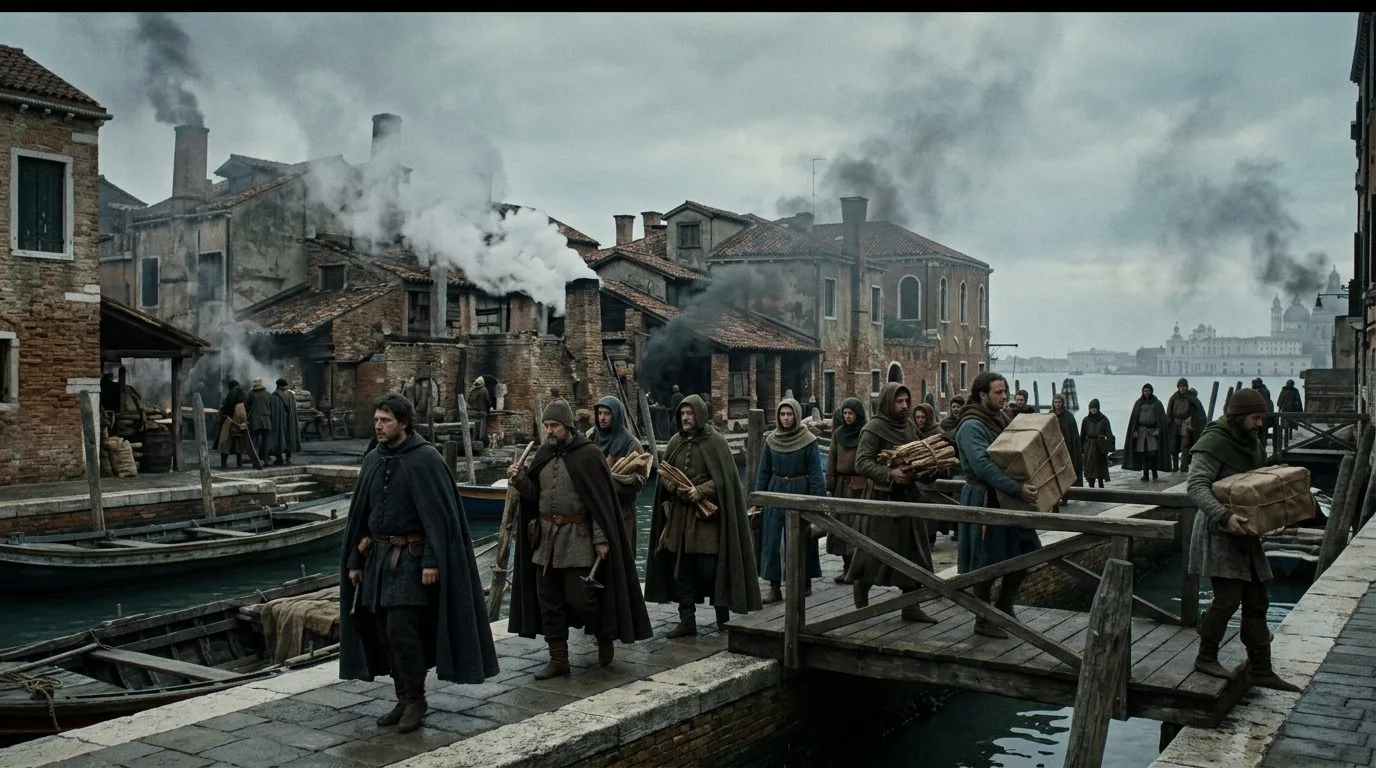
Venice’s Glass Monopoly
Venice transformed glassmaking into a monopoly so valuable that revealing its secrets carried a death sentence enforced across Europe. By 1291, the Venetian Republic relocated all glassmakers to the island of Murano, effectively creating history’s first industrial prison. Glassmakers who attempted to leave Venice faced assassination by the Council of Ten’s agents, who tracked defectors as far as France and Germany. The monopoly generated approximately 500,000 ducats annually by 1500, making Venetian cristallo glass worth ten times more than comparable products. When glassmaker Antonio Neri fled to Florence in 1602 and published glassmaking secrets, Venice’s assassins murdered him within two years, though the monopoly never fully recovered.
Source: history.com
7. British Tea Monopoly: How 342 Chests Sparked a Revolution
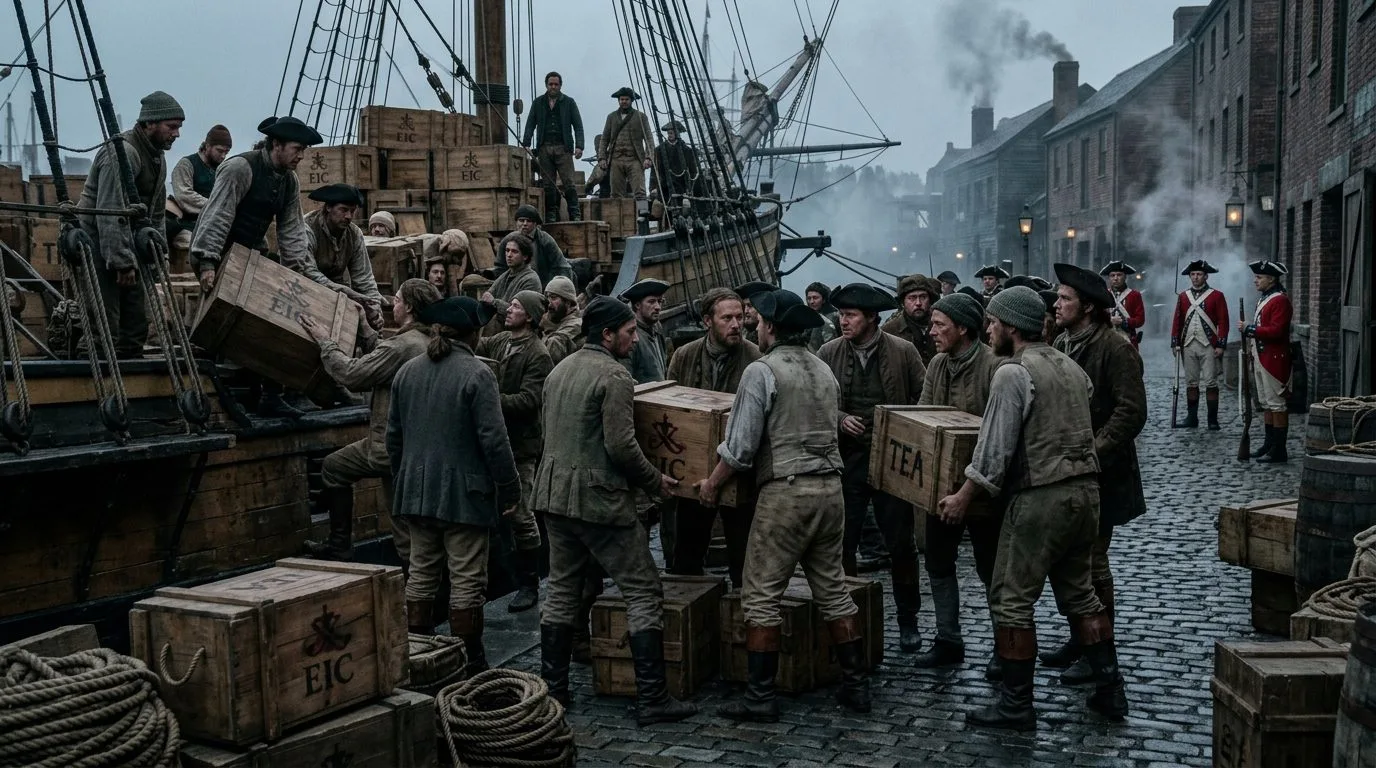
British Tea Monopoly
The Tea Act of 1773 granted the British East India Company absolute monopoly over American tea sales, directly triggering the revolution that would birth the United States. The Act eliminated colonial middlemen, allowing the Company to sell 17 million pounds of surplus tea at below-market prices while still collecting the hated Townshend duty. On December 16, 1773, Boston radicals destroyed 342 chests containing 92,000 pounds of tea worth £9,659—equivalent to roughly $1.7 million today. Parliament’s retaliatory Coercive Acts closed Boston Harbor and revoked Massachusetts’ charter, pushing moderate colonists toward rebellion. The tea monopoly dispute escalated into the Battles of Lexington and Concord on April 19, 1775, beginning the Revolutionary War.
Source: history.com
8. France’s Caribbean Sugar Monopoly: Sweet Profits, Bloody Wars
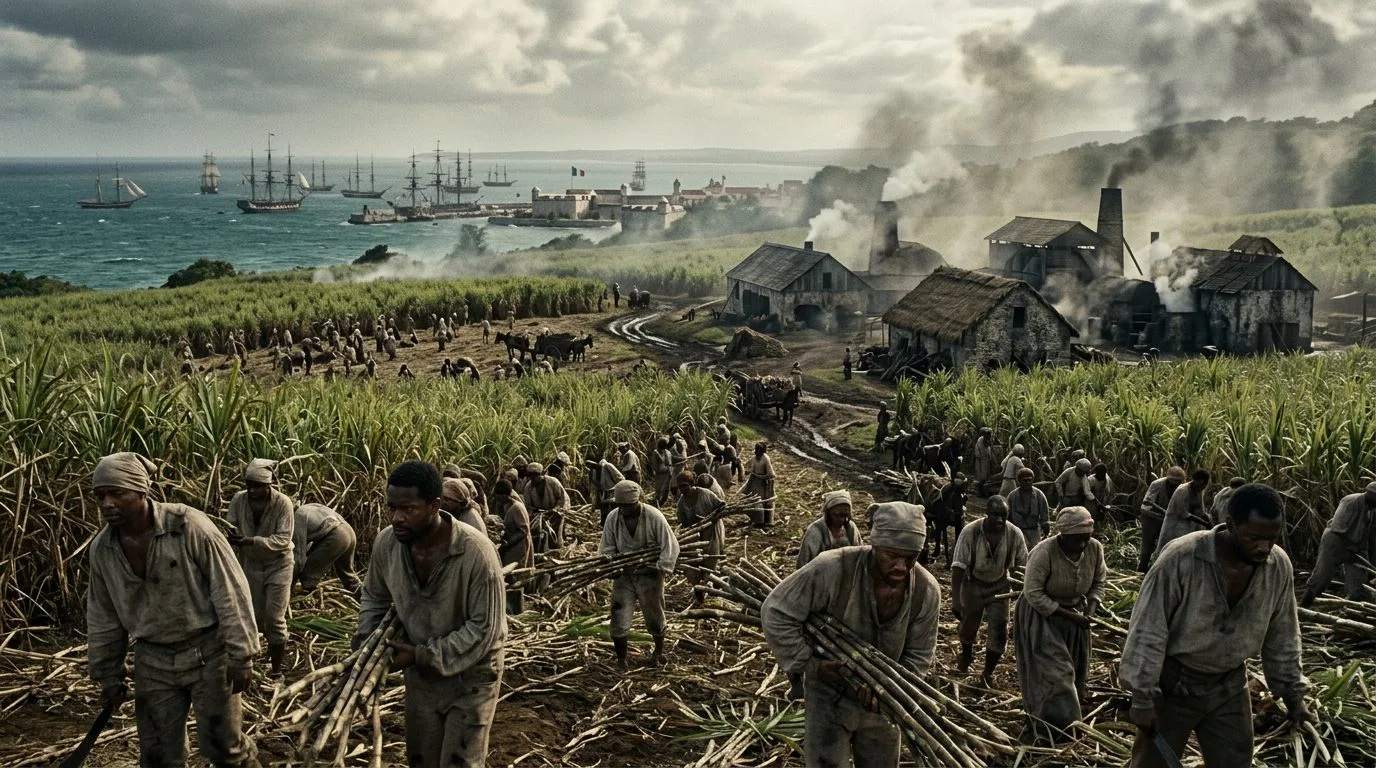
France’s Caribbean Sugar Monopoly
Saint-Domingue’s sugar plantations generated more wealth than all thirteen American colonies combined, making France’s Caribbean monopoly worth fighting multiple wars to protect. By 1789, Saint-Domingue alone produced 40 percent of the world’s sugar and 60 percent of its coffee, creating profits exceeding 300 million livres annually. France’s exclusif colonial system forbade colonies from trading with other nations, triggering armed conflicts with Britain during the War of Spanish Succession and the Seven Years’ War. The monopoly required approximately 500,000 enslaved Africans laboring on 792 sugar estates by 1791. When enslaved workers revolted that year, destroying the monopoly’s infrastructure, France lost revenues equivalent to Britain’s entire East India trade.
Source: britannica.com
9. Genoa’s Alum Monopoly: The Chemical That Financed Crusades and Trade Wars
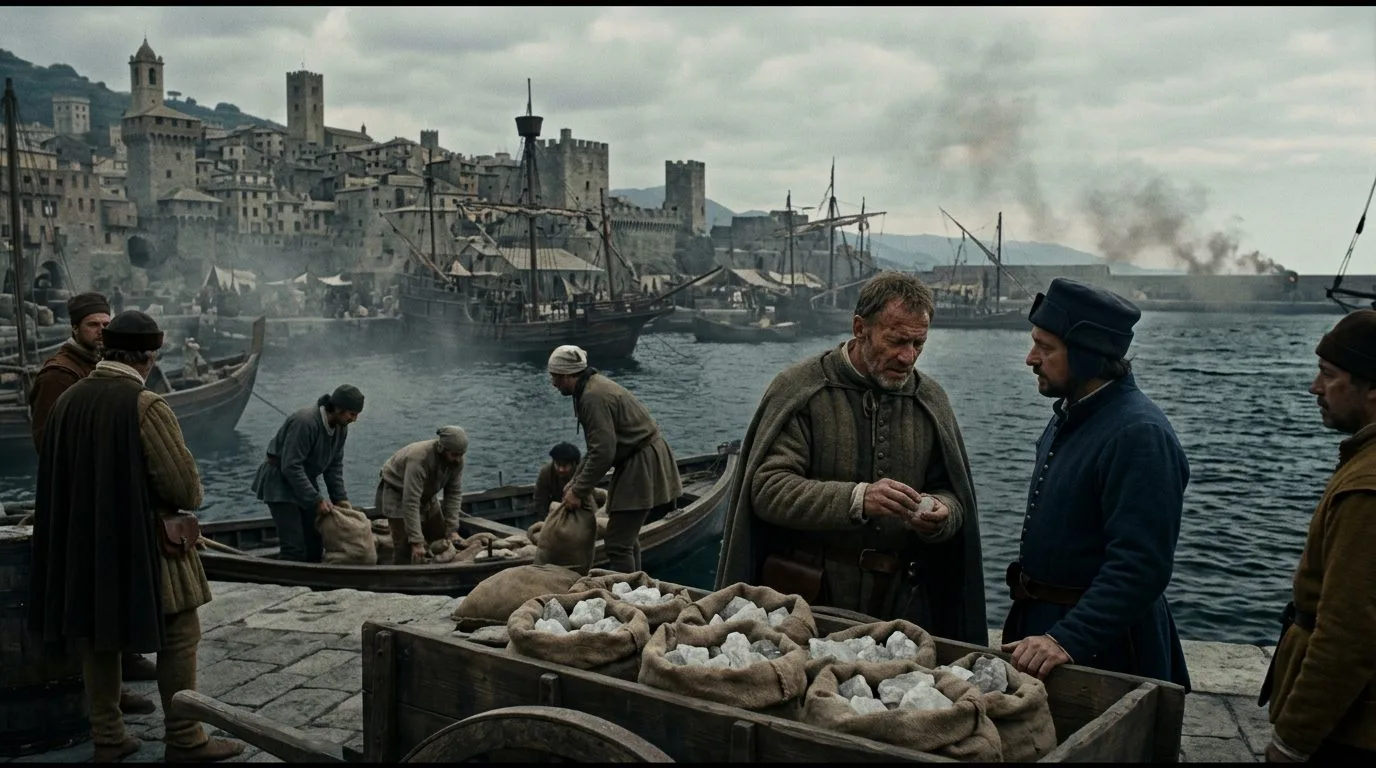
Genoa’s Alum Monopoly
Control of alum—the essential chemical for fixing textile dyes—gave Genoa enough wealth to finance wars against Venice and the Ottoman Empire throughout the 15th century. Genoese merchants secured exclusive rights to alum mines at Phocaea in 1275, controlling 90 percent of Europe’s supply of this irreplaceable textile chemical. When Ottoman Sultan Mehmed II conquered Phocaea in 1455, cutting off Genoa’s monopoly, it triggered a commercial crisis worth 200,000 ducats annually. Pope Pius II’s discovery of alum deposits at Tolfa in 1462 shifted the monopoly to papal control, with profits funding anti-Ottoman crusades. Genoa launched three separate naval campaigns between 1463 and 1479 attempting to recapture Phocaea, failing each time against Ottoman naval power.
Source: britannica.com
10. Dutch Tulip Mania: When Flower Monopolies Created History’s First Market Crash

Dutch Tulip Mania
The Dutch tulip bulb monopoly of 1636-1637 created the first recorded speculative bubble in financial history, with single bulbs selling for more than Amsterdam townhouses. Rare tulip varieties like Semper Augustus commanded prices reaching 6,000 guilders—equivalent to 25 years of a skilled craftsman’s wages. Monopoly holders controlled specific tulip strains through vegetative propagation, creating artificial scarcity that drove futures trading in bulbs not yet planted. On February 3, 1637, the market collapsed within hours when buyers simply stopped appearing at auctions, destroying fortunes and triggering lawsuits that lasted decades. Though the crash didn’t spark military conflict, it bankrupted enough Dutch merchants to weaken the Republic’s commercial dominance against English rivals.
Source: smithsonianmag.com
Did You Know?
The tulip crash of 1637 ruined Dutch merchants but created an unexpected winner: English gardeners purchased bankrupt bulb collections for pennies, establishing Britain’s horticultural dominance. Meanwhile, Venice’s desperate glassmakers who fled to Bohemia accidentally created the crystal glass industry that would destroy their former masters’ monopoly. History’s greatest irony? The Dutch East India Company’s nutmeg monopoly became worthless when a single Frenchman smuggled seedlings to Mauritius in 1770, ending two centuries of violence over a spice now sold for $3 per jar.