
Ancient Greek vases weren’t just containers—they were canvases for epic tales. One amphora from 540 BCE depicts Achilles and Ajax playing dice between battles, frozen in clay for eternity. These painted masterpieces preserve mythology, warfare, and daily life in stunning detail.
1. The François Vase Chronicles Seven Myths in One Masterpiece
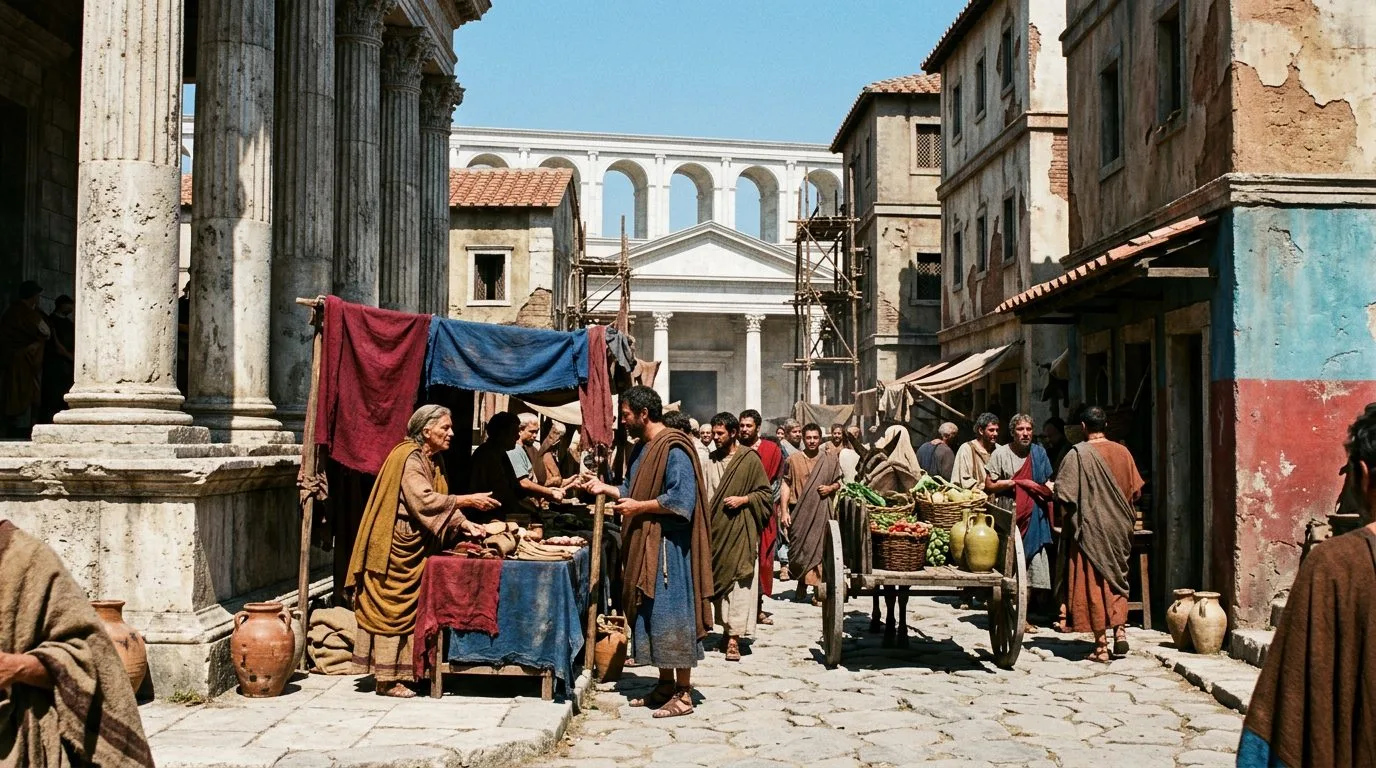
Ancient Greek black-figure pottery depicting
Crafted by potter Ergotimos and painter Kleitias around 570 BCE, this volute krater stands 66 centimeters tall and features 270 human and animal figures across six horizontal bands. The Florentine vase depicts everything from Achilles’ chariot race at Patroclus’s funeral to the Calydonian Boar Hunt, making it ancient Greece’s equivalent of a graphic novel. Discovered in an Etruscan tomb at Chiusi in antiquity, the vase was shattered by a museum guard in the nineteenth century but meticulously reconstructed from 638 fragments. Its comprehensive storytelling influenced vase painting for generations.
Source: britannica.com
2. Exekias Captured Ajax’s Suicide in Haunting Black-Figure
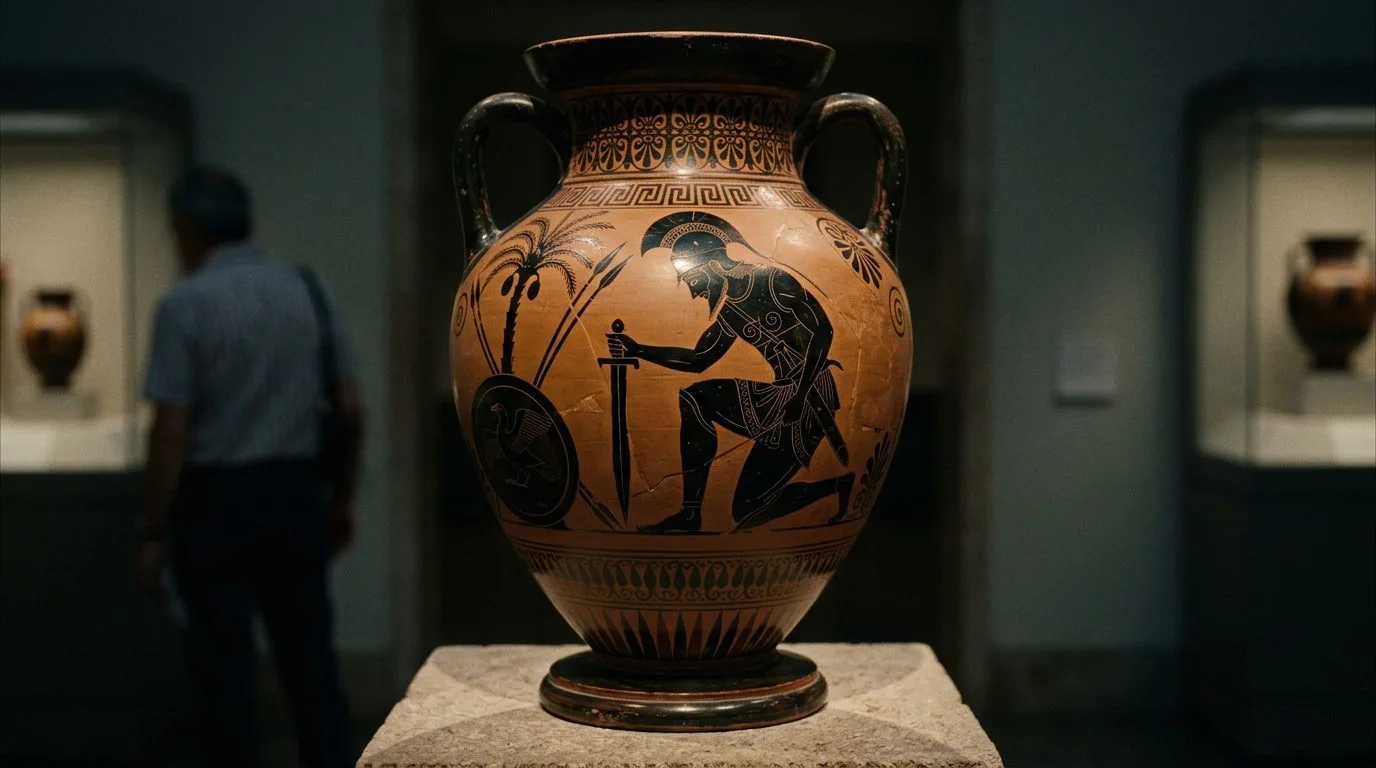
Exekias depicts Ajax’s tragic final moment.
Master painter Exekias created this amphora between 540 and 530 BCE, showing the Trojan War hero Ajax preparing his sword for suicide. The warrior plants his blade in the earth while his armor rests nearby—a moment of tragic calm before violence. Exekias signed only thirteen surviving vases, making each authenticated piece exceptionally rare. The composition’s psychological depth was revolutionary, showing not battle glory but the crushing weight of dishonor after Ajax lost Achilles’ armor to Odysseus. This single image influenced how Greeks portrayed heroic failure for the next century.
Source: britannica.com
3. The Euphronios Krater Shows Death’s Democracy
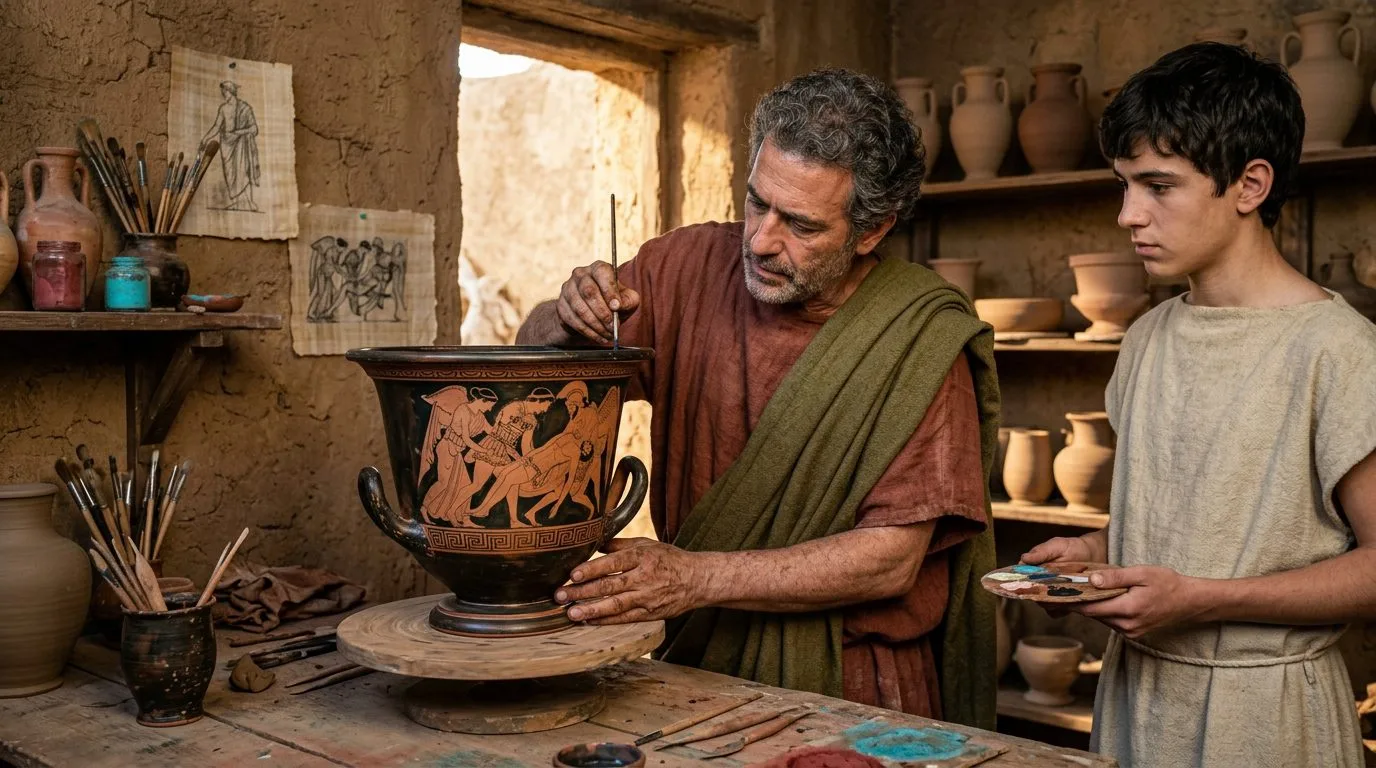
The Euphronios Krater Shows Death’s Democracy
Painted by Euphronios around 515 BCE, this calyx krater depicts the god Sleep and Death carrying the body of Sarpedon, killed at Troy. Standing 46 centimeters tall, the vase demonstrates the revolutionary red-figure technique invented in Athens around 530 BCE. Euphronios rendered anatomical details—muscles, veins, facial expressions—with unprecedented realism, transforming clay into flesh. The Metropolitan Museum acquired it in the twentieth century for one million dollars, though Italy later reclaimed it after proving it was looted from an Etruscan tomb. Even Zeus’s son couldn’t escape mortality, the vase reminds us.
Source: smithsonianmag.com
4. A Wedding Vase Preserved Ancient Matrimonial Rituals
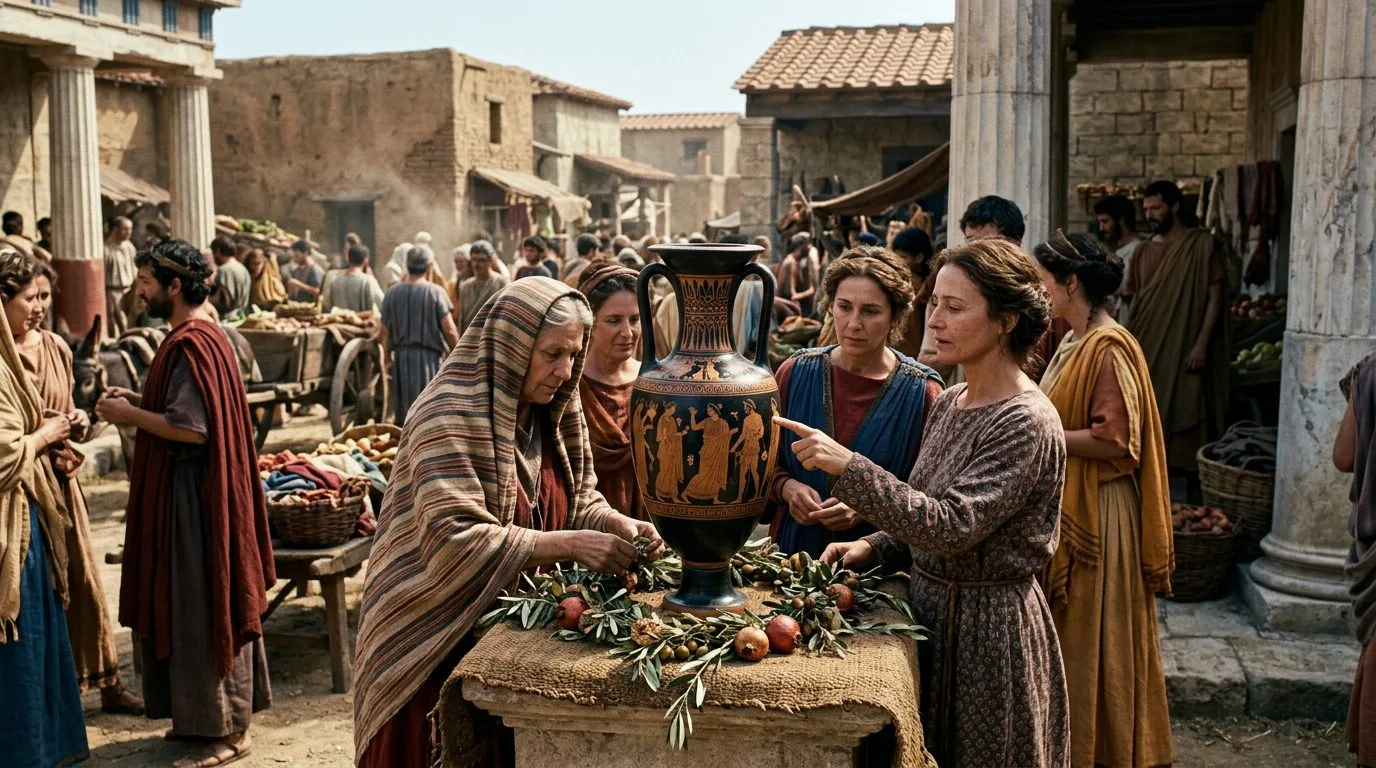
Ancient pottery reveals ceremonial marriage
This loutrophoros from approximately 430 BCE shows the elaborate procession that transported a bride to her new home. The tall, slender vase with twin handles was specifically designed to carry water for prenuptial baths, making it both functional and symbolic. Painted scenes show torch-bearing attendants, veiled brides, and musicians playing double flutes during the nighttime ceremony. Greeks placed these vases in the graves of those who died unmarried, suggesting the objects held deep emotional significance beyond decoration. The Metropolitan Museum’s example depicts fifteen figures participating in the sacred transition from maiden to wife.
Source: britannica.com
5. The Berlin Painter Made Gods Walk Among Mortals
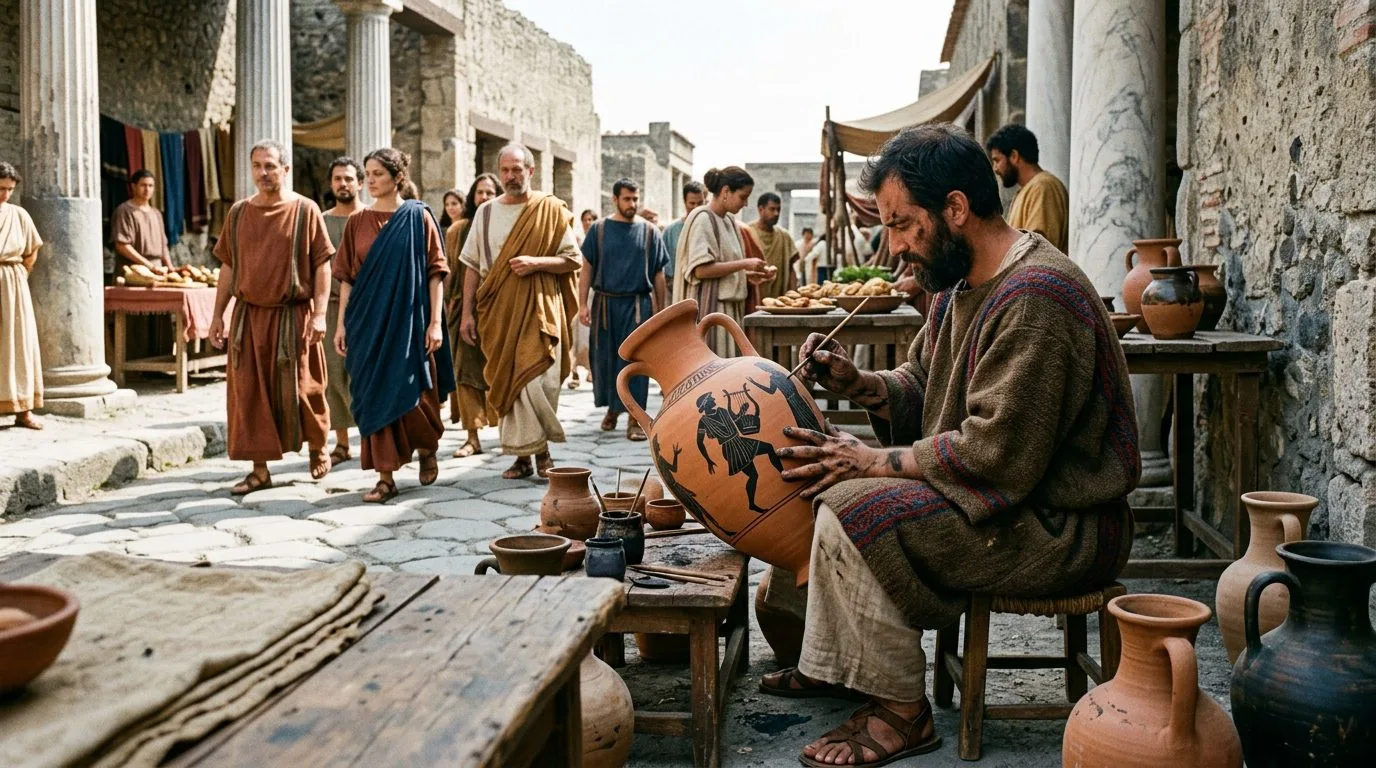
The Berlin Painter Made Gods Walk Among Mortals
An anonymous artist named for his amphora in Berlin’s Antikensammlung worked between 490 and 460 BCE, creating vessels where single figures dominate black backgrounds. His amphora showing a young satyr carrying a lyre demonstrates his signature style—isolated subjects seeming to float in space without ground lines. The Berlin Painter signed no works, yet scholars have attributed over 300 vases to his distinctive hand based on anatomical rendering and compositional choices. His contemporary, the Kleophrades Painter, worked in crowded narrative scenes, making this minimalist approach radically different. Each vase became a meditation rather than a story.
Source: britannica.com
6. The Niobid Krater Attempted Three-Dimensional Perspective
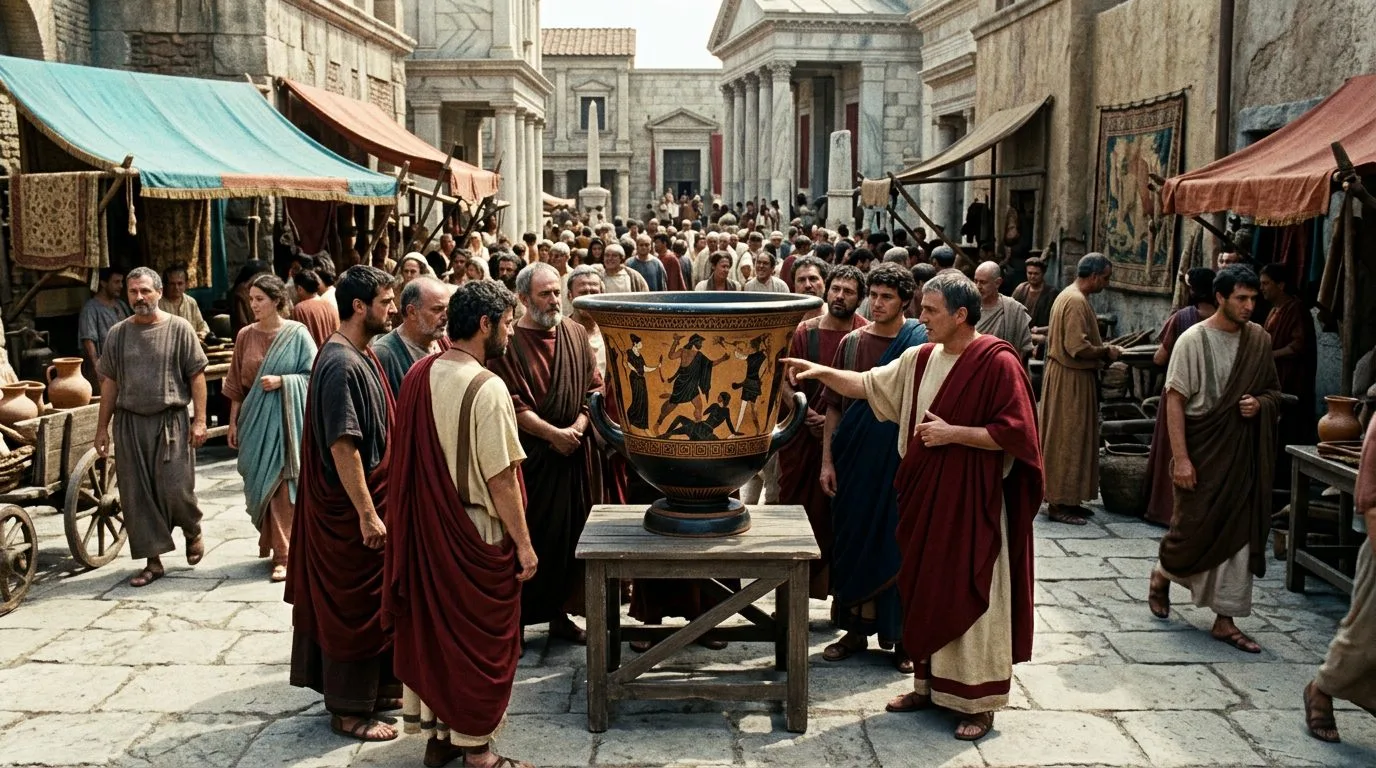
Ancient Greek vase explores depth through layered
Created around 460 BCE, this calyx krater depicts Apollo and Artemis slaughtering Niobe’s fourteen children to punish her boastfulness. The painter positioned figures at different ground levels—a revolutionary attempt at spatial depth that anticipated later Renaissance perspective by centuries. Previously, vase painters arranged figures along single baselines like freeze frames. The Niobid Painter scattered bodies across varying heights, suggesting hillside terrain where the massacre occurred. Seven children collapse with arrows piercing their bodies while the twin gods shoot from elevated positions. This technical innovation influenced monumental wall painting throughout classical Greece.
Source: britannica.com
7. An Athlete’s Prize Amphora Held 40 Liters of Olive Oil
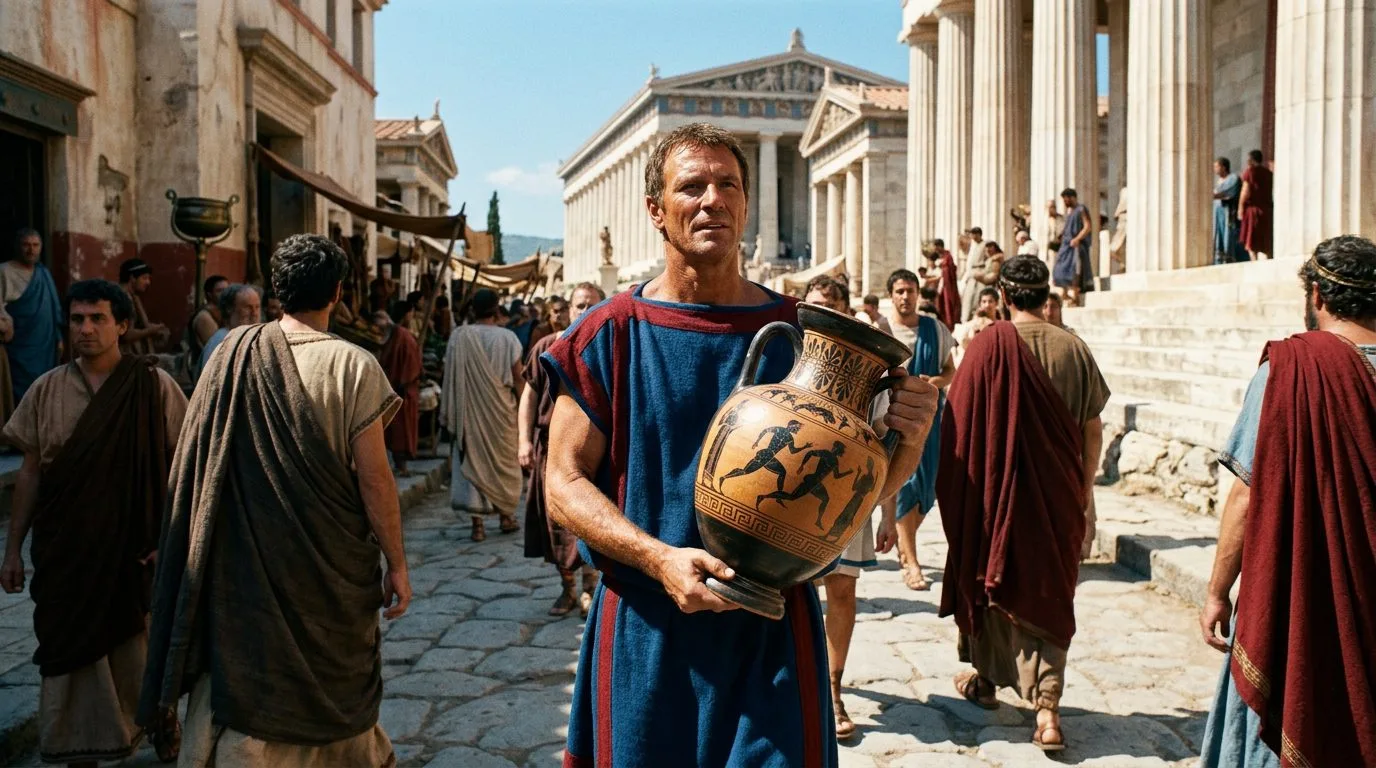
Ancient Greek victory prize amphora.
Victors at the Panathenaic Games received these distinctive black-figure amphorae filled with sacred olive oil from Athena’s grove, a tradition maintained from 566 BCE onward. One side always showed the goddess in fighting stance between columns topped with roosters, while the reverse depicted the winning event. A chariot race victor in the sixth century BCE received an amphora containing approximately 40 liters of oil worth half a year’s wages for a skilled craftsman. Unlike other vase styles that evolved, Panathenaic amphorae deliberately maintained archaic black-figure technique for centuries as a mark of tradition. Winners often sold the valuable oil rather than the prestigious container.
Source: britannica.com
8. The Siren Vase Showed Odysseus’s Impossible Choice
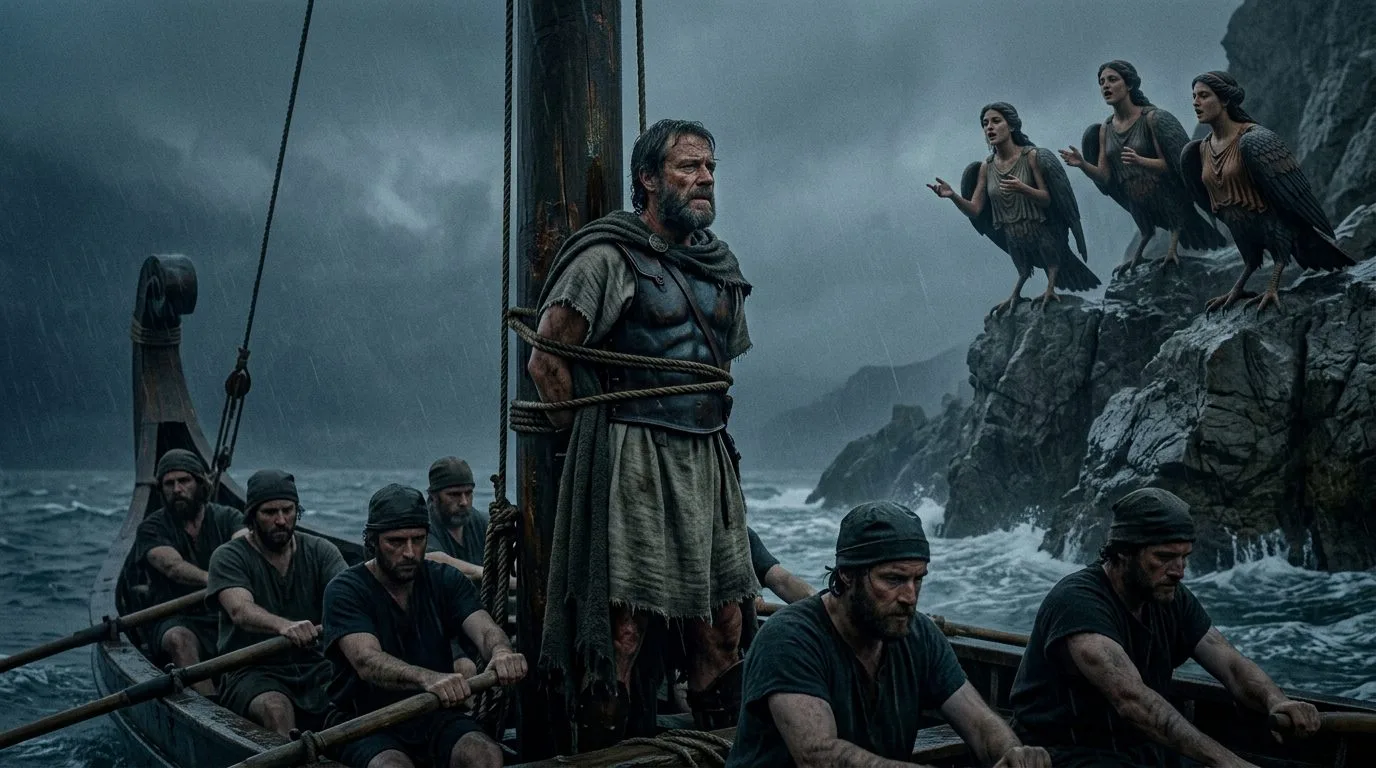
The Siren Vase Showed Odysseus’s Impossible Choice
This stamnos from approximately 480 BCE depicts Odysseus lashed to his ship’s mast while three bird-women sirens sing from rocky perches. The painter captured the psychological torment—Odysseus strains against his bonds, desperate to reach the singers, while his crew rows with wax-sealed ears. Ancient sources describe sirens as irresistible, yet this British Museum vase shows them as small, almost pathetic creatures hurling themselves toward the ship. One siren plunges headward into the sea, depicting the legend that they died when someone resisted their song. The image proved so popular that twenty similar compositions survive from the same decade.
Source: britannica.com
9. A symposium Cup Revealed Elite Drinking Culture
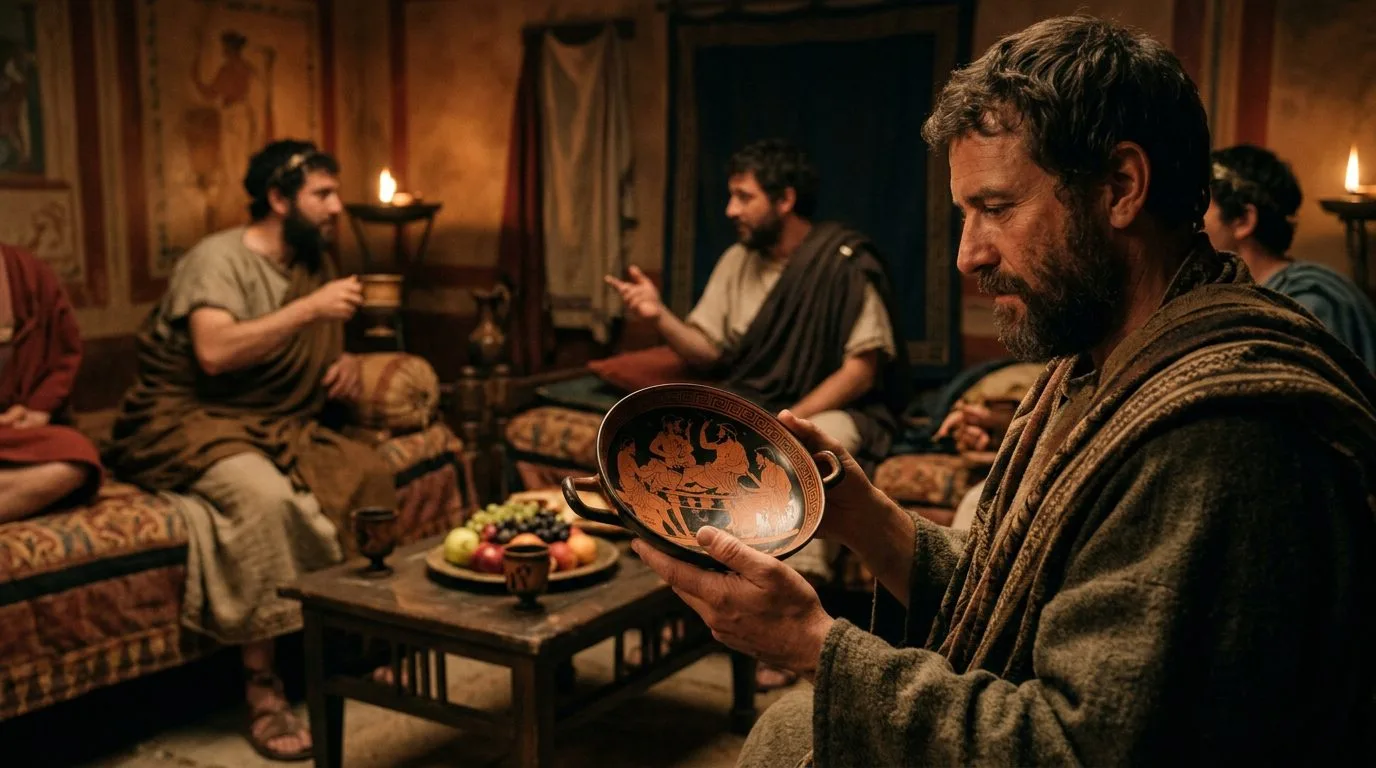
A symposium Cup Revealed Elite Drinking Culture
Painted around 490 BCE, this red-figure kylix shows reclining men at a symposium—the exclusive drinking parties where Greek aristocrats debated philosophy and politics. The shallow cup’s interior features a single drinker who appears to float in wine as the vessel empties, creating interactive art. Symposium cups typically held about 300 milliliters and were designed for a game called kottabos, where participants flung wine dregs at targets. This example by the Brygos Painter depicts musicians, servers, and increasingly drunk revelers across its exterior scenes. Women present are hetairai—educated courtesans—as respectable wives never attended these male gatherings.
Source: britannica.com
10. The Pronomos Vase Preserved Ancient Theater’s Origins
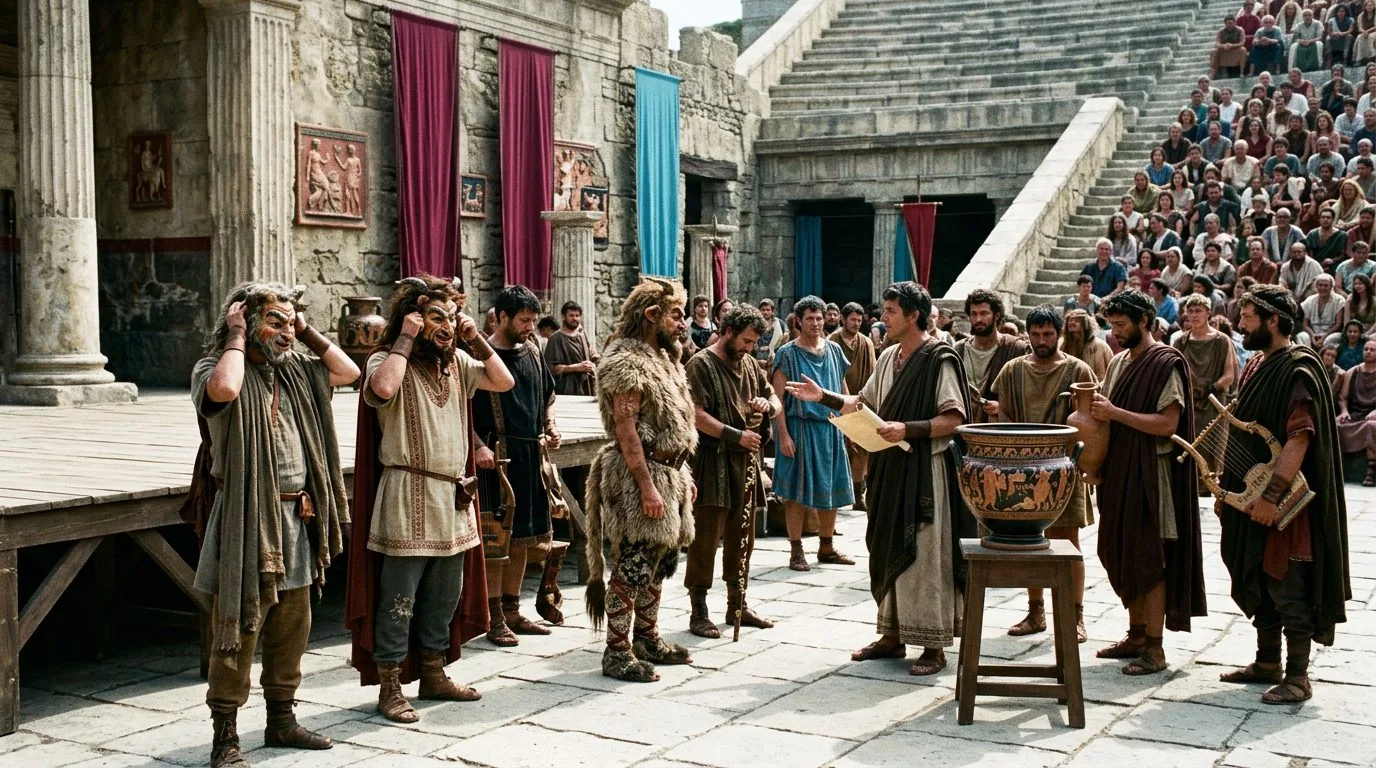
Ancient Greek vase reveals theater’s earliest
Created around 400 BCE in southern Italy, this extraordinary krater shows actors preparing for a satyr play, complete with masks, costumes, and the playwright himself. The vase names sixteen individuals including the sponsor Pronomos and depicts Dionysus reclining with his consort Ariadne, reminding viewers that theater was religious ritual. Actors hold their masks—some human, some grotesque satyr faces—while wearing the padded costumes and exaggerated features of comic performance. Standing 75 centimeters tall, it provides our most detailed visual evidence of fifth-century theatrical production. Three distinct mask types appear, corresponding exactly to descriptions in later theatrical treatises.
Source: britannica.com
Did You Know?
These ten vases transform clay into immortal narrative, preserving myths, rituals, and daily life with astonishing intimacy. Each brushstroke connected ancient Greeks to their gods and heroes—and now connects us to them across two and a half millennia of silence.