
When Pope Gregory VII declared in 1075 that he could depose emperors, he wasn’t making an idle threat—he was asserting a power that would reshape European politics for centuries. These are the church edicts that built medieval society.
1. Dictatus Papae: The Pope Claims Supreme Power Over Kings
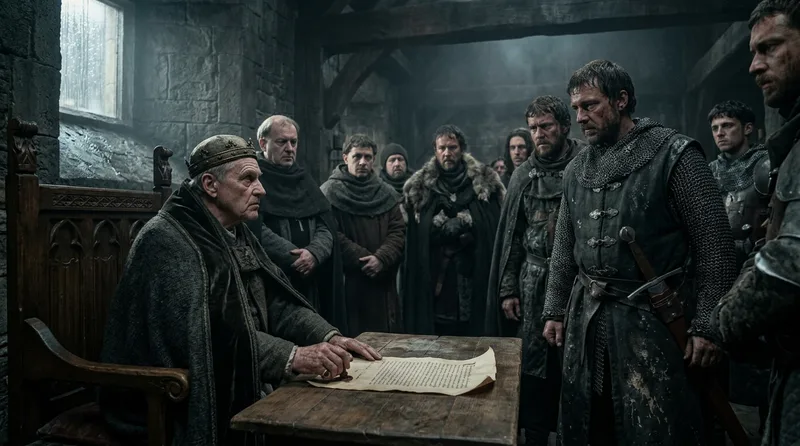
Pope Gregory VII issued the Dictatus Papae in 1075, a revolutionary document containing 27 propositions that fundamentally redefined papal authority. The decree boldly stated that the pope alone could depose emperors, that no one could judge the pope, and that the Roman Church had never erred and never would. This wasn’t mere theological posturing—Gregory enforced these claims immediately by excommunicating Holy Roman Emperor Henry IV in 1076 when the emperor refused to obey papal mandates regarding bishop appointments. The resulting Investiture Controversy lasted nearly 50 years and forced Henry to perform the famous Walk to Canossa in January 1077, standing barefoot in the snow for three days begging papal forgiveness. The decree established precedents that transformed Europe’s power structure, shifting authority from hereditary monarchs toward a centralized church hierarchy. By asserting that spiritual authority superseded temporal power, Gregory VII created a framework that would justify papal intervention in secular affairs for the next 400 years. The Dictatus Papae effectively ended the ancient notion that emperors ruled by divine right independent of church approval, replacing it with a system where popes crowned—and could uncrown—rulers across Christendom.
Source: britannica.com
2. The Celibacy Mandate That Transformed the Catholic Priesthood
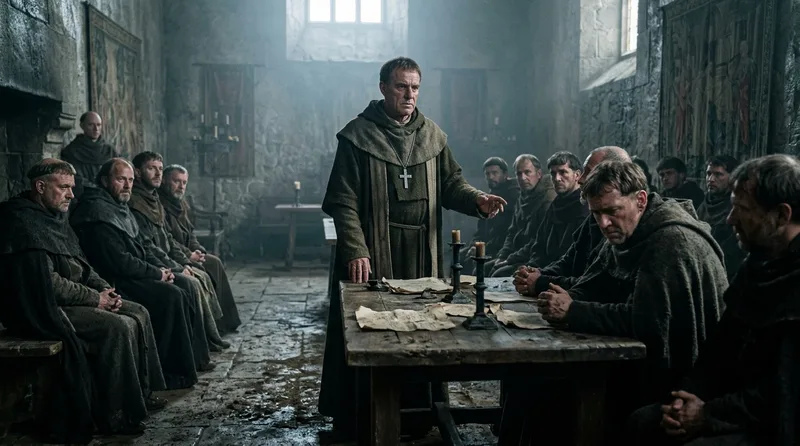
Pope Gregory VII’s decree against clerical marriage in 1074 revolutionized the Catholic priesthood by demanding absolute celibacy from all clergy. Before this edict, married priests were common throughout Europe—many bishops had wives and children who expected to inherit church property and positions. The First Lateran Council in 1123 reinforced the prohibition, declaring all clerical marriages invalid, and the Second Lateran Council in 1139 made the ban absolute and irrevocable. Thousands of priests were forced to abandon their families, and their children were declared illegitimate. The church’s motivation was partly spiritual but largely economic—preventing hereditary transfer of church property and ensuring clergy loyalty to Rome rather than family dynasties. Resistance was fierce across Europe, with married priests in Milan leading armed revolts in the 1070s and German clergy openly defying the mandate for decades. The decree created a permanent class of unmarried religious professionals whose primary allegiance was to the institutional church. This celibacy requirement fundamentally altered medieval society by removing clergy from normal kinship networks, making them ideal administrators for popes who needed servants without competing family interests. The mandate remains Catholic doctrine today, affecting over 400,000 priests worldwide.
Source: britannica.com
3. Fourth Lateran Council: When Confession Became Mandatory
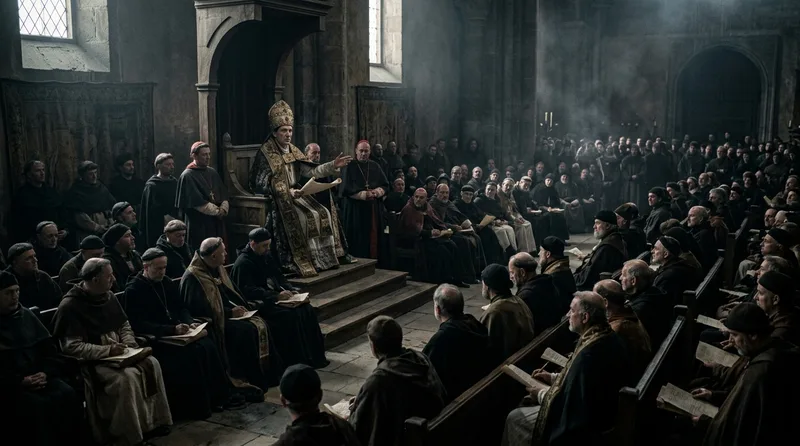
Pope Innocent III convened the Fourth Lateran Council in November 1215, producing 70 decrees that fundamentally restructured Christian life. The most revolutionary was Canon 21, requiring every Christian to confess sins to a priest at least once annually under penalty of excommunication and denial of Christian burial. This single decree gave the church unprecedented surveillance power over approximately 80 million European souls. The council also formally defined transubstantiation—the doctrine that bread and wine literally become Christ’s body and blood during Mass—making this theological position binding church law. Canon 68 required Jews and Muslims to wear distinctive clothing identifying their religious status, a mandate that led to yellow badges and pointed hats across Europe. The council banned trial by ordeal, forcing legal systems toward evidence-based proceedings, and prohibited clerics from participating in bloodshed, removing priests from judicial executions. With over 400 bishops and 800 abbots attending, it was the largest church assembly yet held. The confession requirement created an intimate surveillance system where priests knew every parishioner’s secrets, strengthening church authority over daily life. These decrees shaped Catholic practice for 800 years, with annual confession remaining obligatory and transubstantiation still central dogma today.
Source: britannica.com
4. The Papal Bull That Diverted a Crusade to Sack Christian Constantinople
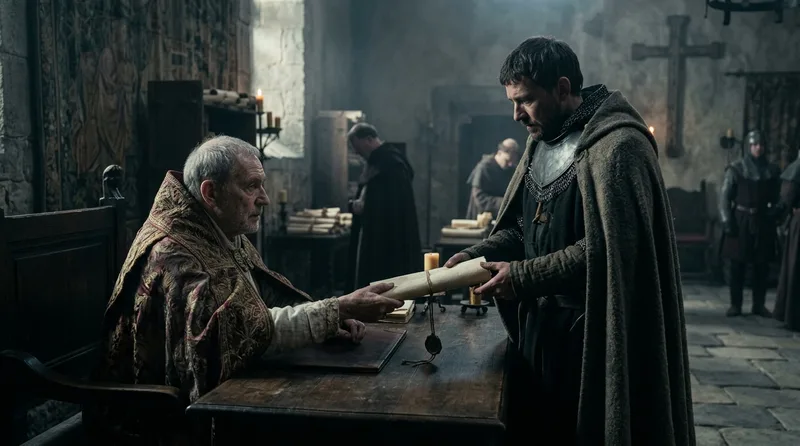
Pope Innocent III issued his call for the Fourth Crusade in August 1198, launching a military expedition that spectacularly backfired and reshaped Mediterranean politics. The bull promised spiritual rewards for warriors who would reclaim Jerusalem from Muslim control, offering full remission of sins and eternal salvation. Approximately 35,000 crusaders assembled in Venice by 1202, but couldn’t afford the 85,000 silver marks the Venetians demanded for transport. The Venetian Doge Enrico Dandolo, age 90 and blind, proposed the crusaders first conquer Christian Zara for Venice, then Constantinople to install a friendly emperor. Despite Innocent III’s furious protests and threats of excommunication, the crusade attacked Constantinople in April 1204, breaching the walls after a three-day assault. The crusaders systematically looted the wealthiest Christian city on Earth for three days, stealing sacred relics, destroying priceless manuscripts, and raping nuns in their convents. They melted down the four bronze horses of the Hippodrome and shipped them to Venice, where they remain today. The disaster permanently split Eastern and Western Christianity, weakened the Byzantine Empire so severely it fell to the Ottomans in the mid-15th century, and demonstrated that papal authority couldn’t control crusading armies once unleashed. The Fourth Crusade never reached Jerusalem.
Source: britannica.com
5. How the Church’s Cousin Marriage Ban Revolutionized European Families
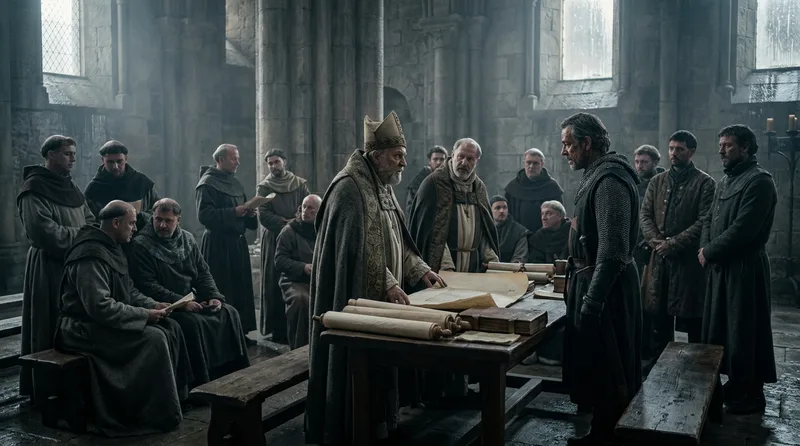
The Fourth Lateran Council in 1215 finally limited marriage prohibitions to four degrees of consanguinity, but this represented the endpoint of centuries of increasingly strict incest definitions. Earlier medieval popes had extended marriage bans to seventh cousins, making nearly everyone in small medieval communities technically related and thus forbidden to marry without expensive papal dispensations. Pope Alexander III in 1179 had defined impediments so broadly that finding a legitimate spouse in rural areas became nearly impossible without church permission. The 1215 reform to fourth cousins—sharing great-great-great-grandparents—still prohibited marriage between approximately 2,000 potential relatives per person. These restrictions deliberately broke up clan-based inheritance systems that threatened church authority, forcing families to devise new property transfer strategies. The church granted dispensations for fees, creating a profitable revenue stream—the Diocese of Paris issued over 400 dispensations annually by the early 14th century. The bans reshaped European family structure by preventing consolidation of wealth within kinship groups and encouraging property donations to the church from families without clear heirs. Anthropologists credit these marriage restrictions with transforming Europe from clan-based societies resembling those in the Middle East to nuclear family structures emphasizing individual choice. The genetic diversity from marrying distant relatives may have contributed to Europe’s population growth after the year 1000.
Source: smithsonianmag.com
6. Ad Extirpanda: The Papal Decree That Authorized Torture
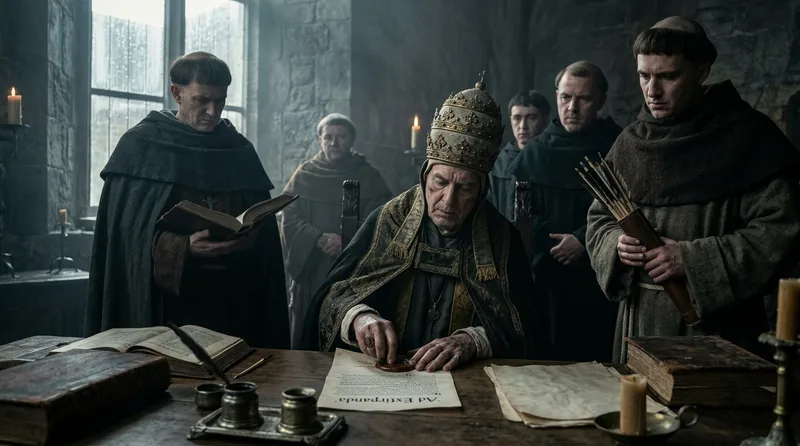
Pope Innocent IV issued Ad extirpanda on May 15, 1252, explicitly authorizing torture to extract confessions from suspected heretics, marking a dark turning point in church justice. The bull permitted inquisitors to torture accused persons provided they avoided permanent injury or death—a restriction routinely ignored in practice. It required secular authorities to enforce inquisitorial sentences under pain of excommunication, effectively deputizing civil governments as church enforcers. Torture methods included the strappado, where victims hung by reversed arms until shoulders dislocated, and the rack, which stretched bodies until joints separated. Pope Alexander IV expanded the authorization in 1259, allowing inquisitors to grant each other mutual absolution for any injuries or deaths resulting from interrogation. The Spanish Inquisition, established in the late 15th century, elevated these practices to systematic state policy, torturing approximately 150,000 people over three centuries. Ad extirpanda justified torture by arguing that heresy was spiritual murder deserving physical punishment, and that extracting confessions saved souls even if bodies suffered. The decree established legal precedents used by secular courts across Europe, normalizing judicial torture that continued until the Enlightenment. This papal authorization contradicted earlier church teaching against torture and remains one of Catholicism’s most controversial historical documents, representing the church’s willingness to inflict suffering to maintain doctrinal control.
Source: britannica.com
7. Unam Sanctam: The Pope Claims Authority Over Every Living Soul
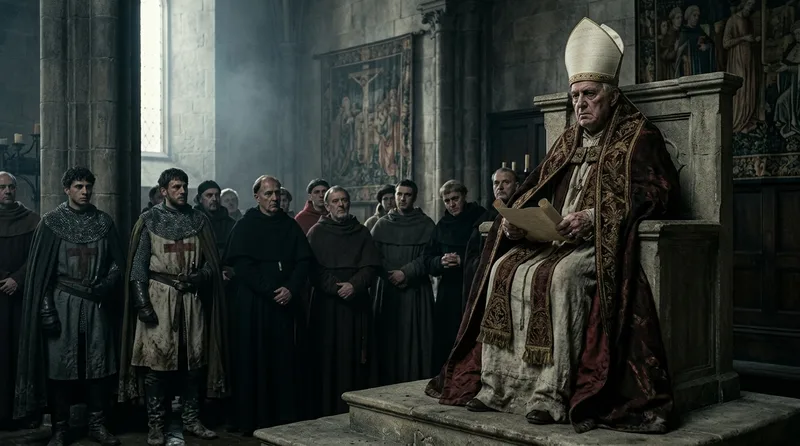
Pope Boniface VIII issued Unam Sanctam on November 18, 1302, during his bitter conflict with King Philip IV of France, declaring the most extreme assertion of papal supremacy ever formulated. The bull stated unequivocally that submission to the Roman Pontiff was absolutely necessary for salvation of every human creature, making papal authority literally a matter of life and death. It employed the metaphor of two swords—spiritual and temporal—arguing that both ultimately belonged to the church, with secular rulers merely wielding temporal power at papal discretion. Boniface asserted that spiritual authority judges temporal authority but cannot itself be judged except by God, placing the pope beyond all earthly accountability. The decree emerged from Boniface’s dispute with Philip over taxing French clergy, culminating when Philip’s agents attacked the pope at Anagni in September 1303, imprisoning the 68-year-old pontiff for three days. Boniface died within a month, reportedly from the shock. Rather than strengthening papal power, Unam Sanctam marked its zenith and beginning of decline—Philip ignored the decree, and subsequent popes never again claimed such absolute authority. The bull became a historical embarrassment, with later church officials trying to reinterpret its extreme language. It demonstrated the limits of papal power when confronted by determined monarchs commanding armies.
Source: britannica.com
8. Clericis Laicos: When the Pope Forbade Taxing the Church
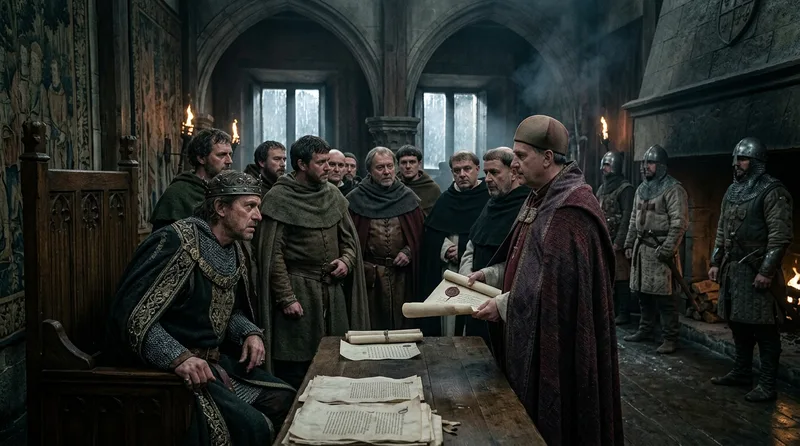
Pope Boniface VIII issued Clericis laicos on February 25, 1296, forbidding all secular rulers from taxing clergy without explicit papal consent and threatening excommunication for violations. The decree responded to both King Philip IV of France and King Edward I of England imposing war taxes on their national churches to fund military campaigns in the late 13th century. Boniface declared that laymen had always been hostile to clergy—the bull’s Latin title means literally “laics are opposed to clerics”—and that unauthorized church taxation constituted theft of sacred property. The pope threatened automatic excommunication for any ruler demanding taxes and any clergyman paying them, creating a legal trap that paralyzed church-state financial relations. Edward I responded by outlawing clergy from English courts, making church property effectively undefendable against theft, while Philip halted all gold and silver exports from France, strangling papal revenues. Within seven months, Boniface retreated, issuing Etsi de statu in July 1297 allowing clergy to pay taxes in emergencies without papal approval. The humiliating papal surrender demonstrated that medieval popes depended on royal cooperation and couldn’t simply command obedience through spiritual threats. The controversy revealed the church’s awkward position as both spiritual institution claiming immunity from worldly authority and wealthy landholder controlling approximately one-third of European property that kings needed to tax.
Source: britannica.com
9. Execrabilis: The Pope Declares Himself Above Church Councils
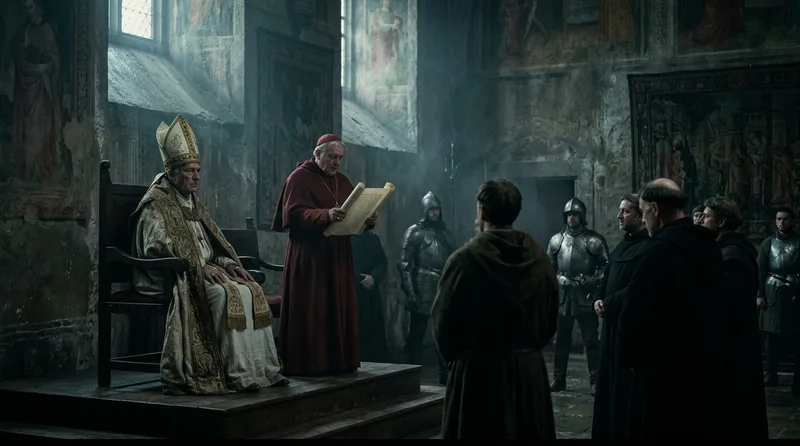
Pope Pius II issued Execrabilis on January 18, 1460, condemning as “execrable abuse” any attempt to appeal papal decisions to a general church council. The bull emerged from the Conciliar Movement’s challenge to absolute papal authority, particularly the Council of Basel’s claims during the 1430s and 1440s that councils represented supreme church authority. Pius declared that anyone appealing to a future council would be automatically excommunicated and, if clergy, stripped of all offices and revenues. The decree threatened secular rulers supporting such appeals with interdict—suspension of all church services in their territories, effectively holding entire populations spiritually hostage. This represented a complete reversal of positions taken during the Western Schism in the late 14th and early 15th centuries, when competing popes had destroyed papal credibility and councils seemed the only solution. The Council of Constance in 1415 had declared conciliar supremacy, deposing three rival popes and electing Martin V, but Pius II—who had previously supported conciliarism before becoming pope—now rejected that authority. Execrabilis succeeded in crushing the Conciliar Movement, establishing absolute papal monarchy that persisted until the Second Vatican Council in the 20th century. The decree demonstrated how medieval church government consolidated toward authoritarian centralization despite earlier experiments with representative governance. Ironically, Pius had written supporting conciliar theory before his 1458 election.
Source: britannica.com
10. Inter Caetera: The Pope Divides the Entire New World on a Map
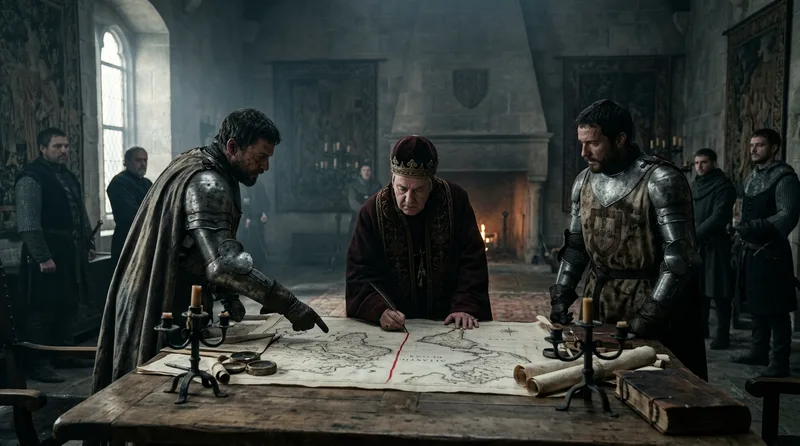
Pope Alexander VI issued Inter caetera on May 4, 1493, drawing a line down the Atlantic Ocean and granting Spain everything west of it and Portugal everything east, literally dividing the undiscovered world between two kingdoms. The bull emerged from Spanish-Portuguese competition following Christopher Columbus’s return in March 1493 claiming Caribbean islands for Spain. Alexander, a Spaniard born Rodrigo Borgia, drew the line 100 leagues west of the Azores, giving Spain claim to the Americas while protecting Portugal’s African routes. The Portuguese protested immediately, and the Treaty of Tordesillas in 1494 moved the line 270 leagues further west, accidentally giving Portugal claim to Brazil, which Pedro Álvares Cabral reached in the early 16th century. The decree presumed breathtaking papal authority—that the pope could grant sovereignty over territories he’d never seen, inhabited by millions of people who’d never heard of Christianity, to European monarchs for the purpose of converting souls. Alexander justified this by claiming spiritual jurisdiction over all Earth’s inhabitants, making conquest a religious duty. The bull provided legal foundation for Spanish and Portuguese colonial empires that enslaved approximately 12 million Africans and decimated indigenous American populations. Other European powers, particularly England and France, rejected papal authority to divide the world and ignored the decree entirely when establishing their own colonies. Inter caetera represented medieval papal power’s final ambitious overreach before the Protestant Reformation shattered church unity.
Source: britannica.com
Did You Know?
The papal decree Inter caetera divided the entire undiscovered world between just two kingdoms with a single pen stroke—yet England, France, and Holland simply ignored it, revealing how papal power had become more theatrical than real by the late 15th century. These church edicts transformed medieval society from marriage rules to torture authorization, but their ultimate legacy was unintended: by claiming absolute authority over every aspect of life, the medieval papacy set the stage for the Protestant Reformation that would shatter its power forever within just a few decades of Columbus’s voyage.